

Unvaccinated nurse properly denied unemployment benefits, appeals court says

A nurse who avoided COVID-19 vaccination on religious grounds but refused to sign her employer’s exemption form was properly denied unemployment benefits after the company placed her on unpaid leave, Colorado’s second-highest court ruled on Thursday.
Although the purpose of unemployment benefits is to compensate workers who lose their jobs through no fault of their own, there are conditions under which an employee is ineligible. Workers are disqualified when, among other things, they deliberately disobey a “reasonable instruction of an employer.”
A three-judge panel of the Court of Appeals found Jessica Simon was not entitled to payment after she rejected the process her employer, Bayada Home Health Care, had implemented for seeking religious exemptions to vaccination.
“Bayada had the right to require that its registered nurses either get the COVID-19 vaccine or, if the employee’s religious beliefs precluded vaccination, complete and sign an exemption form. This instruction was reasonable,” wrote Judge Lino S. Lipinsky de Orlov in the panel’s Aug. 10 opinion. “Yet Simon refused to comply.”
Case: Simon v. Industrial Claim Appeals Office
Decided: August 10, 2023
Jurisdiction: Industrial Claim Appeals Office
Ruling: 3-0
Judges: Lino S. Lipinsky de Orlov (author)
Elizabeth L. Harris
Timothy J. Schutz
Background: Colorado appeals court agrees woman fired for vaccine non-compliance not entitled to unemployment benefits
In February, a separate panel held that a health care worker who did not seek an exemption at all was barred from unemployment benefits, as her employer’s policy was aimed at protecting its workers and clients from COVID-19. In Simon’s case, by contrast, she took issue with the terms of her company’s religious exemption form.
Responding to state regulations, Bayada required its employees to get vaccinated or obtain a religious or medical exemption in 2021. Bayada put Simon on unpaid leave when she returned the form unsigned. She sought unemployment benefits, but a hearing officer decided Simon was responsible for her situation because she disobeyed a reasonable instruction.
Simon, representing herself, turned to the Court of Appeals. She claimed the form had “illegal provisions” that would reduce her hours and assignments. Such reductions allegedly amounted to religious discrimination. Further, Bayada allowed clients to request that only vaccinated workers provide care, which would “segregate employees based on vaccination status.”
The appellate panel saw no evidence that signing the form would have resulted in a reduction of Simon’s work hours, and testimony suggested religiously exempt employees were working without issue. As for whether Bayada discriminated against Simon based on her religion, the panel observed that Bayada was permitted to draw distinctions between vaccinated and unvaccinated employees.
“Bayada did not disclose to clients which of its employees had signed a religious exemption form in lieu of getting vaccinated,” Lipinsky wrote. “The record does not show that Bayada’s decision not to assign an unvaccinated employee to a particular client necessarily conveyed the message that such employee had not been vaccinated.”
Because Simon had not shown Bayada treated her differently due to religion, and Simon bore responsibility for disobeying a reasonable directive, she was disqualified from receiving benefits.
The case is Simon v. Industrial Claim Appeals Office et al.



Judge rules that Colorado law makes it too hard for parties to bar unaffiliated voters from primaries
Ernest Luning
ernest.luning@coloradopolitics.com
Updated 31 minutes ago
A federal judge ruled in favor of the Colorado Republican Party late Tuesday, saying that a portion of the state law that allows unaffiliated voters to cast ballots in party primaries is unconstitutional because it imposes an unrealistic burden on...

10th Circuit upholds regulator’s methodology for Tri-State exit fees
Michael Karlik
michael.karlik@coloradopolitics.com
Updated 3 hours ago
The Denver-based federal appeals court upheld a regulatory agency’s methodology for calculating the fee owed by entities seeking to withdraw from Tri-State Generation and Transmission Association last week. Tri-State is a Westminster-based cooperative that provides and transmits electricity to member...
Federal judge proposes sanctions against Mike Lindell’s lawyers for continued fake citations
Michael Karlik
michael.karlik@coloradopolitics.com
Updated 4 hours ago
A federal judge is once again pursuing sanctions against lawyers for MyPillow CEO Mike Lindell for continuing to cite to court cases that do not exist, likely based on the faulty output of artificial intelligence tools. Last year, a jury...
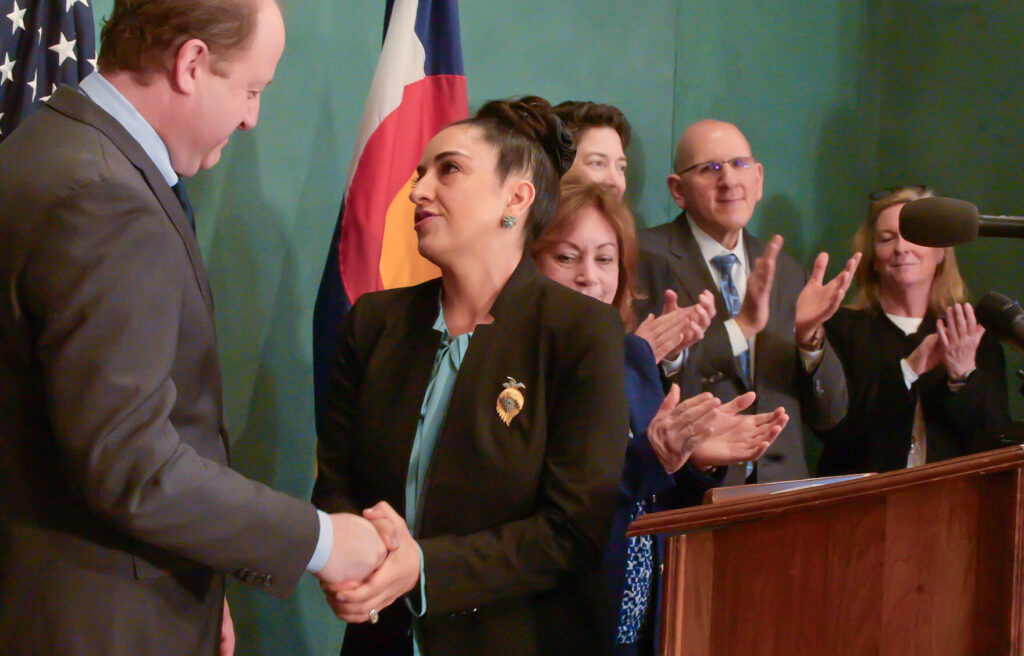
Susan Blanco signals views on role of appellate courts in first opinion as Colorado justice
Michael Karlik
michael.karlik@coloradopolitics.com
Updated 8 hours ago
Justice Susan Blanco’s first solo opinion as a new member of the Colorado Supreme Court made clear her view of the guardrails that keep the state’s highest court tethered to the issues it is asked to decide. On Monday, the...
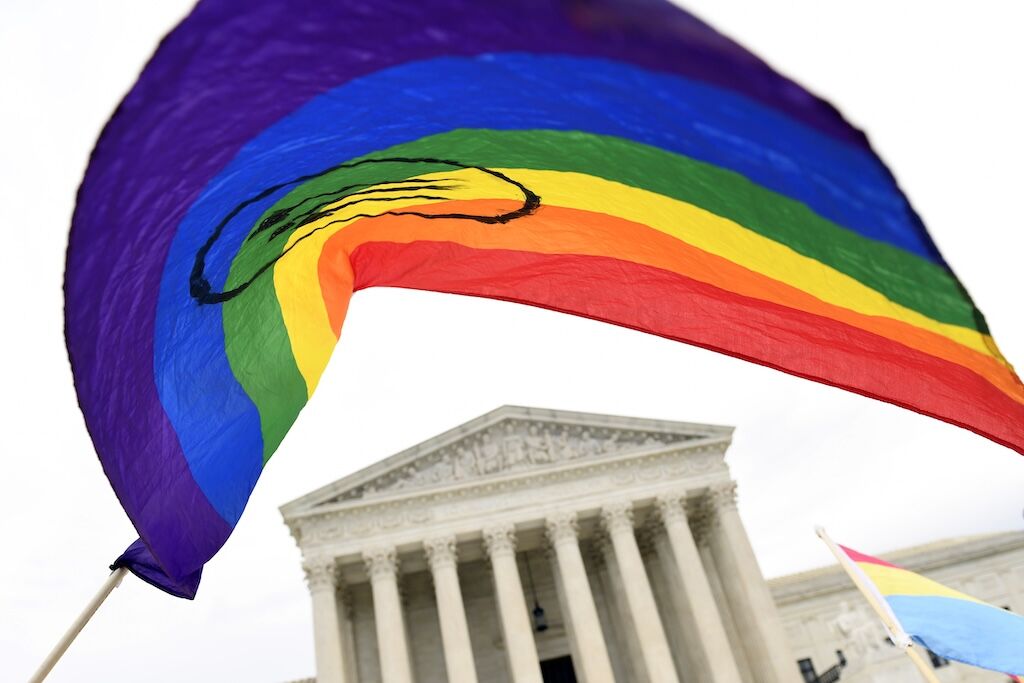
Colorado leaders weigh next steps after Supreme Court rejects state ban on ‘conversion therapy’
Marissa Ventrelli
marissa.ventrelli@coloradopolitics.com
Updated 1 day ago
Colorado leaders said they are weighing next steps after the U.S. Supreme Court on Tuesday rejected the state’s ban on “conversion therapy” for children, as critics and supporters cheered or lambasted the ruling. The court’s near-unanimous decision called the Colorado...
Federal judge dismisses U.S. government lawsuit against Colorado, Denver’s ‘sanctuary’ laws
Michael Karlik
michael.karlik@coloradopolitics.com
Updated 1 day ago
A federal judge dismissed the U.S. government’s lawsuit against Colorado and Denver on Tuesday, which alleged that various local policies impermissibly infringed on federal immigration enforcement. U.S. District Court Judge Gordon P. Gallagher followed the lead of judges in Illinois...
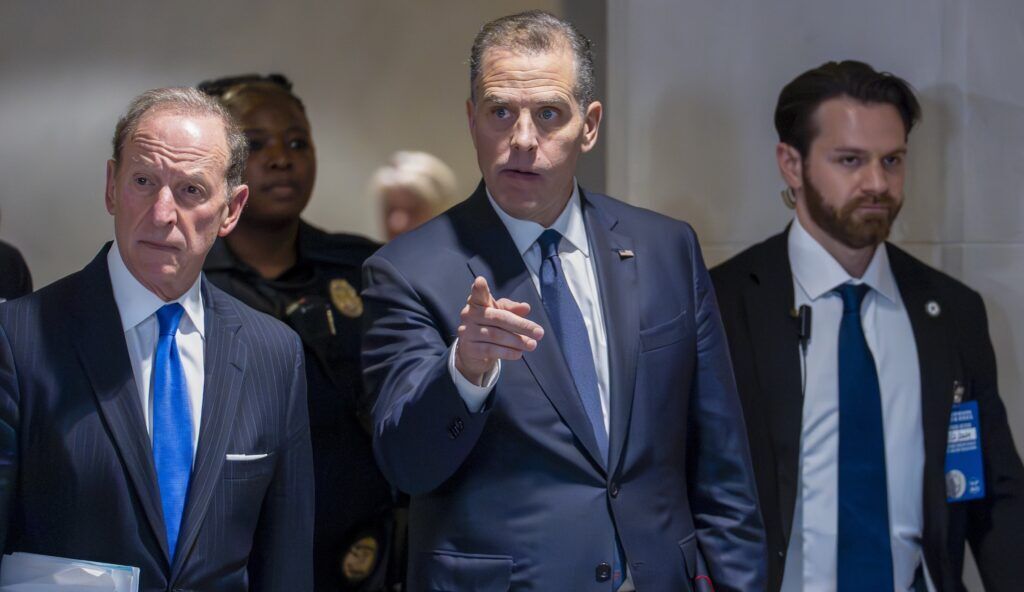
Federal judge finds DOJ adequately searched for, disclosed records related to Bidens
Michael Karlik
michael.karlik@coloradopolitics.com
Updated 1 day ago
A federal judge determined on Friday that the U.S. Department of Justice adequately searched for and disclosed records to a Colorado attorney in response to his request for documents related to former President Joe Biden’s son and brother. In November...
10th Circuit warns lawyers after finding fake case in filing
Michael Karlik
michael.karlik@coloradopolitics.com
Updated 22 hours ago
The Denver-based federal appeals court warned attorneys to be more careful last month after discovering one lawyer cited a fake case in his arguments. In recent months, federal and state judges in Colorado have begun cautioning lawyers explicitly about the...

10th Circuit rules cognitively impaired man’s risk of lobotomy, mistreatment in Mexico not ‘torture’
Michael Karlik
michael.karlik@coloradopolitics.com
Updated 2 days ago
The Denver-based federal appeals court concluded last month that a man’s risk of mistreatment or forced lobotomy in his native Mexico did not amount to “torture” that should shield him from deportation. A three-judge panel of the U.S. Court of...
Colorado justices side with news organizations for disclosure of high-level child abuse data
Michael Karlik
michael.karlik@coloradopolitics.com
Updated 1 day ago
The Colorado Supreme Court ruled on Monday that the state must disclose the number of child abuse reports at individual group living facilities in response to an open records request, as the addresses are already in the public domain. The...
PREV
PREVIOUS
Douglas County judge subjected man to lifetime sex offender registration without saying why, appeals court finds
A Douglas County judge did not provide a clear reason why she designated a man a “sexually violent predator” and subjected him to lifetime sex offender registration, the Court of Appeals ruled on Thursday. Under Colorado law, a person convicted of a sex offense is labeled a sexually violent predator when, among other things, the […]

Colorado Division of Youth Services fixes reporting issues on juvenile recidivism, education
A state audit found significant improvements in the accuracy of the Colorado Division of Youth Services’ reporting on recidivism and educational outcomes of young offenders. In 2019, the division was revealed to be miscalculating and using incomplete data for its annual reports. This resulted in reports that under-represented the recurring criminal offenses of youths discharged […]