

There doesn’t need to be a rural-urban divide | GABEL
This is a tale of two trailer loads. We headquarter in northeastern Colorado, but we haul cow calf pairs to spend their summers just over the state line near a small town in Wyoming. We also haul a handful of fall calving cows to Douglas County, near where I grew up. They spend their summers there until we bring them home to calve in September.
When we haul pairs to Wyoming, we hire two semis that are owned and operated locally. They typically drop a load of fat cattle, cattle that are ready for slaughter, at the plant in nearby Fort Morgan in the wee hours of the morning, wash out their trailers at the locally owned truck wash, and come to our house to load. The two trucks head north with one of our rigs behind it with four-wheelers, calves or both.
Once the cattle are in Wyoming, they’re eased off the trucks, find their calves, and head toward the green grass like a hungry man sitting before a Christmas ham. We make sure the calves and cows all find one another and find the water tank, salt and mineral tubs. While there, we buy diesel, oftentimes a hotel room, and dinner all from small businesses who appreciate a few extra pickups in their parking lot.
Stay up to speed: Sign-up for daily opinion in your inbox Monday-Friday
We return regularly to that small town to check cows, grab lunch and buy diesel. People typically speak to us and ask the obligatory questions about recent rainfall and haying progress that mark the summer months.
When we haul bred cows to Douglas County, we take one trailer load because the pastures we have there are quite small and surrounded by more houses each time we go down. We use the toll road before reaching our exit in Parker. We ease down Parker Road because there are so many cars, and they allow us so little room to stop if we need to. A loaded trailer is heavy, and it takes more room to stop than your average Subaru. We also don’t want to throw the bred cows around the trailer and risk injury to any of them. People stare at us, glare at us and never seem to wave. We don’t typically fuel up there because it’s difficult to fit into busy and tight spaces when everyone around us seems to be in a hurry. We rarely eat lunch down there for the same reason, though we did eat at a place with a large parking lot on the last trip.
My soon-to-be kindergartener was wearing his straw cowboy hat and his boots, just like he does every day. It surprised me how many adults pointed at him or said something weird like, “Hey, Tex… where’s your horse?” He’s five and certainly not wearing a cowboy hat for any other reason than because he’s a cowboy.
When we were ready to leave, there was a table of biker guys, one of them wearing a Vietnam veteran hat. My son tipped his hat to the veteran and said hello. The man reached out to shake his hand, which he did, and they talked for a few minutes about where we were hauling cows and if there would be ice cream en route home. We wished him a good weekend and he told us we were raising our kids right.
As much as I despise the frequent talk about the rural and urban divide in Colorado and many other states, I suppose it is real. It’s existence, though, doesn’t equate to one place or another being superior as they both contribute to the state’s economy and other markers of success. The agriculture industry does a disservice to itself by touting “thank a farmer” sentiments. Though there’s no doubt the importance of the industry, which here in Colorado is the second largest and contributes $47 billion annually, bludgeoning people into gratitude isn’t constructive. The agriculture industry reaching out in an effort “to educate” people removed from production agriculture, which is about 98% of the nation, is off-putting.
Production agriculture exists because there is consumer demand. Consumers’ demands are met because the efficient agriculture industry thrives in this country. We’re like peas and carrots. Assuming that consumers don’t know anything about agriculture is as big a stereotype as the dumb farmer assumption, and you know what they say about assuming. Agriculture gets it wrong, though, in insisting that consumers need an education. Many consumers benefit from a closer look at the issues facing production agriculture and can more wisely cast their votes to protect the economics of the state if they’re more familiar with the issues. Consumers can make more informed decisions at the grocery store if they’re able to sort through the ridiculous labels and the emotion-driven marketing. That said, agriculture producers can be responsive to consumer preferences by finding their niche and meeting the wants and needs of the consumers in that space. Urban and rural are two strikingly different places, but when it’s all said and done, we need one another and would benefit from a quick visit about cows and ice cream.
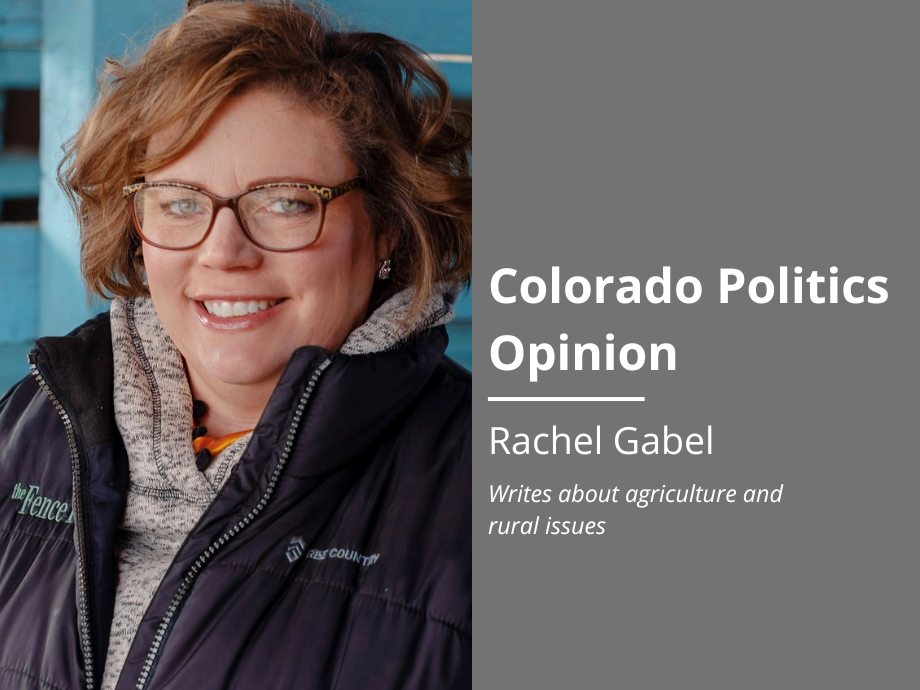
Rachel Gabel writes about agriculture and rural issues. She is assistant editor of The Fence Post Magazine, the region’s preeminent agriculture publication. Gabel is a daughter of the state’s oil and gas industry and a member of one of the state’s 12,000 cattle-raising families, and she has authored children’s books used in hundreds of classrooms to teach students about agriculture.


Let the state’s narrative-laundering season begin | Jon Caldara
Jon Caldara
jon-caldara@coloradopolitics.com
Updated 3 days ago
Politics is a game of narrative. Whoever controls the narrative wins. Sure, the truth is interesting. But truth doesn’t sell. It takes time to uncover, assuming people care enough to go digging for it. Narratives are easier. They’re simple, comforting...

Home rule has protected Colorado cities for more than 125 years | Cronin & Loevy
Tom Cronin Bob Loevy
tom-cronin-bob-loevy@coloradopolitics.com
Updated 1 day ago
Colorado is currently gripped by a political struggle. It’s one between the governor and state legislature in Denver on one side and populous “home rule” city governments, mainly on the Front Range — such as Colorado Springs. The state legislature...

Home rule has protected Colorado cities for over 125 years | Cronin and Loevy
Tom Cronin Bob Loevy
tom-cronin-bob-loevy@coloradopolitics.com
Updated 18 hours ago
Colorado is currently gripped by a political struggle between the governor plus the legislature in Denver and populous home-rule city governments, mainly on the Front Range, such as Colorado Springs. In the past few years, the legislature has been passing bills that applied to city government policies, which...
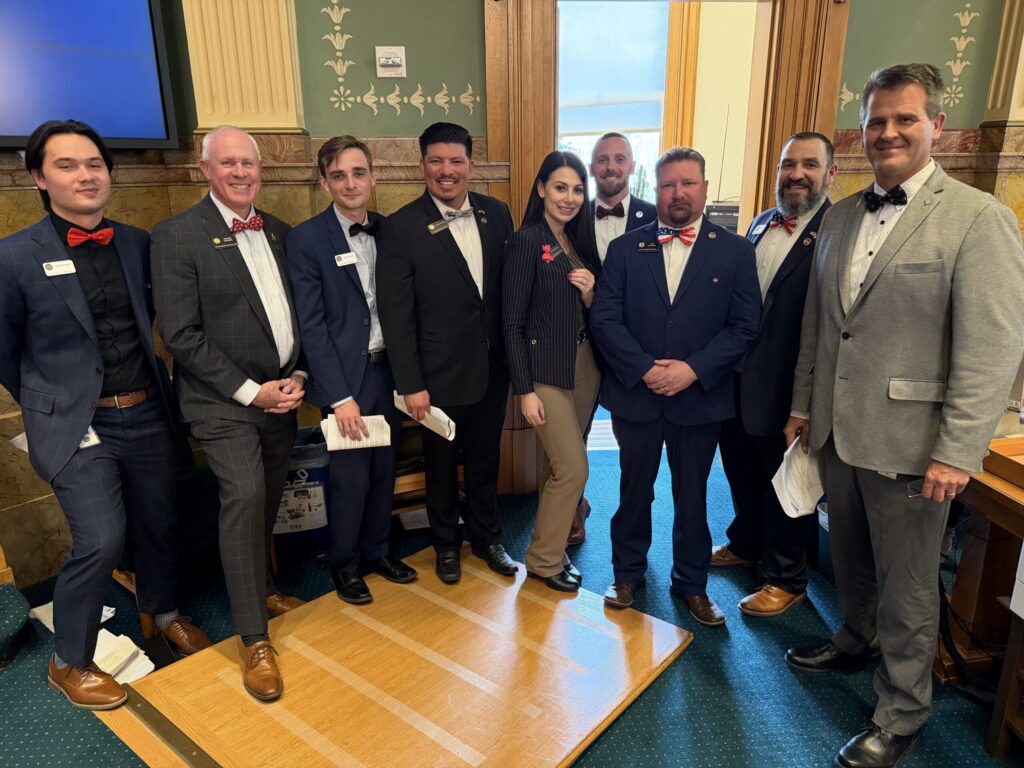
An “-“ends tribute in a week full of “odds” | Capitol M | Week of April 11, 2026
Marianne Goodland
marianne.goodland@coloradopolitics.com
Updated 3 days ago
The lighter side of the Capitol, usually… The decision to read the budget bill — the long bill, which spans 661 pages this year — put a damper on the House’s already less‑than‑festive mood. So Capitol M decided to catch...
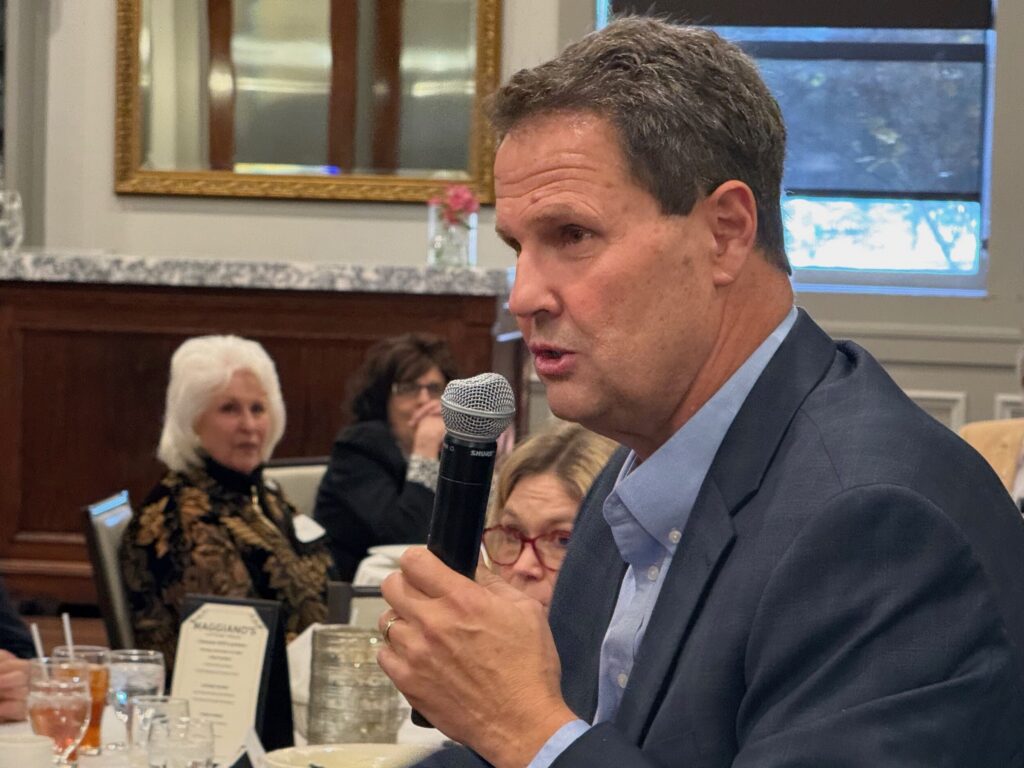
A longshot, upset bid and a few quick takes | SONDERMANN
By Eric Sondermann
by-eric-sondermann@coloradopolitics.com
Updated 3 days ago
It is hard to keep up these days. The flow of news often seems overwhelming. Let’s focus today on an unusual congressional race before moving on to a few quick, supplementary observations. Since its creation 54 years ago, Congressional District...

Colorado Medicaid director’s resignation long-overdue inflection point for our families, kids | OPINION
Colorado Politics
colorado-politics@coloradopolitics.com
Updated 2 days ago
By Heidi Baskfield For years, the consequences of a strained and fragmented Medicaid system have fallen on those least able to navigate it — the children with complex needs and the families fighting to care for them. Though policy debates...
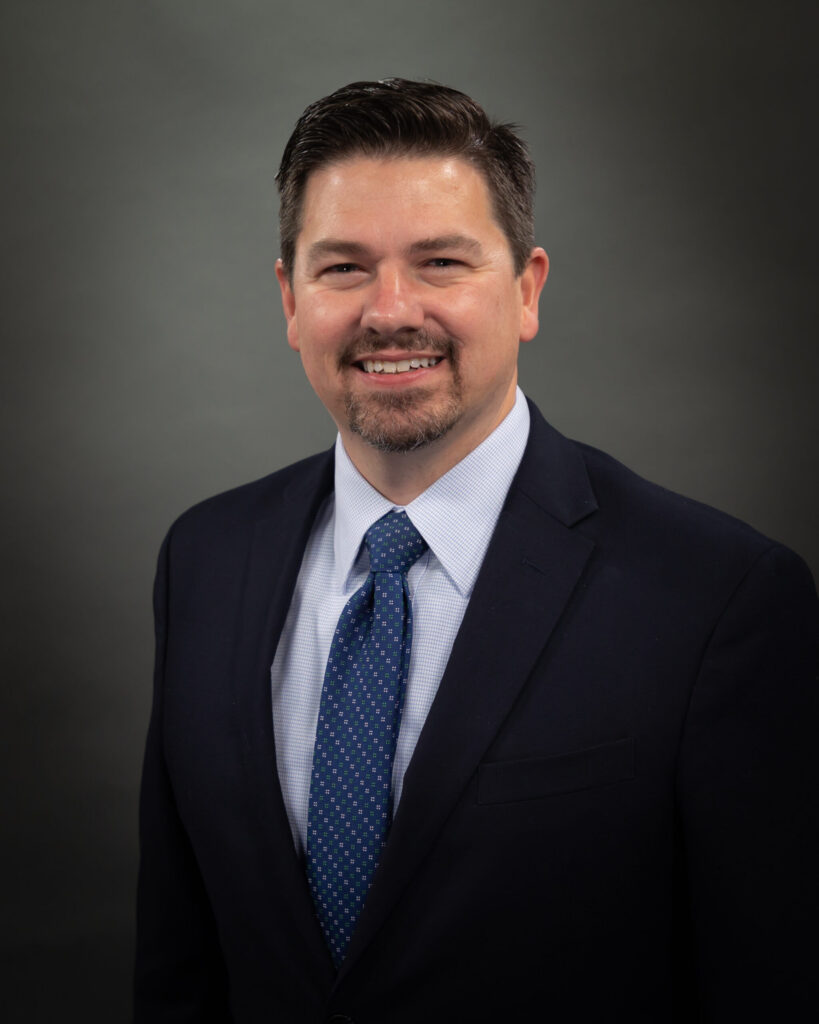
Note to Colorado lawmakers — parents protecting kids isn’t abuse, it’s their job | OPINION
Colorado Politics
colorado-politics@coloradopolitics.com
Updated 2 days ago
By Matt Sharp and Sharon Supp During the last few years, the U.S. Supreme Court has made at least one thing clear: Colorado is consistently overreaching to apply its laws in unconstitutional ways. Colorado treated a cake artist with hostility...

H.R. 1 underscores unfairness in Colorado tax code | OPINION
Colorado Politics
colorado-politics@coloradopolitics.com
Updated 2 days ago
By Caroline Nutter On July 4, 2025, Colorado’s budget was overturned with the stroke of a pen. When President Donald Trump signed into law H.R. 1, or the One Big Beautiful Bill Act, he didn’t only cut federal funding by...
The danger of when government goes rogue | Paula Noonan
Paula Noonan
paula-noonan@coloradopolitics.com
Updated 2 days ago
It’s dangerous, even fatal, when government goes rogue whether in a democracy or autocracy. Government officials who ignore or taunt laws that constrain bad acts should be given the heave ho. We’re witnessing these egregious scenarios now at the federal...

The future of Colorado condo development | OPINION
Colorado Politics
colorado-politics@coloradopolitics.com
Updated 3 days ago
By Peter LiFari For nearly two decades, the story of condominium construction in Colorado has been mistold, misunderstood and misrepresented. This outcome reflects the cumulative effect of more than two decades of Colorado policy, beginning with the Construction Defect Action Reform...
PREV
PREVIOUS

Empower workers to stop crime | CALDARA
Jon Caldara Remember when employees cared about their jobs and cared about the company for which they worked? We call it a work ethic. It meant that an employee felt like he, too, was part of the company. One of the reasons we see such poor work ethic today, such reluctance to get back to […]
Time to pay it forward on student debt | HUDSON
Miller Hudson For the better part of the past two decades, perhaps three, voter support for higher education funding has declined in surveys of public budget priorities in Colorado. In many respects, this gradual yet steady erosion of enthusiasm can be traced back nearly 60 years. Following the second World War and the subsequent economic […]