

Federal judge denies immunity to Denver officer sued for false arrest, retaliation
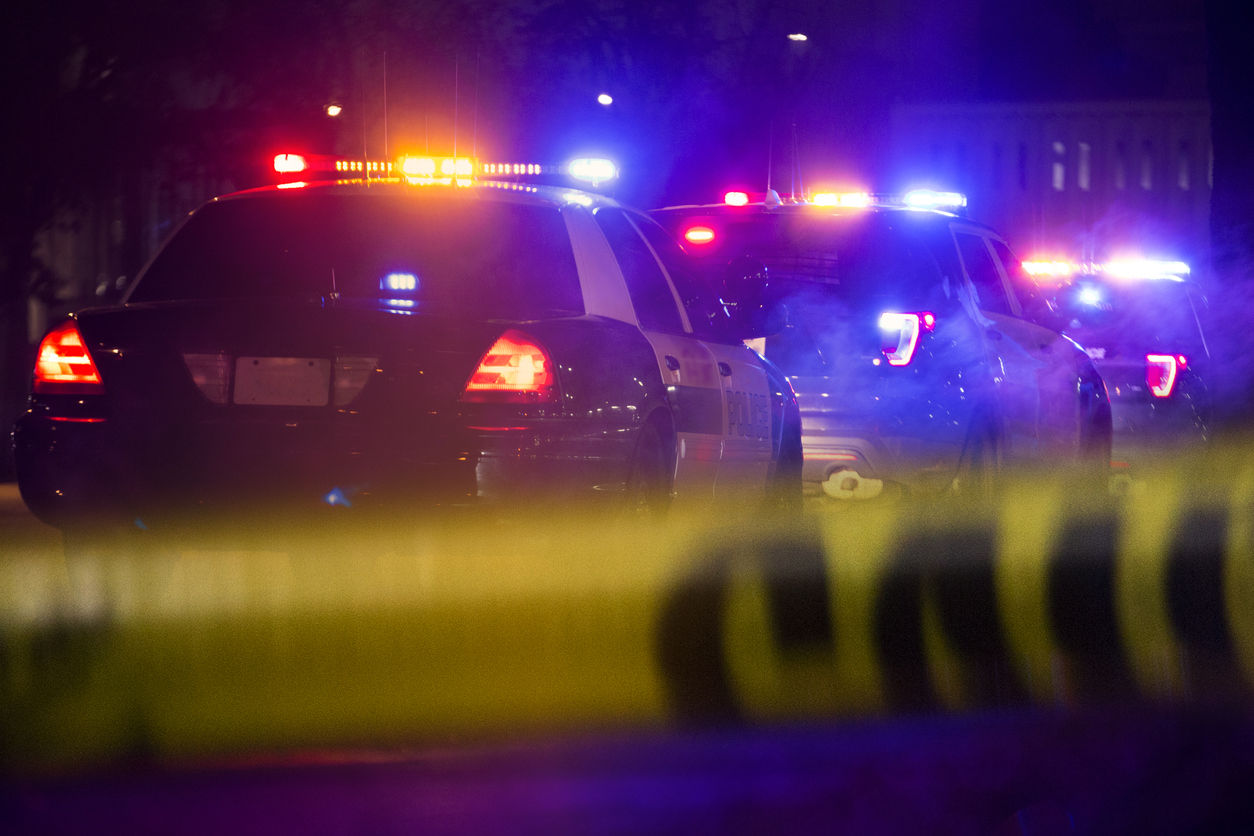
A federal judge has declined to dismiss a lawsuit alleging a Denver police officer arrested a man without probable cause of a crime and retaliated against him when the man asked a bystander to record the interaction.
John Collins claimed Officer Austin Barela approached him while he was working to fix a car, then badgered Collins to show identification. When Collins refused, Barela handcuffed him and lectured Collins about “not doing what I’m telling you to do.”
Barela moved to dismiss the lawsuit, asserting he had reasonable suspicion of an offense – Collins allegedly operated the car with illegally-tinted windows – which escalated to probable cause when Collins would not give his ID.
“The problem with Defendant’s argument,” wrote U.S. Magistrate Judge Scott T. Varholak on Monday, “is that the Complaint never alleges that Plaintiff was actually operating the vehicle.”
In his April 17 order, Varholak believed Collins’ lawsuit credibly alleged the officer had no reason to believe Collins violated the law against tinted windows. If so, Collins had no obligation to identify himself.
The magistrate judge also applied a key decision from last summer issued by the U.S. Court of Appeals for the 10th Circuit, which addressed the First Amendment’s protection for people who video record police officers in public. Although the 10th Circuit determined the right to record was clearly established as of May 2019, Varholak indicated the recording of police was clearly protected at the time of Collins’ encounter two months earlier and, in fact, was clear years before that.
According to Collins’ complaint, he was repairing an interior panel on his brother’s car on March 25, 2019. The vehicle was parked on a Denver street. Barela then approached him and captured the interaction on his body-worn camera.
“You have an ID on you, man?” Barela asked. Collins said he did, but did not show it. Barela asked again for Collins to identify himself.
Collins allegedly told a passenger in the car to video record the interaction, and explained to Barela he was just fixing the door.
“Every reasonable officer in Barela’s position would know that he lacked reasonable suspicion to demand identification from Mr. Collins under threat of arrest,” wrote Collins’ attorney, J. Spencer Bryan.
Barela repeatedly pressed Collins for his name and ID. When Collins asked why Barela needed the ID, the officer responded it was “for driving the car.”
Barela then threatened to handcuff Collins if he did not comply, quickly following through by placing the cuffs on him. Barela said he did it “because you’re not giving me your ID like I asked,” and complained that Collins had asked his passenger to record him.
“You’re not doing what I’m telling you to do,” Barela lectured him. “If you just go, ‘Here, sir, here’s my ID,’ and I come back to the car … it’s completely different.”
According to documents the city provided in Collins’ lawsuit, Barela wrote in his report that he previously saw the car Collins was repairing, driving with “heavy, non-transparent window tint.” He allegedly cuffed Collins when Collins “started to put his left hand inside of his hoodie pocket,” causing the officer to fear “he was reaching for a weapon.”
Prosecutors subsequently dismissed the charges against Collins – none of which pertained to tinted windows or failing to show ID – because they believed a conviction was unlikely.
Collins sued Barela for false arrest, alleging the officer lacked probable cause or reasonable suspicion of a crime. He also claimed Barela retaliated against him, arresting Collins for “taking steps to record” the encounter.
Barela asserted qualified immunity, which is a judicial doctrine that generally shields government employees from civil liability unless they violate a person’s clearly established legal rights. The Denver City Attorney’s Office argued Barela had not violated Collins’ rights because he had reasonable suspicion the windows were illegally tinted, followed by Collins’ refusal to identify himself.
As for the recording, “there exists no allegations that Plaintiff ever recorded Officer Barela,” wrote Assistant City Attorney Hollie R. Bikhloz, adding that telling an acquaintance to record is not clearly protected activity under the First Amendment.
Varholak disagreed on both counts. Colorado’s law against tinted windows applies to the “operation” of vehicles. Because it was questionable whether Barela saw Collins operating the car, it was plausible the officer lacked reasonable suspicion of a crime.
For the retaliation claim, Varholak cited the 10th Circuit’s decision in Irizarry v. Yehia, which found the right to record police was clearly established as of May 2019. However, the appellate court relied upon previous rulings as late as 2017 in reaching its conclusion. Therefore, Varholak agreed the right to record was clear prior to May 2019.
In denying qualified immunity, Varholak added he did “not find constitutional significance in the fact that neither (Collins) nor his acquaintance actually recorded the incident.”
The case is Collins v. Barela.



Appeals court overturns Douglas County vehicular homicide conviction due to faulty jury instructions
Michael Karlik
michael.karlik@coloradopolitics.com
Updated 5 hours ago
Colorado’s second-highest court overturned a defendant’s vehicular homicide conviction and 12-year prison sentence on Thursday after determining a Douglas County judge omitted key language from the jury instructions that could have resulted in a different outcome. James Paul McDonald was...

Federal judge dismisses malicious prosecution claim against former Denver prosecutor
Michael Karlik
michael.karlik@coloradopolitics.com
Updated 1 day ago
A federal judge concluded on Monday that a former Denver prosecutor could not be sued for allegedly causing the arrests of two plaintiffs after they failed to appear for trial on the scheduled date, even though the trial had been...
Judicial discipline commission reports increased transparency, increased submissions
Michael Karlik
michael.karlik@coloradopolitics.com
Updated 1 day ago
The Colorado Commission on Judicial Discipline received 473 misconduct complaints about judges in 2025, which was nearly 29% higher than in 2024 and substantially greater than any time in the past decade. However, only 31 complaints were referred to the commission...
Colorado Gov. Jared Polis ignites fierce debate after raising clemency questions in Tina Peters case
Marianne Goodland
marianne.goodland@coloradopolitics.com
Updated 23 hours ago
Gov. Jared Polis ignited a political firestorm Tuesday night after weighing in on the prison sentences of two former Colorado officials — a Democrat and a Republican — convicted of attempting to influence a public servant. The comments quickly fueled...
Colorado Supreme Court signals intervention in dispute over treatment for trans children
Michael Karlik
michael.karlik@coloradopolitics.com
Updated 2 days ago
The Colorado Supreme Court ordered Children’s Hospital Colorado on Tuesday to explain why it should not direct the organization to resume providing certain types of services to transgender children in compliance with the state’s non-discrimination law. Last month, a Denver...
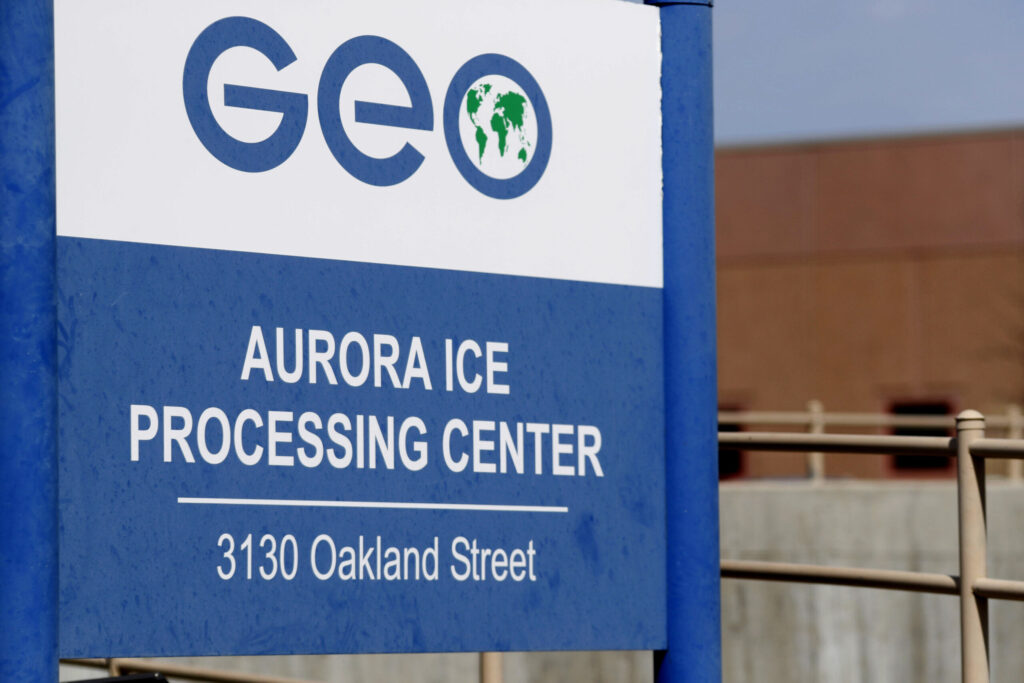
Judge nixes latest policy requiring 7 days’ notice for Congress members to visit ICE facilities
Michael Kunzelman
michael.kunzelman@associatedpress.com
Updated 2 days ago
WASHINGTON (AP) — A federal judge agreed on Monday to temporarily suspend the latest version of a Trump administration policy that requires members of Congress to provide a week’s notice before they can visit immigration detention facilities. U.S. District Judge...
Judge nixes latest policy requiring 7 days’ notice for Congress members to visit ICE facilities
Michael Kunzelman
michael.kunzelman@associatedpress.com
Updated 2 days ago
WASHINGTON • A federal judge agreed on Monday to temporarily suspend the latest version of a Trump administration policy that requires members of Congress to provide a week’s notice before they can visit immigration detention facilities. U.S. District Judge Jia...
Colorado Supreme Court clarifies restraining order violations can always support burglary charge
Michael Karlik
michael.karlik@coloradopolitics.com
Updated 23 hours ago
The Colorado Supreme Court’s majority ruled on Monday that a violation of a restraining order can also serve as a basis for finding a defendant guilty of burglary. Under state law, a person commits second-degree burglary by unlawfully entering or...

10th Circuit judge creates vacancy, district court gets new chief judge | COURT CRAWL
Michael Karlik
michael.karlik@coloradopolitics.com
Updated 2 days ago
Welcome to Court Crawl, Colorado Politics’ roundup of news from the third branch of government. A longtime member of the Denver-based federal appeals court will give the president a vacancy to fill, plus Colorado’s federal trial court will see a...

Morgan County man accused of killing wife, staging her suicide charged with first-degree murder
Kyla Pearce
kyla.pearce@gazette.com
Updated 2 days ago
A grand jury announced the indictment of 52-year-old Ronald Lowry, who is accused of killing his wife in October 2023 and staging the crime scene to look like a suicide. Lowry, who was arrested Friday in Morgan County, was charged...
PREV
PREVIOUS

Dave Williams taps campaign veteran Tom Bjorklund as treasurer for Colorado Republicans
The Colorado Republican Party has appointed veteran campaign numbers guy Tom Bjorklund as its treasurer, state GOP Chairman Dave Williams announced Friday. Williams, who won election last month to the party leadership position, credited 2022 congressional nominee Erik Aadland, the second-place finisher in the chair election, with suggesting Bjorklund for the job. “On behalf of […]

Colorado unemployment rate dips in March and gets closer to record low
Colorado’s jobless rate edged down by one-tenth of a percentage point to 2.8% in March, which continues an 11-month steak of rates below 3% that were common before the onset of the COVID-19 pandemic, the Colorado Department of Labor and Employment reported Friday. The latest seasonally adjusted unemployment rate brings Colorado closer to matching its […]