

Colorado lawmakers push trio of bills on wolf introduction

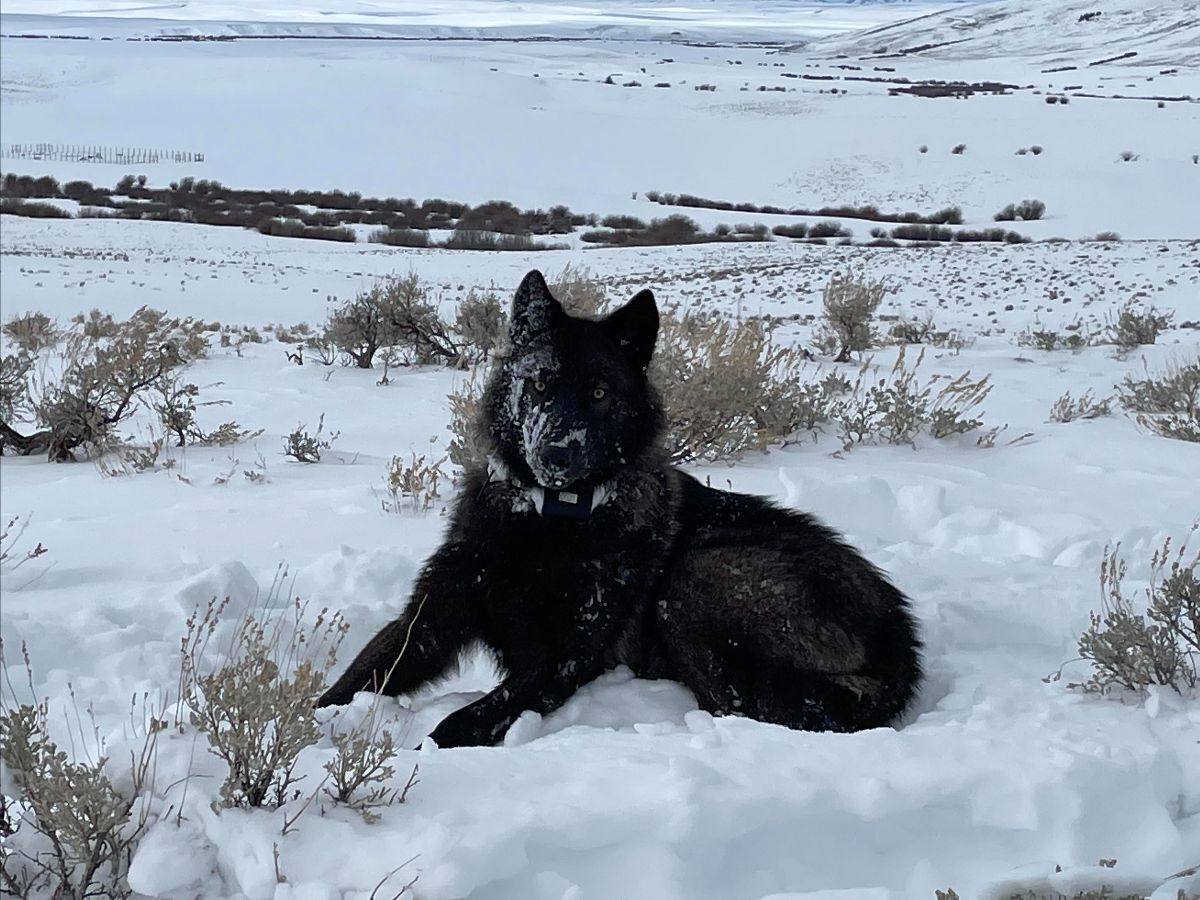
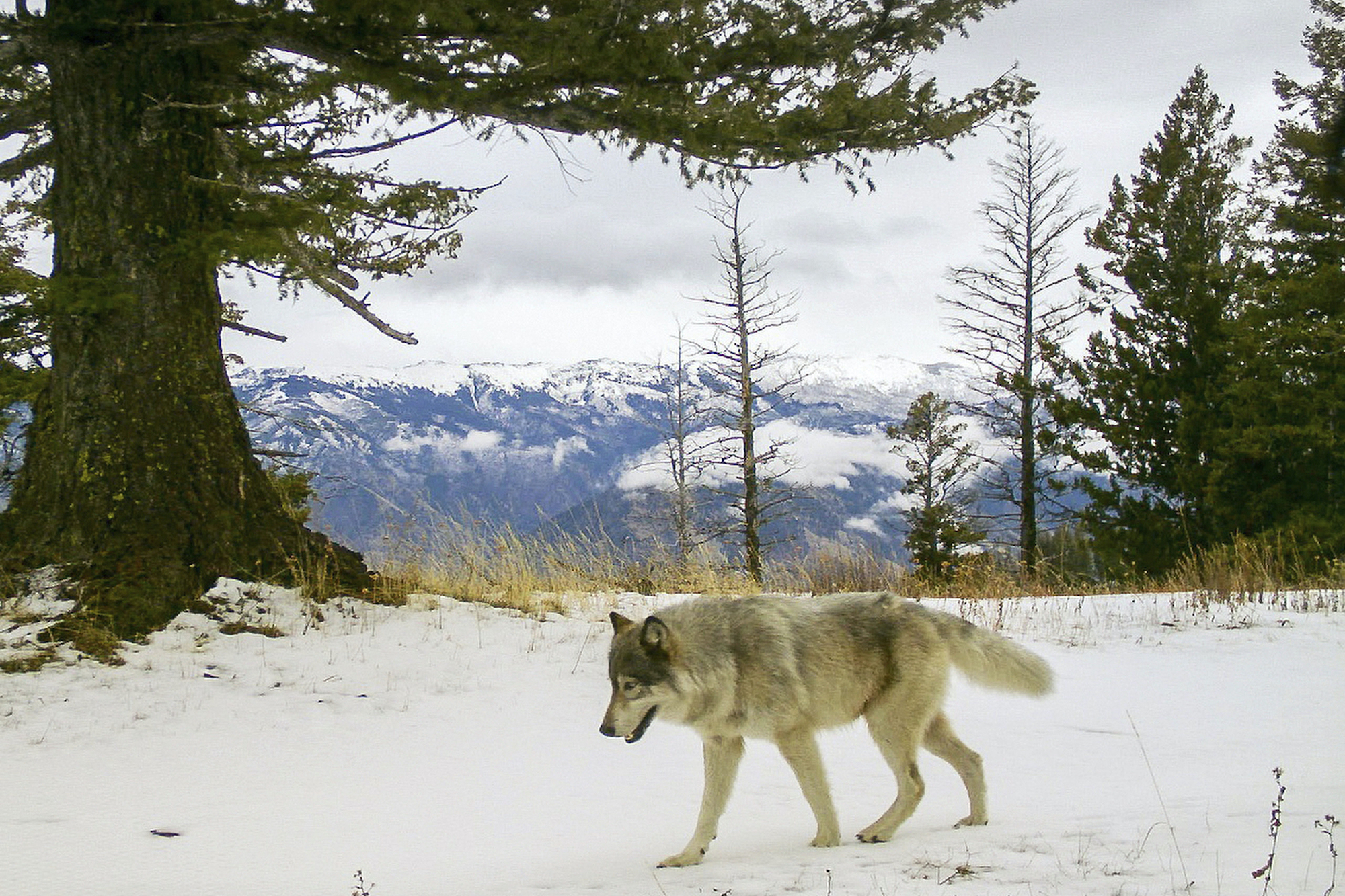
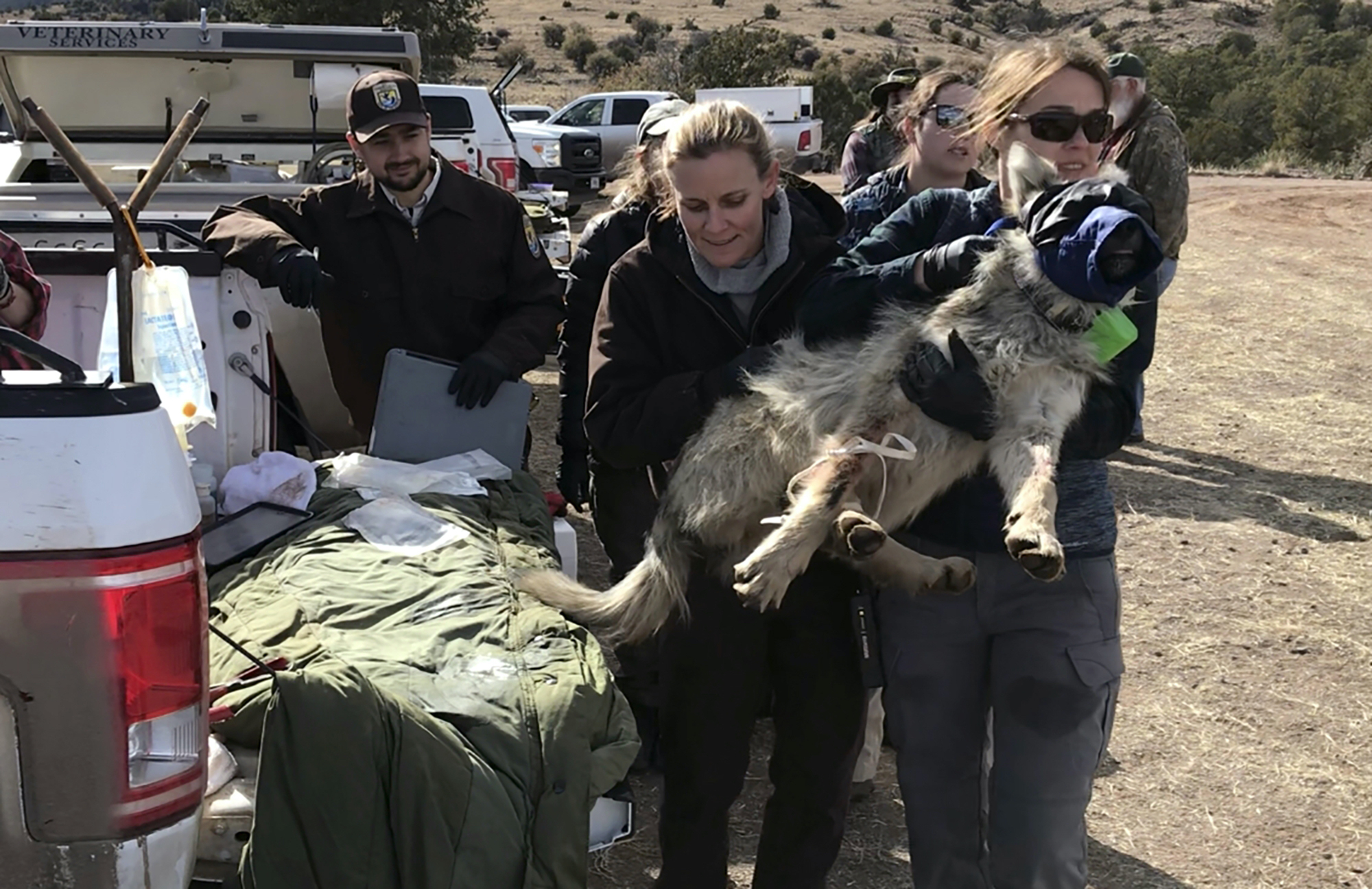
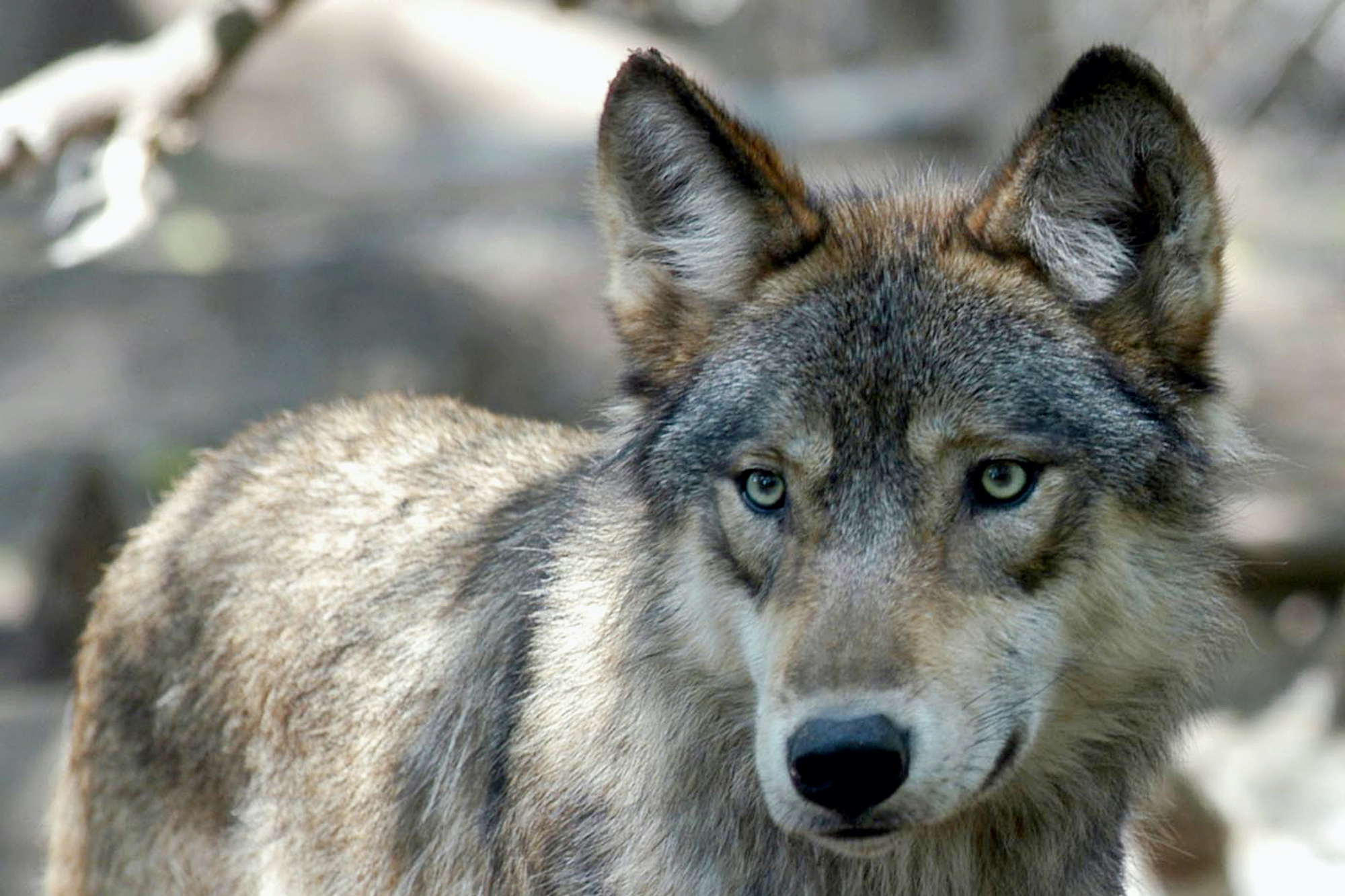
The General Assembly’s Western Slope lawmakers have teamed up to introduce a trio of bills intended to push ahead Colorado’s efforts to reintroduce the gray wolf.
Senate Bill 256 – sponsored by Sens. Dylan Roberts, D-Avon and Perry Will, R-New Castle, and in the House by Reps. Megan Lukens, D-Steamboat Springs, and Matt Soper, R-Delta – would put into place a requirement that the state obtain a 10(j) rule from U.S. Fish & Wildlife Service.
That would grant the state collaborative authority over its efforts to reintroduce gray wolves.
Otherwise, management of the population would reside with USFWS, which sources say is limited in its resources to accomplish that goal.
In 2020, voters, primarily along the Front Range, approved, by a narrow margin, Proposition 114, which would reintroduce gray wolves in Colorado. The ballot measure required a plan be in place by the end of 2023. Gov. Jared Polis, however, has pledged to have wolves on the ground by this December.
However, days before the 2020 general election, then-U.S. Secretary of the Interior David Bernhardt announced a rule to delist the gray wolf from the Endangered Species Act list. That decision could have blocked the state from reintroducing the gray wolf, according to an analysis at the time from a Joint Budget Committee staffer.
It also led to a lawsuit against the Department of the Interior, which lost a little over a year ago. The U.S. District Court overturned the proposed rule, which returned oversight of gray wolves to USFWS.
Last year, the agency, at the request of Colorado’s Division of Parks and Wildlife, proposed a rule, tied to the Endangered Species Act, known as 10(j), which designed the wolves as a nonessential experimental population.
That rule, part of a draft environmental impact statement, is in development right now – its final public hearing to obtain public input occurred earlier today. Comments will be accepted on the proposed rule through April 13.
‘Endangered’ or ‘experimental’?
The difference between an “endangered” species and an “experimental” one is critical. As a nonessential experimental population, wolves can be managed under the plan that has been in development by CPW for nearly three years. It would allow CPW to investigate suspected livestock kills by wolves, as well as a “lethal take” – when a wolf is killed.
If Colorado failed to get the 10(j) rule, wolves would remain as an endangered species, and that would block any wolf kills, even to protect livestock.
The 10(j) designation allows USFWS to call a listed species “experimental” if it is released into a suitable natural habitat outside of its current range, as would be the case with Colorado’s gray wolves.
In addition, without 10(j), the three years of work by CPW on the state’s wolf reintroduction plan gets put on a shelf, and that conflicts with the voters’ direction expressed in Proposition 114.
According to USFWS, a 10(j) designation is designed in part to relieve landowner worries that reintroducing wolves would impose restrictions on private, tribal or public land. That’s a big issue for ranchers whose livestock graze on their own lands, as well as on public lands in the counties where CPW intends to release wolves.
According to the CPW draft plan, wolves would be released only west of the Continental Divide, in an area at least 60 miles from the Wyoming and Utah borders, the border with New Mexico, and with a buffer requested by tribes in southwestern Colorado, including in Gunnison County, where the Ute Mountain Ute tribes want to protect their lands from wolves.
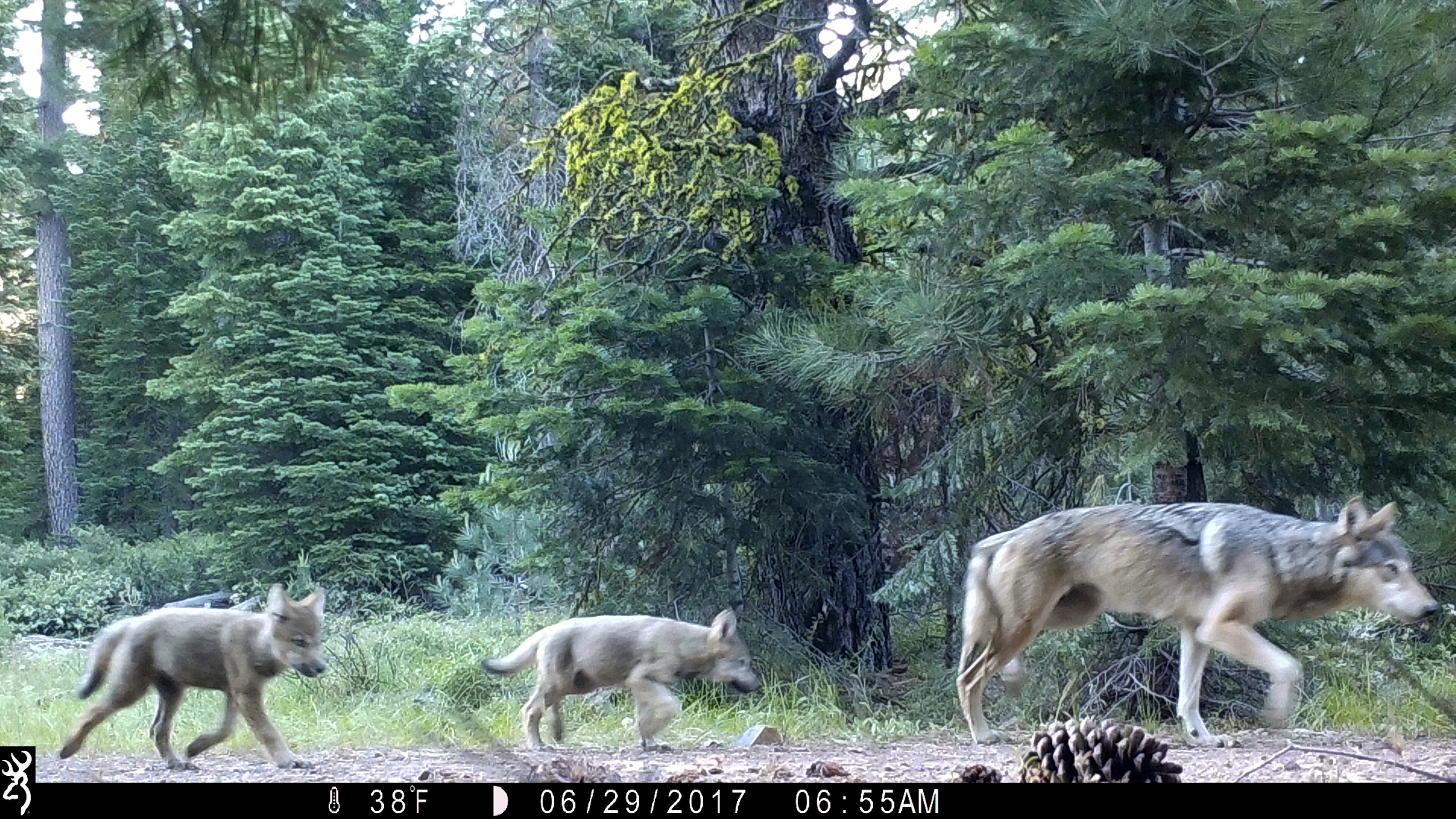
The CPW draft plan, however, notes that wolves don’t stay put. When they were released in Yellowstone several decades ago, they migrated on average about 50 miles within months of their reintroduction, and as far as 140 miles from their original locations.
Opposition from environmental and wildlife groups over 10(j) is likely, based on concerns that granting Colorado that permission would lead to “lethal takes” and other management techniques they don’t agree with.
A call to WildEarth Guardians, which has sued in the past over 10(j) rules, was not returned.
Should groups sue the state over SB 256 or USFWS over 10(j), Senate Bill 256 states that any reintroduction would be delayed until all litigation over 10(j) has been resolved.
Polis appears to support obtaining 10(j) rule
Polis appears to be supportive of voters’ intent and Colorado’s process for obtaining the 10(j) rule from USFWS.
In a statement Monday, Conor Cahill, the governor’s spokesman, said Colorado voters “spoke when they passed Proposition 114 requiring the Colorado Parks and Wildlife Commission to begin the reintroduction of gray wolves in Colorado no later than December 31, 2023.”
Cahill added: “CPW and U.S. Fish and Wildlife have worked diligently to ensure that Colorado receives a 10J in mid-December 2023, which would give Colorado the maximum amount of flexibility in managing healthy wolf populations.”
A variety of livestock groups greeted the governor’s position with relief.
While opposed to the reintroduction, they’re advocating for Colorado – not outside players – to lead that process, saying it needs to be done right, which means, to them, requiring the 10(j) rule.
Gaspar Perricone, chair of the Colorado Wildlife Conservation Project, an alliance of 18 wildlife organizations, told Colorado Politics they support SB 256.
“We appreciate the legislature’s commitment to secure a 10(j) prior to the reintroduction of wolves in the state,” Perricone said in a statement Tuesday. “It appropriately level-sets the expectations of Coloradans who voted for the reintroduction when the Gray Wolf was not listed as an endangered species. It is also a critical tool to ensure that the state maintains the management authority of the reintroduced population while providing the necessary management tools to Colorado Parks and Wildlife.”
Addressing the expected opposition, Perricone added that the prospect of reintroduction without a 10(j) is “worrisome.”
“The state has invested significant time, effort and money into the development of a state based approach with state-wide stakeholder involvement,” Perricone said. “To cast those efforts aside and grant all management authority to the federal government would undercut a successful wolf reintroduction and have significant implications on the other species of wildlife across the state.”
Former state Rep. Kathleen Curry, who represents the Gunnison Stockgrowers Association – which has had issues in the past with the CPW plan – said it’s preferable to allowing the federal government to manage the reintroduction.
The new rule would be important to stockgrowers in order to have adaptive management strategies for wolves once reintroduced, Curry said.
“It will take a lot of different approaches” to manage the population, which 10(j) would allow for, she said.
Curry said depending on which alternative – and there are three, including one identified as a preferred alternative – is adopted, they would be able to use a lot more science-based work, research on movements of animals, and CPW staff would manage the resources (and investigations) instead of USFWS.
Without a 10(j), USFWS would have to conduct that work and its resources are very limited for this undertaking, Curry said.
A compensation fund for livestock killed by wolves
The second bill, Senate Bill 255, would set up the wolf depredation compensation fund, with a $350,000 annual appropriation, to pay for livestock killed by wolves.
Any money in excess of $100,000 and left over at the end of the year would revert to the state’s wildlife fund.
Roberts and Will are the sponsors in the Senate, while Speaker of the House Julie McCluskie of Dillon and Rep. Marc Catlin, R-Montrose, will carry it in the House.
The third bill, House Bill 1265, provides cash funds for implementing nonlethal means of mitigating and preventing conflict with gray wolves. The cash funds would come from a new license plate, known as “Born to be Wild.”
Roberts, in addressing SB 256, said it is vital that the 10(j) rule is in effect before wolves are released and that an adequate source of funding to compensate ranchers for their losses is guaranteed.
In a statement Tuesday, Roberts said his constituents “will be directly impacted by the reintroduction of wolves into Colorado.”
“These bills are a commitment to protecting those who will have to live daily with the impacts of wolves on the ground in Colorado by giving them the tools and resources they deserve to effectively manage those impacts,” Roberts said.
Editor’s note: This article has been modified to delete references that Gov. Jared Polis supports the process outlined in one of the bills. He supports obtaining what’s called 10(j) rule – but not the process outlined in the bill.


USPS ballot rule faces lawsuit from Colorado, other states
Thelma Grimes
thelma.grimes@coloradopolitics.com
Updated 47 minutes ago
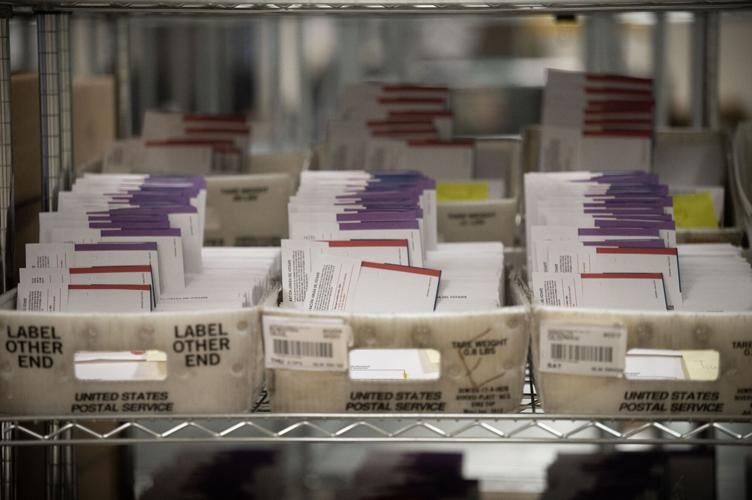
Colorado, along with 25 other states, filed a lawsuit against the U.S. Postal Service to challenge a new rule that seeks to restrict the mailing of ballots to American citizens in an eligible voters list. Colorado relies heavily on the...
Trump defends pause on beef tariffs: Prices are ‘coming down very rapidly’
Naomi Lim
naomi-lim@coloradopolitics.com
Updated 1 hour ago
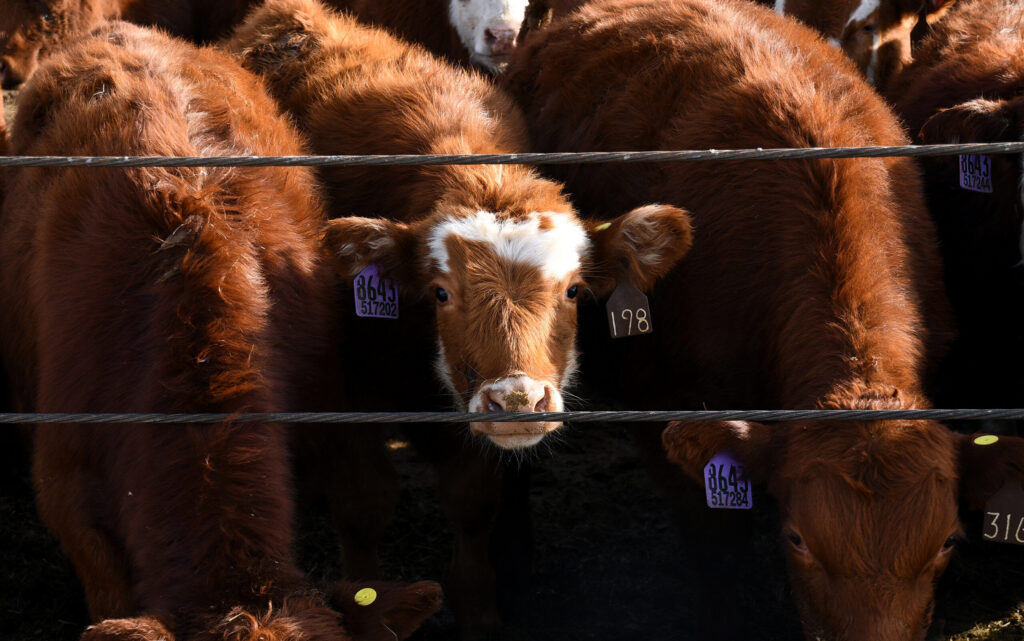
President Donald Trump defended his decision to pause tariffs on some beef imports, even as Republicans criticize the decision. “Prices are coming down very rapidly, and now beef is starting to come down,” Trump told The Glenn Beck Program on...
Denver murder, assault convictions reversed due to faulty jury instructions
Michael Karlik
michael.karlik@coloradopolitics.com
Updated 2 hours ago
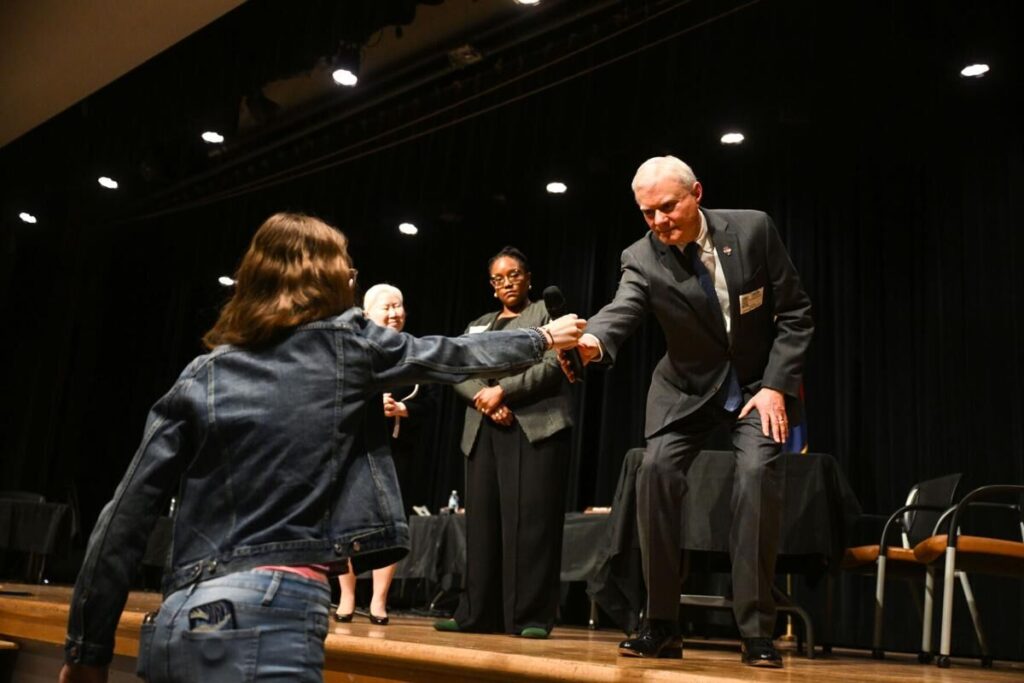
Colorado’s second-highest court reversed a defendant’s convictions for murder and assault last week after concluding a Denver judge incorrectly omitted key jury instructions that could have affected the verdict and sentencing. Stephen C. Swainson fatally stabbed Israel Casillas in downtown...

This is how much Colorado will receive from massive Meta child safety settlement
Thelma Grimes
thelma.grimes@coloradopolitics.com
Updated 31 minutes ago
As part of a sweeping multistate agreement, Meta Platforms, Inc. — the parent company of Facebook and Instagram — has agreed to pay more than $17 billion and adopt extensive child-safety changes to its operations. Colorado Attorney General Phil Weiser...
‘Understand people for who they are’: 2 federal judges talk about compassion in courtroom
Michael Karlik
michael.karlik@coloradopolitics.com
Updated 4 hours ago
Before taking the bench in 2022, U.S. District Court Judge Charlotte N. Sweeney was an employment discrimination attorney. While the cases could be emotionally charged, they were different from the criminal proceedings she is now handling. “It wasn’t necessarily affecting...
Trump lowers flags to half-staff for Dolly Parton: ‘The World loves you’
Naomi Lim
naomi-lim@coloradopolitics.com
Updated 23 hours ago
President Donald Trump is honoring the life of country music legend and philanthropist Dolly Parton by ordering federal buildings across the country to lower flags to half-staff for a week. “Very sad to report that Dolly Parton, one of the...
Ted Cruz suggests GOP realignment coming after Trump leaves office
Emily Hallas
emily-hallas@coloradopolitics.com
Updated 23 hours ago
Sen. Ted Cruz (R-TX) on Monday suggested the Republican Party could embrace a directional shift after President Donald Trump leaves office, a transition that promises to leave a gaping hole in the GOP. Cruz is known as a critical ally...
2 Colorado State troopers shot near Woodland Park; suspect killed
DEBBIE KELLEY
debbie-kelley@coloradopolitics.com
Updated 23 hours ago
Two Colorado State Patrol troopers were hospitalized, and a suspect is dead after a shooting during a traffic stop Tuesday. The initial incident happened at about 7:15 a.m., when a resident reported suspicious activity in the area near milepost 286...

Aurora moves forward with data center regulations
Kyla Pearce
kyla.pearce@gazette.com
Updated 23 hours ago
The Aurora City Council approved moving forward with two new regulations on data centers and directed staff to come back at the next study session with others. At a council meeting in early August, council members directed city management to...

Aurora City Council considers stricter food truck regulations
Kyla Pearce
kyla.pearce@gazette.com
Updated 23 hours ago
The Aurora City Council is considering passing laws to limit the number of food trucks on properties in the city and how and when they operate. Councilmember Angela Lawson, who sponsored the ordinance, said she understands the importance of food...
PREV
PREVIOUS

Aurora police officers undergo new de-escalation, bias training
The Aurora Police Department said it has provided de-escalation training from nationally established programs to its officers, part of complying with its ongoing consent agreement with the state. The department is also developing new anti-bias training. All sworn officers have gotten instruction in constitutional policing, Integrating Communications, Assessment, and Tactics (ICAT) and Active Bystandership for […]

Colorado considers forcing HOAs to allow water-saving landscaping instead of grass
As Colorado continues to suffer through harsh drought conditions, the state legislature is considering removing barriers for some residents to save water on lawn watering. Around 60% of Coloradans live under a homeowner association (HOA). If passed into law, Senate Bill 178 would allow those homeowners to swap their grass lawns for landscaping that needs less water […]