

Haaland sets focus on restoring large bison herds to tribal lands | OUT WEST ROUNDUP
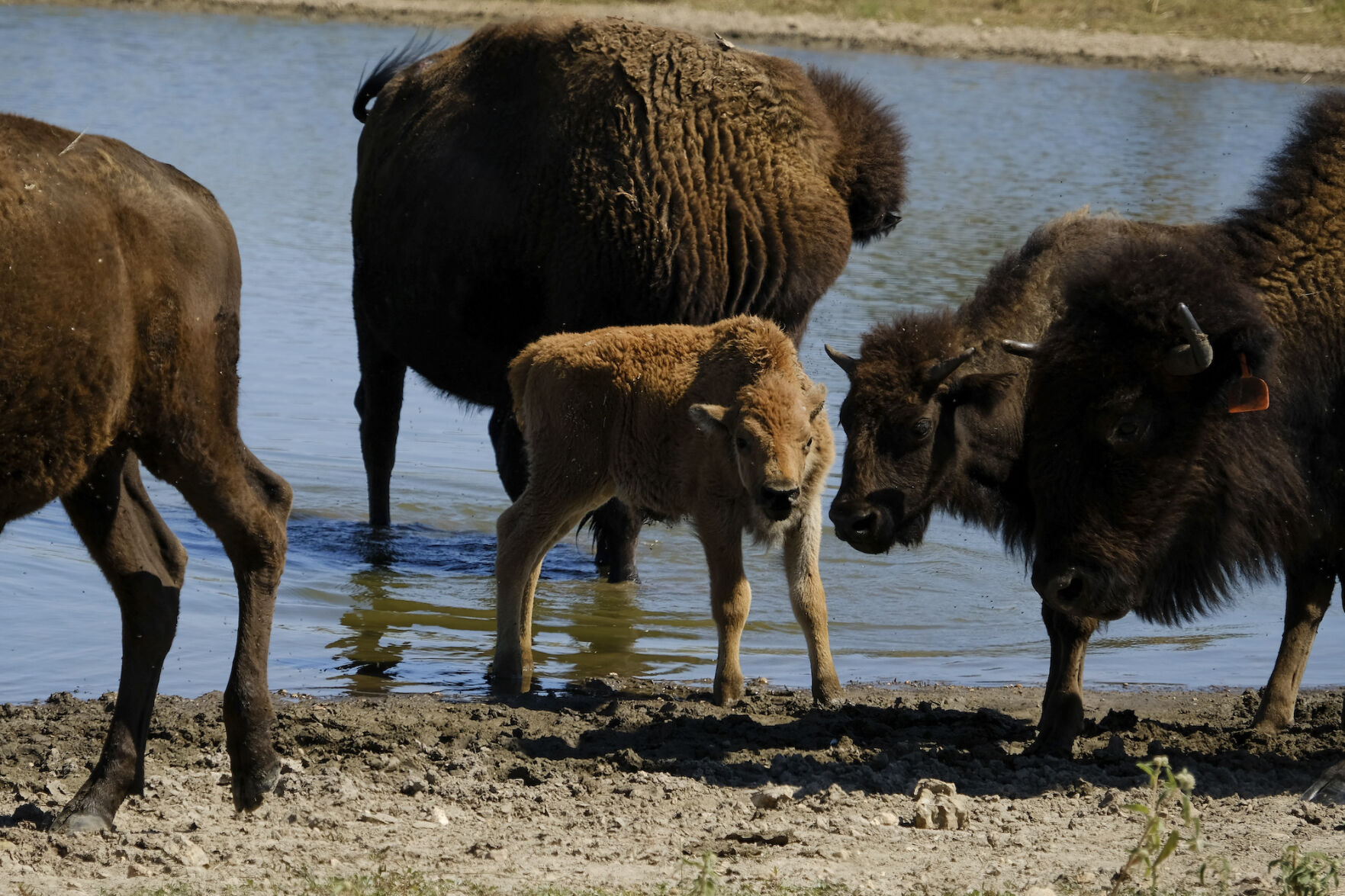
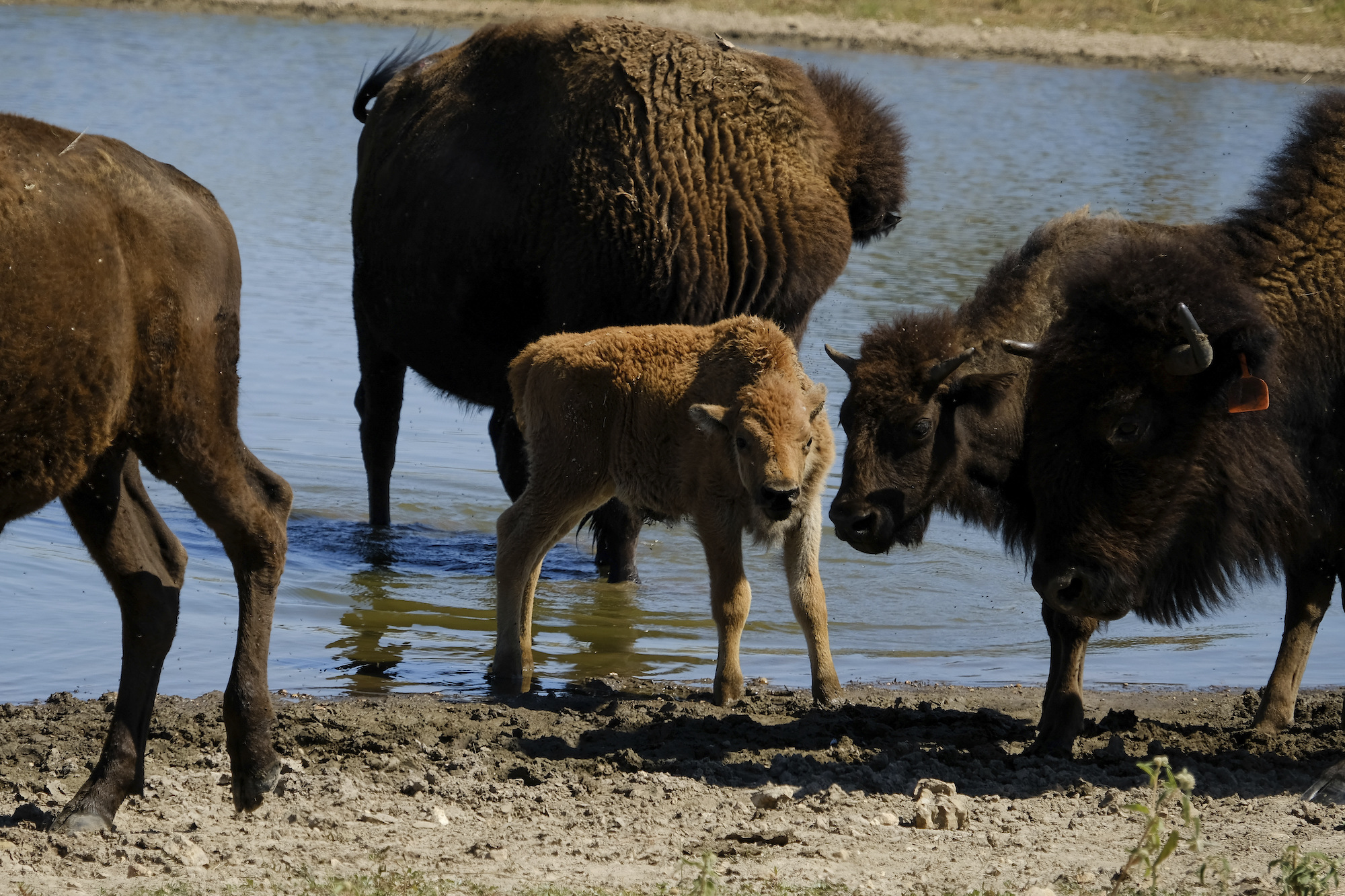
US to focus bison restoration on expanding tribal herds
DENVER – U.S. officials will work to restore more large bison herds to Native American lands under a March 3 order from Interior Secretary Deb Haaland that calls for the government to tap into Indigenous knowledge in its efforts to conserve the burly animals that are an icon of the American West.
Haaland also announced $25 million in federal spending for bison conservation. The money, from last year’s climate bill, will build new herds, transfer more bison from federal to tribal lands and forge new bison management agreements with tribes, officials said.
American bison, also known as buffalo, have bounced back from their near extinction due to commercial hunting in the 1800s. But they remain absent from most of the grasslands they once occupied, and many tribes have struggled to restore their deep historical connections to the animals.
As many as 60 million bison once roamed North America, moving in vast herds that were central to the culture and survival of numerous Native American groups.
They were driven to the brink of extinction more than a century ago when hunters, U.S. troops and tourists shot them by the thousands to feed a growing commercial market that used bison parts in machinery, fertilizer and clothing. By 1889, only a few hundred bison remained.
The return of bison in some locations is considered a conservation success. But Haaland said they remain “functionally extinct” and more work is needed to return the animals to tribal lands and restore the grasslands they depend on.
The Interior Department currently oversees 11,000 bison in herds on public lands in 12 states.
UTAH
Governor says he plans to sign abortion clinic ban
SALT LAKE CITY – Utah Gov. Spencer Cox said on March 3 that he plans to sign a measure that would effectively ban abortion clinics from operating in the state, meaning hospitals will soon be the only places where they can be provided in the state.
After passing through the state Senate a day earlier with minor amendments, it returned to the Utah House of Representatives on March 3, where it was approved and then sent to the governor for final approval. The move comes less than a year after the U.S. Supreme Court overturned the Roe v. Wade decision, returning the power to regulate abortions to states.
Cox told reporters that he will sign the legislation, which also clarifies the definition of abortion to address legal liability concerns providers voiced about the way exceptions are worded in state law – a provision that he and Republican lawmakers called a compromise.
The measure is one of several that members of Utah’s Republican-supermajority statehouse has passed this year while abortion restrictions approved in years past are on hold because of a state court injunction. It has faced fierce opposition from business, civil liberties and abortion rights groups, including Planned Parenthood Association of Utah, which operates three of the four abortion clinics in the state.
The proposal from Rep. Karianne Lisonbee would require all abortions – via medication or surgery – be provided in hospitals by not allowing new clinics to be licensed after May 2 and not allowing any to operate once their licenses expire. It would affect the operations of the four clinics that provide abortions in Utah – three run by Planned Parenthood and the other by Wasatch Women’s Center, an independent clinic in Salt Lake City.
ARIZONA
Governor won’t proceed with execution set by court
PHOENIX – Arizona Gov. Katie Hobbs vowed on March 3 that her administration won’t carry out an execution even though the state Supreme Court scheduled it over the objections of the state’s new attorney general.
The Democratic governor’s promise not to execute Aaron Gunches on April 6 for his murder conviction in a 2002 killing came a day after the state Supreme Court said it must grant an execution warrant if certain appellate proceedings have concluded – and that those requirements were met in Gunches’ case.
The previous week, Hobbs appointed retired U.S. Magistrate Judge David Duncan to examine the state’s procurement of lethal injection drugs and other death penalty protocols due to the state’s history of mismanaging executions.
Attorney General Kris Mayes’ office has said it won’t seek court orders to carry out executions while Hobbs’ review is underway.
Mayes, a Democrat who took office in January, tried to withdraw a request by her Republican predecessor, Mark Brnovich, for a warrant to Gunches. The court declined to withdraw the request on Thursday.
Hobbs maintains that while the court authorized Gunches’ execution, its order doesn’t require the state to carry it out.
Arizona, which has 110 prisoners on death row, carried out three executions last year after a nearly eight-year hiatus following criticism that a 2014 execution was botched and because of difficulties obtaining execution drugs.
Gunches is scheduled to be executed on April 6 for the 2002 killing of Ted Price, his girlfriend’s ex-husband, in Maricopa County.
NEW MEXICO
19 wild cows killed in aerial shooting operation
ALBUQUERQUE – A specialized team of wildlife managers has killed 19 wild cows in the Gila Wilderness in southwestern New Mexico as part of a contested project to rid the area of the unauthorized animals.
The three-day operation used a helicopter and high powered rifles to take out the cows in a rugged area where federal officials and environmentalists say the animals have been trampling stream banks, damaging habitat for other species and ruining water quality.
The U.S. Forest Service had estimated there were as many as 150 of the unauthorized cows in an area along the Gila River.
The agency said on Feb. 28 that searches were conducted with the naked eye and through thermal imagery. The crew spotted significant numbers of elk, deer, javelina and even rabbits – but no additional cattle were found following the operation.
The carcasses will be left in the forest to decompose and the Forest Service plans to monitor the area.
Ranchers had opposed the project, saying rounding up the animals and removing them would have been a more humane way to clear them out of the wilderness. They accused the Forest Service of violating its own policies, but a federal judge denied their request to sideline the project, saying the cows were indeed feral and the Forest Service had the authority to kill them.
Gila Forest Supervisor Camille Howes said a combination of ground-based and aerial removal efforts since October 2021 have substantially reduced the feral cattle population.
Voters could decide if state lawmakers get a salary
ALBUQUERQUE – The state House has endorsed a plan to ask voters to end New Mexico’s status as the only state without a salaried Legislature.
The Albuquerque Journal reports the plan won approval on March 4, largely along party lines with Democrats in favor. The newspaper said the plan would amend the New Mexico Constitution to establish a citizen commission that would set a salary for the state’s 112 lawmakers.
The measure will go before voters next year if the Senate agrees to the plan in the final two weeks of this year’s session that ends on March 18.
Members of the Legislature now draw per diem payments during legislative sessions and for meetings in the interim, receive mileage reimbursements and can participate in a retirement plan, but they don’t get a year-round salary.
The legislation debated Saturday wouldn’t set a particular salary, the Journal said, adding that a nine-member citizen commission would instead determine the salaries with the extra pay starting in mid-2026.


Judge grants partial injunction to GEO in fight against state health inspection law
Kyla Pearce
kyla.pearce@gazette.com
Updated 6 hours ago
A judge ruled Thursday that The GEO Group does not have to follow parts of a new state law requiring more frequent health and safety inspections at the U.S. Immigration and Customs Enforcement processing center in Aurora. Under the order...

Parker man faces 20 years to life for serial sexual assaults
Nicholas Fogleman
nicholas.fogleman@denvergazette.com
Updated 9 hours ago
A 25-year-old Parker man who sexually assaulted three women in 2025 pleaded guilty Wednesday and will serve 20 years to life in prison. Javier Rodriguez-Andrade pleaded guilty to charges stemming from three sexual assaults involving women ages 19 to 24. ...
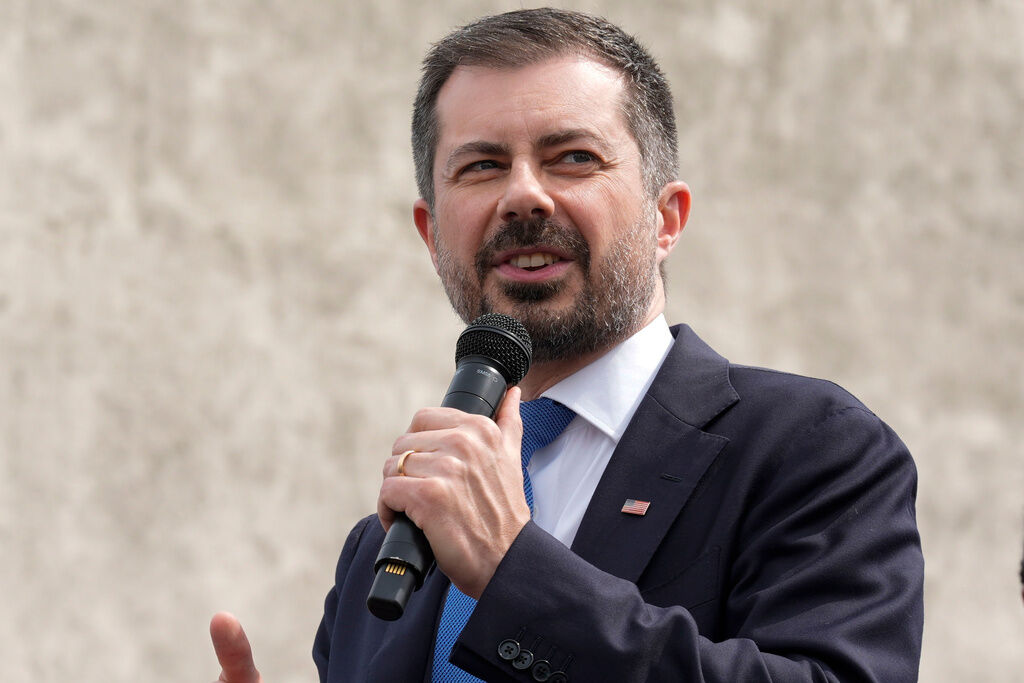
Buttigieg performs best among Democrats against Rubio or Vance in possible 2028 contest: Poll
David Zimmermann
david-zimmermann@coloradopolitics.com
Updated 11 hours ago
Former Transportation Secretary Pete Buttigieg appears to be the Democratic Party’s best chance at winning the presidency against Secretary of State Marco Rubio or Vice President JD Vance in 2028, according to a poll released on Thursday. In hypothetical matchups...
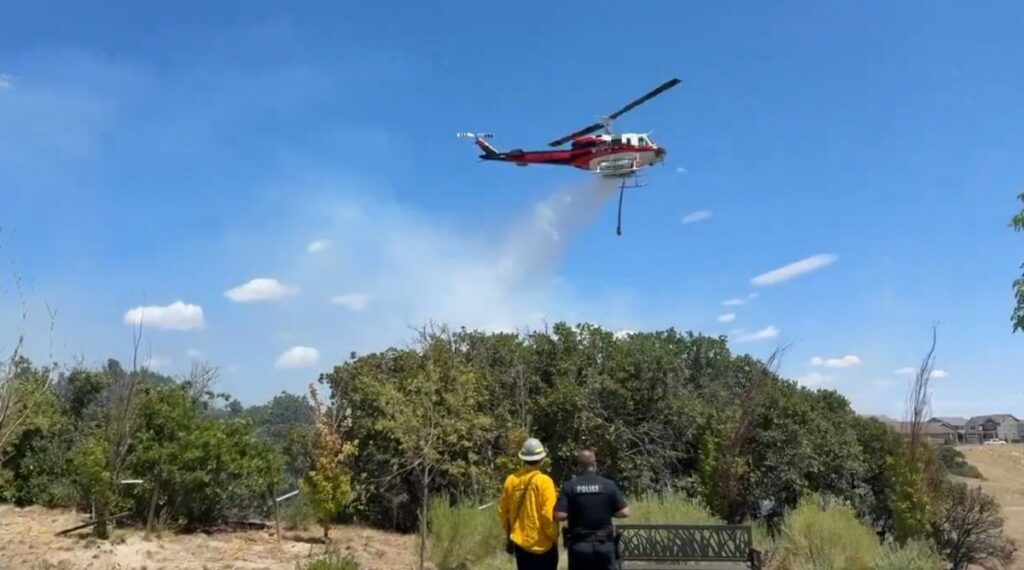
Douglas County moves to Stage 1 fire restrictions following recent rain
Nicholas Fogleman
nicholas.fogleman@denvergazette.com
Updated 9 hours ago
Douglas County has downgraded its fire restrictions from Stage 2 to Stage 1 on Thursday following recent rainfall and moderate fire conditions, according to the Douglas County Sheriff’s Office. The change applies to unincorporated Douglas County, as well as the...
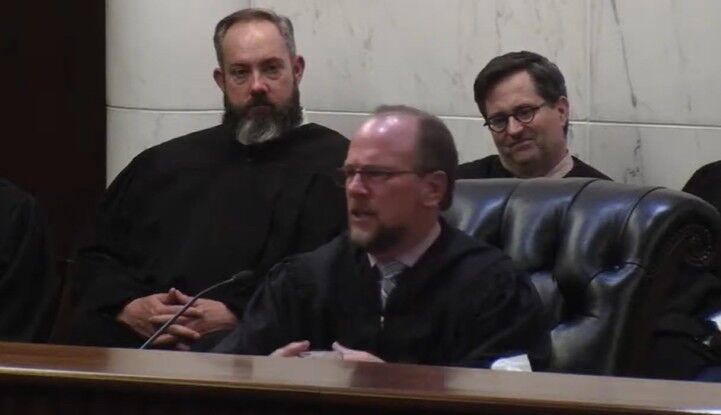
Divided appeals court upholds warrantless DNA collection in Colorado cold case, cautions of government overreach
Michael Karlik
michael.karlik@coloradopolitics.com
Updated 7 hours ago
Colorado’s second-highest court upheld the warrantless collection of a suspect’s DNA from a discarded soda can as constitutional on Thursday, while warning about potential abuse of DNA privacy in the absence of further guardrails. By 2-1, a three-judge Court of...
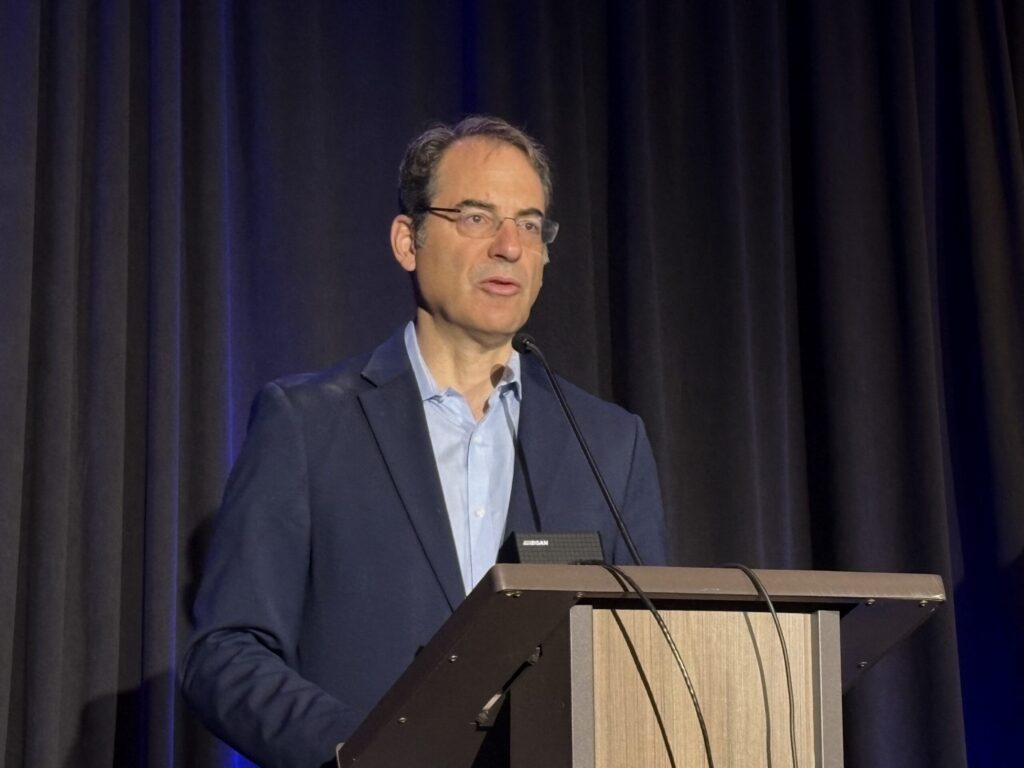
Democratic gubernatorial candidate Phil Weiser promises to appoint rural outreach director, water adviser
Marianne Goodland
marianne.goodland@coloradopolitics.com
Updated 7 hours ago
Democratic gubernatorial candidate and current Attorney General Phil Weiser told the Colorado Water Congress Thursday he intends to appoint a rural outreach director and a water policy adviser should he win the election in November. Weiser’s speech at the Steamboat...
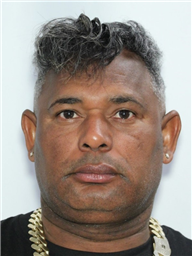
Man charged in Northglenn homicide of wife
Matt Kyle
matt.kyle@denvergazette.com
Updated 9 hours ago
A man has been formally charged with murder and burglary relating to a homicide last week in Northglenn. Alexei Munive-Rodriguez, 48, was arrested Sunday after he was at large following the homicide, which occurred Friday. Police were dispatched around 10:30...
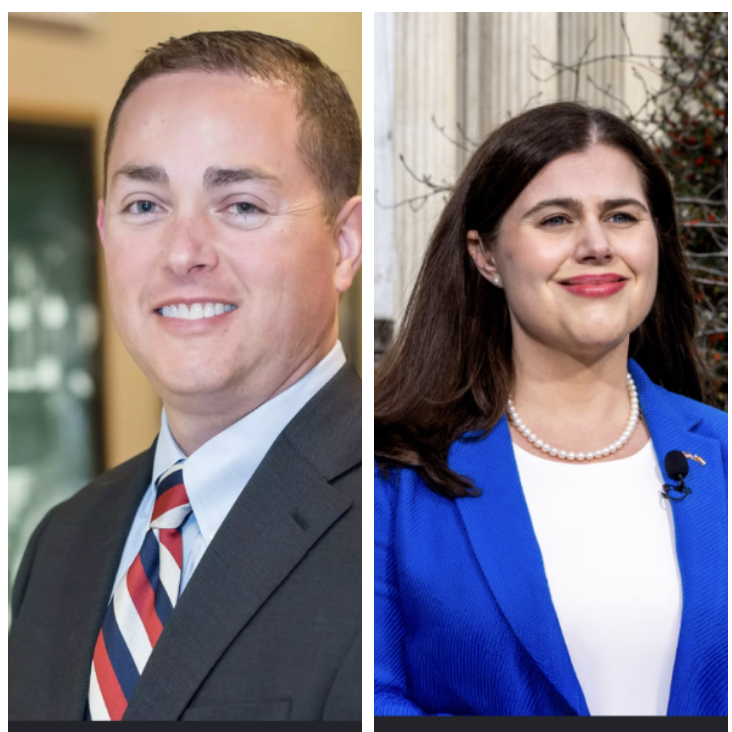
Attorney General candidates present priorities at Colorado Water Congress
Marianne Goodland
marianne.goodland@coloradopolitics.com
Updated 8 hours ago
The two major-party candidates for attorney general — Republican Michael Allen, the district attorney for Teller and El Paso counties, and Democratic Secretary of State Jena Griswold — on Thursday outlined their priorities at the Colorado Water Congress. Griswold attended...

US aircraft carrier arrives in Middle East, relieving long-deployed USS Lincoln
The Associated Press
the-associated-press@coloradopolitics.com
Updated 12 hours ago
WASHINGTON (AP) — The Asia-based USS George Washington aircraft carrier is now operating in the Middle East, the U.S. military said Thursday, relieving a long-deployed carrier following reports of mental health challenges and supply shortages aboard while it was supporting...

Denver named finalist for 2028 Democratic Convention site
Thelma Grimes
thelma.grimes@coloradopolitics.com
Updated 7 hours ago
The Mile High City competes with Boston and Philadelphia The list of cities being considered to host the 2028 Democratic National Convention has narrowed even further, with Denver making the cut as one of the final three, along with Boston...
PREV
PREVIOUS

Colorado Republicans elect Dave Williams to lead state party for next two years
Colorado Republicans on Saturday elected Dave Williams, a former state lawmaker from Colorado Springs who insists that former President Donald Trump won the 2020 presidential election, to lead the state party for the next two years. “We need a wartime leader who will boldy articulate our conservative, America-first agenda while going toe-to-toe with the radical […]

Warning signs aplenty in modern media | SONDERMANN
It is rarely a good sign when the news media becomes the news. Eric Sondermann Yet that is happening with growing regularity. Consider this another disturbing symptom of our overly heated, aggrieved, polarized times. At the end of January, Leonard Downie, Jr., former executive editor of the Washington Post, wrote an opinion column for that […]