

House signs off on recall bill but with major changes

The bill that would have restricted who could run as a candidate to replace a recalled official, and which raised questions of constitutionality, won a bipartisan vote in the House Thursday, but only after major changes.
As introduced, House Bill 1185 would limit who can run as a candidate to replace a recalled official, if the election is for a partisan seat. Under the measure as introduced, only a person from the same party could be a candidate for a recalled seat.
If a seat is held by an unaffiliated official who is recalled, the candidate for that seat would also have to be unaffiliated under the bill.
The measure, which also dealt with municipal elections, was seen by critics as a preemptive strike, should gun rights groups decide to launch recalls of Democrats supporting the gun control bills currently working their way through the General Assembly.
In 2013, two Senate Democrats, including then-President John Morse of Colorado Springs, were recalled because of votes on gun control measures. Morse and then-Sen. Angela Giron of Pueblo were recalled and then replaced by Republican candidates.
According to the National Conference of State Legislatures, recalls were first established by a municipality in 1903 and in Oregon and Michigan in 1908.
Initially, recalls were set up to allow voters to remove an elected official who was either incompetent or unresponsive, but over the past 15 years in Colorado recalls have been launched more around how an elected official votes on an issue.
But limiting the candidates who could run to replace a recalled official in a partisan election, as was initially proposed in HB 1185, raised concerns around constitutionality. Colorado GOP chair Kristi Burton Brown told Colorado Politics that the bill was “the Democrats way of preventing citizens from speaking through a recall. The point of a recall is to allow a new person to represent them, and sometimes that’s a person of a different political party.”
The bill has a second section dealing with municipal elections and what happens when so many members of a city or town council resign that it becomes challenging to figure out who can call an election.
This is the situation in Walsenburg, where the entire city council and mayor are facing a recall, which if successful could leave the town without any means to appoint replacements. In Florence, the entire city council resigned a year ago over allegations of corruption, leaving only the mayor and questions about how to replace those six council members.
HB 1185 would allow the city or town clerk to call an election in the absence of a quorum.
But it’s the bill’s language over recalls of partisan elected officials that got the bill into trouble. Initially, the bill had a Republican co-sponsor, Rep. Don Wilson of Monument, who previously served as mayor of Monument. But the language over restrictions on who could run in a recall election caused him to drop off.
The solution? Strike, in its entirety, the section on partisan recall elections, an amendment offered by Wilson and supported by prime sponsor Rep. Lindsey Daugherty, D-Arvada.
Wilson said this week that the bill’s original intent was around the issues at the municipal level. He didn’t feel the section on partisan recalls fit well within the bill. What was added was not going to be beneficial to anyone, and Wilson said that was an opinion shared on both sides of the aisle.
Daugherty told Colorado Politics her intention in including the recall language was to take politics out of the recall process.
“When you’re talking about recalls, a recall should be about the ethics of a person, someone in office…doing something so they can’t represent the people,” she said. “It shouldn’t be about another party. That would take the politics out of recall and left to the majority of the voters to decide.”
However, Daugherty, an attorney, said she also looked at state case law, which also raised concerns for her. “It’s important not to pass legislation that could be struck down” by the state Supreme Court, she added.
HB 1185 won a 48 to 14 vote on Wednesday, including “yes” votes from Wilson and five other Republicans. It now heads to the Senate.


Colorado Supreme Court signals intervention in dispute over treatment for trans children
Michael Karlik
michael.karlik@coloradopolitics.com
Updated 5 hours ago
The Colorado Supreme Court ordered Children’s Hospital Colorado on Tuesday to explain why it should not direct the organization to resume providing certain types of services to transgender children in compliance with the state’s non-discrimination law. Last month, a Denver...

Trump faces first domestic test on Iran conflict with Senate war powers vote
Ramsey Touchberry, Washington Examiner
ramsey.touchberry.washington.examiner@gazetteedit.wpenginepowered.com
Updated 6 hours ago
Administration officials are scrambling to sell members of Congress on President Donald Trump’s military operations in Iran ahead of bipartisan attempts to limit his war powers in the Middle East without approval from lawmakers. The Senate and House are set...
Supreme Court hands California parents win over secret gender transition policy
Jack Birle, Washington Examiner
jack.birle.washington.examiner@gazetteedit.wpenginepowered.com
Updated 6 hours ago
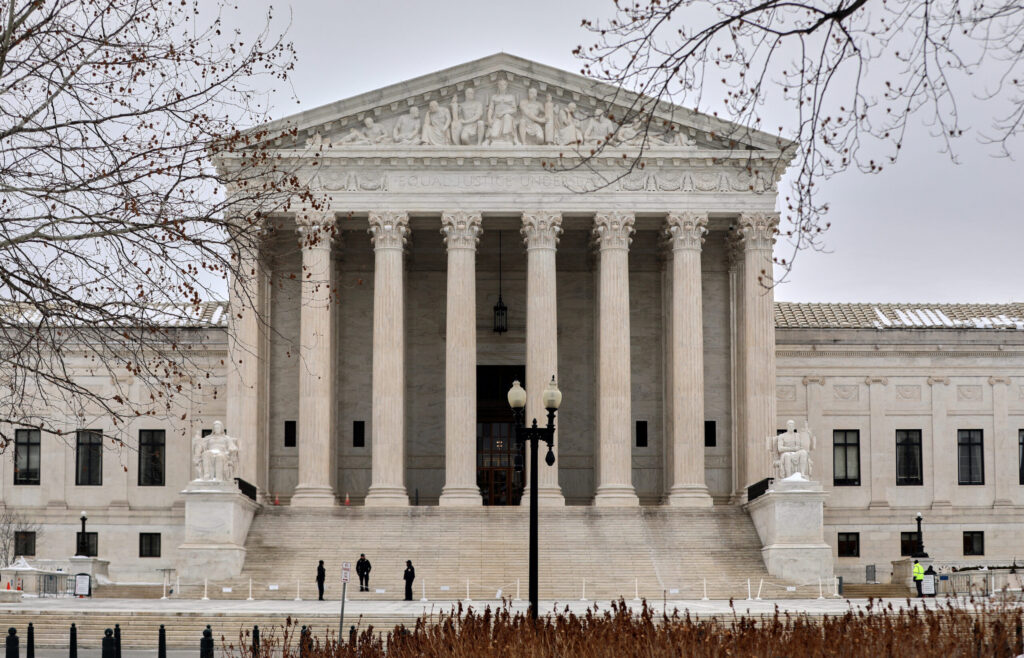
The Supreme Court gave California parents a significant victory late Monday when it kept in place a lower court’s block of the Golden State’s public school policy hiding students’ gender identity and preferred pronouns from parents. A 6-3 majority on...

Judge nixes latest policy requiring 7 days’ notice for Congress members to visit ICE facilities
Michael Kunzelman
michael.kunzelman@associatedpress.com
Updated 6 hours ago
WASHINGTON (AP) — A federal judge agreed on Monday to temporarily suspend the latest version of a Trump administration policy that requires members of Congress to provide a week’s notice before they can visit immigration detention facilities. U.S. District Judge...
Judge nixes latest policy requiring 7 days’ notice for Congress members to visit ICE facilities
Michael Kunzelman
michael.kunzelman@associatedpress.com
Updated 4 hours ago
WASHINGTON • A federal judge agreed on Monday to temporarily suspend the latest version of a Trump administration policy that requires members of Congress to provide a week’s notice before they can visit immigration detention facilities. U.S. District Judge Jia...

Gov. Polis, Upper Basin states criticize federal draft plan for managing the Colorado River
Marianne Goodland
marianne.goodland@coloradopolitics.com
Updated 7 hours ago
With no agreement among the seven Colorado River states and federal deadlines now passed, the Upper Colorado River Commission on Monday sharply criticized the U.S. Department of the Interior’s draft plan for managing the river after current guidelines expire this...
Ballot access, dual-office ban bills move swiftly through Colorado legislature
Marianne Goodland
marianne.goodland@coloradopolitics.com
Updated 8 hours ago
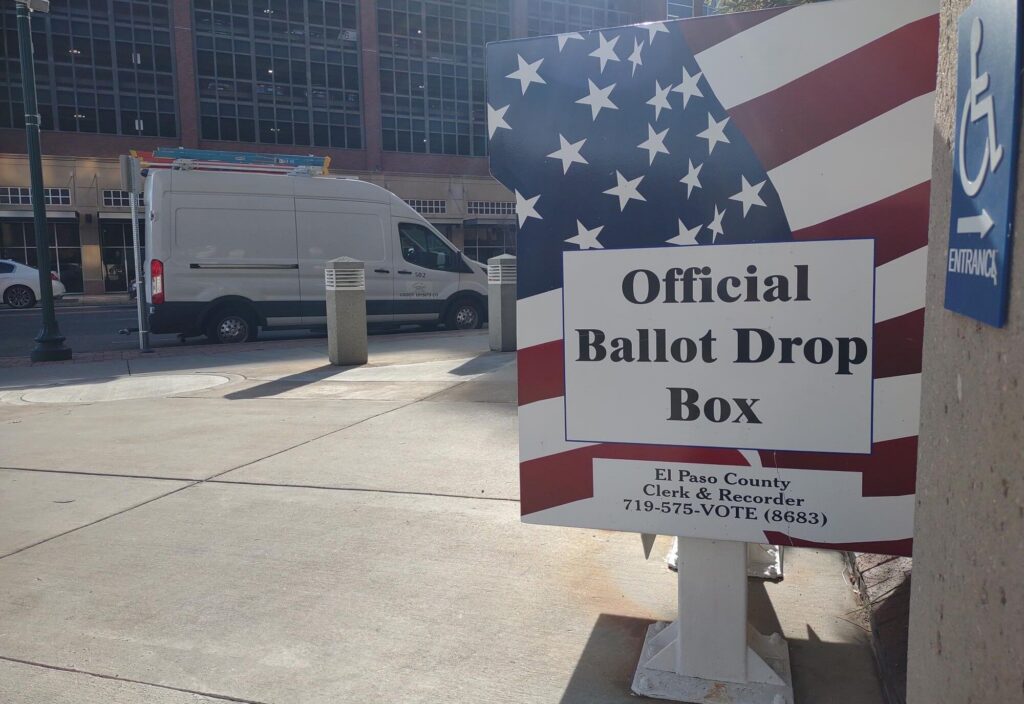
With an eye on the 2026 election cycle and mounting tensions with the Trump administration, Colorado lawmakers are fast-tracking a pair of election bills they say will protect the state’s mail ballot system and tighten rules for elected officials. The...

Colorado GOP chair Brita Horn loses ‘no-confidence’ vote, vows to refocus on ‘mending that divide’
Ernest Luning
ernest.luning@coloradopolitics.com
Updated 2 hours ago
The Colorado Republican Party’s state central committee approved a resolution expressing “no confidence” in state chair Brita Horn in a landslide late Monday night near the end of an online meeting marked by rancor and confusion. Almost 80% of the...

Trump to attend White House Correspondents’ Dinner for first time as president
Washington Examiner Staff, Washington Examiner
washington.examiner.staff.washington.examiner@gazetteedit.wpenginepowered.com
Updated 10 hours ago
President Donald Trump announced on Monday that he accepted an invitation to this year’s White House Correspondents’ Dinner. It would mark the first time Trump has attended the dinner, in either term, since he’s been president. Trump announced the decision...
Primary rival sues to prevent Democrat Eileen Laubacher from going through assembly in Colorado’s 4th CD
Ernest Luning
ernest.luning@coloradopolitics.com
Updated 13 hours ago
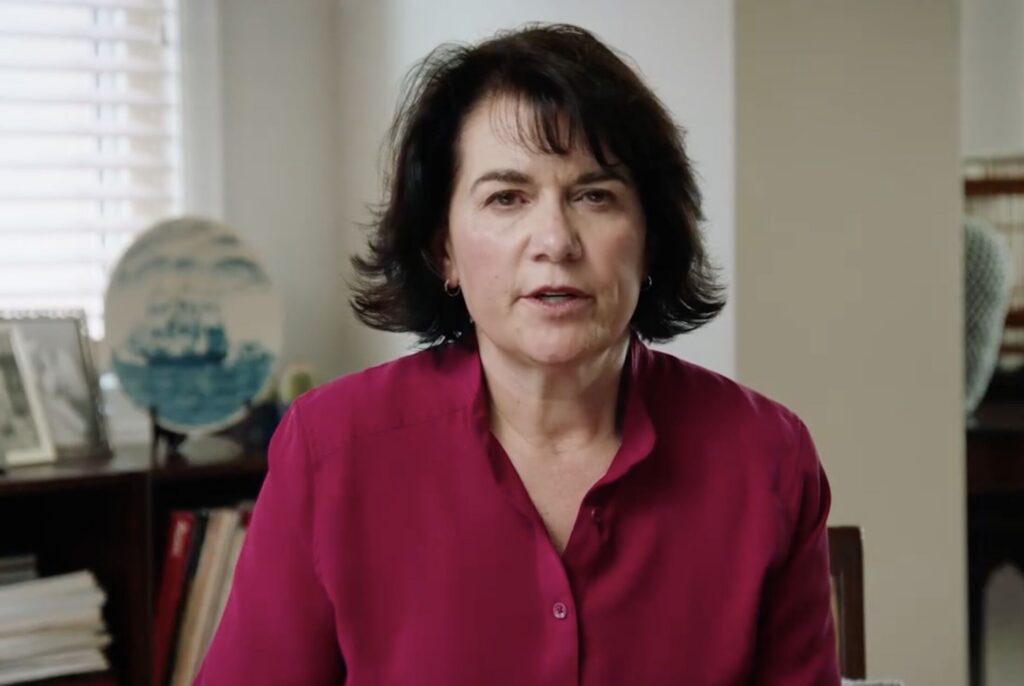
Democratic congressional candidate Trish Calvarese on Monday asked a judge to prevent one of her primary rivals, Eileen Laubacher, from participating in the caucus and assembly process to seek the nomination to challenge Republican U.S. Rep. Lauren Boebert in Colorado’s...
PREV
PREVIOUS

State Supreme Court takes up 2 drunk driving appeals, case about campus sexual misconduct
The Colorado Supreme Court on Monday agreed to review three appeals that implicate the state’s drunk driving laws and the legal obligation of universities to conduct fair investigations into alleged sexual misconduct. At least three of the court’s seven members must consent to review a case. One appeal raises yet another angle in the long-running fallout […]

Colorado's Mount Evans name change hits mysterious snag in final hour
The renaming of Colorado’s Mount Evans was abruptly halted Thursday just as the controversial issue appeared to be on a steady uphill climb. The U.S. Board on Geographic Names scheduled the final vote Thursday to change the name of Colorado’s 12th highest peak, Mount Evans, to Mount Blue Sky. But a “request from a tribal […]