

Xcel buys into 100-hour iron-air grid battery project

New battery technology for storing electricity from renewable sources that could provide grid-stabilizing power for up to 100 hours – a substantial improvement over the 4-to-6-hour capacity of existing technology – is coming to Xcel Energy’s Colorado power network, the company announced this month.
Xcel said it is partnering with Form Energy, an energy storage technology company, to build a 10-megawatt commercial demonstration project at the soon-to-be shuttered Comanche power plant site near Pueblo.
High energy bills? Colorado’s energy regulators want to hear from public
“With increasing amounts of renewable energy generation, the electric grid now faces a challenge: how to manage the multi-day variability of renewable energy without sacrificing reliability or cost,” said Mateo Jaramillo, co-founder and CEO of Form Energy in a statement to The Denver Gazette.
Weather-dependent generating resources are by nature intermittent – and that’s not good for a power grid, which requires stable energy every day all year long.
Form’s technology uses rusting iron that can be regenerated and recharged to generate electricity, an improvement on a phenomenon well known to physics. Metal-air batteries have been experimented with for years. Form has developed the technology into what it says will be a utility-scale solution to the intermittency of power generated by wind turbines and solar panels.
“As we build more renewable energy into our systems, our partnership with Form Energy opens the door to significantly improve how we deliver carbon-free energy so that we can continue to provide reliable and affordable electric service to our customers well into the future,” said Bob Frenzel, chairman, president and CEO of Xcel Energy.
Suncor released potentially unhealthy levels of benzene into Sand Creek after December fire
Most utility-scale battery technologies on the market can only provide 4 to 6 hours of energy storage at full rated power. While this is adequate for some circumstances, recent severe weather events – ranging from heat waves to cold snaps to thousand-year rains – have hampered the electric grid.
Utility-scale lithium batteries can charge and discharge very quickly, which for grid use provides “peaking” capacity that can quickly pick up spikes in electrical load to help keep the grid stable. But they are short-lived and also expensive, according to Form.
When renewable generation fails for longer periods, a steadier flow of electricity is needed that’s usually provided by fossil fuel-fired generators.
Form said the battery bank footprint uses about half an acre of land per megawatt and higher density configurations could provide more than 3 megawatts per acre.
Jaramillo said its system will be able to store energy at less than 1/10th the cost of lithium-ion battery technology and could be online by 2025.
Proposals advance for Colorado wildfire-detecting cameras, forestry workforce expansion



Eagle County leads the way in fire mitigation as winter drought deepens
Rachael Wright, Special to Colorado Politics
rachael.wright@coloradopolitics.com
Updated 17 hours ago
In 2011, Eagle County had what it considered a robust Community Wildfire Protection Plan (CWPP), which it developed and then discussed with community leaders. But after the devastation wrought by the 2020 fire season, in which three fires — Cameron...

More people are now leaving Colorado than moving here from other states | Vince Bzdek
Vince Bzdek
vince.bzdek@gazette.com
Updated 1 day ago
By Vince Bzdek It’s finally happened. Buried in all the self-congratulatory reports about Colorado reaching the 6 million mark in population last year was news that should be keeping our political leaders up at night. For the first time in...

Colorado state legislator plans introduction of victim compensation bill | A LOOK BACK
Rachael Wright, Special to Colorado Politics
rachael.wright@coloradopolitics.com
Updated 4 days ago
Forty-Five Years Ago This Week: “People to whom I’ve talked to say, ‘Yes’,” said Sen. Barbara Holme, D-Denver, “victims of crime should be compensated.” Holme said she would introduce a victim compensation bill in the upcoming legislative session, but the...
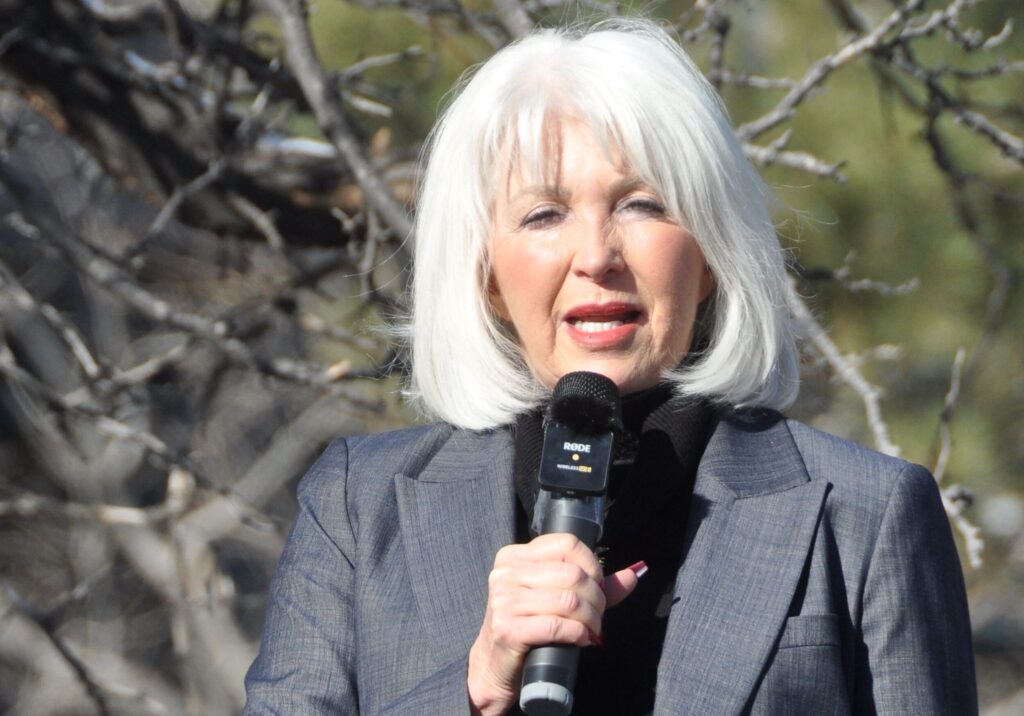
The governor and the inmate: Trying to make sense of Polis and Peters | SONDERMANN
By Eric Sondermann
by-eric-sondermann@coloradopolitics.com
Updated 4 days ago
Amidst the excess of news and outrage competing for our attention, much time and oxygen have been expended in trying to make sense of Jared Polis’s angst-ridden consideration of a sentence reduction for Tina Peters, former county clerk and now...

Colorado Politics Calendar Feb. 2-8
Rachael Wright, Special to Colorado Politics
rachael.wright@coloradopolitics.com
Updated 4 days ago
CoPo’s weekly political calendar will help you find political and public-policy events throughout Colorado. It includes candidate and issue campaign events, public policy meetings, court hearings, state and local party conventions, assemblies, debates, rallies, parades, speaking engagements, traveling dignitary appearances,...

Federal judge green-lights excessive force trial against Fort Collins officers
Michael Karlik
michael.karlik@coloradopolitics.com
Updated 2 days ago
A federal judge concluded last week that a jury will need to resolve whether two Fort Collins police officers violated a man’s constitutional rights by using excessive force after he refused to accept a citation. In a Jan. 21 order,...
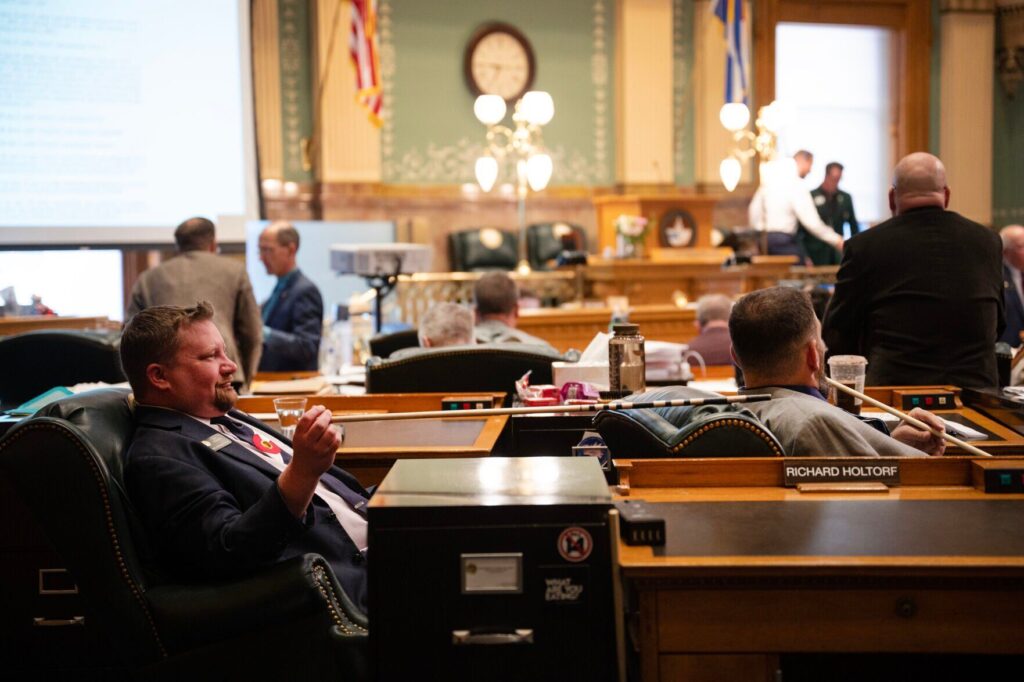
Colorado House launches ethics review of Rep. Ron Weinberg filed by fellow GOP legislator
Marianne Goodland
marianne.goodland@coloradopolitics.com
Updated 2 days ago
The Colorado House will convene an ethics committee to review a complaint filed by Rep. Brandi Bradley, R-Roxborough Park, against fellow Republican Rep. Ron Weinberg, R-Loveland. It will be the first time since 2012 that the House has formed an...

Colorado lawmakers reverse course, OKs $2.4M funding for additional prison beds
Marissa Ventrelli
marissa.ventrelli@coloradopolitics.com
Updated 2 days ago
The Colorado legislature’s budget panel changed course on Wednesday, reversing its previous decision to deny the Department of Corrections $2.4 million request to pay for additional prison beds. Last week, JBC members voted, 4-2, to deny the department’s request, with...
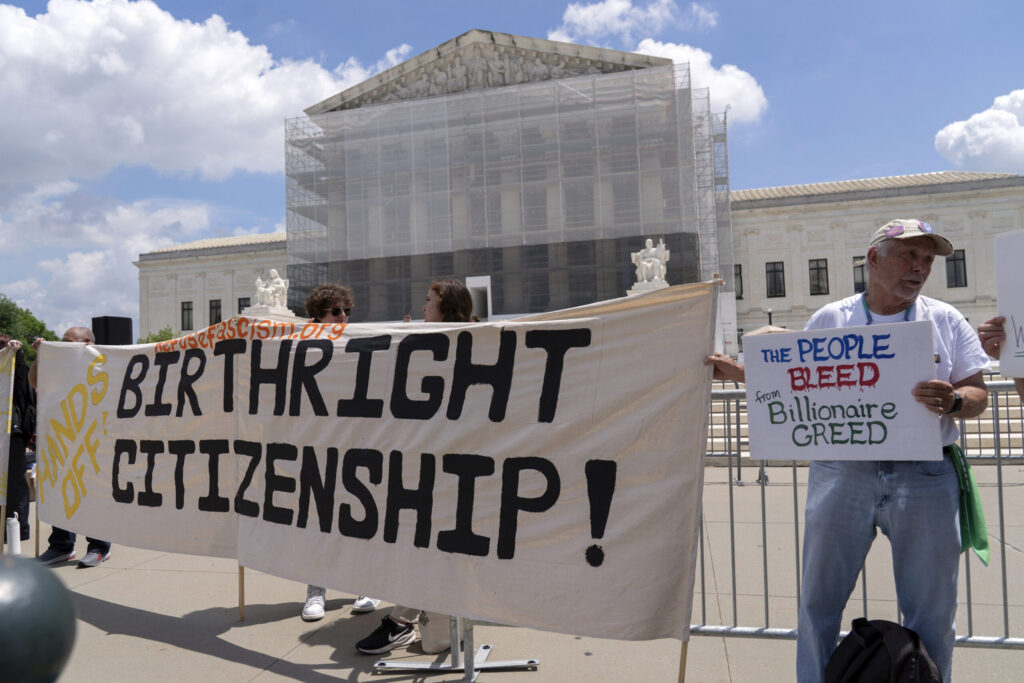
Trump allies urge Supreme Court to uphold his birthright citizenship order
Jack Birle, Washington Examiner
jack.birle.washington.examiner@gazetteedit.wpenginepowered.com
Updated 2 days ago
The Supreme Court will soon hear a landmark challenge over precisely who can enjoy the birthright citizenship granted under the 14th amendment, and the Trump administration and its allies are urging the high court to side with the president’s view....

Trump sues IRS and Treasury for $10 billion over tax return leak
David Zimmermann Washington Examiner
davidzimmermannwashingtonexaminer@wpstage.coloradopolitics.com
Updated 2 days ago
President Donald Trump filed a $10 billion lawsuit against the IRS and Treasury Department as one of the plaintiffs on Thursday, alleging a former IRS employee leaked his confidential tax records over six years ago. The federal lawsuit, filed in...
PREV
PREVIOUS

New Colorado business filings soar in Q4 2022
The number of new business filings soared to record levels in the fourth quarter, showing strong state economy heading into 2023. The state also had significant job growth to end 2022, according to the Quarterly Business and Economic Indicators report released Monday by the University of Colorado Boulder Leeds Business Research Division and Colorado Secretary […]

Denver homicides decreased in 2022 for first time in years, but youth violence level still a concern
Homicides in Denver decreased in 2022 after two years of increases. But December saw more than the average for the year, and teenage victims and suspects continue to worry officials. Denver police counted 88 homicides last year, down from 96 in 2021. Nine were tallied in December. “It’s not a number that we’re happy with, […]