

California refuses to sign onto Colorado River states’ proposal for usage reductions
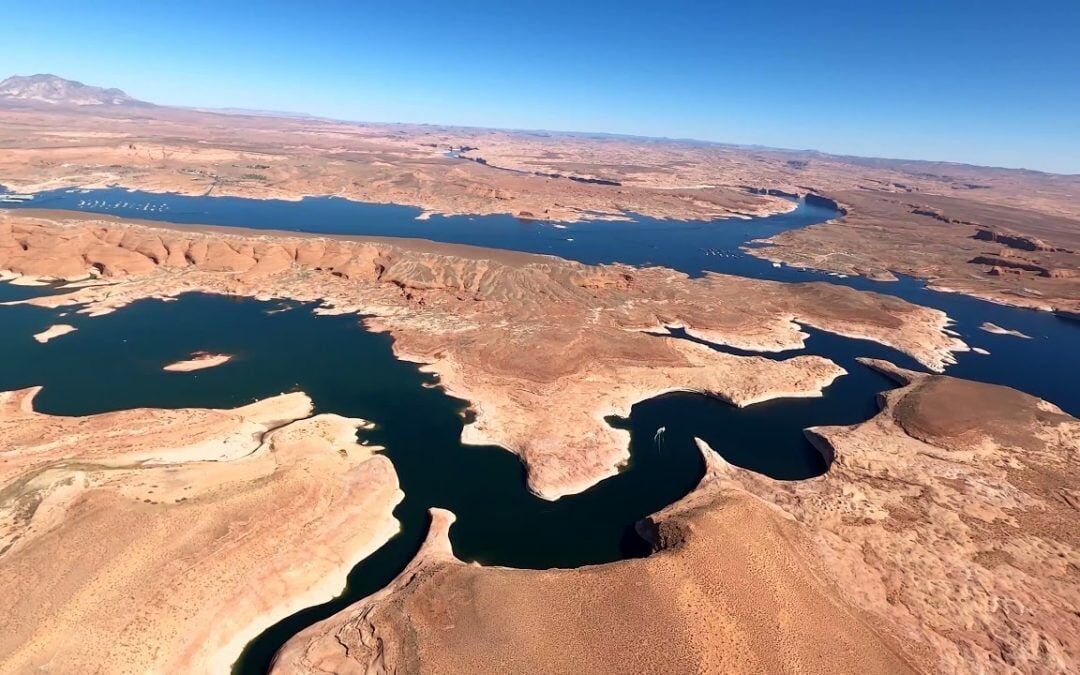
Colorado and five other Colorado River states have reached a consensus on how they plan to reduce their water usage, the states announced Monday.
California, notably, is not a part of the consensus.
The proposal, which the states will submit to the federal Bureau of Reclamation, suggests changes to the criteria for Colorado River usage reductions, including operating guidelines for Glen Canyon Dam at Lake Powell and Hoover Dam at Lake Mead.
The states had until Tuesday to establish major cutbacks in water use.
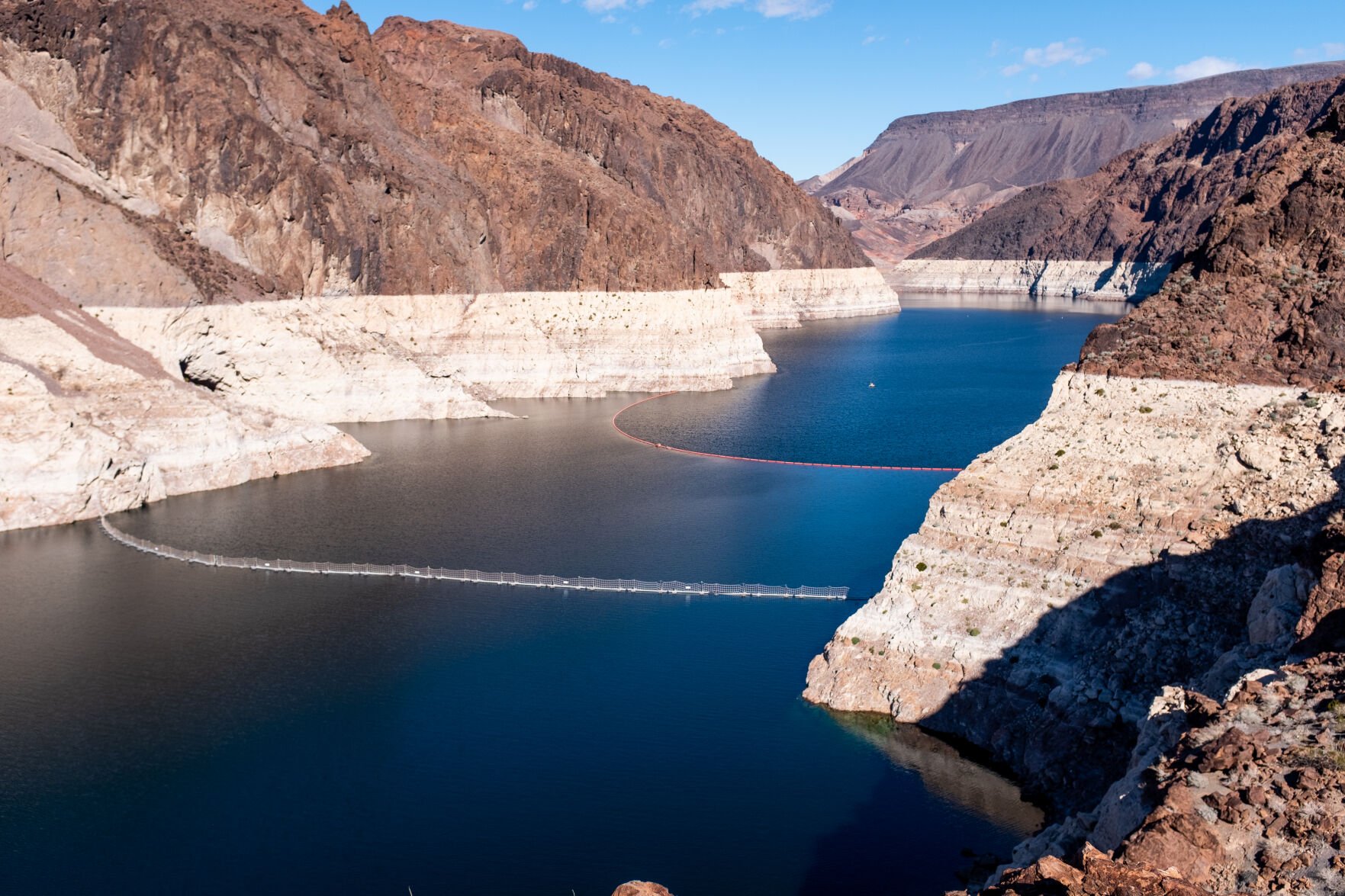
The proposal is being submitted at a time when federal pressures to reduce water use are high and the river system nears catastrophe, with lakes Mead and Powell approaching critical levels. The Colorado River has been listed as the most endangered river in the U.S., according to a report from the nonprofit organization American Rivers.
The proposal was signed by Colorado, Arizona, Nevada, New Mexico, Utah and Wyoming – but not California, drawing criticism from U.S. Sen. Michael Bennet, D-Colo., who called the state’s decision “deeply disappointing.”
“We are facing the most serious drought in 1,200 years,” Bennet said in a statement. “California must step forward and be part of the solution. For too long, the other six states, and particularly the Upper Basin, have carried the burden of this historic drought.”
The Colorado River supplies water to 40 million people in two countries, seven states, 29 federally recognized Indian tribes, and 4 million acres of farmland. But its ability to provide that water faces a serious challenge following 22 years of drought and a drier climate that reduced its annual flow from 16.4 million acre-feet (MAF) to around 14.5 MAF on average since 2000.
The proposal by the six states calls for reduced releases from lakes Powell and Mead, and additional combined reductions of 250,000 acre-feet and 200,000 acre-feet at two Lake Mead elevations to Arizona, California and Nevada.
The federal government is expected to evaluate and incorporate the proposal into a Supplemental Environmental Impact Statement to update operation guidelines originally established in 2007.
The river originates high in Colorado’s Rocky Mountain National Park and collects water from major tributaries that then flows through a seven-state river system. The basin is split into two regions: The Upper Basin includes Colorado, Wyoming, New Mexico and Utah; the Lower Basin includes Arizona, Nevada and California.
“We recognize that over the past twenty-plus years there is simply far less water flowing into the Colorado River system than the amount that leaves it, and that we have effectively run out of storage to deplete,” the states say in their proposal, pledging continued collaboration with the federal government, water users, Basin tribes and others.
Last year, when the river was confirmed to be at its driest period in 1,200 years, the federal government asked the seven river states to reduce water use by 2 million to 4 million acre-feet. The discussions were hindered by competing priorities and disagreements over the role each state should take in reduction efforts and a consensus was not met.
“I am encouraged today that six states came to an agreement on potential mechanisms to better manage the critical reservoirs on the Colorado River,” Colorado Gov. Jared Polis wrote in a statement. “Increased drought, climate change, and overuse has led to less water in our reservoirs. More must be done to protect the system, and although we did not cause this crisis, I am proud that Colorado is part of the solution.”
“We forged a common vision that will protect the Colorado River and the 40 million people, and more than 30 Tribes, who rely on it,” Bennet said.

Eagle County leads the way in fire mitigation as winter drought deepens
Rachael Wright, Special to Colorado Politics
rachael.wright@coloradopolitics.com
Updated 19 hours ago
In 2011, Eagle County had what it considered a robust Community Wildfire Protection Plan (CWPP), which it developed and then discussed with community leaders. But after the devastation wrought by the 2020 fire season, in which three fires — Cameron...
More people are now leaving Colorado than moving here from other states | Vince Bzdek
Vince Bzdek
vince.bzdek@gazette.com
Updated 1 day ago
By Vince Bzdek It’s finally happened. Buried in all the self-congratulatory reports about Colorado reaching the 6 million mark in population last year was news that should be keeping our political leaders up at night. For the first time in...

Colorado state legislator plans introduction of victim compensation bill | A LOOK BACK
Rachael Wright, Special to Colorado Politics
rachael.wright@coloradopolitics.com
Updated 4 days ago
Forty-Five Years Ago This Week: “People to whom I’ve talked to say, ‘Yes’,” said Sen. Barbara Holme, D-Denver, “victims of crime should be compensated.” Holme said she would introduce a victim compensation bill in the upcoming legislative session, but the...
The governor and the inmate: Trying to make sense of Polis and Peters | SONDERMANN
By Eric Sondermann
by-eric-sondermann@coloradopolitics.com
Updated 4 days ago
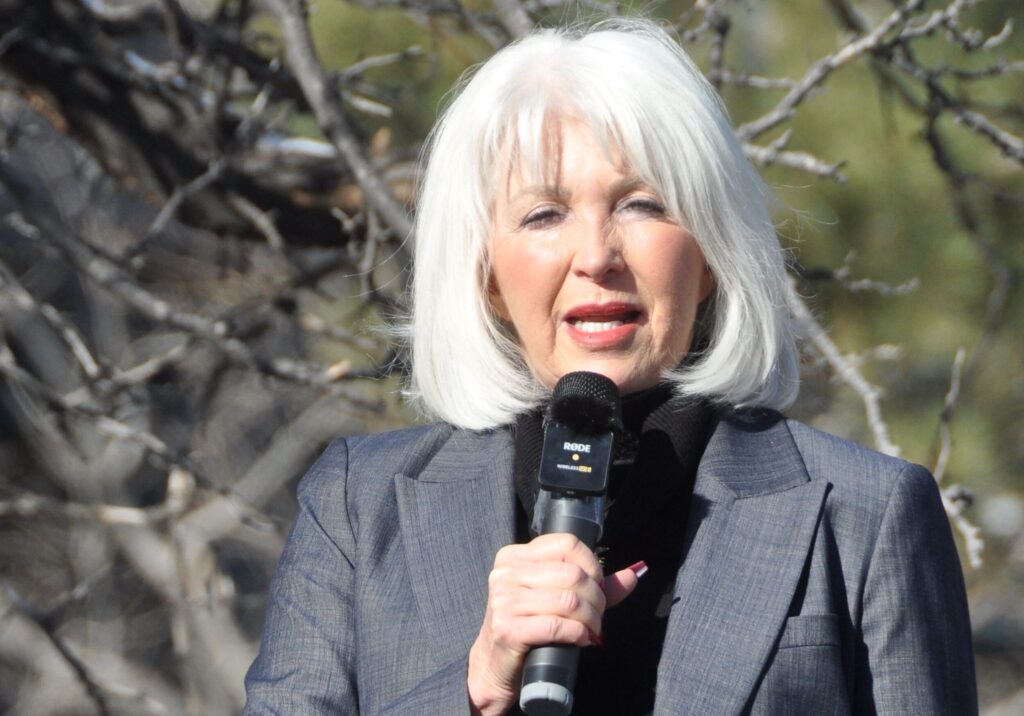
Amidst the excess of news and outrage competing for our attention, much time and oxygen have been expended in trying to make sense of Jared Polis’s angst-ridden consideration of a sentence reduction for Tina Peters, former county clerk and now...

Colorado Politics Calendar Feb. 2-8
Rachael Wright, Special to Colorado Politics
rachael.wright@coloradopolitics.com
Updated 4 days ago
CoPo’s weekly political calendar will help you find political and public-policy events throughout Colorado. It includes candidate and issue campaign events, public policy meetings, court hearings, state and local party conventions, assemblies, debates, rallies, parades, speaking engagements, traveling dignitary appearances,...

Federal judge green-lights excessive force trial against Fort Collins officers
Michael Karlik
michael.karlik@coloradopolitics.com
Updated 2 days ago
A federal judge concluded last week that a jury will need to resolve whether two Fort Collins police officers violated a man’s constitutional rights by using excessive force after he refused to accept a citation. In a Jan. 21 order,...
Colorado House launches ethics review of Rep. Ron Weinberg filed by fellow GOP legislator
Marianne Goodland
marianne.goodland@coloradopolitics.com
Updated 3 days ago
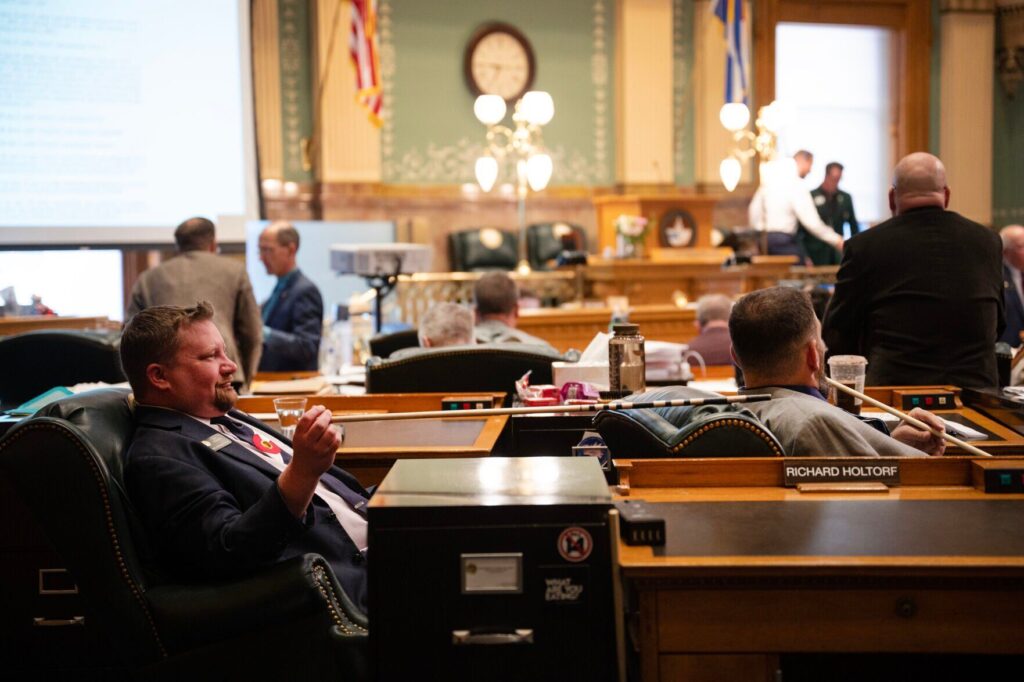
The Colorado House will convene an ethics committee to review a complaint filed by Rep. Brandi Bradley, R-Roxborough Park, against fellow Republican Rep. Ron Weinberg, R-Loveland. It will be the first time since 2012 that the House has formed an...

Colorado lawmakers reverse course, OKs $2.4M funding for additional prison beds
Marissa Ventrelli
marissa.ventrelli@coloradopolitics.com
Updated 2 days ago
The Colorado legislature’s budget panel changed course on Wednesday, reversing its previous decision to deny the Department of Corrections $2.4 million request to pay for additional prison beds. Last week, JBC members voted, 4-2, to deny the department’s request, with...
Trump allies urge Supreme Court to uphold his birthright citizenship order
Jack Birle, Washington Examiner
jack.birle.washington.examiner@gazetteedit.wpenginepowered.com
Updated 3 days ago
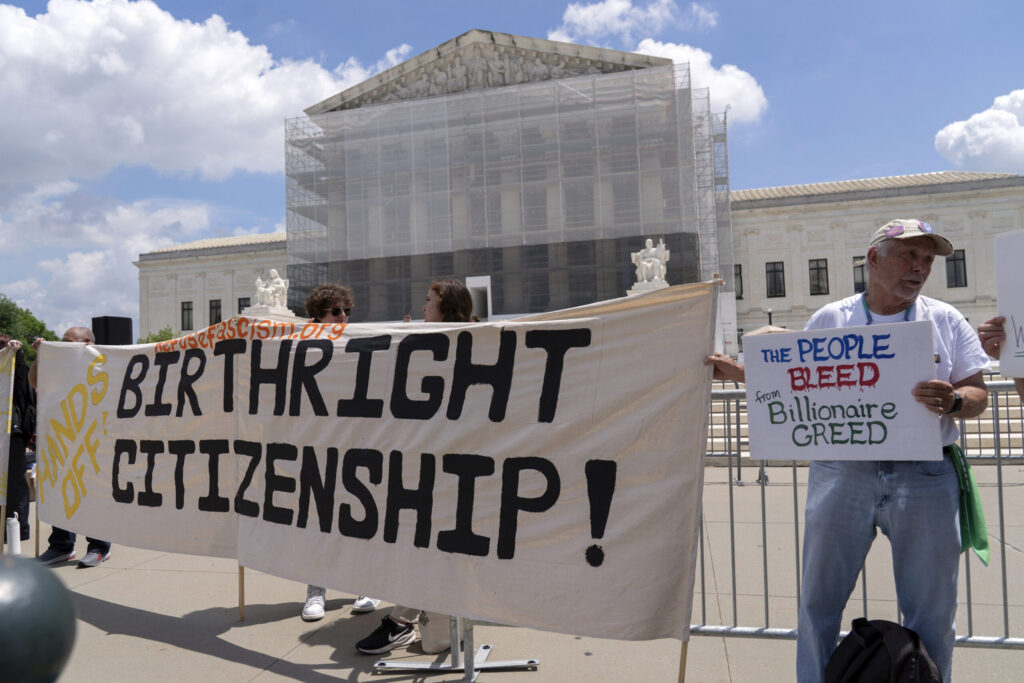
The Supreme Court will soon hear a landmark challenge over precisely who can enjoy the birthright citizenship granted under the 14th amendment, and the Trump administration and its allies are urging the high court to side with the president’s view....

Trump sues IRS and Treasury for $10 billion over tax return leak
David Zimmermann Washington Examiner
davidzimmermannwashingtonexaminer@wpstage.coloradopolitics.com
Updated 2 days ago
President Donald Trump filed a $10 billion lawsuit against the IRS and Treasury Department as one of the plaintiffs on Thursday, alleging a former IRS employee leaked his confidential tax records over six years ago. The federal lawsuit, filed in...
PREV
PREVIOUS

El Paso County Republicans sue Colorado GOP to stop state party from taking over local election
The El Paso County Republican Party sued the Colorado GOP and its chairwoman late Monday in an attempt to block the state party from taking over the local party’s upcoming officer elections. In a lawsuit filed in Arapahoe County District Court, the El Paso County party, along with county GOP chairwoman Vickie Tonkins and a […]

From manufacturer liability to 'assault weapons' ban, Colorado Democrats set sights on gun bills
Just how many gun bills do Democrats intend to support in the 2023 session? The number appears to range from a minimum of seven to as many as a dozen. But it’s unlikely all of those bills, with Democratic sponsors, will reach the governor’s desk, even in a legislature with a Democratic supermajority in the […]