

Colorado’s most famous nature photographer donates life work to public domain

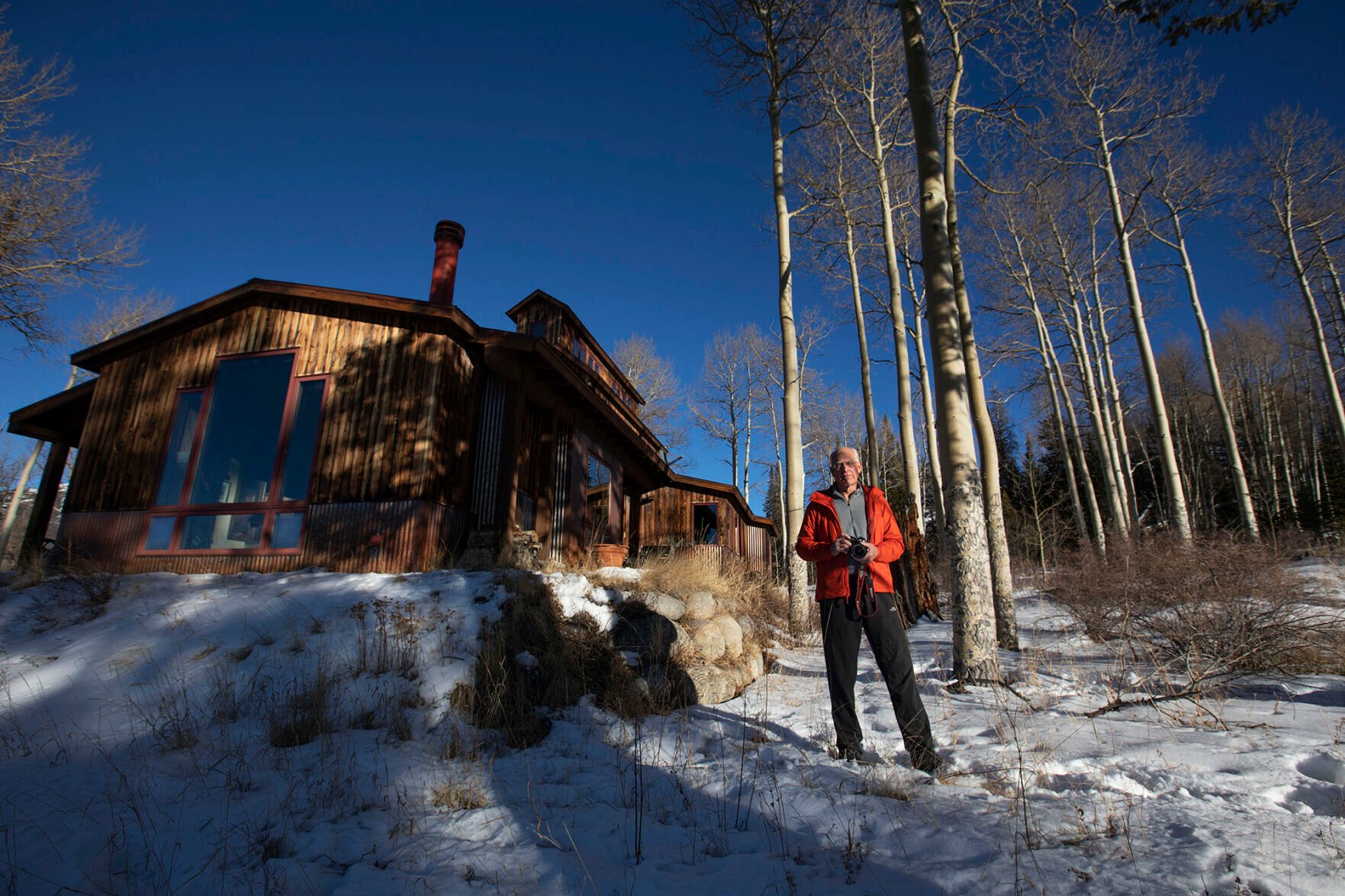
For the past eight months at his home in the Summit County hills, John Fielder spent most every morning and afternoon sifting through photographs tucked away for decades.
They were transparencies from his years of hauling heavy film equipment deep into Colorado’s backcountry. The transparencies needed paring down – duplicates in which the exposure and/or contrast wasn’t quite right. Fielder estimated copies to number around 150,000, with another 50,000 or so from his digital days after 2008.
The countless hours spent sifting, editing and scanning were “enough to whack me,” said Fielder, 72.
It was all for the sake of others.
The state’s most famous nature photographer has arranged the gift of a lifetime: his lifetime of work.
History Colorado, the nonprofit agency preserving and promoting the past, announced Monday that Fielder had donated a massive portfolio spanning the peaks and plains of the state’s nearly 105,000 square miles, compiled from an illustrious career spanning the better part of 50 years.
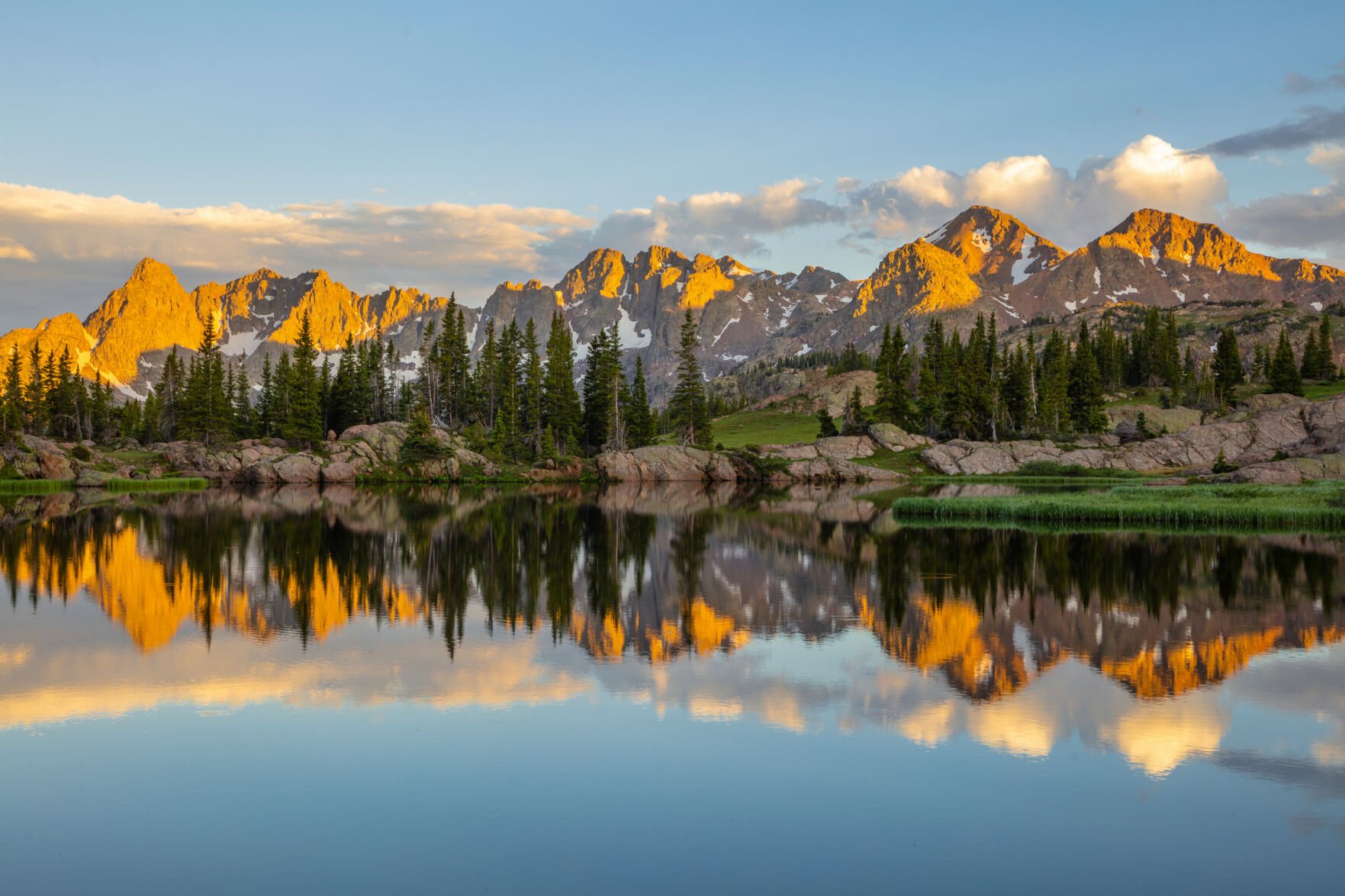
Many have been seen – Rocky Mountain majesty gracing walls, calendars and coffee table books everywhere – and many have been unseen. All of them, more than 5,000 selected from that batch of about 200,000, will be free for personal and commercial use upon History Colorado completing its online hub later this spring.
An exhibit celebrating Fielder’s collection is expected this summer at the History Colorado Center in downtown Denver, added Monday’s announcement.
“The magnitude of John’s donation to the people of Colorado is as breathtaking as the landscapes he captures,” History Colorado Executive Director Dawn DiPrince said in a news release.
The donation was made, she said, “so that future generations might be both inspired in their stewardship and informed of how humanity has impacted these lands we call home.”
Fielder likes the idea of people searching for photos of remote, hard-to-reach places they’ve only ever heard about. Even more, he likes the idea of scientists using the repository “to have a baseline for judging climate change,” he said, “and the impact of global warming in the decades to come.”
Fielder previously collaborated with History Colorado on a seminal work, “Colorado 1870-2000.” The book offered a side-by-side comparison of the new century’s scenery with that captured by William Henry Jackson from the dusty Frontier (and simultaneously showcased the preeminent photographer of the day and the one of now).
Just as the book cemented Fielder’s legacy in 2000, it proclaimed the newer mission of his career: to somehow protect the grandeur he saw being compromised by man-made climate change.
“The deaths of millions of acres of trees because of global warming,” he said. “The proliferation and fecundity of insects that would normally freeze to death in the bark, but now have been able to propagate beyond what they normally would because of global warming.”
And glaciers. “Even though we’re not known for massive glaciers, we still have them. St. Vrain Glacier in the Indian Peaks Wilderness, that thing is almost completely gone. In Rocky Mountain National Park – gone.”
Population growth and development have also obscured the view. In a prior interview with The Gazette, Fielder expressed guilt for his images that had been reaching the masses since starting his career in the 1970s. He realized he was branding and marketing the state’s beauty in a way similar to today’s social media.
“All of those books and calendars did not slow people down” from moving and visiting, Fielder said. “I realized that I was part of the problem.”
He sought to be part of the solution.
Beauty, pain shape life of John Fielder, Colorado’s famous nature photographer
Photography would be his livelihood, yes, but it would also be his way of helping fund and promote causes dear to him, such as clean air and water. Or causes such as the initiative approved by voters in 1992 that created Great Outdoors Colorado, which has used lottery revenues to set aside more than a million acres. In 1993, the Colorado Wilderness Act created 36 federally protected landscapes – landscapes that Fielder spent days, weeks and months exploring to provide inspirational photos to lawmakers.
Fielder has prided himself on hiking, llama-packing, skiing and rafting every nook and cranny of Colorado in search of new sights, better angles and ideal lighting. His daughter, Ashley, has referred to him as “the bionic man” for his tenacity and titanium in his knees and hip.
It was all for the sake of these photos now granted to the public domain.
While people have been a problem, Fielder maintains hope that they can help. “I have come to know that photographs can influence human action,” he said.
And however laborious those countless hours spent sifting, editing and scanning, there was a personal benefit.
“I revisited all these places that define my life, the most sublime places in Colorado,” he said. “That was an incredible treat, living life all over again.”


Garfield County sheriff illegally collaborated with ICE, cease and desist letter claims
Michael Braithwaite
michael.braithwaite@gazette.com
Updated 4 hours ago
A cease and desist letter filed Wednesday alleged that the Garfield County sheriff intentionally violated state law by collaborating with the U.S. Immigration and Customs Enforcement (ICE). The letter, filed by the law firm Towards Justice, claimed that Garfield County...
Male wolf dies after capture attempt, Colorado Parks and Wildlife officials confirm
Marianne Goodland
marianne.goodland@coloradopolitics.com
Updated 8 hours ago
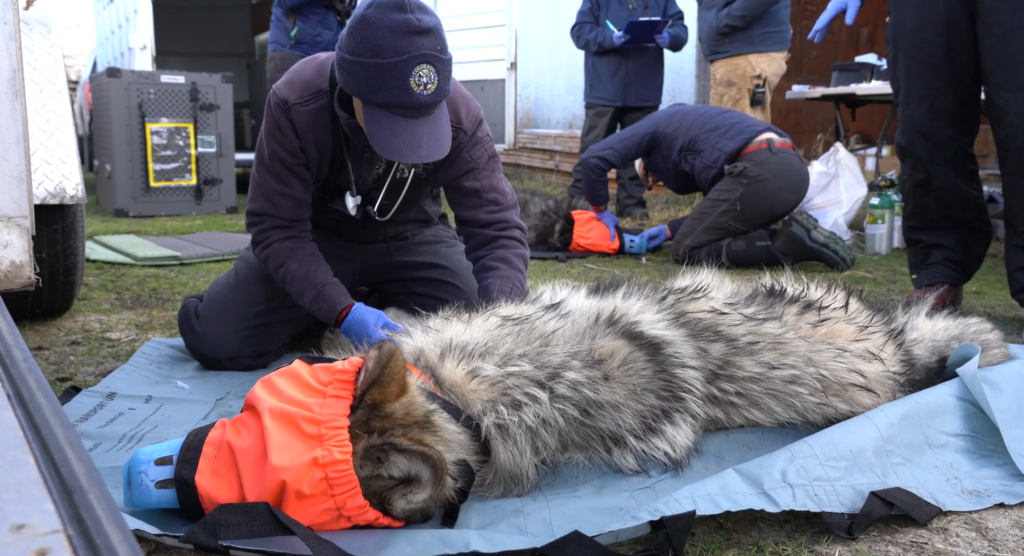
The Colorado Parks and Wildlife said the wolf, identified as #2305 — meaning it was one of the original 10 animals that came from Oregon — died on Jan. 28 in Routt County. The wolf was the male of the...
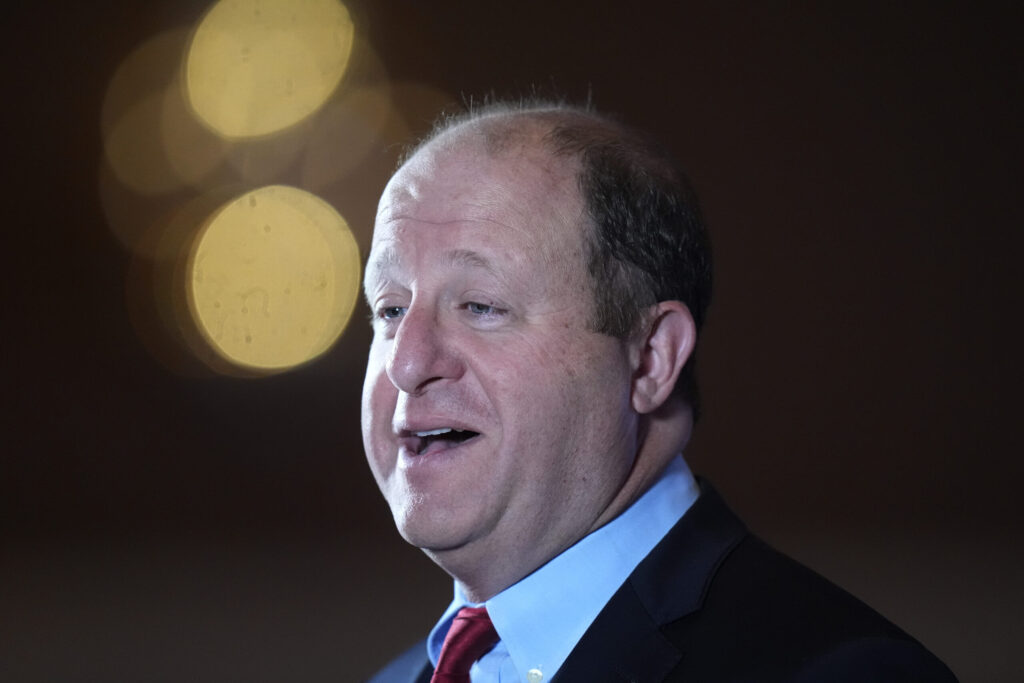
Gov. Jared Polis moves to end ICE subpoena fight over Colorado workers’ personal data
Marianne Goodland
marianne.goodland@coloradopolitics.com
Updated 4 hours ago
The effort by Gov. Jared Polis to comply with an administrative subpoena from U.S. Immigration and Customs Enforcement for information held by several state agencies is over. Polis, in a motion filed Feb. 20, asked for a permanent injunction and...
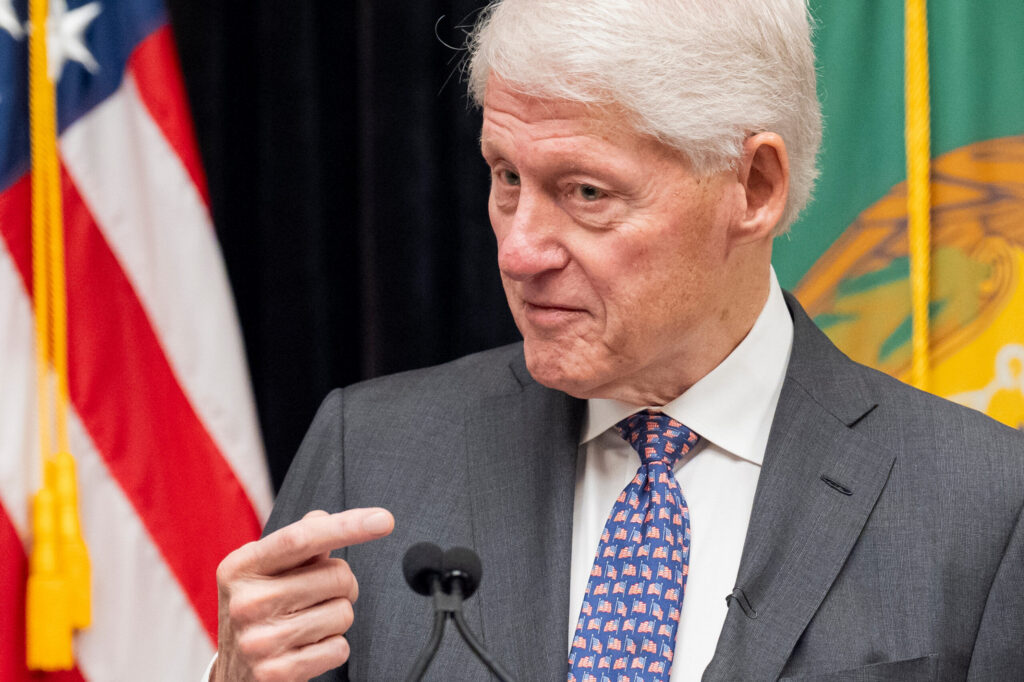
House oversight to grill Bill Clinton about Epstein visiting White House 17 times
Kaelan Deese, Washington Examiner
kaelan.deese.washington.examiner@gazetteedit.wpenginepowered.com
Updated 10 hours ago
Former President Bill Clinton is set to testify Friday before the House oversight committee, where Republicans say they plan to press him about Jeffrey Epstein’s visits to the White House and his past travel aboard the late disgraced financier’s private...

Ex-Colorado Sen. Sonya Jaquez Lewis avoids prison, gets probation for forged ethics letters
Marianne Goodland
marianne.goodland@coloradopolitics.com
Updated 4 hours ago
Former state Sen. Sonya Jaquez Lewis, D-Longmont, was sentenced Friday to two years of supervised probation and 150 hours of community service, and a $3,000 fine, to be waived if she completes an additional 100 hours of community service. The...

Bipartisan bill aims to launch Colorado ‘Cradle to Career’ anti-poverty grant program
Marissa Ventrelli
marissa.ventrelli@coloradopolitics.com
Updated 10 hours ago
The bill’s sponsors say it will help Colorado families living in poverty, and the organizations that support them have cleared their first hurdle, but they will need to raise just over $1 million before things get off the ground. Senate...
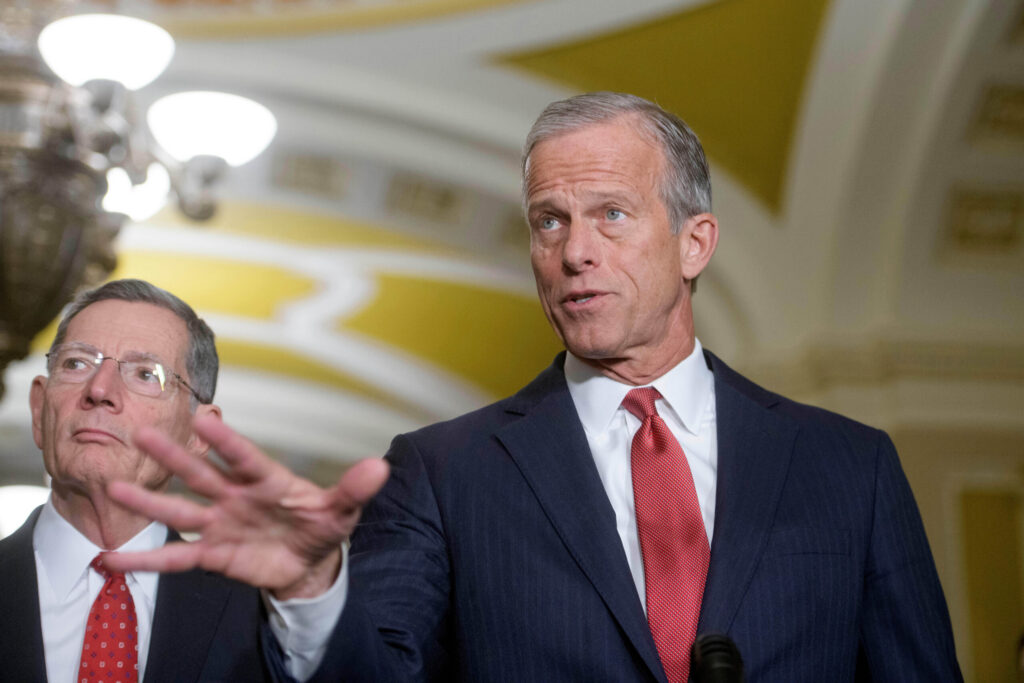
Senate GOP sends warning to House SAVE Act agitators: Don’t tell us what to do
Ramsey Touchberry, Washington Examiner
ramsey.touchberry.washington.examiner@gazetteedit.wpenginepowered.com
Updated 11 hours ago
If there’s one thing senators don’t take kindly, it’s outsiders telling them how to run their chamber. It’s in that spirit that the resistance among Senate Republicans to skirt the traditional 60-vote filibuster threshold and advance the SAVE America Act...
Benavidez chosen to fill Senate District 21 vacancy after Michaelson Jenet resigns
Marianne Goodland
marianne.goodland@coloradopolitics.com
Updated 12 hours ago
A Democratic Senate District 21 vacancy committee Thursday night chose former Rep. Adrienne Benavidez, D-Adams County, to replace former Sen. Dafna Michaelson Jenet. Michaelson Jenet resigned on Feb. 13 to become the director of the David and Laura Merage Foundation...

Colorado delegation’s plus-one picks convey messages at Donald Trump’s State of the Union | TRAIL MIX
Ernest Luning
ernest.luning@coloradopolitics.com
Updated 14 hours ago
It’s become a tradition for members of Congress to deliver messages of their own at the State of the Union address, though this year none of the Colorado lawmakers shouted at the president during the speech, nor did the delegation...
Colorado Democrat John Hickenlooper becomes first statewide candidate to submit nominating petitions
Ernest Luning
ernest.luning@coloradopolitics.com
Updated 14 hours ago
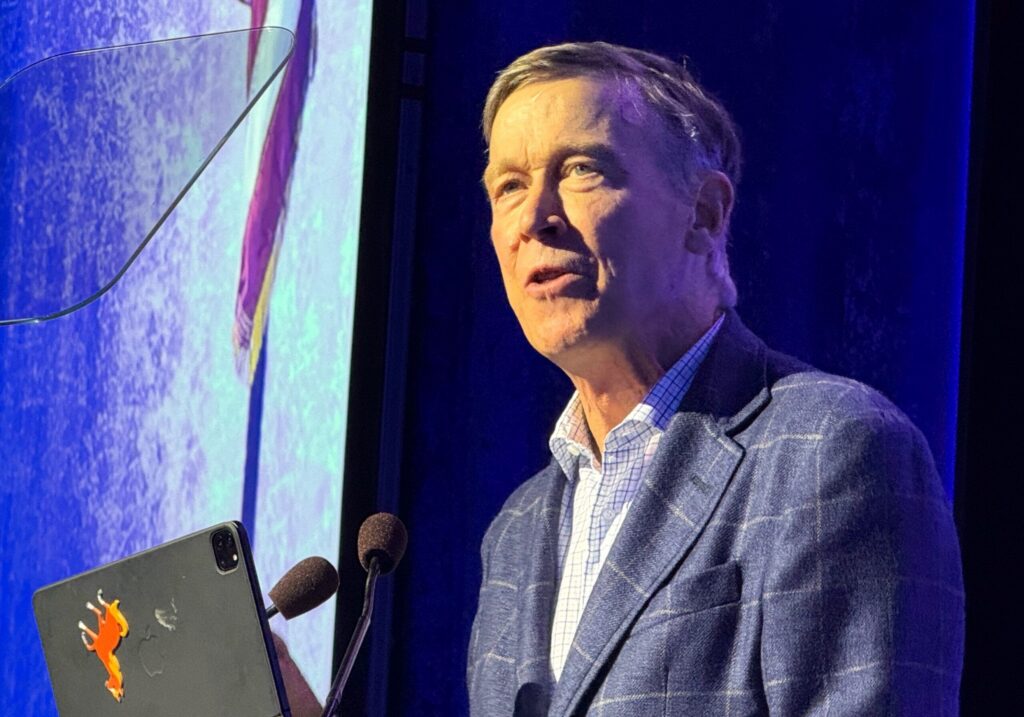
U.S. Sen. John Hickenlooper on Thursday became the first statewide candidate to submit petition signatures for Colorado’s June Democratic primary, according to his campaign and the Colorado Secretary of State’s Office. Seeking reelection to a second term, Hickenlooper is facing...
PREV
PREVIOUS
Bennet, Hickenlooper seek additional funding for Arkansas Valley Conduit
While the federal government has kept the money flowing to the Arkansas Valley Conduit in southeastern Colorado, there’s more to be had, according to Colorado’s two Democratic senators. U.S. Sens. Michael Bennet and John Hickenlooper sent a letter to the commissioner of the Bureau of Reclamation, Camille Touton, seeking additional dollars from either the recent […]

Colorado community colleges could soon issue high school diplomas
A Colorado bill seeking to allow community colleges to award high school diplomas passed its first hurdle on Monday, receiving unanimous approval from a state Senate committee. If passed by the full state legislature, Senate Bill 7 would allow community colleges, area technical colleges and local district colleges to issue high school diplomas to students […]