

GABEL | Ranchers curious how state handles wolf attacks
Meeker rancher Lenny Klinglesmith returned from a trip to Montana last week. It had rained for several days while he was gone, making it too muddy to check the 600 pairs of cows and calves they were preparing to gather off the U.S. Forest Service grazing allotment they have leased for years. Gathering in the fall is followed by weaning the calves and preparing to ship them to the next stop in the value chain, typically a feedyard. The bred cows are then, oftentimes, wintered closer to the ranch headquarters to prepare for winter weather and springtime calving. The fall run refers to the influx of weaned calves sold at sale barns and through online sales across the country. It is many ranchers’ main paycheck for the year.
He and his wife, Jackie, run the LK Ranch. They have a long beneficial relationship with Colorado Parks and Wildlife and were awarded the Landowner of the Year award by CPW in 2012. They have cooperated with CPW to put conservation easements on deeded portions of their ranch, and he also works with Colorado Cattleman’s Ag Land Trust, Habitat Partnership Program and CPW’s Ranching for Wildlife program, a big-game hunting program that provides private client, public drawing and youth hunting opportunities. He was also appointed in 2012 to serve as the landowner/cattleman representative on CPW’s local White River Habitat Partnership Program Committee, a group that works to foster relationships with local landowners to improve wildlife habitats and resolve big game conflicts.
With the passage of Prop 114, he was appointed to the Stakeholders Advisory Group that was convened by CPW. The SAG brings different viewpoints to the table with regards to wolf introduction and proposes considerations to the plans developed by the Technical Working Group, which is made up primarily of conservation and wildlife experts.
Well aware of the need to begin preparing for wolves near his ranch, Klinglesmith had just returned from a CSU-sponsored trip to Montana to learn from two cooperative groups of ranchers who have banded together to learn to coexist with predators.
When they rode through the allotment to check the cattle, the cows were clearly agitated and nervous. The ranch has long used Border Collie working dogs to bring cattle out of rough and brushy terrain and the cows were averse to the familiar dogs. The cows were also in a part of the pasture they could have only accessed over a steep ridge, like they had been pushed that direction.
They found the first dead calf on Oct. 5. The calf weighed more than 600 pounds. The carcass had bite marks and tears on the flank and hind end and had not been eaten.
They rode on and in the next mile-and-a-half, they found 17 more dead calves. The damage, which was confirmed by CPW to be consistent with a wolf attack, included bite marks and tears on the back and face and some calves had their tails pulled off. CPW is still investigating.
There are few small businesses that can sustain a $20,000 loss in a day, but Klinglesmith will have to. He said he was prepared to lose a calf or two, here and there, but to kill 18 head and just leave them lying on the ground is, he said, difficult to coexist with. If CPW determines that it was a result of a wolf attack, he will be compensated for the value of that calf that day.
The language of Prop 114 specifies that CPW compensate ranchers for any losses. The word “any” has been one Klinglesmith has been emphasizing in his work on the SAG. He has been championing a simple compensation model with that little word in mind. He has proposed a compensation program that takes an average death loss, weaning weight and other data that ranchers collect over three years to establish a baseline, and compare it to losses after wolves are present to pay on the difference. Despite many differences of opinion on the SAG, this plan had widespread approval.
Many other states pay on a multiplier formula and there must be a carcass that can be determined by officials to bear evidence of depredation. There are indirect losses as well. Pregnancy rates drop when the presence of predators causes physical sign of stress in the cattle. The all-important weaning weight – the number that determines that one paycheck – is decreased in stressed livestock. The heifers he would have retained to breed and add to his cowherd will not go on to be productive, adding to the calf crop down the road.
Though these wolves are not a part of Prop 114, they are a glimpse into the future. Wolves have already had a significant effect on livestock producers in the state and CPW has not released a single one yet. Voters approved the measure, but they did so with the promise of compensation for any wolf-related losses and restoration designed to resolve conflicts with persons engaged in ranching and farming in the state.
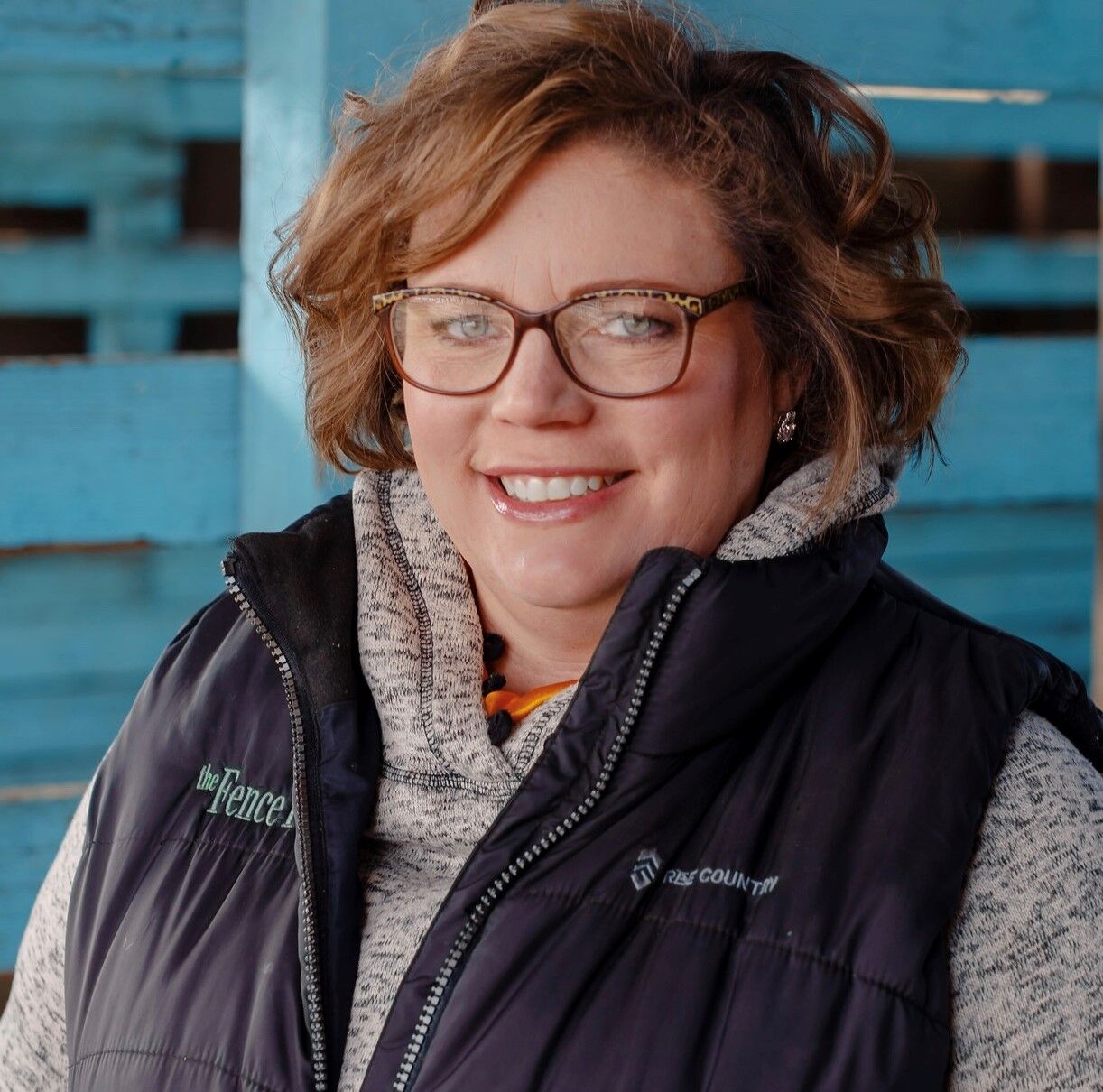
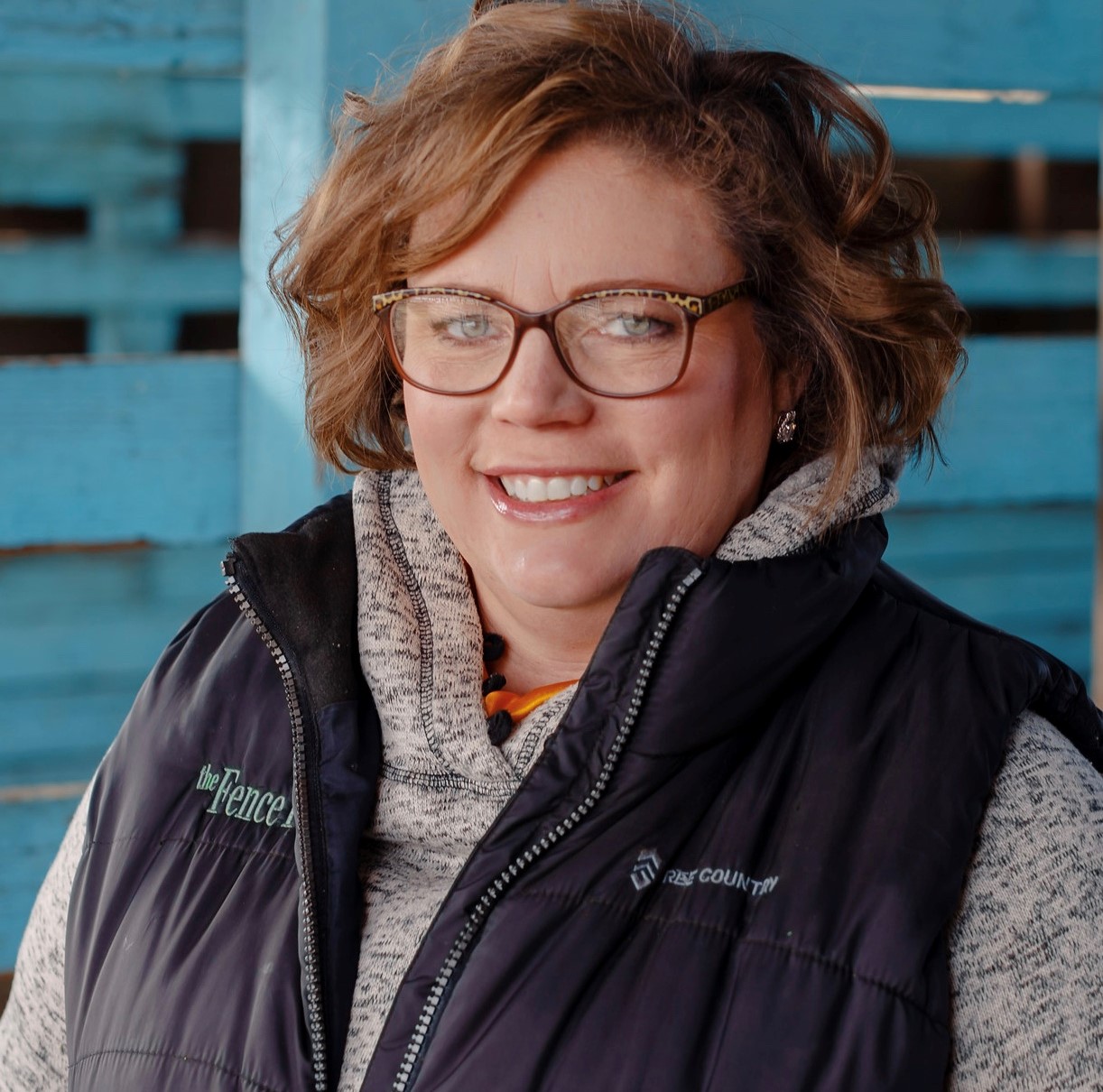
Rachel Gabel writes about agriculture and rural issues. She is assistant editor of The Fence Post Magazine, the region’s preeminent agriculture publication. Gabel is a daughter of the state’s oil and gas industry and a member of one of the state’s 12,000 cattle-raising families, and she has authored children’s books used in hundreds of classrooms to teach students about agriculture.

Kwame Spearman warrants plenty of criticism, not cancellation | SONDERMANN
By Eric Sondermann
by-eric-sondermann@coloradopolitics.com
Updated 2 days ago
All of us are flawed humans, some more so than others. This is the tale of Kwame Spearman who burst onto Denver’s business and political scene a handful of years back. His ride has taken a downhill trajectory. Within the...
From pause to progress — a better path on AI policy | OPINION
Colorado Politics
colorado-politics@coloradopolitics.com
Updated 1 day ago
By Brittany Morris Saunders and Loren Furman Last year, following the Special Legislative Session, we wrote in Colorado Politics that delaying Colorado’s AI Act was not a setback. It was an opportunity. We asked state leaders to pause, bring more...
Cutting Prop 123 would cost Colorado far more than it saves | OPINION
Colorado Politics
colorado-politics@coloradopolitics.com
Updated 1 day ago
By Luke Teater Colorado’s legislative budget writers are about to receive updated revenue forecasts and begin making final cuts to close a historic budget gap, and Proposition 123’s affordable housing financing tools are on the chopping block. But in their...
Colorado’s place in President Trump’s oil-and-gas approach | Paula Noonan
Paula Noonan
paula-noonan@coloradopolitics.com
Updated 2 days ago
Head spinning is the unwanted reality of today’s world. Let’s start at the international level. The wars in the Middle East since the 1950s have never ended. Though religion and ethnicity are factors, oil and gas access is always predominant...

Reject onerous ad limits in sports-betting bill | OPINION
Colorado Politics
colorado-politics@coloradopolitics.com
Updated 2 days ago
By Justin Sasso A dangerous precedent is potentially afoot in the Colorado state Senate right now, where a bill was recently introduced to restrict advertising for local broadcast media across Colorado. Senate Bill 26-131, seemingly designed to discourage Coloradans from participating...
Reform to Colorado’s grantmaking drives efficiency, strengthens state’s partnership with nonprofits | OPINION
Colorado Politics
colorado-politics@coloradopolitics.com
Updated 2 days ago
By Marco Dorado and Jack Murphy Colorado’s nonprofit sector is one of the most significant contributors to our state’s economic and civic life, with more than 14,000 registered nonprofit organizations supporting more than 262,000 jobs — approximately 10% of all...

Costly auto mandate amounts to needless overkill | FEEDBACK
Colorado Politics
colorado-politics@coloradopolitics.com
Updated 2 days ago
HB26-1199 is currently in the legislature, and let me explain how this affects you. Currently in the state of Colorado, your vehicle’s emissions have to meet California standards even though you do not live in California. Though we all can agree...
Congress needs to protect 340B for rural Colorado | PODIUM
Colorado Politics
colorado-politics@coloradopolitics.com
Updated 2 days ago
By Rod Pelton A lot of politicians talk about understanding what life is like for our rural communities, but not many really do. I’m a third-generation Cheyenne County farmer and rancher; I grew up on the eastern plains of Colorado, raised...
Caldara overlooked facts in slamming utilities | FEEDBACK
Colorado Politics
colorado-politics@coloradopolitics.com
Updated 4 days ago
Normally, I appreciate the variety of perspectives published on Colorado Politics. But regarding Jon Caldara’s recent column on Xcel, he irresponsibly neglects key facts to the point of annihilating credibility (“Are our overlords normalizing power outages?” March 15). He neglects...
Fix the process before reauthorizing state PUC | OPINION
Sara Blackhurst
sara-blackhurst@gazette.com
Updated 3 days ago
What needs to be fixed before reauthorizing the Public Utilities Commission? The answer is simple: the process. The last time the commission was reauthorized in 2021, lawmakers expanded its role in meaningful ways — particularly as Colorado accelerated its clean...
PREV
PREVIOUS
HUDSON | A Colorado labor corollary to the railroad dispute
Miller Hudson This column appears precisely 50 years after my arrival in Colorado behind the steering wheel of a U-Haul truck towing a spanking new Toyota Land Cruiser. Parking for the night at a Motel 6 along West 6th Avenue, I had just three days to rent an apartment, unload our somewhat meager belongings and […]

WADHAMS | A son of Colorado’s plains helped avert nuclear war
Dick Wadhams Sixty years ago this week, the United States and the rest of the world trembled as the threat of nuclear war with the Soviet Union loomed during the Cuban Missile Crisis in October 1962. It is no exaggeration that Llewellyn Thompson, Jr., the son of a southeastern Colorado sheep rancher who served as […]