

Aurora Sentinel: Move beyond politics and resolve how, why McClain was killed
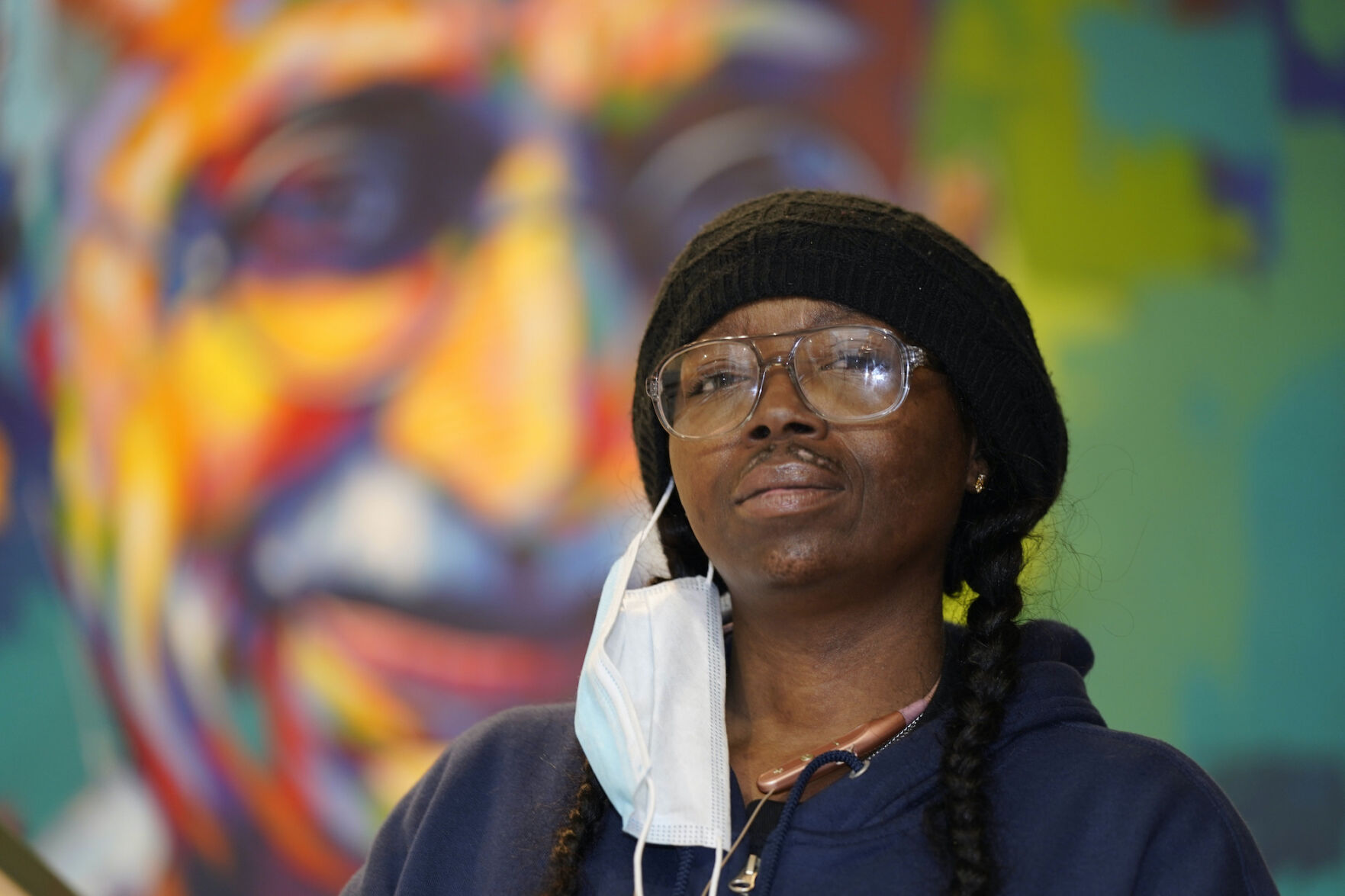
Nearly three years after Elijah McClain was killed because of a botched encounter with Aurora Police and medics, McClain’s family, and the public, can still make little sense of the debacle.
News this week from the Adams County coroner, regarding a lethal dose of ketamine injected into McClain, did little to resolve the calamity.
On a warm summer night, McClain was walking back to his north-Aurora apartment from a nearby convenience store, where he’d bought a couple of cans of iced tea.
He never made it home alive.
As he was walking, a passing motorist noticed McClain was wearing some kind of mask and that he was Black. He called dispatchers, specifically saying he’d not seen McClain do anything wrong or commit a crime, just that it seemed odd.
When the first officer rolled up, he essentially pounced on McClain, alarming him. The officer’s body cam video made clear how aggressively he confronted McClain.
Other officers arrived, escalating the situation and terrifying a flailing McClain.
He panicked as police physically subdued him, and McClain began begging for his life. One of the officers strangled McClain with a chokehold causing him to faint.
Despite McClain having been forced into unconsciousness, when fire department medic’s arrived, they then injected McClain with ketamine, a powerful tranquilizer. Medics had misjudged the 23-year-old’s weight, and he was given an overdose.
He never regained consciousness.
Weeks later, forensic pathology consultant Stephen Cina said the cause of McClain’s death was unclear.
The Adams County District attorney did not file charges against any of the police or medics involved in McClain’s death.
It wasn’t until Colorado Attorney General Phil Weiser took up the case, presenting it to a grand jury, that numerous indictments were brought against police and medics. It was over one year ago.
Last week, Cina changed his assessment of McClain’s death, saying after reviewing information provided to the grand jury it was clear to him that the tranquilizer injection killed McClain.
“I believe that Mr. McClain would most likely be alive but for the administration of ketamine,” Cina wrote in his amended report, released this week after legal demands by metro area media.
Still, Cina did not weigh on whether McClain’s death was accidental or a homicide.
Had McClain not been Black, or had he lived in a wealthy neighborhood, or had police not aggressively escalated the situation from the onset and then even more so as the event devolved, and had medics asked trained emergency experts for advice or simply waited long enough to see that McClain was in no way a candidate for such an invasive procedure, or had they accurately assessed their patient and correctly dosed him, McClain, indeed, might be alive right now.
But to indicate that McClain was simply the victim of an unfortunate series of accidents is shocking and repugnant.
McClain was killed by a collection of Aurora police and medics that let a racist, bullying, and incompetent conflagration spin out of control.
McClain did not commit suicide. He did not bring on his own death. And by no stretch of the facts did McClain deserve his fate.
Parallel to this, some city lawmakers are using McClain’s death in a sordid attempt to curry favor with firefighter union members, indicating that the medics who killed McClain with the ketamine injection are actually the victims in this case, wrongfully accused of causing an innocent man’s death.
Union officials and some city lawmakers are balking at recent changes in law and procedure, pushing away from ketamine and toward a safer tranquilizer, used when genuinely needed.
Such political theatrics undermines the public trust in Aurora medical rescuers and should cease now.
These medics regularly provide complicated, life-saving but risky moves, preserving lives. The insinuation that all medics are potential victims of unfair or politicized scrutiny based on the horrific and preventable death of McClain is repugnant.
If they persist, the city should immediately cease providing paramedic services to residents, and contract with local ambulance providers, just as Aurora has in the past.
These medics are hired, trained and paid to serve and preserve the lives of people here in Aurora. The city’s residents and businesses do not serve Aurora medics choosing to partake in criminal investigation schemes.
As to justice for McClain, the trial against his accusers is long overdue and critical to not only understand how and why McClain was killed, but so that Aurora police and fire officials can rebuild the public’s trust by ensuring that it can not and will not ever happen again.
Aurora Sentinel Editorial Board


What exactly makes you a public figure? | Hal Bidlack
Hal Bidlack
hal-bidlack@coloradopolitics.com
Updated 17 hours ago
Well, once again, this non-lawyer columnist is going to jump in the deep end of legal scholarship and will explore a recent Colorado Court of Appeals decision. Buckle up. In yet another terrific Colorado Politics Court Crawl article, we learned...

Modernizing Pinnacol is about its members, not politics | IN RESPONSE
Colorado Politics
colorado-politics@coloradopolitics.com
Updated 7 hours ago
By Akasha Absher While we share the passion for protecting Colorado’s workers expressed in a recent op-ed from the perspective of trial attorneys and union representatives, the piece paints a picture of Pinnacol Assurance that is more rooted in 1915...
Mum on his own replacement, Bennet disrespects voters | Dick Wadhams
Dick Wadhams
dick-wadhams@coloradopolitics.com
Updated 3 days ago
U.S. Sen. Michael Bennet is playing an arrogant game of hide-and-seek with Colorado voters as he seeks to abandon his Senate seat to become governor. Bennet insists that if he is elected governor in November, he will wait until he...

What kind of energy independence did we pay for? | Miller Hudson
Miller Hudson
miller-hudson@coloradopolitics.com
Updated 3 days ago
It was during the summer of 1972 AT&T published an internal solicitation for installation and repair supervisors with “inner-city” experience to transfer to Mountain Bell. The catch was an applicant’s readiness to work 10 hours a day, six days a...

Those who cannot live without wild things | Rachel Gabel
Rachel Gabel
rachel-gabel@coloradopolitics.com
Updated 3 days ago
Aldo Leopold wrote in his Sand County Almanac, “There are some who can live without wild things and some who cannot.” The collection of essays first published in 1949 was accepted by a publishing house after a steady stream of...

Thank God for Wyoming — the un-Colorado | Jon Caldara
Jon Caldara
jon-caldara@coloradopolitics.com
Updated 3 days ago
Years ago, I interviewed a Canadian health-care broker whose job was helping his countrymen escape their own failing system. When their “free” health care turned into “free to wait until you die,” he’d save his clients by routing them to...
It’s time to let unaffiliated voters caucus | Vince Bzdek
Vince Bzdek
vince.bzdek@gazette.com
Updated 1 day ago
There’s no getting around it: Colorado’s 3,000 county caucuses, which just wrapped up recently, left half the electorate out in the cold. Since unaffiliated voters now make up 51% of all Colorado voters, a majority of Colorado electors are barred...
A Mile High, again: Capitol M | Week of March 21, 2026
Marianne Goodland
marianne.goodland@coloradopolitics.com
Updated 6 days ago
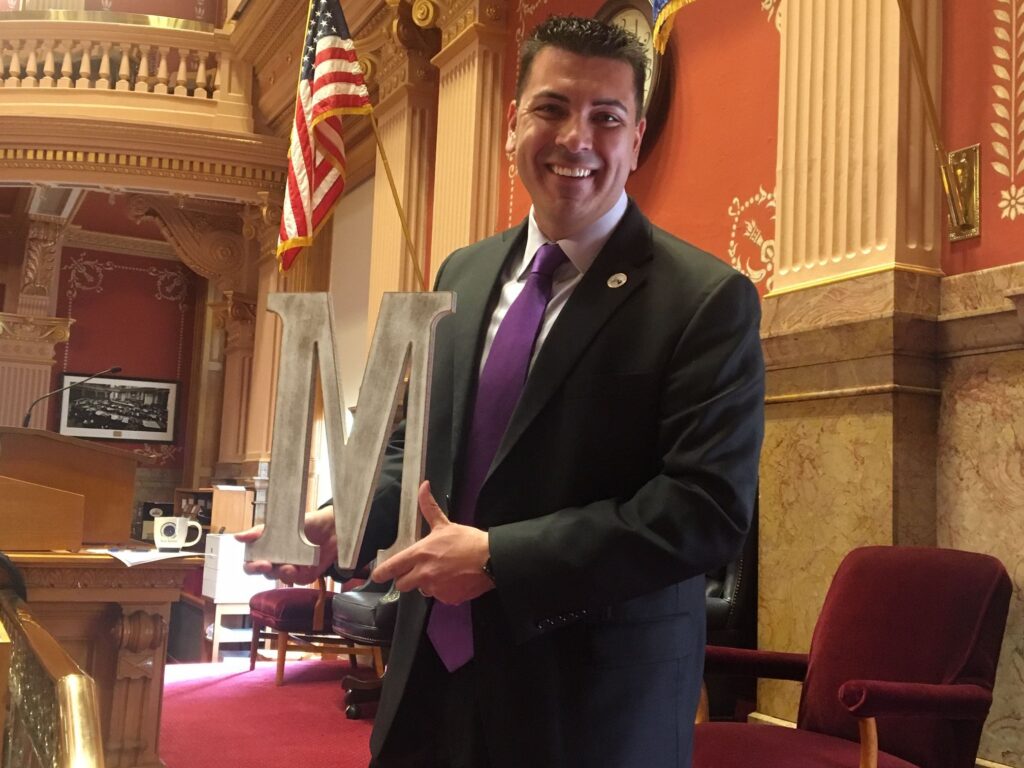
The lighter side of the Capitol, usually…. Local Journalism Day, except they forgot their very own local journalists. The state Senate on Thursday, March 19, passed a resolution recognizing Local Journalism Day. Everyone voted for it, which is good, because...
The insular bubble of caucuses and assemblies | SONDERMANN
Eric Sondermann
eric-sondermann@coloradopolitics.com
Updated 5 days ago
Nearly 30 years ago, then-Federal Reserve Chairman Alan Greenspan coined the term “irrational exuberance” to describe the overheated stock market. That descriptive phrase could also apply to much of the political realm. The hype in politics often grossly exceeds the...
Set appropriate state guidelines for critical surveillance technology | OPINION
Colorado Politics
colorado-politics@coloradopolitics.com
Updated 5 days ago
I admit it: I’m worried. I’m hearing a lot about surveillance in the public arena. I hear cameras are capturing my car’s license plate wherever I drive, my face as I go in and out of stores and health facilities,...
PREV
PREVIOUS

Denver Gazette: Colorado’s crime fight isn’t about ‘deterrence’
No crook can be in two places at once. A career car thief can’t steal your wheels from your driveway tonight if he’s still doing time for his last crime. An opioid peddler won’t be able to poison your son or daughter if he’s in the slammer for a prior drug deal. Nor can a […]

Let’s start a conversation on our state’s fiscal restraints
Sam Mamet “Don’t tax you, don’t tax me, tax that person behind the tree,” was a refrain used often by the late Louisiana U.S. Sen. Russell Long, the bygone powerful chairman of the U.S. Senate Finance Committee. It reflects a political principle which has been part of many tax policy debates both in Congress and […]