

Grand Junction Daily Sentinel: Managing lands for the future
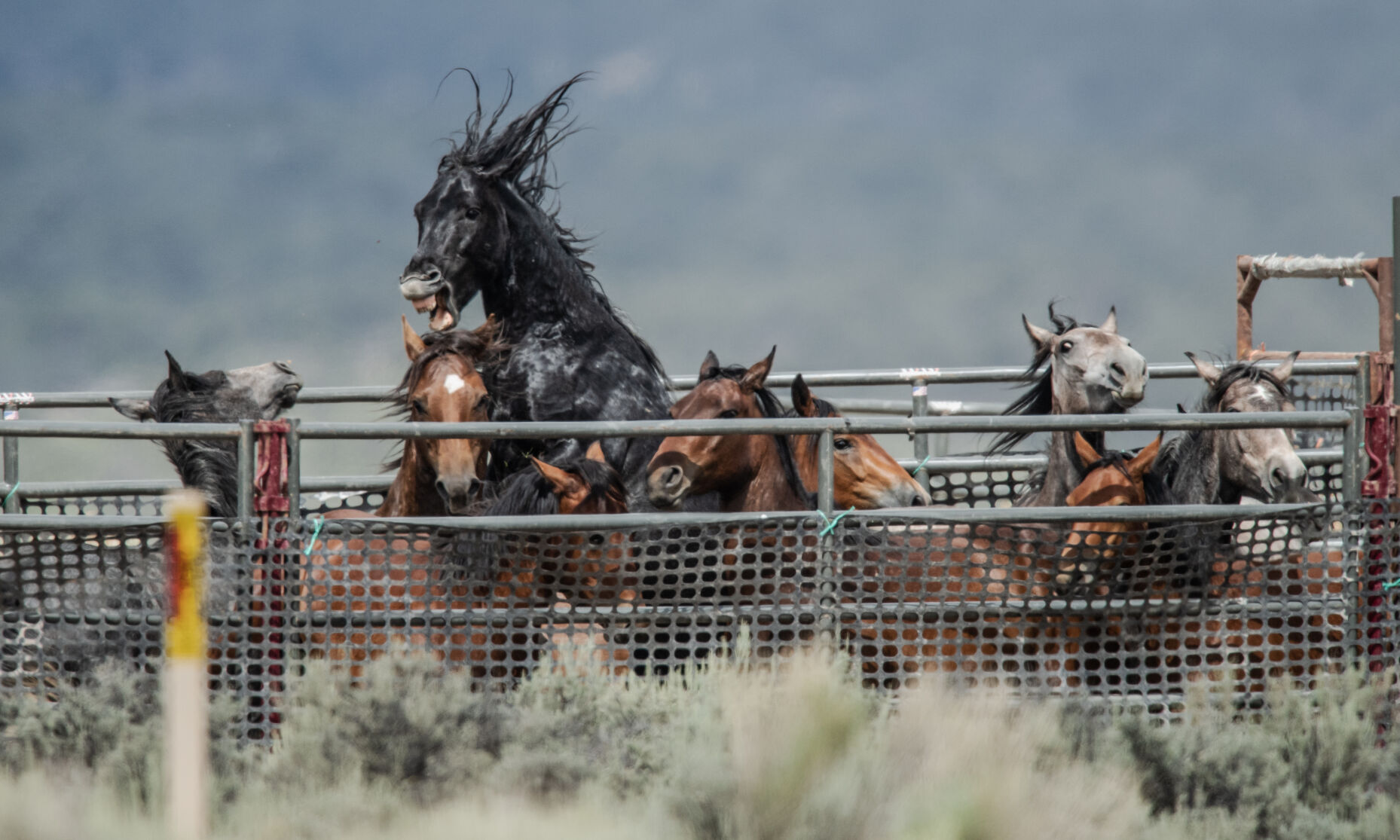
With Bureau of Land Management Director Tracy Stone-Manning in town this week, we think now is an apt time to reflect on the history of this public lands agency and what its future in the West should look like.
Stone-Manning is in town to address The Public Lands Foundation at its annual meeting, which is being held in Grand Junction this week. The Public Lands Foundation is made up of former and current BLM employees and other members of the public and it had been critical of moving the agency’s national headquarters here.
We cheered that decision when it was made by the Trump administration, which was later reversed by the Biden administration, instead establishing a western headquarters in Grand Junction. We were encouraged by the plans laid out by the BLM in a recent email and since then, even more jobs have been announced for the new western headquarters.
This is an extraordinary opportunity for Grand Junction and western communities to have our voices heard by the BLM, which manages the largest amount of federal land of any agency. But, how should it manage that land?
If you look at BLM’s history, its land management has evolved over time. It originally formed in the 1940s through a consolidation of the General Land Office and U.S. Grazing Service. The former was used for the disposal of federal land and the latter managed grazing leases on federal land.
The mission changed in 1976 with the passage of the Federal Land Policy and Management Act. The act changed the BLM mission with a policy of retaining public lands and managing them for “multiple uses and sustained yield through land-use planning.”
We hear a lot about multi-use land management and we strongly support that philosophy. We should be able to share the use of the land between the energy industry, ranchers grazing cattle and recreational uses. This model has been extraordinarily successful.
Still, we hear less about the second prong of the BLM mission – the sustained yield. A sustained yield, to us, means a landscape that can support all these uses in a sustainable way. Is that what we see today? We don’t think so.
The West is undergoing historic drought and wildfire that is leaving the landscape degraded. We think the BLM, through its sustained yield mission, has a part to play in helping conserve the land in the West.
This doesn’t mean excluding oil and gas development or chasing UTV users off the trails. The BLM has a number of tools in its tool belt that can both protect the land it manages and provide access for the multiple users it manges for. It doesn’t have to be a one-size-fits-all approach.
This is why having a presence here in the West is so important. The BLM needs to hear from the people who live here and to have leadership living here as well.
We live here for a reason and for many of us, that’s because of the landscapes found here, which are often managed by the BLM. We’d like those landscapes protected, while listening to the perspectives and concerns of all the user groups represented in our community and across the West.
Grand Junction Daily Sentinel Editorial Board


Let the state’s narrative-laundering season begin | Jon Caldara
Jon Caldara
jon-caldara@coloradopolitics.com
Updated 2 days ago
Politics is a game of narrative. Whoever controls the narrative wins. Sure, the truth is interesting. But truth doesn’t sell. It takes time to uncover, assuming people care enough to go digging for it. Narratives are easier. They’re simple, comforting...

Home rule has protected Colorado cities for more than 125 years | Cronin & Loevy
Tom Cronin Bob Loevy
tom-cronin-bob-loevy@coloradopolitics.com
Updated 1 day ago
Colorado is currently gripped by a political struggle. It’s one between the governor and state legislature in Denver on one side and populous “home rule” city governments, mainly on the Front Range — such as Colorado Springs. The state legislature...

Home rule has protected Colorado cities for over 125 years | Cronin and Loevy
Tom Cronin Bob Loevy
tom-cronin-bob-loevy@coloradopolitics.com
Updated 15 hours ago
Colorado is currently gripped by a political struggle between the governor plus the legislature in Denver and populous home-rule city governments, mainly on the Front Range, such as Colorado Springs. In the past few years, the legislature has been passing bills that applied to city government policies, which...
An “-“ends tribute in a week full of “odds” | Capitol M | Week of April 11, 2026
Marianne Goodland
marianne.goodland@coloradopolitics.com
Updated 3 days ago
The lighter side of the Capitol, usually… The decision to read the budget bill — the long bill, which spans 661 pages this year — put a damper on the House’s already less‑than‑festive mood. So Capitol M decided to catch...
A longshot, upset bid and a few quick takes | SONDERMANN
By Eric Sondermann
by-eric-sondermann@coloradopolitics.com
Updated 3 days ago
It is hard to keep up these days. The flow of news often seems overwhelming. Let’s focus today on an unusual congressional race before moving on to a few quick, supplementary observations. Since its creation 54 years ago, Congressional District...
Colorado Medicaid director’s resignation long-overdue inflection point for our families, kids | OPINION
Colorado Politics
colorado-politics@coloradopolitics.com
Updated 2 days ago
By Heidi Baskfield For years, the consequences of a strained and fragmented Medicaid system have fallen on those least able to navigate it — the children with complex needs and the families fighting to care for them. Though policy debates...
Note to Colorado lawmakers — parents protecting kids isn’t abuse, it’s their job | OPINION
Colorado Politics
colorado-politics@coloradopolitics.com
Updated 2 days ago
By Matt Sharp and Sharon Supp During the last few years, the U.S. Supreme Court has made at least one thing clear: Colorado is consistently overreaching to apply its laws in unconstitutional ways. Colorado treated a cake artist with hostility...
H.R. 1 underscores unfairness in Colorado tax code | OPINION
Colorado Politics
colorado-politics@coloradopolitics.com
Updated 2 days ago
By Caroline Nutter On July 4, 2025, Colorado’s budget was overturned with the stroke of a pen. When President Donald Trump signed into law H.R. 1, or the One Big Beautiful Bill Act, he didn’t only cut federal funding by...
The danger of when government goes rogue | Paula Noonan
Paula Noonan
paula-noonan@coloradopolitics.com
Updated 2 days ago
It’s dangerous, even fatal, when government goes rogue whether in a democracy or autocracy. Government officials who ignore or taunt laws that constrain bad acts should be given the heave ho. We’re witnessing these egregious scenarios now at the federal...

The future of Colorado condo development | OPINION
Colorado Politics
colorado-politics@coloradopolitics.com
Updated 3 days ago
By Peter LiFari For nearly two decades, the story of condominium construction in Colorado has been mistold, misunderstood and misrepresented. This outcome reflects the cumulative effect of more than two decades of Colorado policy, beginning with the Construction Defect Action Reform...
PREV
PREVIOUS

Denver Gazette: Gun control hits a wall in Colorado
Gun-control measures enacted in Boulder County have been placed on hold by the federal courts; left in doubt by a recent U.S. Supreme Court ruling, and, as reported in The Gazette last week, stymied even more amid further court developments here in Colorado. All of which should prompt advocates of more restrictions on firearms to […]
NOONAN | Competition for new Colorado congressional district
Paula Noonan Colorado’s new Congressional District 8 is a marvel of even division where the redistricting committee stuck Democratic-leaning Adams County to GOP-leaning Weld County with a dab of Larimer County mixed in. Looking at active voter registrations from August, Adams County has about 130,000 more voters in the district than Weld County. Adams has […]