

HUDSON | Boebert, in time, may go the way of Musgrave
Miller Hudson

If you feel you’ve watched this movie before and if you were of voting age in Colorado at the turn of the century, then you probably did. Marilyn Musgrave was a conservative Republican from Colorado’s eastern plains who served for a decade in the state legislature, elected in 1992 — first to the House and then the Senate. Her previous political history included a term on the Fort Morgan School Board where she campaigned to limit its sex education curricula to “abstinence only” messaging. At the Capitol she emerged as a vociferous opponent of civil unions, much less marriage, for gay couples. She was, appropriately, a zealous advocate for rural interests repeatedly introducing bills to exempt the sale of farm implements from the state’s sales tax.
Following three terms as a member of Congress from 2003 to 2009, where she maintained a vociferous opposition to abortion, Musgrave went to work for the Susan B. Anthony Fund when voters dismissed her in 2008. In a state that has supported a pro-choice abortion access policy by growing majorities for 50 years, her undiminished commitment to a pro-life agenda surely contributed to what were ever-shrinking victory margins. First elected in 2002, she replaced Bob Shaffer who, surprisingly and admirably, kept his promise to adhere to congressional term limits (unlike his long-serving compatriot Tom Tancredo). The six-year Democratic march to eject Musgrave with Betsy Markey, who would only serve a single term before Republican dominance reasserted itself in the person of Ken Buck, should be instructive.
Democrats ran well-respected state Sen. Stan Matsunaka against Musgrave in 2002 and then again in 2004. Both he and Musgrave had been elected to leadership posts with their respective Senate caucuses at the Capitol. But, in a Republican district, Musgrave prevailed. Though Matsunaka significantly cut into Musgrave’s majority in their rematch, he was still swimming upstream against George W. Bush’s 58% support. In 2006 another state legislator, Democrat Angie Paccione from Fort Collins, cut Musgrave’s margin to just 4,000 votes. An indicator a politician is sinking is a shrinking victory margin — when a candidate can’t achieve the margin for re-election he or she achieved when first elected, they’re likely headed for the political graveyard. With an Obama wind at her back in 2008 Betsy Markey, who had served as Sen. Ken Salazar’s district director, swept to a 12% blowout victory.
I rake this ancient history up in order to consider Lauren Boebert. Adam Frisch, the former Aspen city councilman running against Boebert this year, brings a similar record of quiet competence and generally positive regard that Matsunaka and Paccione offered Colorado voters 20 years ago. He remains, however, a Democrat running in a Republican-leaning district. Boebert, on the other hand, brings none of the experience or gravitas to her candidacy that Musgrave could legitimately claim. In fact, Boebert is becoming something of a glaring, national embarrassment — most recently calling for the defunding of the FBI. She receives little help from a husband who appears to be a thug as a neighbor and who takes half a million dollars a year in dubious consulting fees from the energy industry. That feels decidedly swampy to me.
Fortunately for Democrats, Frisch is capable of self-funding his campaign to a certain degree, yet he’s not likely to be prioritized for help by dark money progressives until polls show him within 5% points of Boebert. Despite this, Frisch may run better than predicted — softening Boebert up for 2024. Will Rogers’ quip that he wasn’t a member of an organized political party since he was a Democrat applies to the recent Democratic primary in the district. If Democrats wish to repeat their success in removing Musgrave, they’ll need to pull their act together. A conversation among the district’s Democratic leadership should be convened early next year to reach early consensus on a 2024 candidate — one eminently qualified, well liked and reasonably well known. This won’t prevent nuisance candidacies, but primary voters will recognize the designated nominee as the person most likely to win.
This candidate will also need to be palatable enough to moderate Republicans and independent voters, so they perceive little downside risk in awarding “their” seat to a Democrat for two years. That’s the downside for the challenger — he or she may well clear the Republican field for their own successor in 2026 — presumably a more reasonable and mature conservative. That’s not an entirely useless or thankless task. Modeling thoughtful, amicable behavior for voters should restore confidence in the democratic process within both parties. Of course, if Republicans persist in nominating “big lie” nutballs, perhaps a Democrat would hold on to this western slope seat for several terms. John Salazar managed to do just that.
Then the rest of us would no longer have to explain how Boebert was elected in the first place.
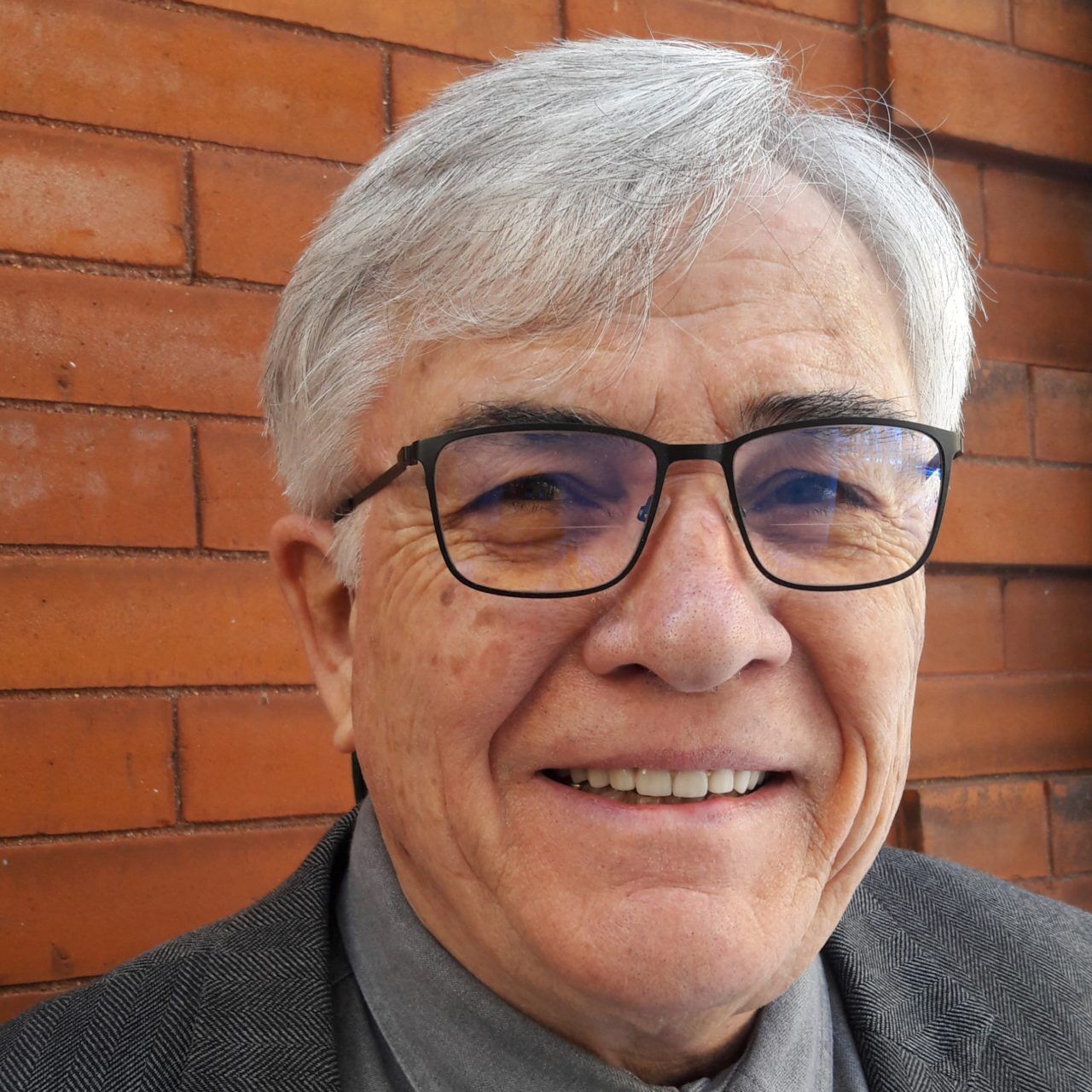
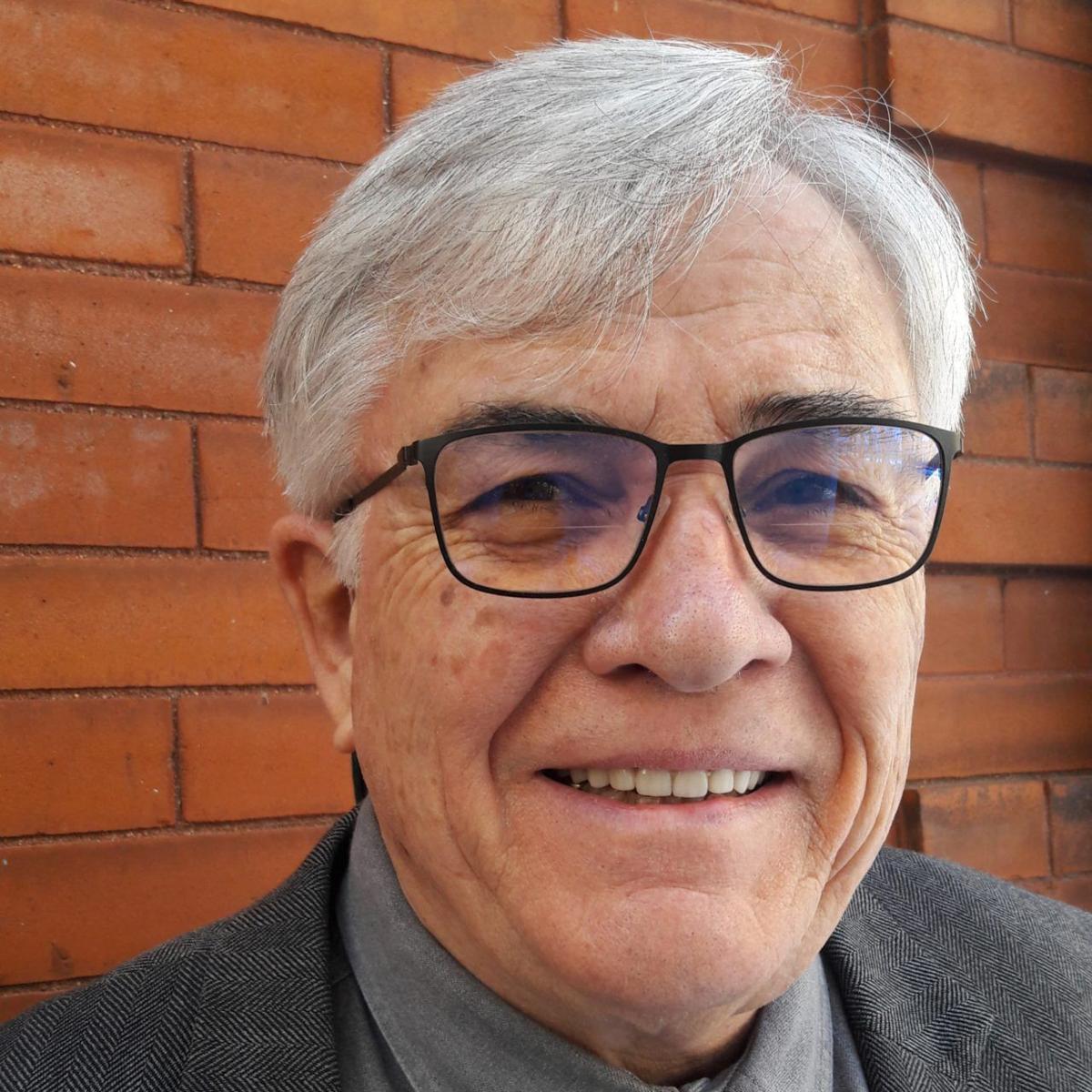
Miller Hudson is a public affairs consultant and a former Colorado legislator.


A tale of two debates | Vince Bzdek
Vince Bzdek
vince.bzdek@gazette.com
Updated 7 hours ago
Ballots go out Monday as the June 30 state primary elections bear down on us. As a result, it is suddenly the season of proliferating political debates, and there have been some doozies already. I had the chance to see two very...

The “launchpad generation” and the three A’s | SONDERMANN
Thelma Grimes
thelma.grimes@coloradopolitics.com
Updated 2 days ago
Wisdom often arrives when you least expect it. This tidbit came from an ordinary lunch, part personal catch-up, part chat about the sad state of our politics and education policy. My lunch partner was a senior executive at CareerWise, the...
What matters to Colorado women ahead of momentous state elections | Paula Noonan
Paula Noonan
paula-noonan@coloradopolitics.com
Updated 2 days ago
Eight years have passed since Colorado has faced such a significant election season. Our choices now will set another eight years of our collective future. It’s temperature-taking time. The Women’s Foundation of Colorado recently completed a poll of 725 women...

Colorado modernized voting, but the ballot Is still closed for many | PODIUM
Colorado Politics
colorado-politics@coloradopolitics.com
Updated 2 days ago
By Amy Spicer On June 30, Colorado holds its primary election. Most voters will receive their ballots, make their choices, and never know that for many of the races on that ballot, the meaningful competition ended weeks or months earlier,...
Polis protects system rigged against workers | GUEST COLUMN
Colorado Politics
colorado-politics@coloradopolitics.com
Updated 4 days ago
By Jeremy Ross Shame on Gov. Jared Polis. He used his veto pen again to indulge the billionaire corporate elite by denying the freedom of workers to join together and form a union without being threatened, fired or blocked by...

Rachel Gabel diagnoses Colorado’s sharp rural-urban divide | The OpEdge Podcast
Tony Olivero
tony.olivero@gazette.com
Updated 4 days ago
Gazette columnist Rachel Gabel, editor of The Fence Post Magazine, says Gov. Jared Polis has ushered in an unprecedented era of tone-deafness to rural Colorado. In this sweeping interview with investigative columnist Jimmy Sengenberger, Gabel leaves no stone unturned over...
Colorado’s other river problem | Hal Bidlack
Hal Bidlack
hal-bidlack@coloradopolitics.com
Updated 5 days ago
Well, the legislative session is over, and my inbox is filled with notifications of the many, many bills Gov. Jared Polis has signed, as well as the few he vetoed, and I could write quite a few pages on the...

Help adult smokers transition away from cigarettes | GUEST COLUMN
Colorado Politics
colorado-politics@coloradopolitics.com
Updated 4 days ago
By Brian Erkkila Colorado families, educators and public-health leaders have spent years working to prevent underage tobacco use — and the newest national data suggest those efforts are paying off. The FDA’s 2025 National Youth Tobacco Survey (NYTS) is a...

Colorado GOP has lost its sense of what’s best for the people | Rachel Gabel
Rachel Gabel
rachel-gabel@coloradopolitics.com
Updated 5 days ago
The Republican Party I grew up knowing was the party of small business, big business, and job creation. It was the party that signed paychecks and built economies and legacies. In 1980, Ronald Reagan swept Colorado in nearly every county, including Denver...

Michael Bennet is the $2.5 million corporate man | Dick Wadhams
Dick Wadhams
dick-wadhams@coloradopolitics.com
Updated 6 days ago
U.S. Sen. Michael Bennet has learned a lot after 20 years in the Senate. He is an accomplished dancer — at the old Washington, D.C., two-step of saying one thing but doing another. Do what I say, not what I do. Bennet has piously and self-righteously declared...
PREV
PREVIOUS

GABEL | The Colorado hemp industry fantasy
Rachel Gabel Colorado Commissioner of Agriculture Kate Greenberg testified before the House Subcommittee on Biotechnology, Horticulture and Research in a hearing titled, “An Examination of the USDA Hemp Production Program.” Testimony was heard from a number of researchers, academics and stakeholders investing in the industry hoping to secure additional funding in the 2023 U.S. Farm […]

WADHAMS | Michael Bennet’s corporate hypocrisy
Dick Wadhams One of the more amusing moments of the epic Senate battle between now-U.S. Sen. John Thune and then-Senate Democratic Leader Tom Daschle in 2004 occurred in a South Dakota corn field. Desperate to reconnect as a true South Dakotan after 26 years in Congress, Daschle filmed a television ad during pheasant season of […]