

A LOOK BACK | Carroll cries foul over GOP election tactics
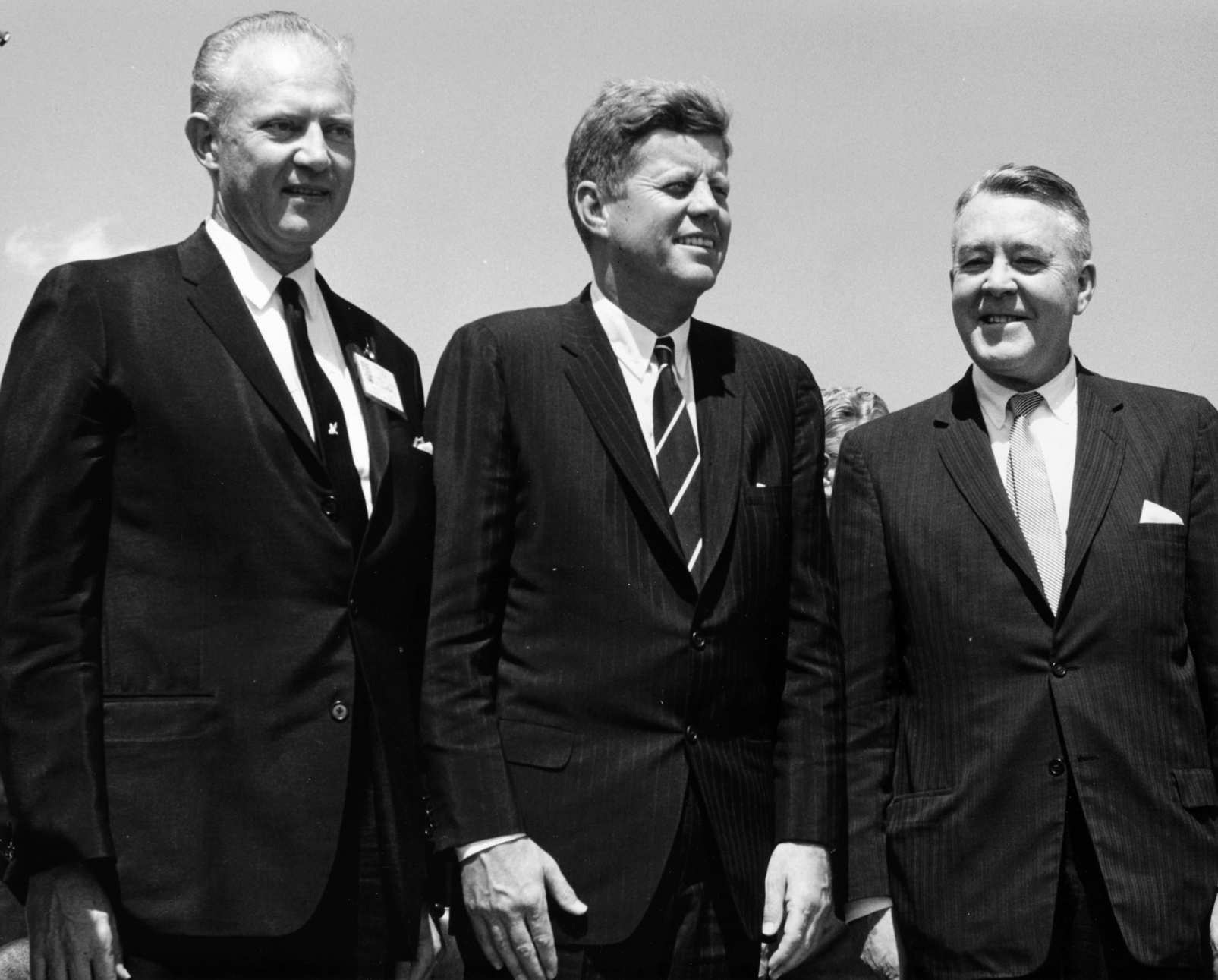
Sixty Years Ago This Week: Democratic U.S. Sen. John Carroll decried what he called an “insidious carpet bagging” strategy by the Republicans to oust him from his U.S. Senate seat.
In an interviewed by The Colorado Democrat, a partisan publication that was later succeeded by the non-partisan Colorado Statesman, Carroll said the GOP in 1956 had poured more than $120,000 in out-of-state money into defeating him. Every dollar, he said, had been designed to “discredit me and the Democratic Party.”
But that was nothing, Carroll predicted. “I say to you, the attempt this year by outside forces to buy a United States Senate seat in Colorado will make the ’56 campaign look ridiculous,” Carroll said.
Carroll’s Senate challenger, Rep. Peter H. Dominick, who represented Colorado’s 2nd Congressional District, addressed Republicans at the party’s state assembly in Boulder and spoke at length about the rising “socialism” in state politics.
“I’m the obvious target,” Carroll said. “Doesn’t it seem strange to you that in the six years I’ve been in the United States Senate not one voice has been raised about John Carroll voting for socialism? They wait until we get in the campaign. They do this every year. I say to you, this is an insult to the intelligence of the people of Colorado.”
Dominick succeeded in ousting Carroll from office by a comfortable margin when Election Day arrived, taking 53.58% of the vote to Carroll’s 45.58%.
Twenty-Five Years Ago: Rep. Barry Arrington, R- Arvada, told The Colorado Statesman that he had decided to appeal the decision made by District Court Judge William P. DeMoulin in a lawsuit he had earlier filed against fellow Republicans Steve Burton and Mike Palmer.
During the 1996 general election, Burton and Palmer had written and produced a postcard that accused Arrington of physically threatening Democratic opponent Ed Perlmutter in a 1994 state senate race. Though Burton and Palmer had indeed authored the card, its distribution was funded by Democratic State Minority Leader Mike Feeley, D-Lakewood.
Arrington vehemently denied ever threatening Perlmutter and said Burton and Palmer had engaged in defamation of his character and libel. Judge DeMoulin ruled that Arrington’s reputation had not suffered, writing “when the threats allegedly took place, area newspapers widely published that over-zealous supporters of Arrington made the threats, not the candidate himself.”
DeMoulin also ruled that if the facts had been widely known, the postcard fell under First Amendment protections of fair comment directed at a public figure.
“I filed an appeal because the District Court’s decision was absurd,” Arrington said. “Just because I’m a public figure, which I freely admit, doesn’t mean they can say anything about me they want.”
When approached for comment, Burton, a former Jefferson County Republican Party vice-chairman, sighed.
“So, just how many judges does it take to teach Barry Arrington the First Amendment? At least three more, I guess,” Burton said.
Burton, then a partner in GOP consulting firm No Vember Associates, argued that Arrington’s decision to appeal amounted to little more than harassment and stood no real chance of reversal.
“As an attorney,” Burton said, “Arrington knows he can’t win, but he wants to keep punishing his two adversaries by making them pay legal fees, probably in the neighborhood of an additional $6,000.”
But Burton and Palmer said they would not let this strategy succeed for Arrington because they had set up a legal defense fund making it possible for donors to help cover court costs.
“We’re pretty close to having our bills paid off, up to this point,” Burton said. “People know what Arrington is, and they’ve been very supportive, I expect that will continue.”
In other news, the 65th Annual U.S. Conference of Mayor’s was happening and Denver Mayor Wellington Webb paid tribute to the late Denver Mayor Bill McNichols Jr., who had died on May 29, 1997, at the age of 87.
McNichols had served as president of the conference from 1978-79 and many members knew him personally.
Webb’s resolution lauded McNichols for his support of his successors Federico Peña and Webb, thanked him for his service to the conference, honored his low-key personality, and acknowledged his love of Denver, the city he had worked so hard to promote.
The resolution also noted that had it not been for the infamous “Christmas Blizzard of 1982,” McNichols could easily have won a fifth term as Denver’s mayor.
Rachael Wright is the author of the Captain Savva Mystery series, with degrees in Political Science and History from Colorado Mesa University and is a contributing writer to Colorado Politics and The Gazette.

It’s time to let unaffiliated voters caucus | Vince Bzdek
Vince Bzdek
vince.bzdek@gazette.com
Updated 12 hours ago
There’s no getting around it: Colorado’s 3,000 county caucuses, which just wrapped up recently, left half the electorate out in the cold. Since unaffiliated voters now make up 51% of all Colorado voters, a majority of Colorado electors are barred...
Governor warns energy development both a boon and a risk to Colorado | A LOOK BACK
Rachael Wright, Special to Colorado Politics
rachael.wright@coloradopolitics.com
Updated 3 days ago
Forty-Five Years Ago This Week: “The real opportunity and the dangers before us are both real,” said Gov. Dick Lamm in his January state of the state address before the Colorado General Assembly. Lamm argued that energy development would continue...
A Mile High, again: Capitol M | Week of March 21, 2026
Marianne Goodland
marianne.goodland@coloradopolitics.com
Updated 3 days ago
The lighter side of the Capitol, usually…. Local Journalism Day, except they forgot their very own local journalists. The state Senate on Thursday, March 19, passed a resolution recognizing Local Journalism Day. Everyone voted for it, which is good, because...
Colorado Politics Calendar Mar. 23-29
Rachael Wright, Special to Colorado Politics
rachael.wright@coloradopolitics.com
Updated 2 days ago
CoPo’s weekly political calendar will help you find political and public-policy events throughout Colorado. It includes candidate and issue campaign events, public policy meetings, court hearings, state and local party conventions, assemblies, debates, rallies, parades, speaking engagements, traveling dignitary appearances,...
The insular bubble of caucuses and assemblies | SONDERMANN
Eric Sondermann
eric-sondermann@coloradopolitics.com
Updated 2 days ago
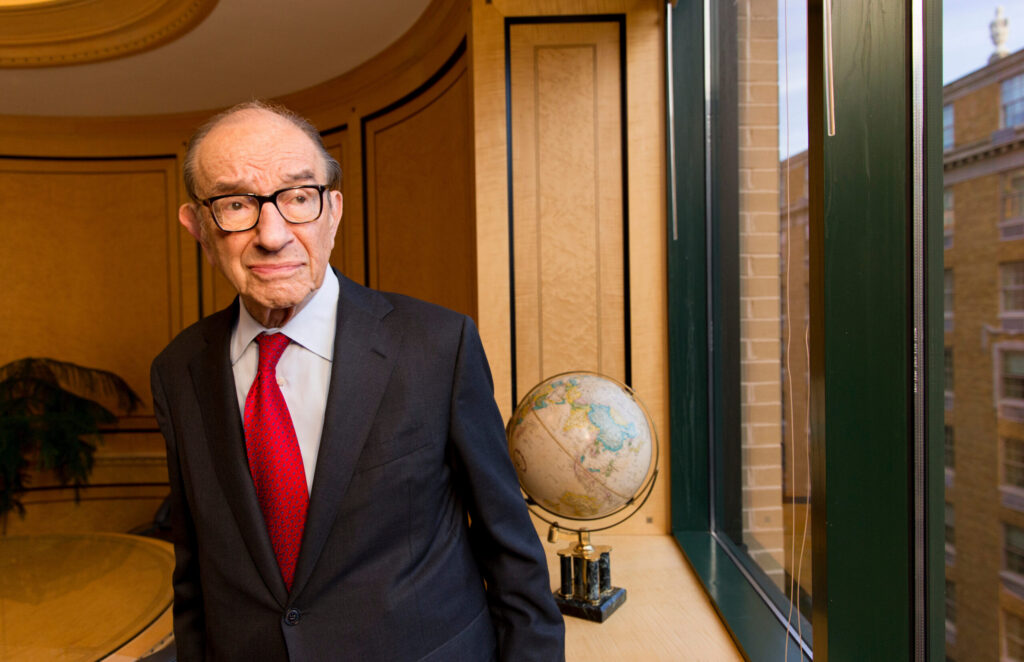
Nearly 30 years ago, then-Federal Reserve Chairman Alan Greenspan coined the term “irrational exuberance” to describe the overheated stock market. That descriptive phrase could also apply to much of the political realm. The hype in politics often grossly exceeds the...

Lauren Boebert’s hard ‘no’ on Pentagon Iran funding request puts Mike Johnson in tough spot
Emily Hallas, Washington Examiner
emily.hallas.washington.examiner@gazetteedit.wpenginepowered.com
Updated 1 day ago
Colorado U.S. Rep. Lauren Boebert announced on Thursday that she will not support further funding for the United States’s war in Iran, marking an uphill battle for the Trump administration’s effort to secure additional financing from Congress. “I’ve already told...
Rubio gains ground in 2028 jockeying as Iran war elevates his profile
Samantha-Jo Roth, Washington Examiner
samantha-jo.roth.washington.examiner@gazetteedit.wpenginepowered.com
Updated 1 day ago
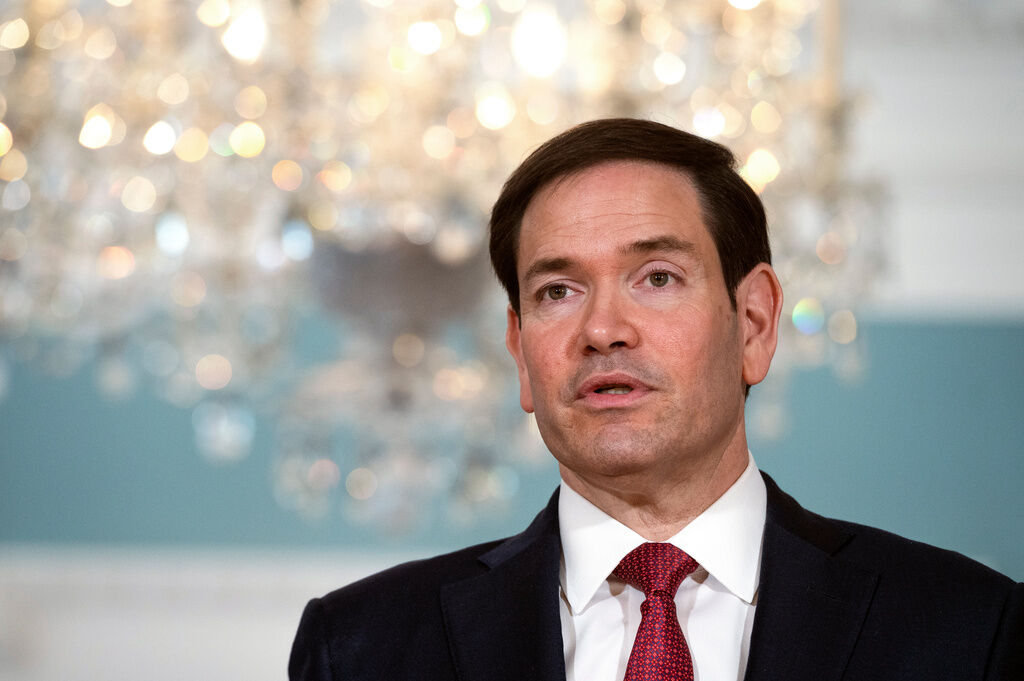
Secretary of State Marco Rubio’s high-profile role in the Trump administration’s response to the Iran war is boosting his standing in the early jockeying for the 2028 Republican presidential nomination — and positioning him as a possible rival to Vice...
Federal judge dismisses claims against medical contractor for Eagle County jail suicide
Michael Karlik
michael.karlik@coloradopolitics.com
Updated 1 day ago
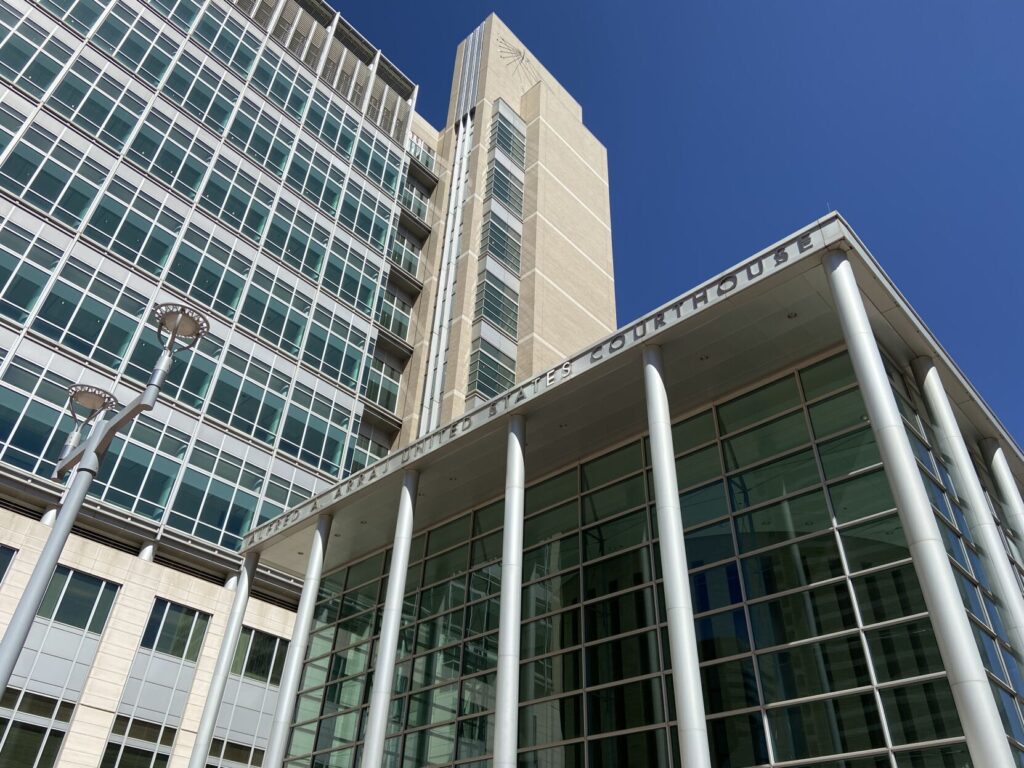
A federal judge dismissed the claims against a medical contractor for the Eagle County jail and its employees earlier this month, concluding there were insufficient allegations that they violated the constitutional rights of a man who died by suicide in...

Colorado Senate committee advances bill increasing overtime threshold for farmworkers
Marianne Goodland
marianne.goodland@coloradopolitics.com
Updated 5 hours ago
The struggle to balance farmworker protections with the survival of Colorado’s family farms took center stage Thursday as senators debated two competing overtime bills. The Senate Business, Labor and Technology Committee held a rare double-bill hearing that led to a...

Colorado bill to fund mental health by raising alcohol taxes defeated in House committee
Marissa Ventrelli
marissa.ventrelli@coloradopolitics.com
Updated 8 hours ago
Colorado legislators on Wednesday narrowly rejected a second measure that would raised taxes on alcohol products in order to fund mental health care treatment in the state. Proponents said the new revenue is necessary to help pay for mental health...
PREV
PREVIOUS

COVER STORY | Facing 'hopeless' future, many young Coloradans turn away from having children
When she was a little girl, Malhia Guzman dreamed of having children of her own. Now, at 21 years old, Guzman said she’s almost certain she’ll never have kids. Guzman’s desires haven’t changed — she still loves and wants children — but she no longer believes she’ll be able to afford them. Guzman said she works two […]

Peer support brings knowing ear to substance-use treatment
Talk to experts about substance use, and one saying gets repeated: The opposite of addiction isn’t abstinence; it’s connection. It’s connection that undermines the shame and loneliness that often perpetuate substance-use disorders. While that connection can take different forms, one of the most useful, experts say, is between current users and recovered ones. No one […]