

Hickenlooper proposal helped seal deal with Sinema on Democrats’ budget reconciliation bill

For the second time in a week, Colorado U.S. Sen. John Hickenlooper is getting credit from fellow lawmakers for helping advance the Democrats’ sweeping climate, health care and tax package, which passed Sunday afternoon.
A Hickenlooper proposal to substitute a new tax on corporate stock buybacks for a different tax provision that was deemed a deal-breaker by U.S. Sen. Kyrsten Sinema led to the Arizona Democrat signing on to the agreement Thursday, giving Democrats the 50 votes they’ll need to begin debate on the filibuster-proof budget reconciliation measure.
According to CNN, which first reported Hickenlooper’s role in helping seal the agreement, Sinema had informed Senate leadership that her support depended on removing a $14 billion tax increase on investment-fund managers, who enjoy a low rate on some income currently classified as “carried interest.” Hickenlooper raised the possibility of replacing it with a 1% excise tax on stock buybacks, which is projected to bring in $73 billion. After Majority Leader Chuck Schumer incorporated the proposal, Sinema announced her support.
Colorado Politics confirmed accounts of Hickenlooper’s part in making the deal happen.
Additionally, Hickenlooper got an OK from economists at the University of Pennsylvania’s Wharton School that the excise tax wouldn’t be inflationary. He’d earlier asked the same experts to review the original legislation, helping secure agreement on the original bill from U.S. Sen. Joe Manchin, the centrist West Virginia Democrat who had previously withheld support for larger reconciliation packages, citing fears they could fuel inflation, among other objections.
The legislation is undergoing what Senate insiders call a “Byrd bath,” a painstaking review by the Senate parliamentarian to determine if the bill meets requirements to be considered under the chamber’s reconciliation rules. It’s named after the late U.S. Sen. Robert Byrd, the West Virginia Democrat who wrote the rule that allows certain budget bills to bypass the filibuster.
Hickenlooper drew praise last week for helping keep negotiations with Manchin going, ultimately yielding the $769 billion package dubbed the “Inflation Reduction Act of 2022″ and described by Hickenlooper as “the most significant piece of climate legislation in U.S. history.”
On Friday morning, Hickenlooper told CNN’s “Inside Politics with John King” that he had been talking earlier in the week with Schumer and other senators, including Colorado Democrat Michael Bennet, about another part of the bill when the topic turned to the tax “adjustments” Sinema might need to support the legislation.
“So I suggested some sort of an excise tax on the stock buybacks,” Hickenlooper said, noting that the proposal had “been in play before” but disappeared, even though it wasn’t something he thought Manchin or Sinema opposed.
Hickenlooper said he suggested cutting the previous proposal from a 2% tax “to maybe 1%, to make it more bearable.”
The sprawling legislation is projected to reduce the federal deficit by some $300 billion, though Republican critics scoff at the claim.
Republican U.S. Sen. Rick Scott of Florida on Thursday night took to Twitter to accuse Senate Democrats of “using the inflation crisis they helped (President Biden) create with reckless government spending to justify even more reckless government spending,” adding, “That makes no sense.”
Editor’s note: This story has been updated the reflected the legislation passing the U.S. Senate on Aug. 7.


Colorado Politics Calendar June 29-July 5
Rachael Wright, Special to Colorado Politics
rachael.wright@coloradopolitics.com
Updated 3 days ago
CoPo’s weekly political calendar will help you find political and public-policy events throughout Colorado. It includes candidate and issue campaign events, public policy meetings, court hearings, state and local party conventions, assemblies, debates, rallies, parades, speaking engagements, traveling dignitary appearances,...
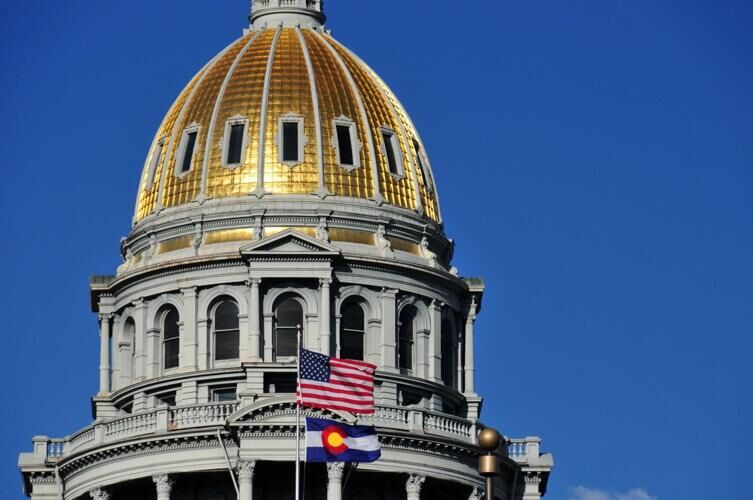
Gov. Lamm’s GOP challenger gives insights into his campaign | A LOOK BACK
Rachael Wright, Special to Colorado Politics
rachael.wright@coloradopolitics.com
Updated 3 days ago
Forty-five years ago this week: “I see Gov. (Richard) Lamm is fairly popular in general,” said gubernatorial candidate and state Sen. Bill Hughes, R-Colorado Springs. “ … And he’ll be hard to beat.” Hughes was on a whirlwind campaign trail...
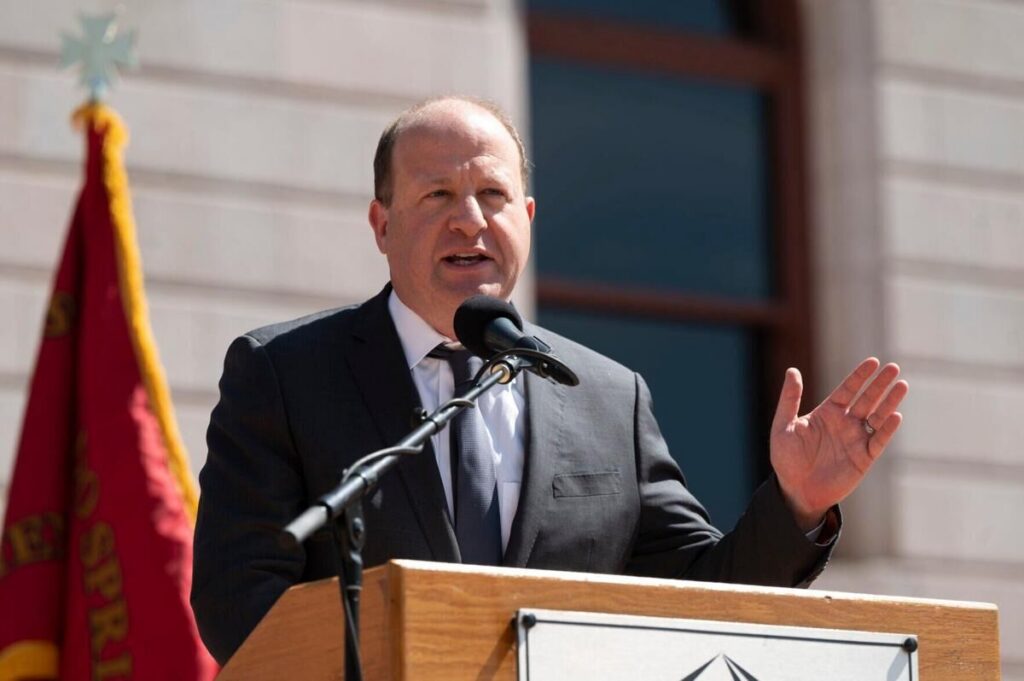
Giving credit to Polis where credit is due | SONDERMANN
Eric Sondermann
eric-sondermann@coloradopolitics.com
Updated 3 days ago
It is an understatement to suggest that Gov. Jared Polis has had a tough couple of months. The bloom was already off the rose and Coloradans were paying far more attention to the choice of his replacement than they were...

Bennet, Hickenlooper to vote against Trump’s 10th Circuit nominee from Colorado
Michael Karlik
michael.karlik@coloradopolitics.com
Updated 6 hours ago
Colorado’s two Democratic senators will not vote to confirm President Donald Trump’s nominee to a vacancy on the Denver-based federal appeals court. Trump has selected U.S. District Court Chief Judge Daniel D. Domenico, who he appointed as a federal trial...
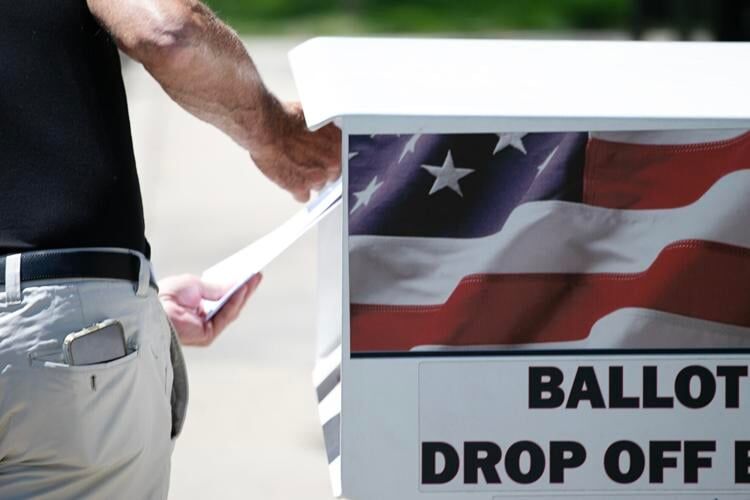
Who’s spending in Colorado to get your vote?
Marianne Goodland
marianne.goodland@coloradopolitics.com
Updated 6 hours ago
Groups that raise unlimited amounts of money have spent about $20 million in May and June to try and influence Colorado voters’ choices in the upcoming June 30 primaries. By law, these groups cannot coordinate with the candidates they support....
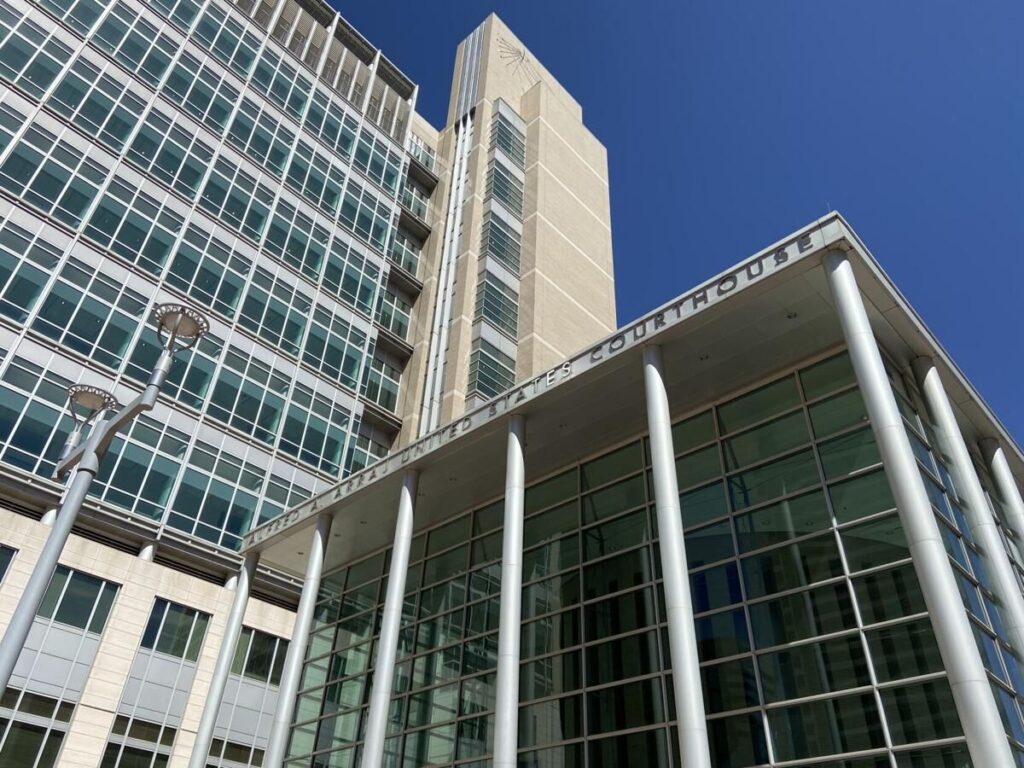
U.S. government declines to oppose multiple challenges to immigration detention in Colorado
Michael Karlik
michael.karlik@coloradopolitics.com
Updated 21 hours ago
Multiple federal judges in Colorado granted petitions from people challenging the lawfulness of their immigration detention this week after the government took the unusual step of declining to submit arguments in opposition. Colorado’s federal trial court is facing a flood of...
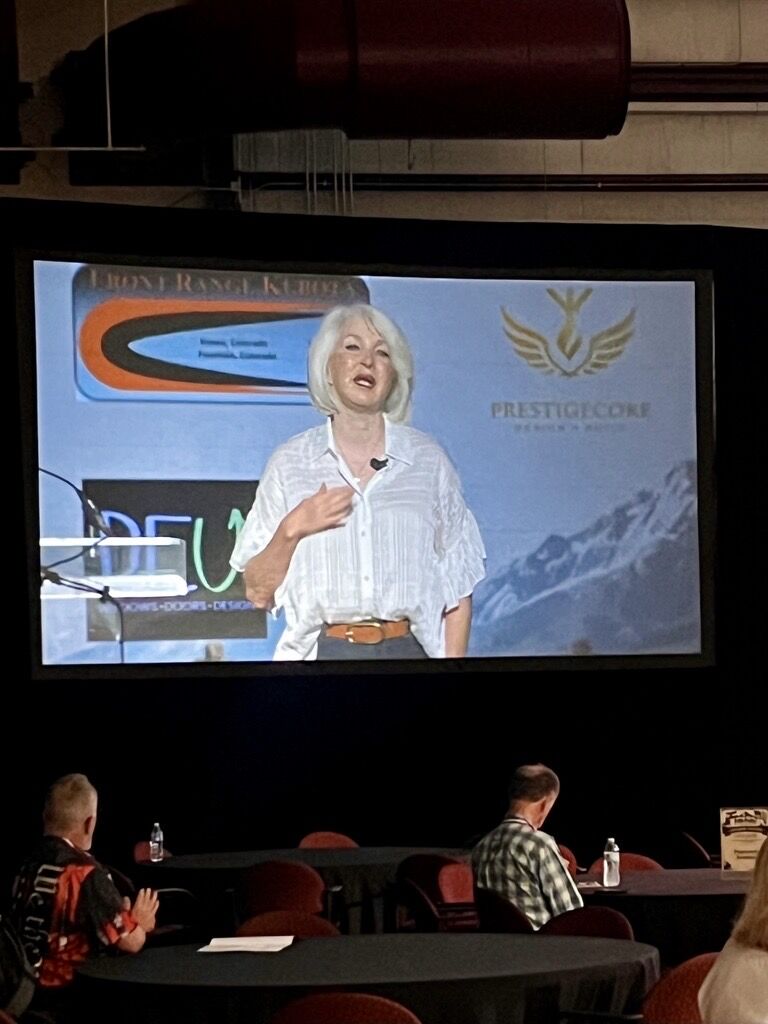
Tina Peters tells supporters to ‘stand up and fight back’ at Castle Rock event
Marissa Ventrelli
marissa.ventrelli@coloradopolitics.com
Updated 21 hours ago
Tina Peters, the former Mesa County clerk recently released from prison, warned supporters that what happened to her could happen to them, too, if they did not “stand up and fight back” at an event at the Douglas County Fairgrounds....

Iran strikes cargo ship in Strait of Hormuz, endangering Trump’s peace
Christian Datoc
christian-datoc@coloradopolitics.com
Updated 1 day ago
Iran attacked a cargo ship traveling through the Strait of Hormuz on Thursday, possibly upending President Donald Trump‘s diplomatic end to the war with Iran. A U.S. official confirmed to the Washington Examiner that the Islamic Revolutionary Guard Corps “struck...
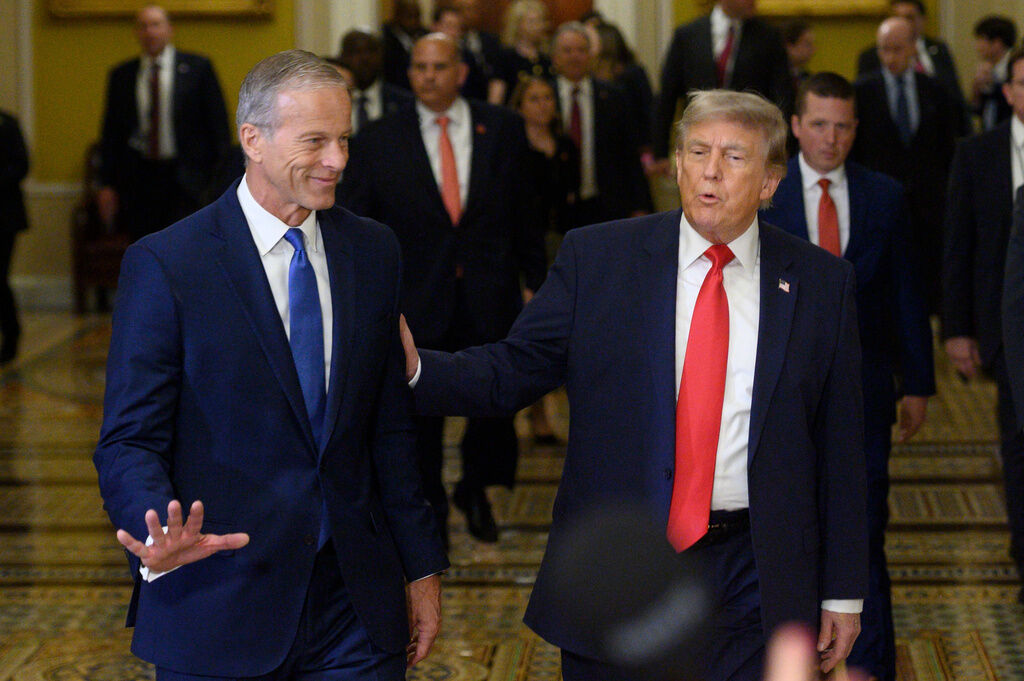
Senate GOP tries to mend fences with Trump after heated lunch
David Sivak
david-sivak@coloradopolitics.com
Updated 1 day ago
Senate Republicans are trying to turn the page on a heated lunch with President Donald Trump that brought weeks of tensions to a new high-water mark. In a symbolic gesture, Senate Republicans took another vote on the Iran war Wednesday...
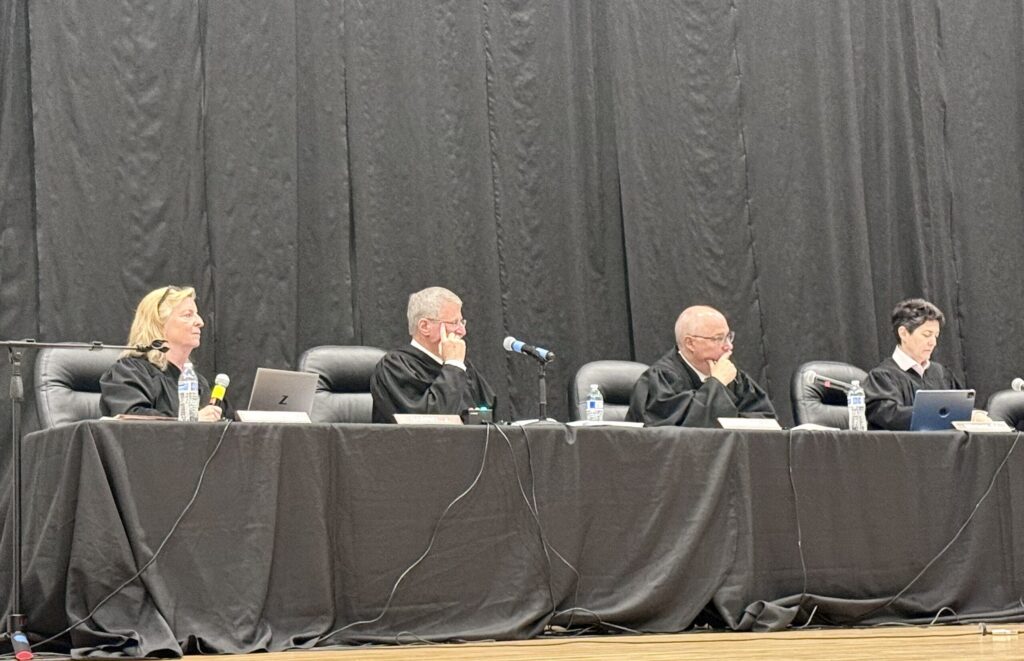
Colorado justices discuss solution to confusion from prior criminal ruling
Michael Karlik
michael.karlik@coloradopolitics.com
Updated 20 hours ago
The Colorado Supreme Court pondered the fallout on Tuesday from its nearly six-year-old decision interpreting the state’s impaired driving laws, with the justices now addressing how defendants affected by the legal change must seek postconviction relief. In contrast to other...