

Aurora City Council OKs mandatory minimum car theft penalties

Aurora has approved what may be the strictest penalties in the state for car theft.
The new, stiffer penalties were approved by a 7-4 vote on Monday night after a tense debate.
Introduced by At-Large Councilmember Dustin Zvonek amid concern over rising auto thefts and criticism by some policymakers and law enforcement leaders that state penalties are too lenient, the new penalties include a mandatory minimum jail sentence of 60 days, going up to 120 days for repeat offenses.
Penalties also include 10 days in jail for failing to appear on a charge, but this would be charged as a separate offense and applies to failures to appear for other municipal offenses except traffic infractions, not only car thefts.
The ordinance changes also include tougher penalties for stealing essential vehicle parts, including catalytic converters — up to 364 days in jail and a maximum $2,650 fine.
State law caps jail sentence for violating municipal ordinances at 364 days.
Colorado State Patrol: Car thefts in 2022 on pace to exceed 2021 numbers
The changes would sunset in 2024, when City Council will reexamine them.
“When someone’s car is stolen, that’s their livelihood. This isn’t a typical property crime,” Zvonek said.
City Council passed the new penalties with seven “yes” votes and four “no votes” from Councilmembers Ruben Medina, Juan Marcano, Alison Coombs and Crystal Murillo.
The changes passed after a failed attempt by Ward Five Councilmember Alison Coombs to postpone any decision until the next meeting so a fiscal analysis can be done on how the new penalties will likely affect costs for prosecutors, the municipal public defender’s office, the court system and the county jails.
Coombs pointed to staffing shortages among city prosecutors, public defenders and the court.
Ward Four Councilmember Juan Marcano proposed an unsuccessful amendment requiring that intent be part of the failure to appear offense and to restrict that offense to car theft charges.
He said he believes the penalty’s broad sweep as it’s written lacks enough research and may bring unintended consequences for the city, such as lawsuits.
“This just seems, frankly, a little sadistic.”
The council left the failure to appear penalty as is also over the objection of Doug Wilson, Aurora’s municipal public defender. He said he believes it has to have language specifying a culpable mental state – essentially the intention to commit a crime or knowledge that an action would lead to a crime being committed – to be constitutional.
“You cannot have an offense that just says, ‘If you do X, you go to jail,” he said.
“You can have a crime that says X and you meant to do it, or you did it knowingly and you are convicted, but that’s not what you’re writing right now.”
Wilson said the mandatory penalties as written would apply to others in a case under a subpoena, including victims and police officers. But Pete Schulte, an attorney for the city, dismissed his concerns, saying the intention is for prosecutors to file charges under the failure to appear provision when cases get to a stage that a person not showing up to court causes great disruption, such as when a trial has already been set.
A legitimate reason for not making a court appearance “would be a defense to that case, but somehow they’re making a conscious decision not to appear in court that day. And that is what satisfies the failure to appear element of that offense.”
Simmering tension between council members during the debate spilled over near the end, when they rejected by another 7 to 4 vote Coombs’ proposal to postpone voting on the penalties.
“I would just like to ask why my colleagues are afraid of discussing the merits of this idea?” Marcano said.
“I’m not afraid of discussing the merits of an idea that is beneficial for the city,” said At-Large Councilmember Danielle Jurinsky, her voice rising slightly. “What you want to discuss is all criminal-friendly, and it’s not up for discussion. I’ll continue to call for the question.”

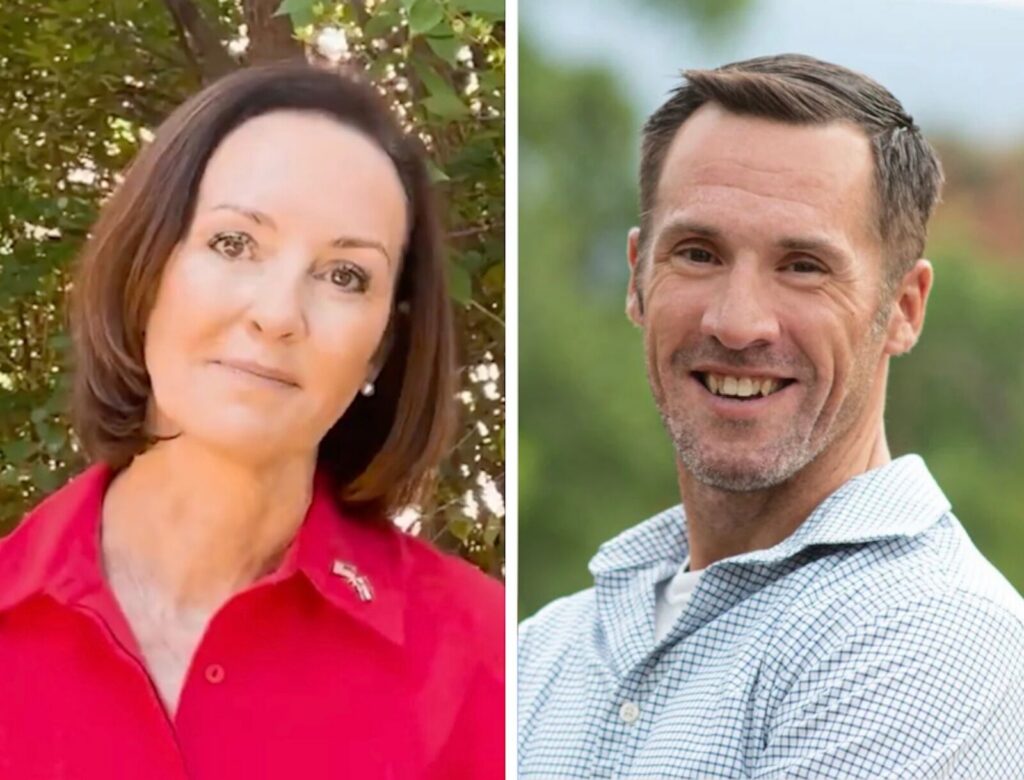
Army veterans Jessica Killin, Joe Reagan qualify for Democratic primary ballot in Colorado’s 5th CD
Ernest Luning
ernest.luning@coloradopolitics.com
Updated 12 hours ago
Democratic congressional candidates Jessica Killin and Joe Reagan secured spots Saturday in Colorado’s June primary to decide who will run against Republican U.S. Rep. Jeff Crank in a district that’s only ever sent GOP lawmakers to Congress. The two Democrats,...

Who has the power to declare war? | Cronin and Loevy
Tom Cronin Bob Loevy
tom-cronin-bob-loevy@coloradopolitics.com
Updated 15 hours ago
Our constitutional framers boldly and ambitiously granted Congress the power to declare war yet granted the executive the responsibility, after war is declared, to supervise war as the commander-in-chief. That worked well until the Cold War began. The U.S. has been...

Latest death brings down wolves’ survival rate to 44% in Colorado
Marianne Goodland
marianne.goodland@coloradopolitics.com
Updated 19 hours ago
The female wolf of the mating pair for the King Mountain pack has died, bringing total fatalities to 14 out of the 25 animals reintroduced in Colorado. The wolf, identified as No. 2310, was among the 10 wolves brought to...

The delicate, ever-changing dance between politics and religion | SONDERMANN
By Eric Sondermann
by-eric-sondermann@coloradopolitics.com
Updated 17 hours ago
The dance, really a marathon that brings to mind the classic movie “They Shoot Horses, Don’t They?”, has been going on as long as there have been governments and organized religion. That is to say that this delicate tango has...
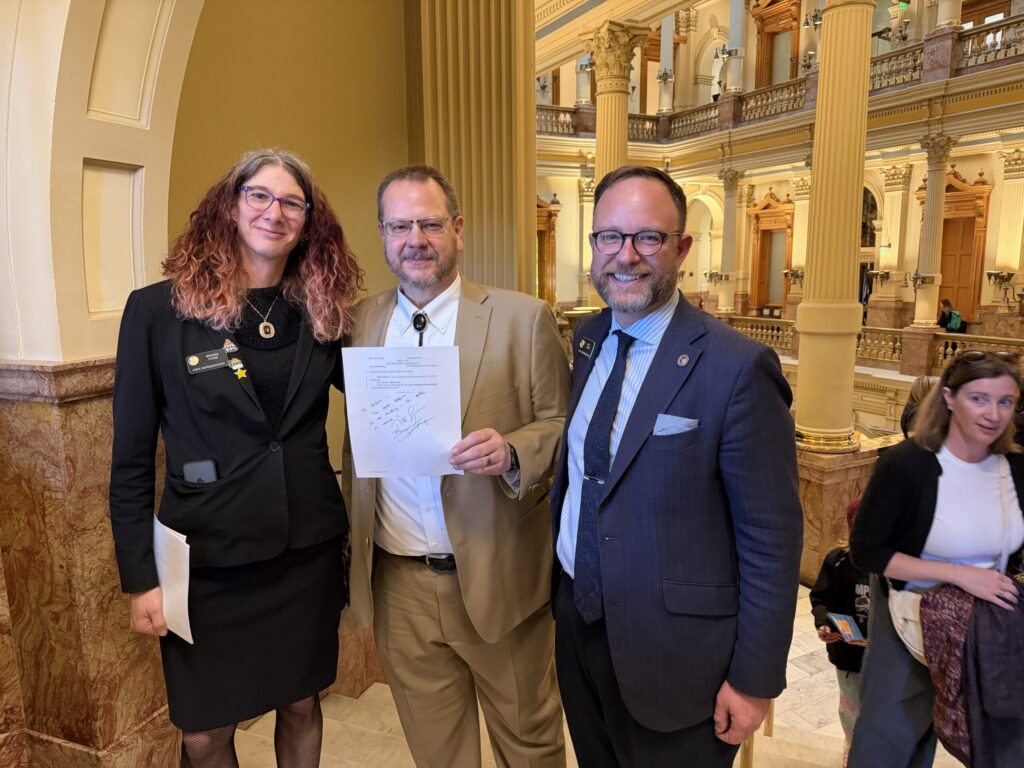
Roasts, get yer roasts, here: Capitol M | Week of March 14, 2026
Marianne Goodland
marianne.goodland@coloradopolitics.com
Updated 4 days ago
The lighter side of the Capitol, especially in the past week Apparently, the pending and eventual switch to daylight stupid time has put people in some pretty funny moods. And thank goodness! On March 4, the Senate approved the appointments...
Polly Baca elected to DNC | A LOOK BACK
Rachael Wright, Special to Colorado Politics
rachael.wright@coloradopolitics.com
Updated 4 days ago
Forty-Five Years Ago This Week: After her loss to Republican U.S. Rep. Hank Brown the previous year in the race for the 4th Congressional District, state. Sen Polly Baca-Barragan, D-Thortnon, was elected as one of the three vice-chairs of the...
Colorado Politics Calendar Mar. 16-22
Rachael Wright, Special to Colorado Politics
rachael.wright@coloradopolitics.com
Updated 4 days ago
CoPo’s weekly political calendar will help you find political and public-policy events throughout Colorado. It includes candidate and issue campaign events, public policy meetings, court hearings, state and local party conventions, assemblies, debates, rallies, parades, speaking engagements, traveling dignitary appearances,...
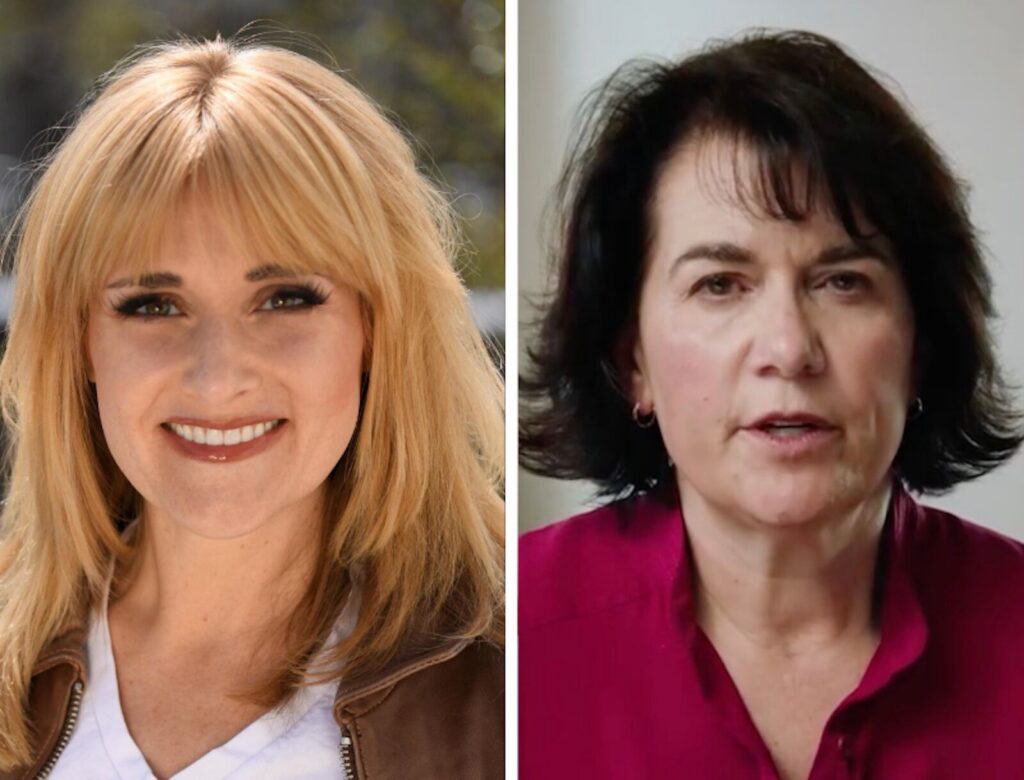
Boebert challenger Eileen Laubacher joins lawsuit aimed at blocking her from Democratic assembly
Ernest Luning
ernest.luning@coloradopolitics.com
Updated 1 day ago
A Denver District Court judge on Thursday permitted Democratic congressional candidate Eileen Laubacher to join a lawsuit filed by one of her primary opponents seeking to prevent Laubacher from participating in the party’s assembly process in a bid to qualify...
Colorado justices weigh fairness concerns after defendant prevailed despite ghosting case
Michael Karlik
michael.karlik@coloradopolitics.com
Updated 13 hours ago
Members of the Colorado Supreme Court struggled on Tuesday to balance the need for one defendant to shield itself against a plaintiff’s claim that its employee sexually assaulted her child, and the fact that the employee legally admitted the allegations...
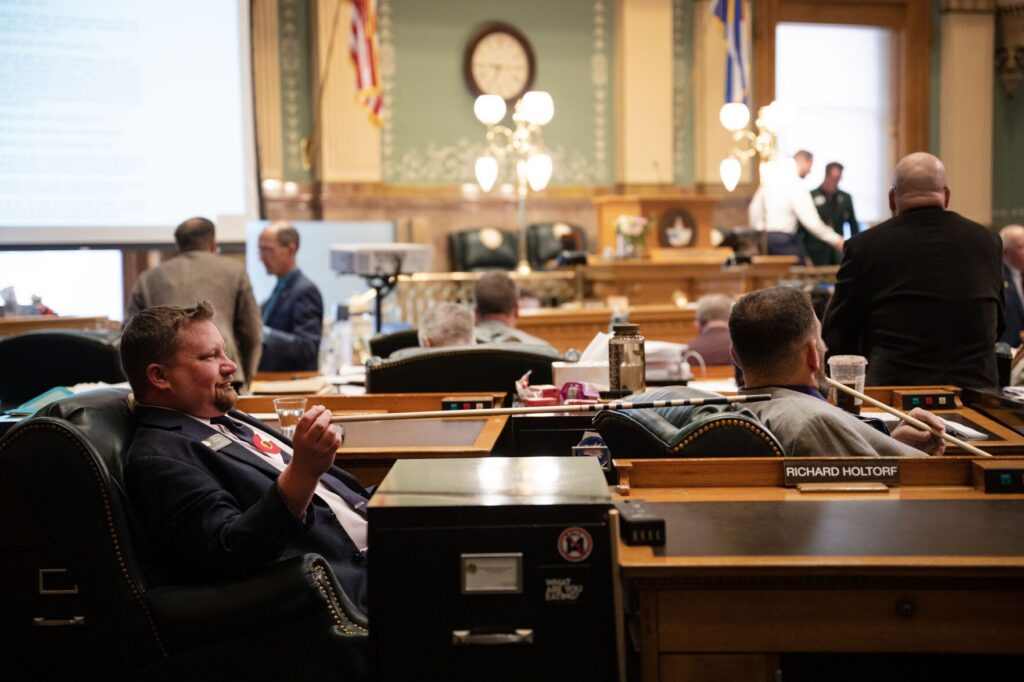
House Ethics Committee to begin hearing on Weinberg complaint
Marianne Goodland
marianne.goodland@coloradopolitics.com
Updated 2 days ago
The House Ethics Committee on Tuesday will begin a hearing requested by Rep. Ron Weinberg, R-Loveland, tied to an ethics complaint filed against him by Rep. Brandi Bradley, R-Roxborough Park. The ethics committee had found probable cause on two issues...
PREV
PREVIOUS

10th Circuit: Right to record police is clearly established under First Amendment
A federal appeals court said in a ruling Monday that recording police encounters is a clearly established constitutional right in Colorado, reversing a lower court’s dismissal of a lawsuit brought by a journalist who claims a Lakewood officer prevented him from recording a DUI stop. Abade Irizarry speaks during a video interview in December 2021. Screenshot […]

Ranked choice voting floated as option to increase turnout in Colorado Springs races
Could rank choice voting increase dismal voter turnout numbers in Colorado Springs? During the last Colorado Springs City Council election in April 2021, about 27% of active registered voters participated, a drop from about 32% turnout in 2017, a comparable non-mayoral race. “Our people are not voting,” Councilman Bill Murray said Monday, during an informal […]