

Rural Colorado power provider gets greener
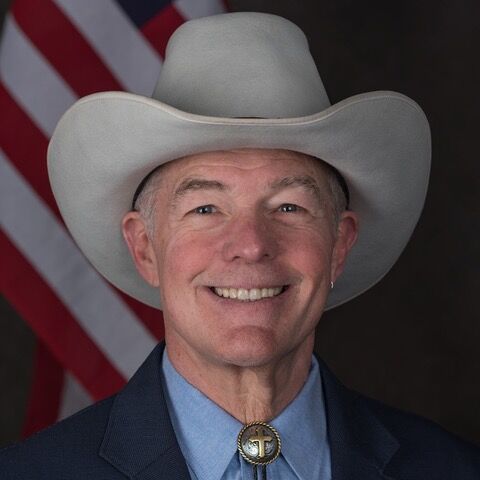

In my six years as a Chaffee County Commissioner, I’ve worked to reform how and where we get our electricity. It’s nice to be able to share good news for a change.
The energy industry is in a period of seismic change, as clean energy takes over from fossil fuels and we address catastrophic climate change. It’s more critical than ever for power providers to adapt to the emerging landscape.
I’ve encouraged our power provider to utilize the region’s abundant solar and wind resources while also trying to bring down consumer costs, and I’m happy to report they are adapting to the times.
Chaffee County, like much of rural Colorado, gets most of our electricity through the rural electric co-op system. In our case, many of the county’s homes and businesses are served directly by Sangre de Cristo Electric Association, which, like 17 co-ops in Colorado and another 25 in neighboring states, buys electricity from Denver-based Tri-State Generation and Transmission. Tri-State is the second-largest electricity producer in Colorado, and its members are under long-term contracts through 2050.
For many years, Tri-State members have paid some of the highest rates in the state to transport expensive, dirty coal-powered electricity from plants in Colorado, Arizona and Wyoming. For most of Tri-State’s 70-year history, co-op members like us were unable to challenge high rates or push for alternatives. For rural Colorado communities, coal-generated power from Tri-State was the only option.
But things are changing quickly. Starting In 2019, Tri-State began a transformation already producing sweeping changes that benefit all Tri-State members. First, a measure passed by the legislature that year finally made Tri-State subject to scrutiny by the Public Utilities Commission just like utilities such as Xcel Energy.
Next, facing pressure across its system from community leaders and rural co-op members, Tri-State in early 2020 committed to a dramatic increase in renewable energy and decrease in coal, with a projected 70% reduction in CO2 emissions by 2030.
When members demanded further climate action later that year, Tri-State announced an expanded commitment to cut CO2 emissions; the new goal for its Colorado operations was an 80% reduction below 2005 levels by 2030, matching Gov. Jared Polis’s Greenhouse Gas reduction target.
Another auspicious development saw Tri-State change its requirement that member co-ops purchase 95% of their electricity from Tri-State. Under the new policy, member co-ops can procure up to 35% of their electricity through clean, local alternatives, which three cooperatives are already pursuing.
Most recently, Tri-State reached a settlement to increase energy efficiency, put off building any new methane gas plants and model earlier retirements of its expensive coal plants. These new goals are exactly what we’ve been asking for, and they are now locked into Tri-State’s binding Electric Resource Plan.
Turning the Tri-State ship this quickly is cause for celebration. As commendable as these changes are, however, the work is not done. Climate solutions cannot wait. In the last few years, Colorado has experienced its most devastating wildfires in history, and the mega-drought is changing life as we know it in the American West. Electricity is the second-largest carbon emitter in Colorado after transportation, and reductions in emissions from electricity will help avert the worst impacts of climate change.
Another benefit to accelerating this energy transition is that it will help control costs. Tri-State could save member-owners $43 million annually by retiring the Craig coal station in 2026 instead of 2029, as currently scheduled. It should also retire its expensive Springerville-3 coal plant in Arizona. Coloradans don’t get any electricity from the plant, even though we’re paying for it.
I commend Tri-State for moving in the right direction and urge members to continue pushing for even more. I hope to see progress continuing toward a cleaner, cheaper electricity system powered by renewable energy right here in our rural Colorado communities, where sun and wind are abundant.
Keith Baker serves on the Chaffee County Commission and is a businessman and retired U.S. Navy commander.


Stealing voters’ expectation of expert wildlife management | Rachel Gabel
Rachel Gabel
rachel-gabel@coloradopolitics.com
Updated 11 hours ago
Sen. Byron Pelton is my senator and a vote for him (or theoretically any other elected official) is a vote of confidence that he will represent his stakeholders. It is expected that he will vote for what his stakeholders want, based on what he...

Are our overlords normalizing power outages? | Jon Caldara
Jon Caldara
jon-caldara@coloradopolitics.com
Updated 4 days ago
I’ve lived in Colorado since 1970. And you know what Colorado had back in 1970? High winds blowing down the Front Range. I moved to Boulder in 1984 and have been there ever since. And you know what Boulder has...

Who has the power to declare war? | Cronin and Loevy
Tom Cronin Bob Loevy
tom-cronin-bob-loevy@coloradopolitics.com
Updated 2 days ago
Our constitutional framers boldly and ambitiously granted Congress the power to declare war yet granted the executive the responsibility, after war is declared, to supervise war as the commander-in-chief. That worked well until the Cold War began. The U.S. has been...

The delicate, ever-changing dance between politics and religion | SONDERMANN
By Eric Sondermann
by-eric-sondermann@coloradopolitics.com
Updated 2 days ago
The dance, really a marathon that brings to mind the classic movie “They Shoot Horses, Don’t They?”, has been going on as long as there have been governments and organized religion. That is to say that this delicate tango has...
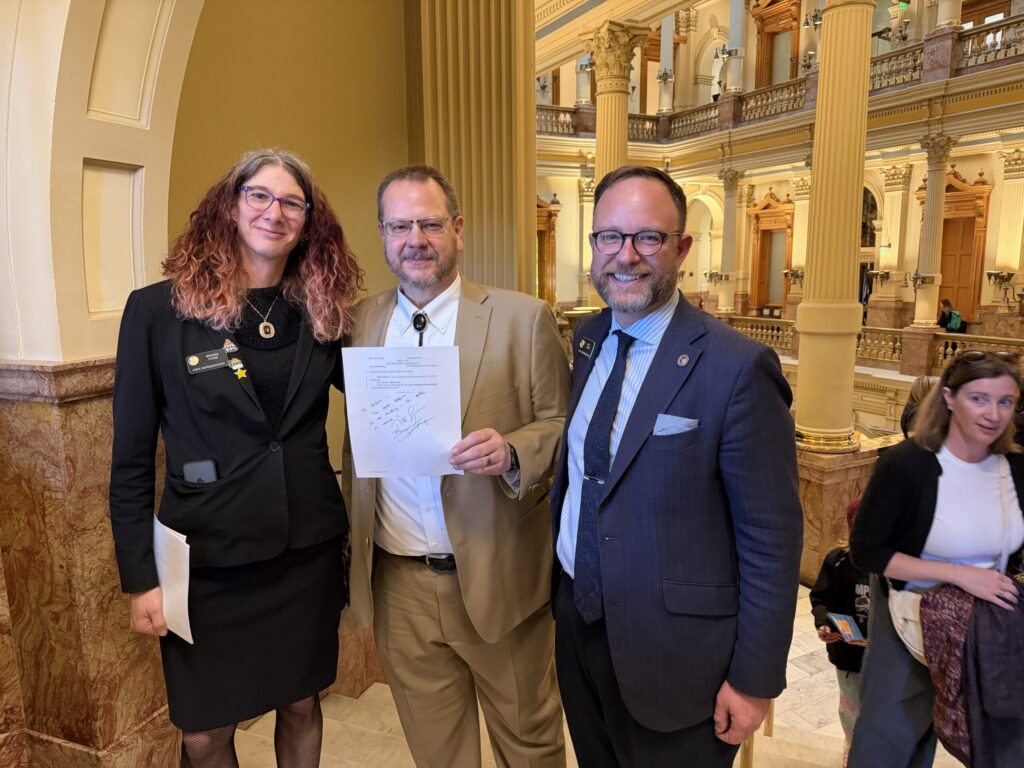
Roasts, get yer roasts, here: Capitol M | Week of March 14, 2026
Marianne Goodland
marianne.goodland@coloradopolitics.com
Updated 5 days ago
The lighter side of the Capitol, especially in the past week Apparently, the pending and eventual switch to daylight stupid time has put people in some pretty funny moods. And thank goodness! On March 4, the Senate approved the appointments...

Colorado’s election audits are built on math, not politics | IN RESPONSE
Colorado Politics
colorado-politics@coloradopolitics.com
Updated 4 days ago
By Amanda Gonzalez You don’t build a secure election system overnight. You build it over years — layer by layer — reinforcing it with stronger safeguards, better technology and more transparency. In Colorado, one of those safeguards is a little-known...
The backstory behind the school-funding TABOR ballot initiative | Paula Noonan
Paula Noonan
paula-noonan@coloradopolitics.com
Updated 5 days ago
Last session, the General Assembly took in a report on K-12 public school funding. The legislature ordered the report because an idea circulated Colorado was among the bottom five states in dollars allocated per student even though it is one...
Senate Bill 22 critical to keeping energy costs affordable, power reliable | PODIUM
Colorado Politics
colorado-politics@coloradopolitics.com
Updated 4 days ago
By Brian Wortinger I love Colorado’s outdoors. I’m an avid skier and hiker and my happiest days are spent deep in the mountains with no one around for miles. I want to protect that environment as much as anyone along...

Swipe-fee ban a giveaway to big boxes, mega-chains | IN RESPONSE
Colorado Politics
colorado-politics@coloradopolitics.com
Updated 6 days ago
By Jenifer Waller Four Colorado lawmakers recently published an op-ed in Colorado Politics calling for legislation to prohibit interchange fees on the sales tax portion of credit and debit card transactions (“Why Colorado should stop charging swipe fees on sales...

Leveling the playing field —why Colorado must fight fire with fire on redistricting | OPINION
Colorado Politics
colorado-politics@coloradopolitics.com
Updated 5 days ago
By Curtis Hubbard So Dick Wadhams suddenly cares about mid-decade redistricting — hyperventilating about efforts to “hijack Colorado’s congressional map” and calling those of us involved with the effort “amazingly naive.” Where was his outrage last year when President Donald...
PREV
PREVIOUS

Aurora Sentinel: Car theft proposal hardly a steal of a deal for future victims
It’s good news that at least some lawmakers say they’re keenly interested in addressing rampant car thefts in Aurora and the metro area. The bad news for future car-theft victims is that at least one local proposal will do little or nothing to solve the problem. Aurora Councilperson Dustin Zvonek has been peddling a plan […]

CRONIN & LOEVY: One people, one planet, one future?
Tom Cronin & Bob Loevy Combatting terrorism, global food shortages, climate change, pandemics and supply-chain disruptions requires cooperation among many nations. No one, or even a few nations, can do these things alone. U.S. Defense Secretary Lloyd Austin noted these realities on two recent trips to Colorado Springs. He hosted Canadian Prime Minister Justin Trudeau […]