

Q&A with Kathy White | Fiscal watchdog amplifies community’s voice
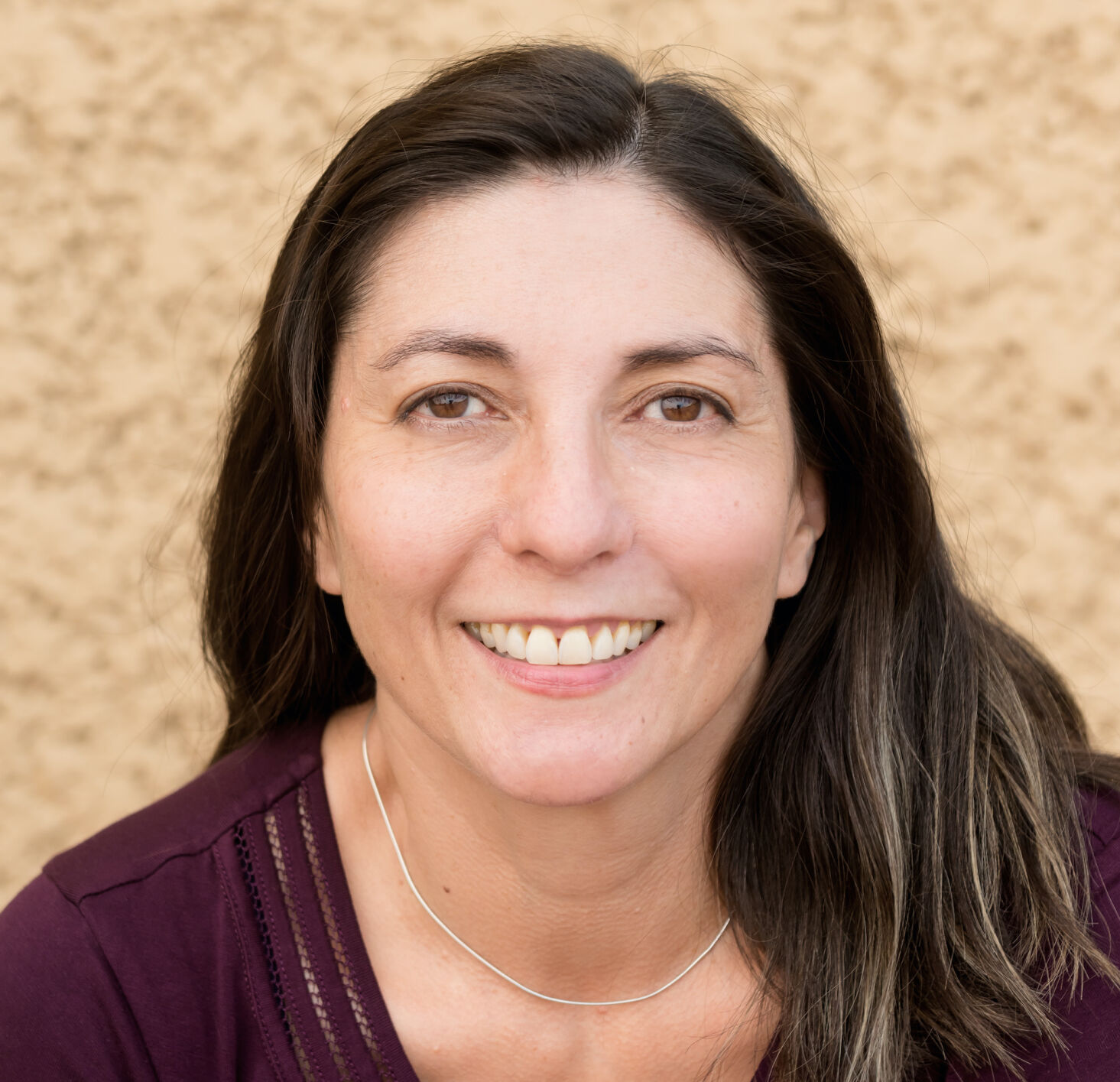
Kathy White was named executive director of the Colorado Fiscal Institute in January after serving as the nonprofit’s deputy director for the previous nine years, since 2012 when the nonpartisan organization spun off from the Colorado Center on Law and Policy. Before that, White headed CFI for a dozen years when it was a project of the larger organization, nurturing it from a one-person operation to one of the state’s most prominent voices on tax, budget and economic policy.
Born and raised in Colorado, White got her undergraduate degree from Metropolitan State College in Denver and earned a master’s degree in Humanities from the University of Colroado Denver. She lives with her family in Denver.
Our interview with White has been lightly edited for clarity and length.
Colorado Politics: You’ve been with the Colorado Fiscal Institute since the beginning, when it was housed at the Colorado Center on Law and Policy, and for the decade since it spun off as a separate nonprofit. Where have the organizations you’ve helped lead fit in the policy arena?
Kathy White: The Colorado Fiscal Institute started in the late 1990s as an all-volunteer coalition of mostly health care, human service and education advocates who realized they needed to be much more budget savvy to be effective within Colorado’s fiscal limits, which at the time included both TABOR and the Gallagher Amendment. In 1998, the coalition sought the expertise of the Washington D.C.-based Center on Budget and Policy Priorities and through that relationship – one that continues to this day – realized the need for the permanent capacity to do state tax, budget, and economic research in Colorado. CFI became a permanent project of the Colorado Center on Law and Policy in 1999, which is when I started at CCLP.
While a project of CCLP, CFI went from being a scrappy, one-person shop to a premier fiscal and economic policy advocacy organization, known for its solid research and collaborative community engagement. In 2012, Carol Hedges and I decided to launch CFI as an independent nonprofit dedicated solely to fiscal and economic policies that advance equity and widespread economic prosperity.
Over our 20-plus year history, CFI has won major victories for low-income families, like spearheading the effort to establish and expand a permanent state earned income tax credit that benefits nearly 500,000 Colorado families every year, even becoming the first state in the country to ensure that this effective support for working families is available to immigrant taxpayers. We’ve also quietly secured hundreds of smaller victories that build resilient communities, benefit families and children, enhance equity, or improve the transparency, efficiency, and accountability of government. In past years we’ve helped pass the state’s first comprehensive tax expenditure study, an analysis by the Department of Revenue that gives lawmakers the information they need to make better decisions every year. During this year’s legislative session, CFI led the charge to modernize Colorado’s unemployment insurance system, to ensure that the UI safety net helps the lowest wage workers.
CFI has also been a leading voice on fiscal ballot measures. Our team watchdogged the Colorado Title Board to play defense on measures to cut taxes and other tax and expenditure limits that hamstring the ability of state and local governments to invest in Colorado communities. We’ve also provided data and analysis for proactive revenue campaigns, led legal strategies to test ballot language and push the boundaries of challenges to TABOR, and even won a landmark Colorado Supreme Court case that finally determined TABOR can be repealed with just one ballot measure.
I also think CFI is unique in its place in the progressive community. Each year, new partners come to CFI asking us to do the research and analysis that can help them win on their policy priorities. The ability to conduct an analysis of the cost, fiscal implications and economic impact of any given policy change is typically reserved for powerful special interests, business or government. We pride ourselves in using our research skills to amplify the voice of community.
Finally, CFI’s is the only organization in Colorado that is specifically grounded in uprooting and replacing tax policies that result in racially biased economic and social outcomes. We believe our priorities must help build power within communities to dismantle systemic barriers to full economic participation that Coloradans of color, women, immigrants, and low-wage workers face. We can’t have widespread prosperity when communities that have survived historic racism and persistent disinvestment continue to face these types of barriers.
?CP: As someone who’s been a close policy watcher for going on two decades, how do you think Colorado’s politics have changed this century? Has your job gotten any easier??
White: Colorado has been trending more and more progressive for the last two decades. A lot of the attention gets put on partisan politics, but progressives have gotten some big wins at the ballot and in the legislature. We’ve won a strong paid leave plan, repealed the Gallagher amendment, and a lot of good fiscal policy like an expanded state earned income tax credit. And even on some of the issues we’ve lost, we’re seeing it trend in the right direction. I wouldn’t say my job has gotten any easier, but I do think Colorado voters are tuned into our issues in a way that I haven’t seen in the past. They share our beliefs in tax fairness and building an economy that works for everyone, not just the wealthy and well-connected. We have recent opinion polling that shows voters are much more supportive of changing the rules so that the rich pay their fair share.
In general, I think most people agree that all work has dignity, and our economy should deliver for everyone. I think politics haven’t shifted in isolation: part of the reason why we’re seeing this happen is because of how unfair and inequitable our economy has become. That inequality is unsustainable and a threat to our economy and our democracy. I think Coloradans understand that and are more willing today to look for solutions for a fair tax code, to ensure our government makes smart investments in our communities, and that the rules about who pays taxes support working people and provide opportunity.
???CP: As this year’s legislative session was beginning, CFI said its top priorities included coming up with a fair and equitable way to distribute TABOR rebates and trying to make sure federal aid is spent to maximize impact for working people and boost the economy, which is still getting on its feet in some ways after the pandemic shutdown. Did the session accomplish what you’d hoped?
White: CFI saw some big wins this session. One of our main priorities was making sure the over $2 billion in expected tax rebates required by TABOR would go out in a fairer way. Going into the session, we knew the existing rules for rebating that money would mean wealthy people would be getting the bigger checks than the rest of us. That seemed particularly cruel for working families who are struggling to catch up from the pandemic and facing higher costs for basic needs. We advocated for an identical rebate to go to every Coloradan. That’s exactly what the governor and the legislature ended up doing. The headlines are all about $400, or now $500 checks, but it’s only happening because we’re distributing $200 million that would have gone to the richest people in the state and giving it to working families who earn less than $95k a year. We should be doing more of that. That law also made the rebates go out this summer instead of next year, which is a smart idea we really like. We know that money is going to mean more to working families now than it would a year from now. Those workers and families will also spend this money in their local economy, helping to fuel the recovery.
CFI’s other main priority was the unemployment insurance program, which was truly a lifeline for millions of Coloradans during the pandemic. We worked closely with business groups and legislative leaders to craft a bill that will stabilize funding, create some certainty for businesses and make the program work better for workers, particularly workers who earn low wages. The program will get a $600 million infusion of federal funds and some policy changes that will help simplify and improve the system for workers by making permanent some of the changes that came about during the pandemic. That means when the next recession comes, and it will come eventually, it won’t take an act of Congress for Colorado workers to get the help they need when they need it.
One area I’m disappointed lawmakers didn’t find a way to address is using federal funds to give bonuses and increased pay to essential workers and their families. We hoped that some version of that policy would move forward to not only show our gratitude to the many health care, grocery and care giving workers who kept this state running during the pandemic, but also to create an incentive for these workers to stay on the job despite high levels of stress and burnout. These essential industries are facing a lot of turnover, which is costly for employers and for those of us who rely on the goods and services that these workers provide. Lawmakers must continue to find ways to support these and other essential workers now and in the future.
?CP: Inflation is a top concern – by a wide margin – in nearly every recent poll of voter sentiment. In retrospect, has all the federal aid pouring into the economy amid pandemic supply chain issues exacerbated the problem? What are your policy prescriptions going forward?
White: One caveat – I’m not economist, but I’m surrounded by them at CFI. In retrospect, federal aid had less to do with the inflation we see now than the pandemic economy itself. Our economy is service based and when the pandemic hit, we suddenly went from a 21st century economy with people spending on services and travel to a 1950’s economy with people buying goods like toasters and sofas. At the same time the supply of those goods was slowed or stopped, which brought increased costs. Federal aid helped keep demand up, but that aid is all but over now.
We also must remember that the pandemic recession was unlike any other. We usually want federal aid in a recession to stimulate economic activity – that helps slow job loss and deeper downturns. However, during the pandemic, we didn’t want to stimulate economic activity-we wanted to depress it. We needed people to stay home. So federal aid acted more like a social insurance program or a safety net that allowed people to stay home, keep a roof over their heads and food on the table until we could open things up again. In that respect, federal aid did what it was supposed to do. It kept a lot of businesses hanging on, a lot of people healthy, and a lot of families and children out of poverty.
That doesn’t help with how folks are feeling with higher costs today. There isn’t as much that a state can do to ameliorate inflation. It really requires federal action. The better question is what can the state do to help families who are struggling with higher costs meet their needs while we see what the federal government does. We can use tax policy to do this.
Also, looking at the biggest drivers of inflation in Colorado, are there ways to ease those costs? Housing is one of the biggest components of the index used to determine inflation, and because of Colorado’s growing housing costs, we’ve had higher-than-average inflation for the past five years. There was a lot of activity this year on property taxes, but those solutions don’t really deal with housing affordability. The cost of transportation is another big component of inflation. If we make alternative modes of transportation more affordable and effective for more people, that will ease costs for them, and it would have the added benefit of helping fight climate change.
One way the state could help is to pass policies that attract workers through non-wage benefits. The state could help subsidize the cost of working (e.g., childcare) and create incentives for businesses to provide flexible scheduling, paid family leave, work-from-home policies, and health, mental health or continuing education resources or programs.
CP: How does your multicultural background influence your approach to your work?
White: My mom is an immigrant from Okinawa, Japan. She met my dad when he was stationed there as a Marine and came to Colorado in the early 1960s, so I’ve spent my life with a front row seat to the immigrant experience in the U.S. Navigating our immigration system, seeing the way immigrants are often treated in our country, and being a bi-racial woman have had enormous influence on the work I do. That background shapes my worldview, my work ethic, my values, and because of them I feel a deep connection to CFI’s mission of equity and economic prosperity for all.
I am grateful every day for being able to work on systemic policies that help to create an economy and a society where all people, no matter where they are from or what they look like, are treated with fairness and dignity, and have the opportunity to participate to their fullest ability and desire.
?CP: What are the immediate challenges you see ahead for Coloradans and the state’s economy? What about more long-term?
White: I think the immediate and long-term challenges to our economy are related. There were a lot of people who weren’t doing well in the pre-pandemic economy. These Coloradans, many of them immigrants, people of color, women with young children, were the least prepared for the pandemic recession. And the gaps only widened during the pandemic. Many of these folks are again struggling with high costs of basic needs and face greater challenges in preparing for the next recession. At CFI, we truly believe that people are the economy, and if some people aren’t doing well, then by definition our economy isn’t doing well. We should be more intentional about addressing the growing inequality in our economy and laser focused on implementing policies that disrupt that trend.
CP: What do you do in your spare time?
White: I was born and raised in Colorado and love everything about this place. Of course, spending time in the mountains camping, hiking, and geeking out at Colorado historic sites really feeds my soul. My dad was an expert fly fisherman, and while I thought fishing was so boring as a kid, I can’t get enough of it now. Sadly, my own kid, who is going into Denver School of the Arts high school next year, is more of a city kid and refuses to camp with me anymore. So I also enjoy all the urban adventures that Denver has to offer. I like to spend time at the Denver Art Museum, History Colorado, Denver Center for the Performing Arts – all the great things that are funded by the taxes we pay to the Scientific and Cultural Facilities District! I’m also a little bit of a foodie. There is so much talent in this city now, so when I can, I love to try new restaurants.

10th Circuit rejects ‘penalty’ for children of naturalized citizens seeking visas
Michael Karlik
michael.karlik@coloradopolitics.com
Updated 4 hours ago
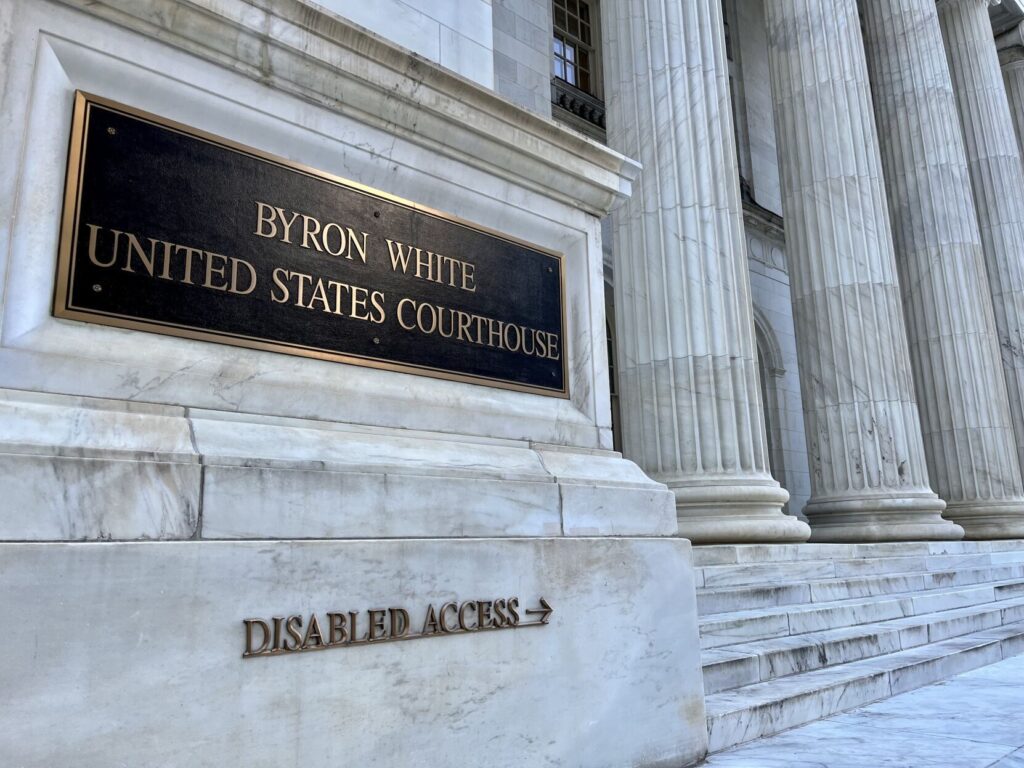
The Denver-based federal appeals court joined three of its peers earlier this month and determined the child of a newly naturalized U.S. citizen is not moved to a longer visa line as a result of his parent gaining citizenship, and...
Colorado committee votes to rename César Chávez Day to Farm Workers Day
Marianne Goodland
marianne.goodland@coloradopolitics.com
Updated 5 hours ago
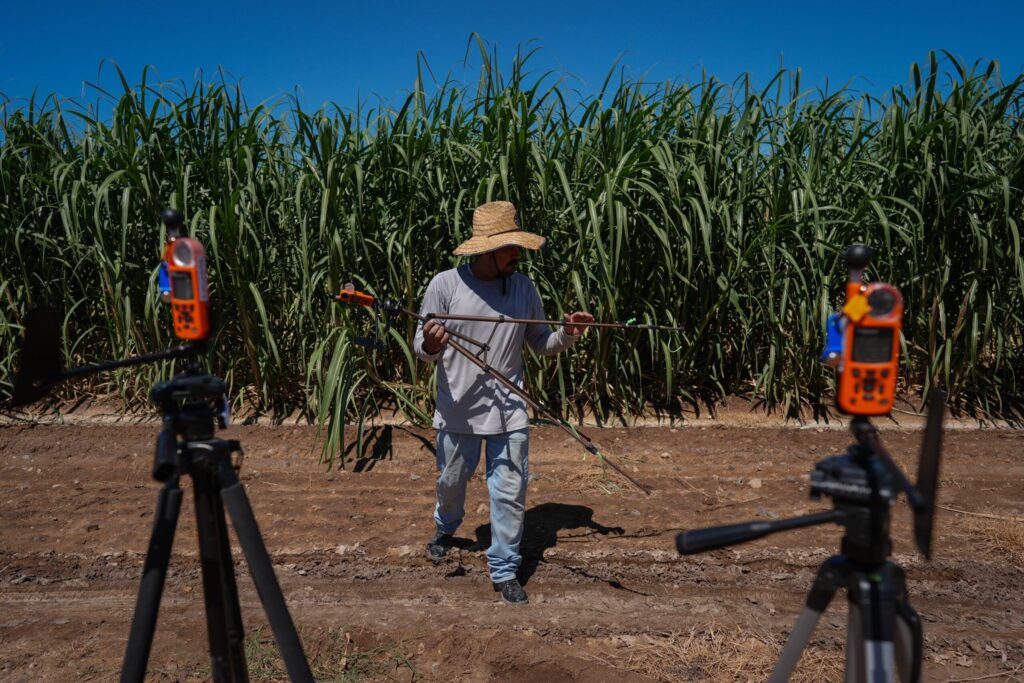
A Colorado House committee has voted to rename the March 31 state holiday from César Chávez Day to Farm Workers Day, following a national shift prompted by sexual abuse allegations against Chávez. House Bill 1339 was introduced on Friday and...
Colorado Sen. Mike Weissman calls for cold water on heated hate speech
Marianne Goodland
marianne.goodland@coloradopolitics.com
Updated 7 hours ago
Likening the recent record-setting warm temperatures to hot political rhetoric, Colorado Sen. Mike Weissman, D-Aurora, pleaded for an end to death threats and other hate speech directed at lawmakers of both parties. “The increasingly tragic reality of our politics, however, like...
Ethics panel dismisses complaint against Colorado agency chief Dan Gibbs
Marianne Goodland
marianne.goodland@coloradopolitics.com
Updated 4 hours ago
A state ethics panel has dismissed a complaint against Dan Gibbs, executive director of the Colorado Department of Natural Resources. The complaint, filed in December 2021 by the Republican-affiliated group Defend Colorado, alleged Gibbs awarded the think tank Keystone Policy...

Denver airport hasn’t had notice ICE agents will assist TSA yet. Wait times are short, though
Bernadette Berdychowski
bernadette.berdychowski@denvergazette.com
Updated 7 hours ago
As President Donald Trump deployed immigration agents to help U.S. airports manage hours‑long security lines during the partial government shutdown, Denver International Airport remained relatively calm on Monday. At the nation’s third‑busiest airport, TSA PreCheck lanes remained open to start...
Appeals court recognizes longer window to sue insurers for withholding policy details
Michael Karlik
michael.karlik@coloradopolitics.com
Updated 10 hours ago
Colorado’s second-highest court split with its own prior decision earlier this month and concluded injured motorists have two years, not one, to sue insurance companies for withholding relevant information about an at-fault driver’s policy. In 2019, Colorado lawmakers enacted a measure to...

Trump open to $5 billion ICE funding cut if SAVE Act package passes
Zach LaChance, Washington Examiner
zach.lachance.washington.examiner@gazetteedit.wpenginepowered.com
Updated 11 hours ago
President Donald Trump signaled he is open to a $5 billion funding cut for U.S. Immigration and Customs Enforcement if the Senate passes the Save America Act, along with other amendments. “I don’t think we should make any deal with...

Appeals court decides free speech cases, error-prone judge reversed again | COURT CRAWL
Michael Karlik
michael.karlik@coloradopolitics.com
Updated 11 hours ago
Welcome to Court Crawl, Colorado Politics’ roundup of news from the third branch of government. The state’s Court of Appeals decided multiple cases implicating free speech rights, plus Colorado’s most error-prone judge was reversed on appeal yet again. Heard on...
It’s time to let unaffiliated voters caucus | Vince Bzdek
Vince Bzdek
vince.bzdek@gazette.com
Updated 12 hours ago
There’s no getting around it: Colorado’s 3,000 county caucuses, which just wrapped up recently, left half the electorate out in the cold. Since unaffiliated voters now make up 51% of all Colorado voters, a majority of Colorado electors are barred...

With new medical school set to open, Feinstein will step down as UNC president
Hap Fry, Special to The Gazette
hap-fry@gazette.com
Updated 4 hours ago
GREELEY • Dr. Andrew “Andy” Feinstein, the charismatic president of the University of Northern Colorado, has announced that he will step down from his leadership role just on the cusp of what is perhaps his signature accomplishment being realized. He’ll...
PREV
PREVIOUS

Denver City Council 2023 budget priorities: community engagement, housing, public safety
Denver City Council left its annual budget retreat with the goal of focusing 2023’s funding on community engagement, increasing affordable housing, reframing public safety, workforce and business recovery, protecting the environment and increasing transportation in the city. These priorities will serve as a guide to the mayor’s office and other city agencies as they develop […]

Colorado Springs City Council President Tom Strand running for mayor
Colorado Springs City Council President Tom Strand joined the race for mayor Monday and promised to increase support for public safety if elected. The city needs more police, increased fire protection and upgrades to emergency management, Strand told a small crowd gathered at Memorial Park. “I think everybody is on edge and they feel nervous […]