

Denver’s COVID level raised to medium amid recent uptick in cases
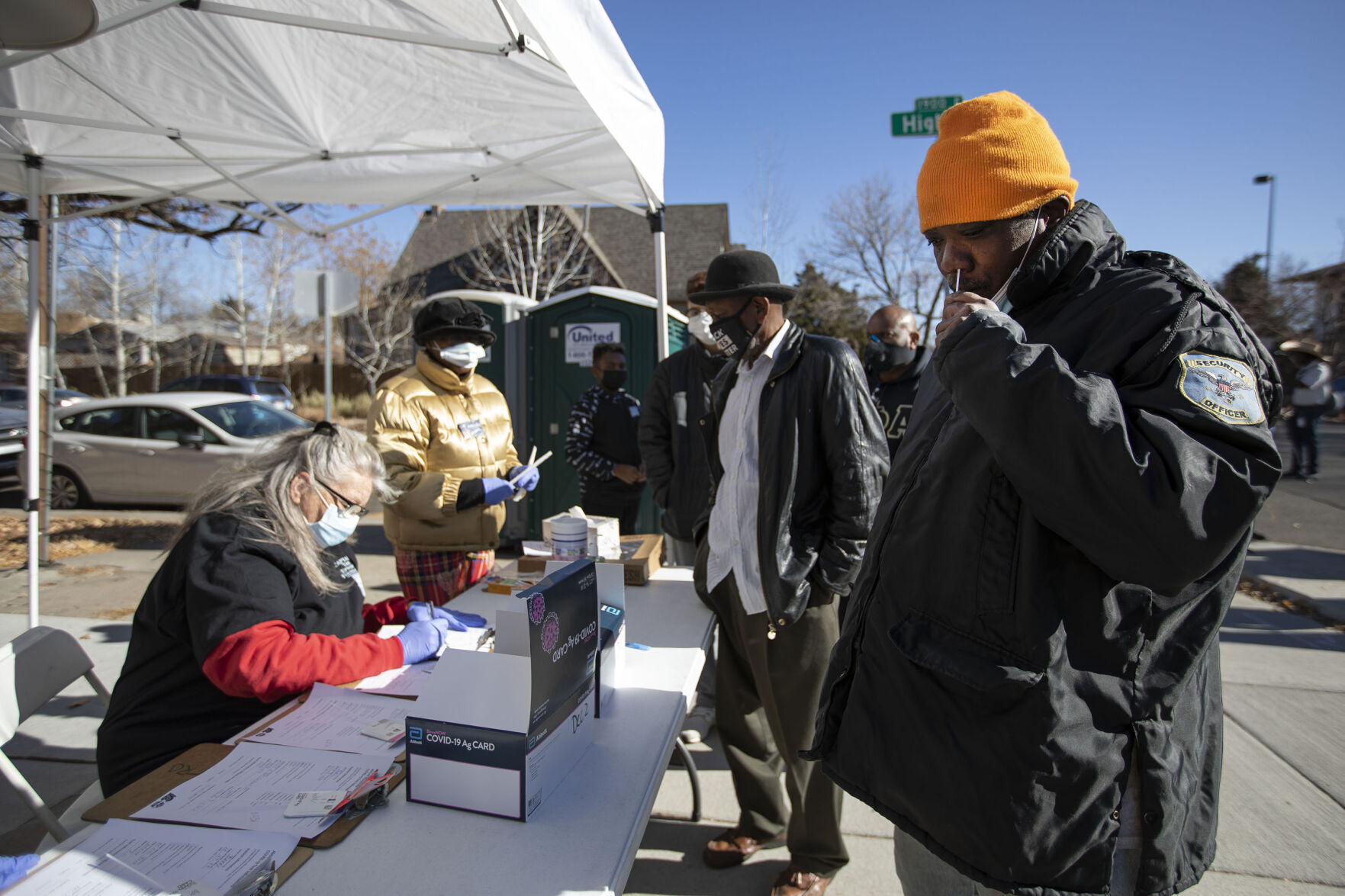
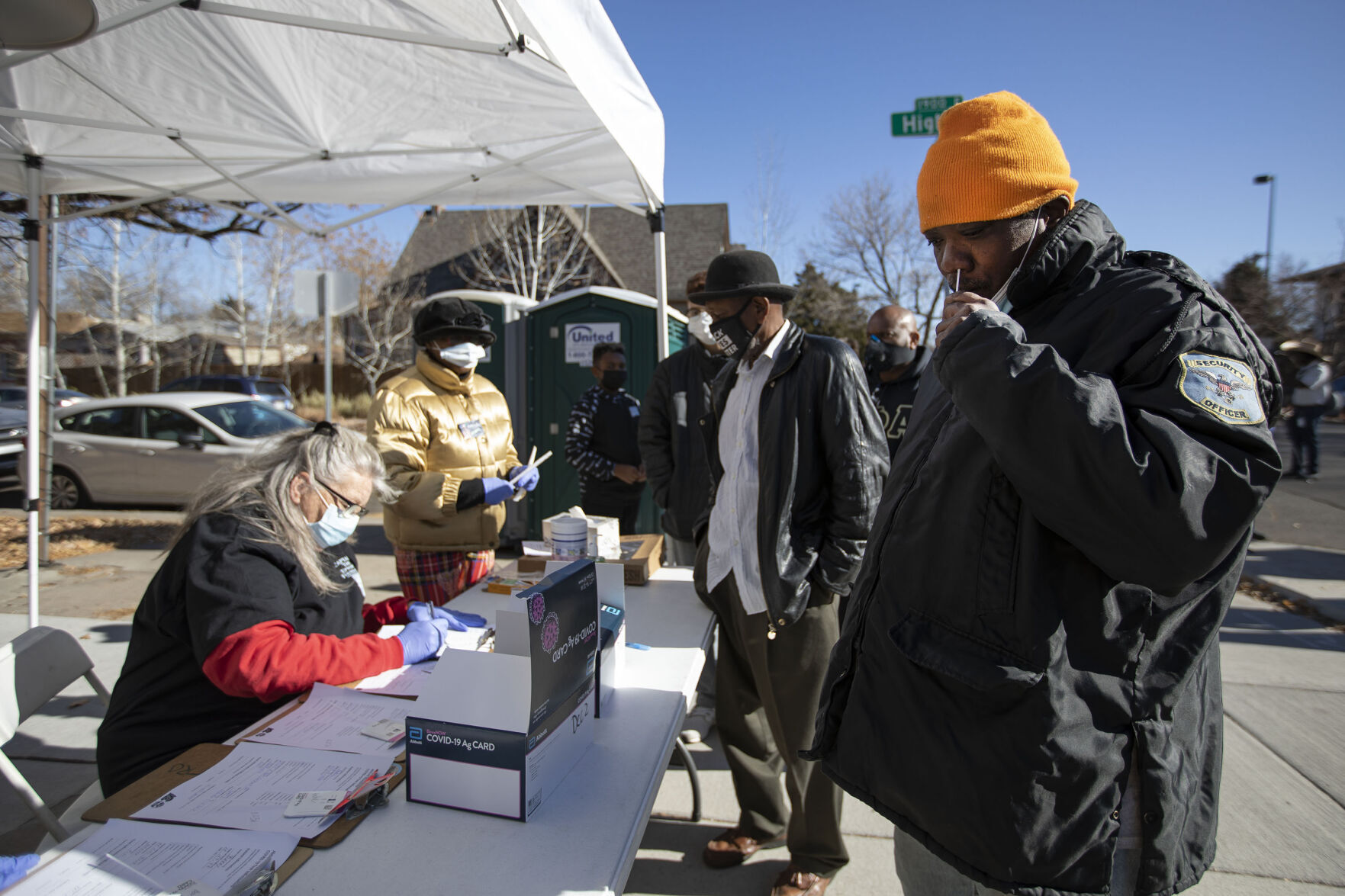
Denver’s COVID-19 risk level has been raised to medium by the Centers for Disease Control and Prevention, the city announced Friday afternoon, amid a recent, statewide uptick in cases driven by new and increasingly transmissible versions of the virus.
Colorado reported more than 2,300 COVID-19 cases on Thursday, the most in a single day since early February. One hundred and sixteen people are hospitalized with COVID-19 statewide, the highest number since the third week of March but still a fraction of the total from January. State and local officials, though, maintain that high levels of immunity among the population should insulate Colorado from the sort of surges that it experienced in late 2021 and early 2022.
“While the current surge is not expected to be nearly as large as the Omicron surge earlier this year,” the Denver Department of Public Health and Environment said in a Friday afternoon news release, “it’s a good opportunity to remind our community how to stay safe, protected and prepared for COVID-19.”
Denver’s per-100,000 resident incident rate has increased from a low of roughly 50 in mid-March to more than 170 as of last week, when data was last updated in full.
Denver – and the rest of the state’s counties – had been rated by the CDC as in the green, or low, for COVID-19 as of Thursday morning. But Rachel Herlihy, the state’s epidemiologist, told a gathering of medical experts Thursday that she expected some areas to be upgraded, given the increase in cases statewide.
As of Friday afternoon, Boulder and Mineral counties have both been placed in the yellow, or medium, category. Under the designation, the CDC recommends high-risk individuals consider wearing masks and taking other precautions and that the general public ensure they’re fully vaccinated and get tested if they feel sick.
The rise in cases statewide comes as a new subvariant of omicron – the strain that caused a record-breaking surge in cases in January and December – has risen in prominence in Colorado. BA.2.12.1, as it’s known, is increasingly replacing BA.2, another omicron subvariant, as the dominant strain in Colorado. BA.2.12.1 is more transmissible than both BA.2 and the original strain of omicron.
According to new modeling from a team of Colorado academics, COVID-19 hospitalizations could increase to at least 500 – and potentially hit 800 – by mid-June. Those figures are dependent on BA.2.12.1’s ability to escape immunity from previous infections, vaccination or both. While the state had high levels of immunity in February, those numbers have fallen, and BA.2.12.1’s ability to escape that protection is a further complication.
“We estimate that immunity to infection with BA.2.12.1 is approximately 65-70% in the Colorado population, assuming BA.2.12.1 has high immune escape,” the modelers wrote. “Immunity to severe disease is well above 80% in the Colorado population overall and somewhat higher among those 65+.”
There are other variables as well. Another substrain of omicron, BA.4, was identified in Denver last week from a sample taken in late April. BA.4 has contributed to surging cases in South Africa. A spokesman for the state health department told The Denver Gazette on Thursday that BA.4 doesn’t appear to cause more severe disease, but that it could lead to more cases than was projected previously.
Herlihy told the medical group Thursday that the increasing hospitalizations could bring strain and challenges to Colorado’s hospitals. But even at the higher end of the projections – 800 hospitalized COVID-19 patients in the next four to six weeks – Colorado would still be at roughly half the number of hospital patients as it had during the peak of omicron in January.

Supreme Court rules against Colorado ban on ‘conversion therapy’ for LGBTQ kids
Lindsay Whitehurst
lindsay.whitehurst@associatedpress.com
Updated 42 minutes ago
WASHINGTON (AP) — The Supreme Court on Tuesday ruled against a law banning “conversion therapy” for LGBTQ+ kids in Colorado, one of about two dozen states that ban the discredited practice. An 8-1 high court majority sided with a Christian...

10th Circuit rules cognitively impaired man’s risk of lobotomy, mistreatment in Mexico not ‘torture’
Michael Karlik
michael.karlik@coloradopolitics.com
Updated 11 hours ago
The Denver-based federal appeals court concluded last month that a man’s risk of mistreatment or forced lobotomy in his native Mexico did not amount to “torture” that should shield him from deportation. A three-judge panel of the U.S. Court of...
Colorado justices side with news organizations for disclosure of high-level child abuse data
Michael Karlik
michael.karlik@coloradopolitics.com
Updated 16 hours ago
The Colorado Supreme Court ruled on Monday that the state must disclose the number of child abuse reports at individual group living facilities in response to an open records request, as the addresses are already in the public domain. The...
Divided Colorado Supreme Court finds Denver detective did not violate defendant’s Miranda rights
Michael Karlik
michael.karlik@coloradopolitics.com
Updated 11 hours ago
The Colorado Supreme Court determined on Monday that a Denver detective did not improperly resume questioning of a defendant in custody after he invoked his right to counsel. By 4-3, the justices reversed a trial judge’s order that found a...

Colorado Gov. Polis signs social media warrant bill after last year’s veto
Marissa Ventrelli
marissa.ventrelli@coloradopolitics.com
Updated 13 hours ago
Colorado law enforcement will soon have faster access to digital evidence after Gov. Jared Polis signed a pared‑down bill requiring social media companies to acknowledge and respond to search warrants on a tight timeline, a shift from a broader proposal...
Under fire from legislators and critics, Colorado’s top Medicaid official resigns
Marianne Goodland
marianne.goodland@coloradopolitics.com
Updated 16 hours ago
Colorado’s top Medicaid official stepped down on Monday, just as a bipartisan bloc of state senators prepared to formally urge Gov. Jared Polis to remove her over what they called years of mismanagement, waste and costly errors inside the state’s...

Usha Vance launches story time podcast in latest second lady venture
Asher Notheis, Washington Examiner
asher.notheis.washington.examiner@gazetteedit.wpenginepowered.com
Updated 22 hours ago
Second lady Usha Vance unveiled her new story time podcast of reading children’s stories on Monday. The podcast, Storytime with the Second Lady, features either her reading books or inviting a special guest to read, and is part of her...

Out-of-state judges address ex-discipline director’s lawsuit, Colorado justices accept federal invitation | COURT CRAWL
Michael Karlik
michael.karlik@coloradopolitics.com
Updated 24 hours ago
Welcome to Court Crawl, Colorado Politics’ roundup of news from the third branch of government. A pair of out-of-state judges got down to business in a lawsuit brought by Colorado’s former judicial discipline director, plus the state Supreme Court has...
Power grid shutdowns in Colorado bring protection — and problems
Scott Weiser
scott.weiser@gazette.com
Updated 13 hours ago
A downed power line in Sunshine Canyon in the mountains west of Boulder in December posed an electrocution risk to firefighters and bystanders after Xcel Energy re-energized it without repairing it, despite being notified of the break the day before....
Aurora wildland fire contained at Buckley Space Force Base
Nicholas Fogleman
nicholas.fogleman@denvergazette.com
Updated 24 hours ago
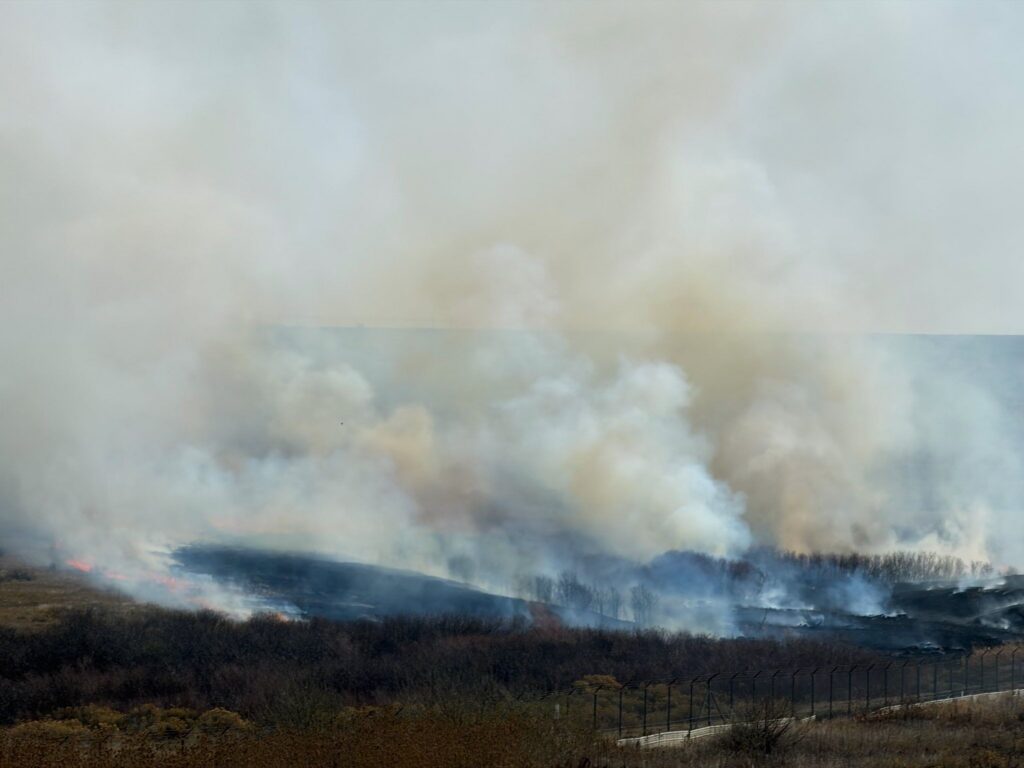
A wildland fire burned Sunday morning on the southwest end of Buckley Space Force Base in Aurora, authorities said. The fire no longer posed a threat and crews were clearing the scene as of 10:53 a.m., according to Aurora Fire...
PREV
PREVIOUS

University's handling of sexual misconduct case did not violate accused student's rights, judge rules
A federal judge concluded that the University of Northern Colorado afforded a student found responsible for sexual misconduct the level of procedural protections that the U.S. Constitution requires, without violating his rights. At the same time, U.S. Magistrate Judge Michael E. Hegarty observed that UNC’s process for investigating Torrence Brown-Smith nonetheless contained noticeable defects. “Plaintiff […]

Boulder County adopts fire-resistant building regulations in response to Marshall fire
Starting June 6, residents in the eastern grassland area of unincorporated Boulder County must follow new building regulations requiring them to use ignition-resistant materials before they build new homes. County Commissioners unanimously approved the requirements this week in response to the Marshall fire, which destroyed more than 1,000 homes in Superior, Louisville and unincorporated Boulder […]