

Buried in fentanyl bill debate, three small tweaks with outsize importance
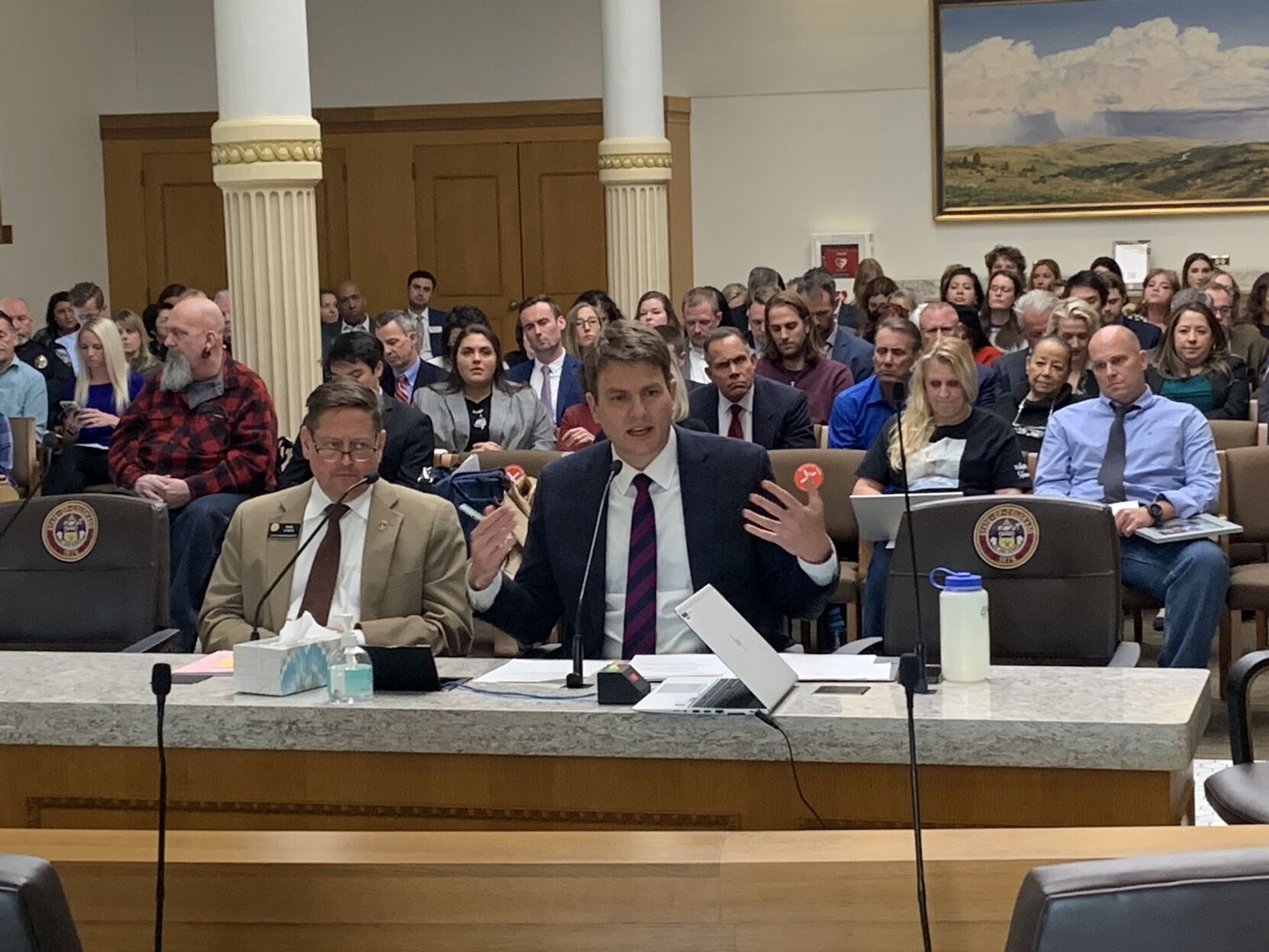
Across 89 pages and roughly 75 amendments, the Colorado legislature has hammered away at its primary attempt at addressing the fentanyl crisis.
Two committees in each chamber have worked the measure, and hours – and hours – of debate have been spent sparring over criminal penalties and how the state should tackle an unprecedented overdose wave.
Three of those amendments took barely three minutes combined to address. They were so noncontroversial that they were adopted without even a vote. They’re somewhat technical – Medicaid payments, some regulatory nudges, a small appropriation. With no debate or consternation, each was swiftly approved in the Senate Judiciary Committee on Wednesday.
But those three amendments have the potential to help make Colorado unique in the United States for dispensing naloxone, an antidote used to reverse opioid overdoses. They clear regulatory red tape for hospitals, and they would require that the state Medicaid program reimburse hospitals for dispensing naloxone to Medicaid patients.
The cost? $360,000 for the first year and beyond. Or, as ER and addiction medicine doctor Don Stader called it, “budget dust.”
In March 2021, Stader, who works at Swedish Medical Center, launched the Colorado Naloxone Project, an effort to get naloxone into every emergency department in the state. The goal was for doctors to hand the treatment to patients, or their families, who were at risk of overdosing from fentanyl, heroin or a prescription opioid. While providers could write a prescription for naloxone that could be filled at a pharmacy, rarely would a person or their family do it. Stader has said the fill rate was somewhere between 2% and 30%. Much more effective, he said, is directly giving patients the naloxone.
In its first year, the project – which Stader has since expanded beyond emergency departments and into other states – has been incorporated by 107 hospitals and emergency departments. More than 5,500 naloxone doses have been dispensed as a result, saving an untold number of lives.
In March, Stader said the few hospitals that hadn’t signed on were primarily rural and were either concerned about regulations that would chew up limited staff time or about ongoing costs. The naloxone given to the hospitals has been funded through a grant by the state’s Office of Behavioral Health. While hospitals could get reimbursed for naloxone given to patients with insurance, they had to eat the cost for those on Medicaid.
Enter the amendments. Stader said he reached out to Democratic Sen. Brittany Pettersen, a co-sponsor of the fentanyl bill, last week. Rather than work behind the scenes and lobby Medicaid, or jockey to loosen regulations, he figured he could try to get the changes made now, while the legislature was hyper-focused on overdoses and fentanyl. At this late stage, it was a “Hail Mary,” he said.
Prayer answered. Pettersen presented the amendments to the Senate Judiciary Committee on Wednesday morning. One would remove regulatory requirements around storage and record-keeping. Another would require Medicaid to reimburse hospitals that dispensed naloxone to Medicaid patients. The third allocated the initial $360,000.
No objections. No debate. Swift approval. On Thursday, as the full Senate spent several hours debating the bill, nary a moment was paid to the three amendments adopted the day before.
Stader said he was walking around with a “stupid Cheshire grin” on his face after he heard the amendments had been adopted. If those provisions become law, Colorado would become the first state in the country, he told lawmakers in an email, “to have incorporated take-home naloxone programs into standard medical care, and provided a reimbursement mechanism that makes this program sustainable.”
The changes would also be key in Stader’s expansion plans. While he started pushing naloxone into emergency rooms, he has targeted labor and delivery departments next: Overdose is a leading cause of death for new and expecting mothers, and getting naloxone to the providers who see them is key, he has said.
The impact may go beyond reversing an overdose. Stader said he hoped more doctors dispensing more naloxone would spur more physicians to get the additional training needed so they can write prescriptions for buprenorphine, a medication used to treat opioid addiction. Those same doctors who give pregnant women or emergency patients naloxone could be a gateway to treatment.
Three amendments, three minutes, $360,000, and, for providers and users alike, immeasurable impact.
marianne.goodland@coloradopolitics.com

Heat, wind and drought conditions spark wildfires across US West | OUT WEST ROUNDUP
Ernest Luning
ernest.luning@coloradopolitics.com
Updated 29 minutes ago
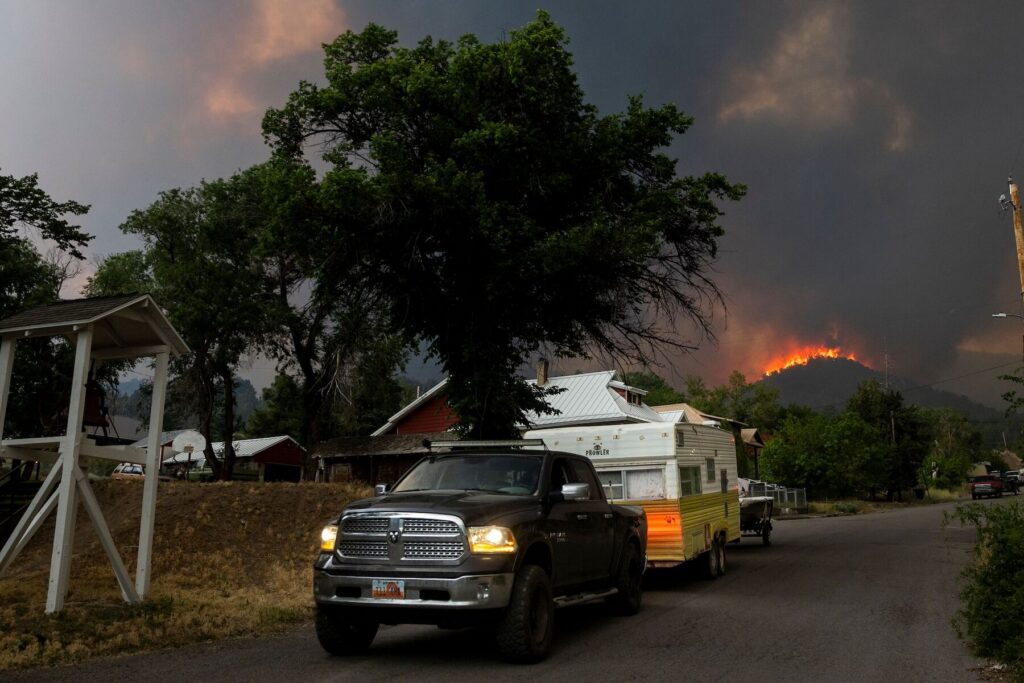
Heat, drought spark wildfires Extreme heat and dry, windy conditions fueled several wildfires in the West on June 21, including an uncontained blaze in Utah that forced the evacuation of a small town southwest of Salt Lake City. The Iron...

Read Michener’s ‘Centennial’ | Jon Caldara
Jon Caldara
jon-caldara@coloradopolitics.com
Updated 3 days ago
If you’ve been reading my columns, you’ve noticed I’m basically illiterate. I blame my dyslexia and public education, but my Olympic-level laziness could be the driving factor. Anyway, I basically can’t read (and, still, I graduated from CU Boulder, so...
Crank challenger Jessica Killin signs on to new centrist Democratic group’s ‘Promise to America’
Ernest Luning
ernest.luning@coloradopolitics.com
Updated 12 hours ago
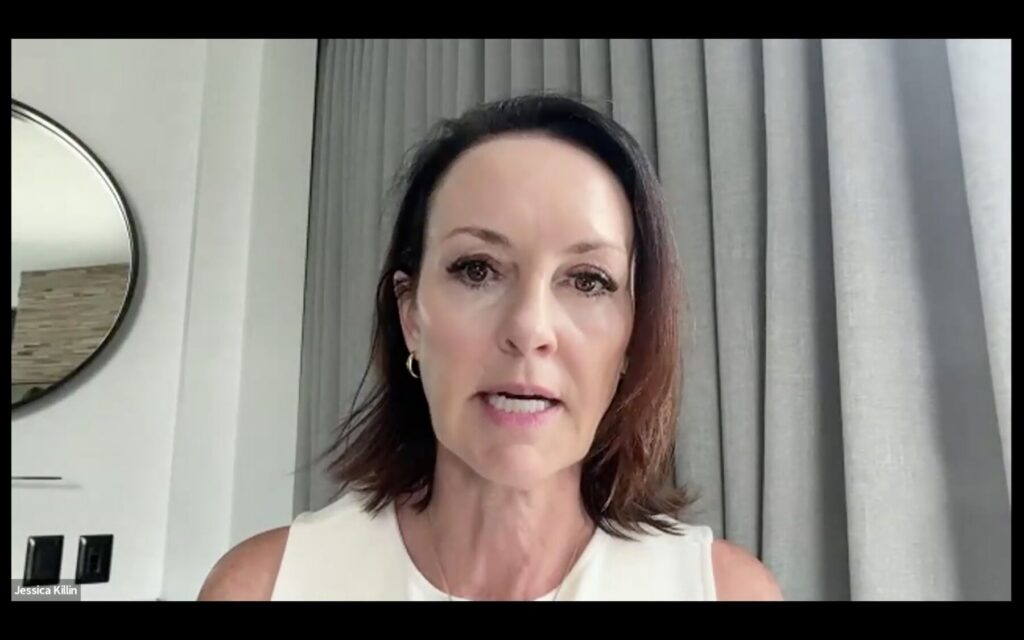
Jessica Killin, one of the Democrats running in Tuesday’s primary for the chance to challenge U.S. Rep. Jeff Crank in Colorado’s 5th Congressional District, joined with more than a dozen incumbent Democratic lawmakers and candidates this week signing on to...

Colorado Politics Calendar June 29-July 5
Rachael Wright, Special to Colorado Politics
rachael.wright@coloradopolitics.com
Updated 4 days ago
CoPo’s weekly political calendar will help you find political and public-policy events throughout Colorado. It includes candidate and issue campaign events, public policy meetings, court hearings, state and local party conventions, assemblies, debates, rallies, parades, speaking engagements, traveling dignitary appearances,...
Gov. Lamm’s GOP challenger gives insights into his campaign | A LOOK BACK
Rachael Wright, Special to Colorado Politics
rachael.wright@coloradopolitics.com
Updated 4 days ago
Forty-five years ago this week: “I see Gov. (Richard) Lamm is fairly popular in general,” said gubernatorial candidate and state Sen. Bill Hughes, R-Colorado Springs. “ … And he’ll be hard to beat.” Hughes was on a whirlwind campaign trail...
Giving credit to Polis where credit is due | SONDERMANN
Eric Sondermann
eric-sondermann@coloradopolitics.com
Updated 4 days ago
It is an understatement to suggest that Gov. Jared Polis has had a tough couple of months. The bloom was already off the rose and Coloradans were paying far more attention to the choice of his replacement than they were...

Bennet, Hickenlooper to vote against Trump’s 10th Circuit nominee from Colorado
Michael Karlik
michael.karlik@coloradopolitics.com
Updated 23 hours ago
Colorado’s two Democratic senators will not vote to confirm President Donald Trump’s nominee to a vacancy on the Denver-based federal appeals court. Trump has selected U.S. District Court Chief Judge Daniel D. Domenico, who he appointed as a federal trial...
Who’s spending in Colorado to get your vote?
Marianne Goodland
marianne.goodland@coloradopolitics.com
Updated 23 hours ago
Groups that raise unlimited amounts of money have spent about $20 million in May and June to try and influence Colorado voters’ choices in the upcoming June 30 primaries. By law, these groups cannot coordinate with the candidates they support....
U.S. government declines to oppose multiple challenges to immigration detention in Colorado
Michael Karlik
michael.karlik@coloradopolitics.com
Updated 2 days ago
Multiple federal judges in Colorado granted petitions from people challenging the lawfulness of their immigration detention this week after the government took the unusual step of declining to submit arguments in opposition. Colorado’s federal trial court is facing a flood of...
Tina Peters tells supporters to ‘stand up and fight back’ at Castle Rock event
Marissa Ventrelli
marissa.ventrelli@coloradopolitics.com
Updated 2 days ago
Tina Peters, the former Mesa County clerk recently released from prison, warned supporters that what happened to her could happen to them, too, if they did not “stand up and fight back” at an event at the Douglas County Fairgrounds....