

Colorado legislature OKs diverting people with mental health issues out of jail

The Colorado legislature approved a bill to prevent people with mental health issues from entering the criminal justice system, instead sending them to treatment centers to address their needs.
The state House of Representatives passed Senate Bill 10 in a 61-1 vote Tuesday, following the state Senate’s unanimous vote last month. The bill will now be sent back to the Senate to approve changes made by the House, and then to Gov. Jared Polis for final consideration.
“It allows people who have mental illness to be participants in diversion,” said bill sponsor Rep. Judy Amabile, D-Boulder. “It’s a really necessary piece to disentangle mental illness from the criminal justice system because our jails are full to the brim with people who have mental health issues and that is the reason they’re there.”
If enacted, the bill would expand statewide an existing pilot program that assesses individuals when they’re booked for low-level offenses before any charges are filed. If a person is found to have a behavioral health disorder, they are placed in a local treatment program.
This comes as approximately 43% of state prisoners and 23% of federal prisoners have a history of mental health issues, according to a 2016 survey from the U.S. Department of Justice.
Only Rep. Matt Soper, R-Delta, voted against the bipartisan bill – which was sponsored by three Democrats and one Republican. Soper said he is concerned that criminals could take advantage of the bill to avoid punishment for their crimes.
“It’s tough to tell victims that the perpetrator of egregious criminal acts can avoid prosecution simply by claiming a behavioral health issue that caused them to commit the crime,” Soper said. “I fear almost all criminals could claim their criminal behavior was linked to health to avoid the criminal justice system.”
Supporters of the bill said jails have become “de facto mental health hospitals” in Colorado and the legislation is needed to prevent people with behavioral health disorders from harsh and isolating environments that only exacerbate their conditions. Under the pilot program, criminals would receive professional assessment to determine if they have mental health issues.
The pilot program began in 2019 in four judicial districts, serving 88 people in its first year, and was expanded to another five directs in 2020. The program is currently scheduled to expire in July, but, under the bill, it would instead be implemented statewide for the first time.
The bill received no opposition and enjoyed the support of Mental Health Colorado, Interfaith Alliance, Colorado Cross-Disability Coalition, Colorado Criminal Justice Reform Coalition, Colorado Behavioral Healthcare Council and Boulder County Commissioners.



Colorado Politics Calendar July 27-Aug. 2
Rachael Wright, Special to Colorado Politics
rachael.wright@coloradopolitics.com
Updated 5 days ago
CoPo’s weekly political calendar will help you find political and public-policy events throughout Colorado. It includes candidate and issue campaign events, public policy meetings, court hearings, state and local party conventions, assemblies, debates, rallies, parades, speaking engagements, traveling dignitary appearances,...

The through line from Donald Trump to Victor Marx | SONDERMANN
By Eric Sondermann
by-eric-sondermann@coloradopolitics.com
Updated 5 days ago
Over 10 years ago, before Donald Trump could ever defeat Hillary Rodham Clinton, he had to first engineer a hostile takeover of the Republican Party. Prior to his descent of that golden escalator, the previous seven Republican presidential nominees had...

Colorado districts prepare for school year amid mental health cuts. But will less cellphone distractions help?
Marissa Ventrelli
marissa.ventrelli@coloradopolitics.com
Updated 3 days ago
The signs of a new school year are everywhere — buses in the shop, teachers unpacking boxes, families ticking through supply lists — but behind the familiar rituals, Colorado districts are preparing for a year defined less by routine than...
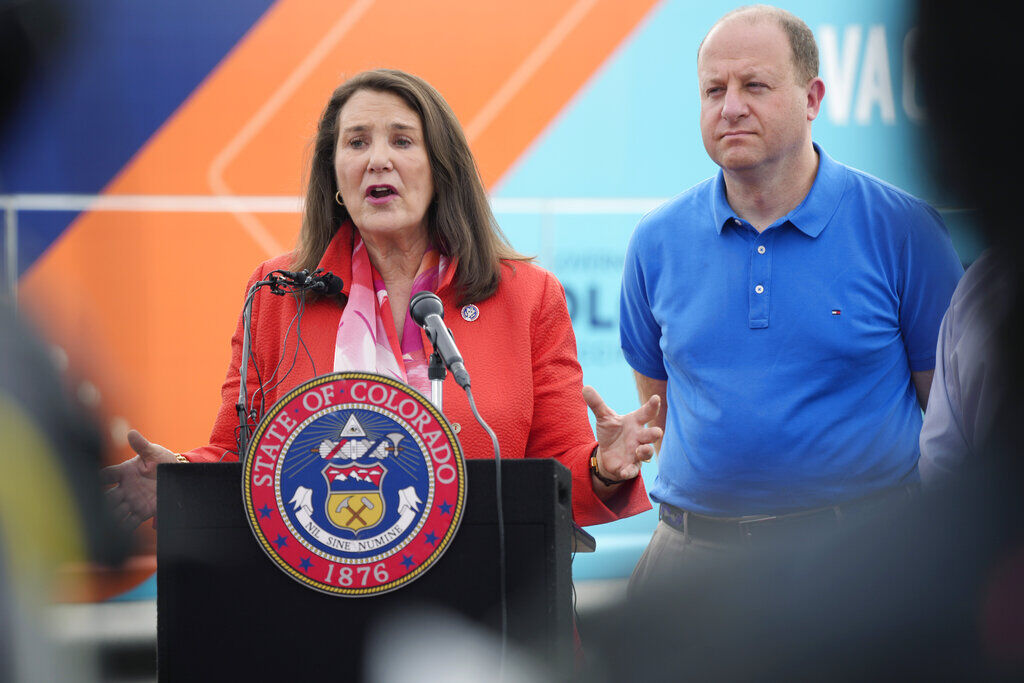
Armstrong staffer considers congressional bid, DeGette angers rural communities with wilderness act | A LOOK BACK
Rachael Wright, Special to Colorado Politics
rachael.wright@coloradopolitics.com
Updated 3 days ago
Forty-five years ago this week: If the lines were drawn just right, Republican Sen. Bill Armstrong stood the chance of losing his office manager, Ruth Fountain. Fountain admitted she was seriously thinking about running for Colorado’s new congressional seat in...
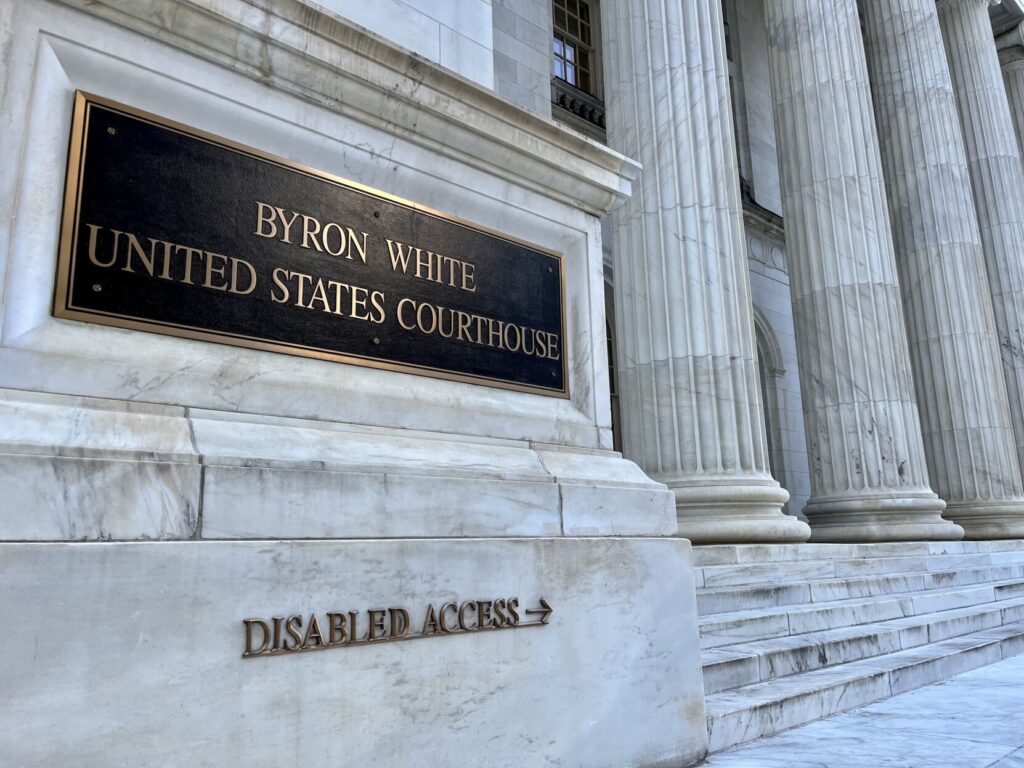
10th Circuit dismisses woman’s lawsuit following 10-year attempt to undo restraining order
Michael Karlik
michael.karlik@coloradopolitics.com
Updated 2 days ago
The Denver-based federal appeals court rejected a woman’s challenge on Friday to a restraining order imposed on her more than a decade ago, finding that she cannot credibly claim she will be prosecuted for violating the restraining order through her...
10th Circuit dismisses woman’s lawsuit following 10-year attempt to undo restraining order
Michael Karlik
michael.karlik@coloradopolitics.com
Updated 2 days ago
The Denver-based federal appeals court rejected a woman’s challenge on Friday to a restraining order imposed on her more than a decade ago, finding that she cannot credibly claim she will be prosecuted for violating the restraining order through her...
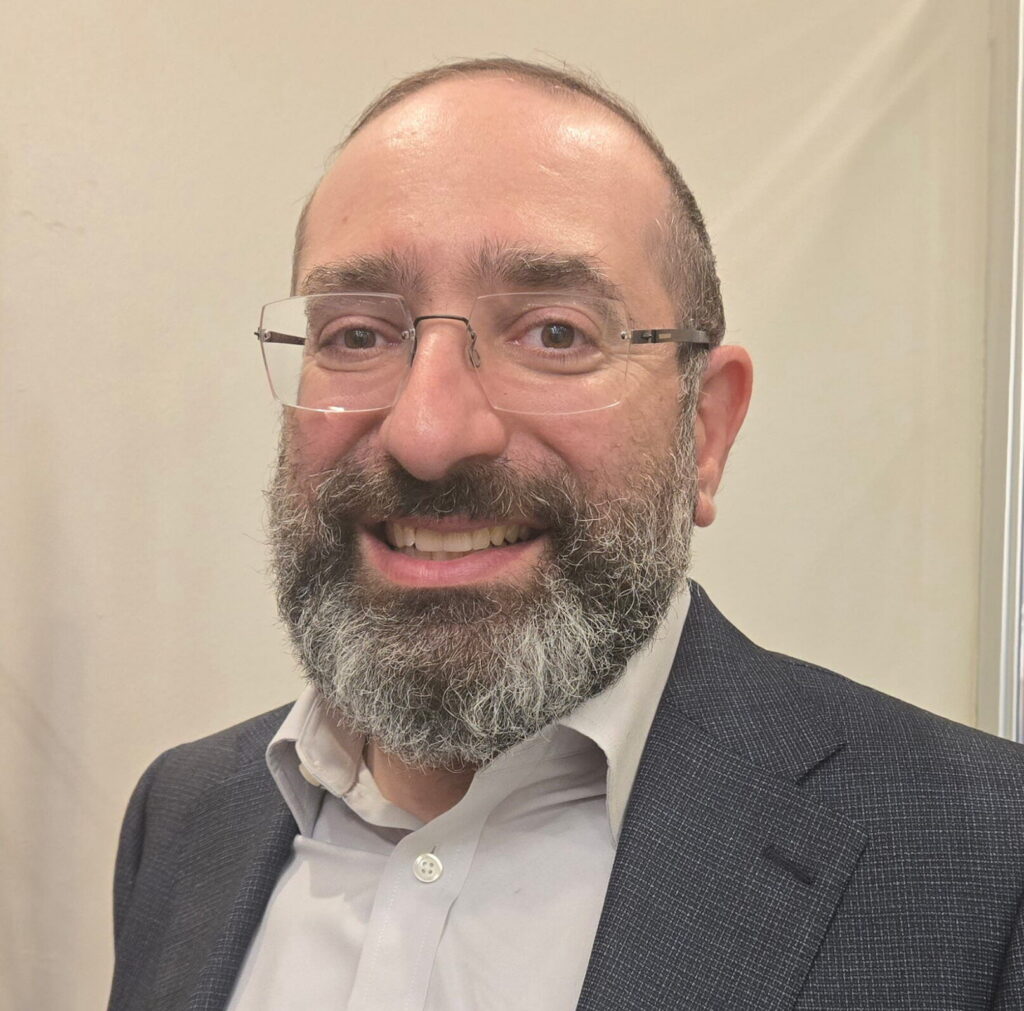
Surprise candidate Shimon Blau cleared to face off against Melat Kiros in November
Ernest Luning
ernest.luning@coloradopolitics.com
Updated 2 days ago
Unaffiliated congressional candidate Shimon Blau, a Denver doctor, has qualified by petition for the general election in Colorado’s 1st District, where Democrat Melat Kiros defeated 15-term U.S. Rep. Diana DeGette in last month’s primary, the Colorado Secretary of State’s Office...
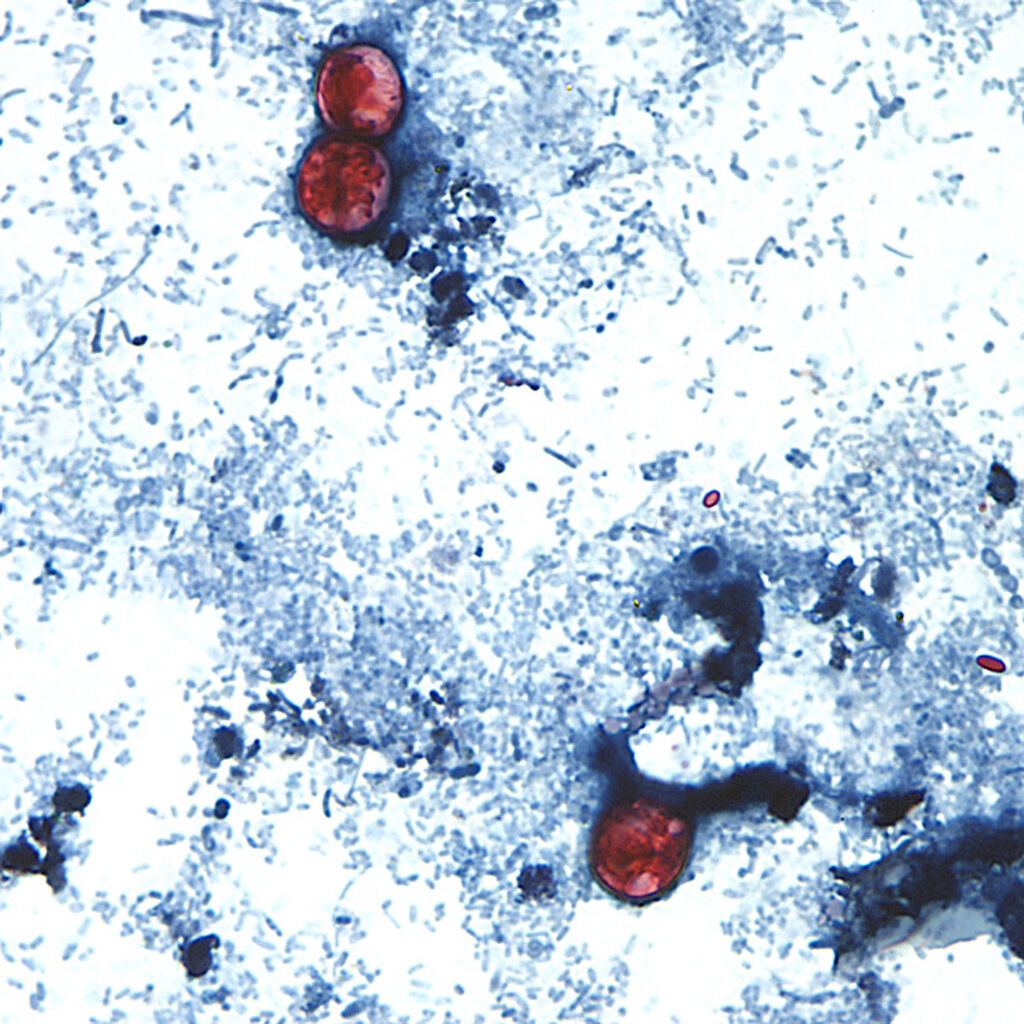
Colorado produce not tied to nationwide cyclospora outbreak, agriculture officials say
Marissa Ventrelli
marissa.ventrelli@coloradopolitics.com
Updated 2 days ago
There is no indication that the recent outbreak of cyclospora, a fecal parasite that has contaminated food and water across nearly every state, can be linked to produce grown in Colorado, according to the state’s Department of Agriculture. “Colorado growers...

UNC opens College of Osteopathic Medicine
Marissa Ventrelli
marissa.ventrelli@coloradopolitics.com
Updated 2 days ago
The University of Northern Colorado held a grand opening for its new College of Osteopathic Medicine on Friday, with Gov. Jared Polis in attendance to celebrate the culmination of a two-year, $127.5 million project. The project was funded through legislation...
Colorado equal pay law does not require plaintiffs to allege gender-based retaliation, appeals court finds
Michael Karlik
michael.karlik@coloradopolitics.com
Updated 2 days ago
The 2019 Colorado law aimed at rooting out pay discrimination on the basis of sex does not require a plaintiff to allege their employer retaliated against them for sex- or gender-related reasons, the state’s second-highest court decided on Thursday. Lawmakers...
PREV
PREVIOUS
House Democrats say nuance on simple possession of fentanyl is lost in deadly overdose rhetoric
With a hearing on how to deal with the state’s fentanyl crisis just a few hours away, Democrats attempted Tuesday to counter some of the rhetoric around the issue of simple possession. Democrats also appear to be open to the discussion of lowering the fentanyl felony from 4 grams to 1 gram, but that comes […]

Colorado House approves in-state tuition for students after one year of residency
Legislation to shorten Colorado’s residency requirement for in-state college tuition passed a major hurdle Tuesday, receiving approval from the state House of Representatives. If enacted, House Bill 1155 would make students eligible for in-state tuition if they have lived in the state for at least one year prior to enrollment – instead of the current […]