

Polis, bipartisan group of advocates unveil proposal to confront fentanyl at Colorado Capitol

In a rare bipartisan press conference in the 2022 session, Gov. Jared Polis, legislators, families who have lost loved ones and district attorneys on Thursday announced a comprehensive bill to confront the state’s burgeoning fentanyl crisis, arguing its passage would make streets and homes safer.
The bill will focus on both heightened penalties for fentanyl distribution – but not possession – and more resources for a state education campaign and treatment for those addicted to the compound drugs that now often contain fentanyl.
The fentanyl legislation comes amid heightened attention to the drug’s increasingly deadly impact in Colorado. Fatal overdoses involving the drug have skyrocketed since 2015, the product of shifting economics and priorities within the illicit drug trade and accelerated by the pandemic. More than 800 Coloradans died after ingesting fentanyl in 2021, according to state data. That represents a roughly 50% increase from 2020 and more than triple the number of deaths from 2019.
The legislation will help the state address what Speaker of the House Alec Garnett, D-Denver, and others call a “deadly poison,” noting fentanyl is now present in every street drug – from heroin to meth to oxycodone and even black-market marijuana.
Overdoses and poisonings are devastating communities, said Garnett, a House cosponsor of the bill, along with Rep. Mike Lynch, R-Wellington.
“Fentanyl is unlike any drug and we have to treat it differently,” he said. “Colorado will be safer if this bill is signed into law.”
The bill isn’t a silver bullet, according to Polis and the bill’s sponsors. But they argued it would go a long way to address the “scourge” of fentanyl.
The legislation will help law enforcement and district attorneys get the distributors off the streets, as well as create a path forward for those addicted to those compound drugs, Polis said.
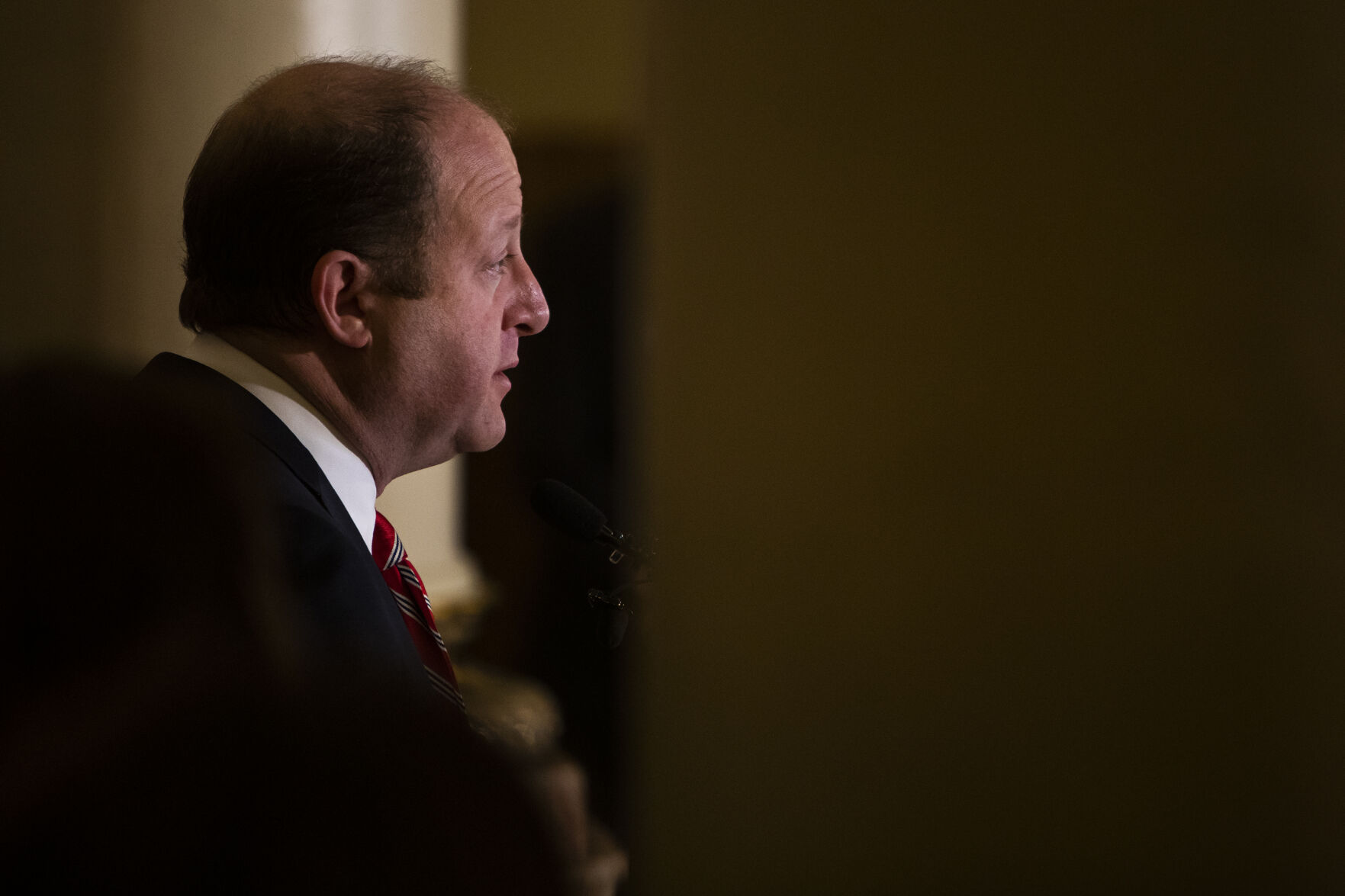
“Every community is battling the fentanyl crisis and they need our help,” added Sen. John Cooke, R-Greeley. “We will work not as Republicans and Democrats but as concerned Coloradans.”
“Sheriffs need our help and we’re going to get it to them,” he said.
Sen. Brittany Pettersen, D-Lakewood, said the bill gives law enforcement the tools to hold those who distribute the deadly drug accountable, but it also approaches the problem with empathy and understanding. She noted the bill’s public awareness campaign provision that she said will educate Coloradans on just what’s at stake.
“We need to do our part to bring attention to the dangers from taking just one pill. You could lose your life,” she said.
The bill isn’t an easy one, said Rep. Leslie Herod, D-Denver, who also noted that addicts don’t ask first what’s in a pill before getting their fix. Dealers are knowingly bringing in fentanyl, mixed with other drugs, and they should face stiffer consequences, she said.
Addicts, on the other hand, deserve a road to recovery, which is provided in the bill, she said.
“Is everyone happy” with the bill? she asked. “No.”
But, she added, the solutions offered by the bill will work.
The state cannot go back to the failed policies of the past nor resurrect the war on drugs, but, at the same time, the state cannot turn a blind eye to drug dealers and cartels, either, eh said.
“We have to provide the resources needed to crack down on criminals,” she said, adding the same approach applies to those who need treatment.

District attorneys from several jurisdictions also joined in to lend support.
District Attorney Brian Mason of Adams County, where five people allegedly died on Feb. 21 after taking fentanyl-laced cocaine, said it is the largest such incidence in the country. He said if someone in his district is distributing fentanyl that results in death, he can’t prosecute that person for those deaths because state law doesn’t allow that kind of charge.
This bill will allow him to do that, he said.
“No bill is perfect, and we have a lots of work to do. But this will help get fentanyl off the streets and get dealers of this poison into prison, which is where they belong,” he said.
Denver District Attorney Beth McCann attended the news conference but did not speak. She said in a statement afterward that her office is seeing “an alarming increase” in fentanyl cases. She said her office filed 87 cases in 2019 and by 2021 was up to 340 cases. “The increased penalties for dealers and the distribution-resulting-in death provisions of this bill will empower state prosecutors with statutory tools similar to that of our federal colleagues so that we have stronger laws to help us address this scourge by holding dealers to higher criminal standards,” McCann said.
McCann added that fentanyl is also causing an increase in other crimes throughout Denver and the state. “The goal is to hold those who peddle this poison accountable while also ensuring those who are overdosing can get help without fear of repercussion,” she explained, adding that the bill “is a nice blend of increased criminal tools and funding for education, treatment, and provision of Narcan and fentanyl test strips. Fentanyl use presents multifaceted issues and needs to be addressed on many levels. This bill is a great step forward in this fight.”


Former Jeffco teacher claims district wrongfully terminated her
Sage Kelley
sage.kelley@denvergazette.com
Updated 2 days ago
Courtney Capek claims her career was completely altered by the actions of another. The Lakewood native returned to the school she graduated from, Green Mountain High School, in 2023 to begin her career teaching and establishing a new era for...

With new medical school set to open, Feinstein will step down as UNC president
Hap Fry, Special to The Gazette
hap-fry@gazette.com
Updated 1 week ago
GREELEY • Dr. Andrew “Andy” Feinstein, the charismatic president of the University of Northern Colorado, has announced that he will step down from his leadership role just on the cusp of what is perhaps his signature accomplishment being realized. He’ll...
Costs explode for Colorado program covering pregnant women and children living in the U.S. illegally
Marianne Goodland
marianne.goodland@coloradopolitics.com
Updated 2 weeks ago
A state program providing health care to pregnant women and children living in the country illegally is costing far more than lawmakers expected, with expenses nearly tripling in just a year and threatening to squeeze Colorado’s budget amid a nearly...

Costs explode for Colorado program covering pregnant women and children living in the U.S. illegally
Marianne Goodland
marianne.goodland@coloradopolitics.com
Updated 2 weeks ago
A state program providing health care to pregnant women and children living in the country illegally is costing far more than lawmakers expected, with expenses nearly tripling in just a year and threatening to squeeze Colorado’s budget amid a $1...
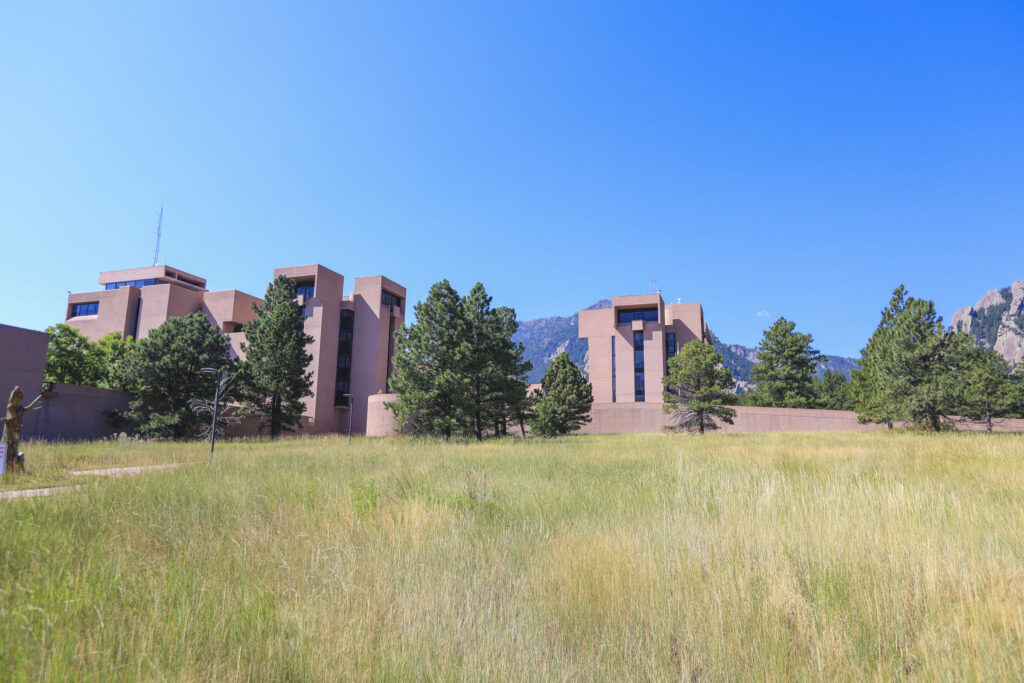
Universities sue to block dismantling of Boulder’s NCAR
Scott Weiser
scott.weiser@gazette.com
Updated 2 weeks ago
A consortium of universities filed a federal lawsuit Monday, alleging the Trump administration’s plan to dismantle the National Center for Atmospheric Research is unlawful retaliation against Colorado. The group also argued that the move violates federal law. The University Corporation...
Jeffco Public Schools found in violation of Title IX
Sage Kelley
sage.kelley@denvergazette.com
Updated 3 weeks ago
Civil rights office: Male students occupy 61 roster positions on girls’ sports teams The U.S. Department of Education announced Friday that the Jeffco Public Schools district violated Title IX by permitting male students to access female bathrooms and compete in...
Senate committee moves forward with Colorado ballot measure to redirect TABOR refunds to schools
Marianne Goodland
marianne.goodland@coloradopolitics.com
Updated 3 weeks ago
A Senate panel on Thursday voted along party lines to move forward with a bill that would ask voters for permission to eliminate Taxpayer’s Bill of Rights refunds and redirect those dollars to K-12 public education. The 6-3 vote in...
Another TABOR fight: Democrats plan to redirect residents’ refunds to K-12 spending
Marianne Goodland
marianne.goodland@coloradopolitics.com
Updated 2 weeks ago
Colorado voters could decide this fall whether billions of dollars that would otherwise be returned as refunds under the Taxpayer’s Bill of Rights should instead go to public schools under a ballot measure unveiled Thursday by Democrats. Supporters say the...

Colorado bill aims to launch $1 million ‘Cradle to Career’ program
Marissa Ventrelli
marissa.ventrelli@coloradopolitics.com
Updated 4 weeks ago
Saying it would help Colorado families living in poverty, legislators are proposing to allocate $1 million to organizations that support impoverished communities. Senate Bill 080 — sponsored by Senate President James Coleman, D-Denver, Minority Leader Cleave Simpson, R-Alamosa, and Rep....
Ex-Cherry Creek superintendent must repay one month’s salary after abrupt resignation
Nico Brambila
nico.brambila@denvergazette.com
Updated 1 month ago
Former Cherry Creek School District Superintendent Chris Smith must repay one month’s salary for failing to provide the board of education with three-month’s notice of his resignation, The Denver Gazette has learned. The board of education has not waived the...
PREV
PREVIOUS

Tyler Allcorn becomes 2nd Republican to qualify for primary in Colorado's new 8th CD
Congressional candidate Tyler Allcorn on Thursday became the second candidate to qualify for the Republican primary ballot in Colorado’s newly created 8th Congressional District, the Army Special Forces veteran learned when election officials announced he submitted a sufficient number of valid signatures on nominating petitions. The first-time candidate joins Thornton Mayor Jan Kulmann on the […]

House panel OKs bill to crack down on illicit massage parlors in Colorado
A panel advanced legislation Wednesday seeking to crack down on illicit massage parlors in Colorado, moving the bill to the full House for consideration. If enacted, House Bill 1300 would provide counties the authority to require special business licenses for massage parlors. While cities already have this authority, 60 out of the 64 counties in […]