

Colorado surpasses 12,000 COVID deaths

Colorado officially surpassed 12,000 COVID-19 deaths Monday, and state officials expect the toll to continue to increase in the coming weeks, even as the omicron variant subsides and the state enters a period of pandemic calm.
The latest grim milestone arrives 10 months after the vaccine became available to every adult in the state, a vaccine that has proven to significantly reduce mortality. Roughly a third of Colorado’s 12,112 deaths due to the virus have been confirmed since October, the bulk of them unvaccinated. Those recent fatalities came amid the most prolonged surges of the pandemic, driven first by the delta variant and then omicron. While that latter strain has proven to be less severe than its predecessor, it has not shielded many Coloradans from becoming part of an ever-growing death toll.
Across the United States, deaths have spiked. The nation surpassed 900,000 deaths due to COVID-19 earlier this month, greater than the number of people who live in Indianapolis or San Francisco. The nation has regularly averaged more than 2,000 deaths per day of late, spurred on by an omicron wave that sent case and hospitalization rates skyrocketing over the past two months.
“It is an astronomically high number,” Ashish K. Jha, the dean of the Brown University School of Public Health, told The Associated Press earlier this month. “If you had told most Americans two years ago as this pandemic was getting going that 900,000 Americans would die over the next few years, I think most people would not have believed it.”
In Colorado, the omicron wave has largely subsided, with cases falling to the lowest levels since the surge began and one of the lowest rates since early September. Hospitalizations – which set a new high just a month ago – are now at their lowest point since late August. Gov. Jared Polis and other state leaders have said they track hospitalizations closer than any other metric, as they represent the greatest threat to Colorado society.
But deaths, a lagging indicator, have not subsided. Fatalities follow new cases by about three weeks, on average, meaning COVID-19 deaths in Colorado caused by the omicron variant would be expected to begin accumulating around the first and second week of January. Since then, the number of COVID-19 deaths has risen, hitting highs not seen since the deadly, pre-vaccine COVID-19 surge last winter.

Omicron has been responsible for most fatalities since the end of December, Rachel Herlihy, Colorado’s epidemiologist, said in an email Monday. Just over 950 deaths due to COVID-19 have been reported since the day after Christmas.
“(N)early all of those deaths are due to (the) omicron variant,” she said, “and because death data lag, we unfortunately expect to see this number increase in the coming weeks.”
Lisa Miller, an epidemiologist and associate dean at the Colorado School of Public Health, also attributed the recent rise in mortality to omicron. But she noted that it’s difficult to gauge mortality in real time: Unlike cases or hospitalizations, deaths are confirmed and processed through the Centers for Disease Control and Prevention. That process inserts a gap between when a person actually dies of the virus and when their mortality has been added to Colorado’s official death toll. That means the state likely surpassed 12,000 fatalities before Monday, when the figure became official.
Miller said it was “too early to make a lot of conclusions” about omicron and mortality because data will continue to be backfilled.
Herlihy called the state surpassing 12,000 deaths “a sad and stark reminder that we need everyone to get vaccinated, stay up to date on recommended doses and practice public health protocols.”
Speaking at a news conference last week, Herlihy said the unvaccinated have been more likely to die than their inoculated peers. Recent state data indicates that Coloradans who are fully vaccinated and boosted are 59 times less likely to die of COVID-19 than the roughly 20% of the state that remains unvaccinated.
Miller said it wasn’t surprising that deaths rose amid omicron.
“Unfortunately, we expected deaths to rise because we know that omicron, even though it was somewhat less severe – it still was a deadly infection for some people,” she said. “So yeah, we expected that mortality would rise, or that number of deaths would rise. And we also know that was particularly the case for unvaccinated people. … I think it’s incredibly unfortunate, and we could’ve saved lives if we’d vaccinated more people and if more people had chosen to get vaccinated and boosted.”
COVID-19 surges do not just increase mortality for those hospitalized with the disease. Between March 2020 and June 2021, for instance, overall mortality in Colorado hospitals jumped 35%, according to a recent report published by the Colorado Hospital Association. Federal researchers found that increased ICU hospitalizations from COVID lead to higher overall mortality; those increases, the study found, “fell more heavily on working-aged adults from marginalized communities who experience poor access to health care outside pandemic conditions.”
Unsurprisingly, data from the CDC shows that mortality rates – not just raw numbers – increase during surges, when more people are hospitalized with COVID-19. The highest rates, according to that data, have been in the first wave, in spring 2020; in the late 2020 wave; and in the delta and omicron surges.
It’s impossible to predict the future with COVID-19, as the past two years have demonstrated. New variants may emerge that can escape immunity, Miller said, or they may not; new antivirals should help improve mortality rates, which have already been given a boost by health care providers’ increased knowledge about how to best treat patients hospitalized with the disease.
But “unless something changes” among the unvaccinated, Miller continued, “I do think we’ll continue to see death due to COVID, especially among the unvaccinated.”
Herlihy echoed that sentiment.
“As more Coloradans become vaccinated and new cases continue to decline,” she said Monday, “we hope that serious illness and death related to COVID become less frequent. We are cautiously optimistic, but disease transmission is likely to continue at some level for the foreseeable future.”


Democrats and Republicans tied on economy heading into 2026, survey finds
Rachel Schilke, Washington Examiner
rachel.schilke.washington.examiner@gazetteedit.wpenginepowered.com
Updated 6 hours ago
Voter confidence in Democrats and Republicans regarding the handling of the economy is evenly split, according to recent polling, highlighting the challenge both parties face on a central matter ahead of the 2026 midterm elections. A survey released on Thursday...
Advance Colorado initiative allowing law enforcement cooperation with ICE clears 200,000 signatures
Marissa Ventrelli
marissa.ventrelli@coloradopolitics.com
Updated 5 hours ago
A petition supporting a proposed 2026 ballot measure that would allow law enforcement to cooperate with federal immigration officers has received more than 200,000 signatures, according to Advance Colorado. If passed, Initiative 95 would allow Colorado law enforcement to report...

Trump sets his sights on peace progress in the new year with Netanyahu and Zelensky meetings
David Zimmermann Washington Examiner
davidzimmermannwashingtonexaminer@wpstage.coloradopolitics.com
Updated 5 hours ago
In the days leading up to the new year, President Donald Trump is reportedly preparing to meet with Israeli Prime Minister Benjamin Netanyahu and Ukrainian President Volodymyr Zelensky again to discuss peaceful resolutions to the foreign nations’ respective conflicts. The...
$3 million penalty upheld against for-profit college following half-decade of appeals
Michael Karlik
michael.karlik@coloradopolitics.com
Updated 44 minutes ago
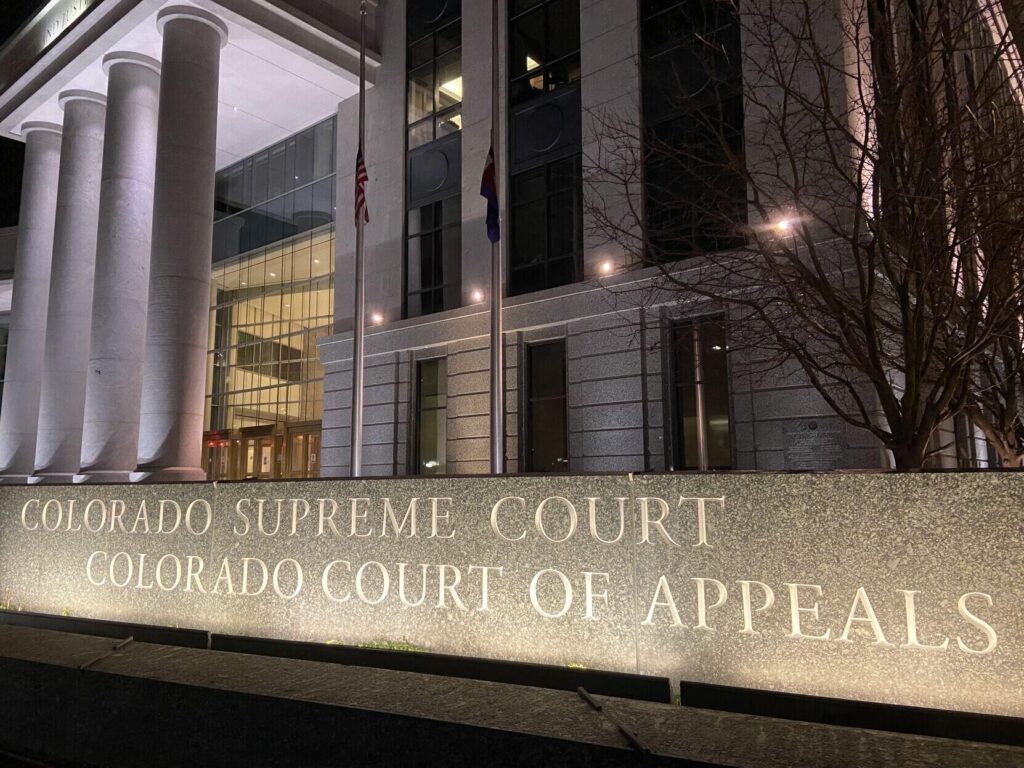
Colorado’s second-highest court upheld a $3 million penalty against a defunct for-profit college on Wednesday, agreeing the state had proven multiple violations of its consumer protection law. The Court of Appeals’ decision against CollegeAmerica followed a trial judge’s order in...
Colorado ski areas suffer, nobody has measured over 70 inches of total snowfall for winter 2025-26
Jonathan Ingraham
jonathan.ingraham@denvergazette.com
Updated 7 hours ago
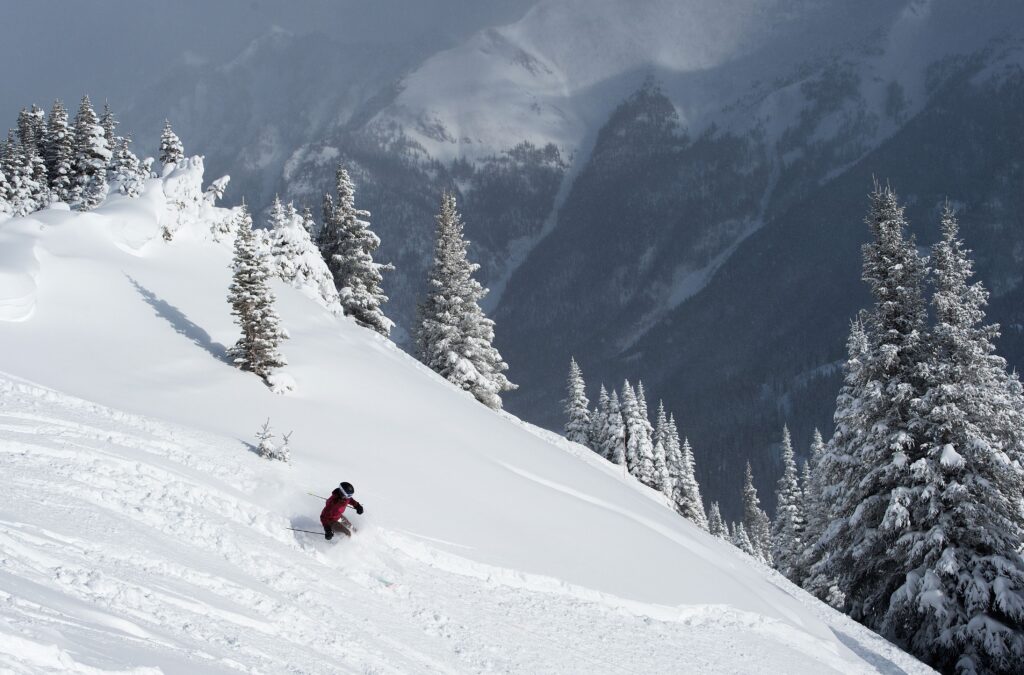
Big changes coming as 10-15 inches of snow possible from incoming weekend storm, second snow event could double figure to start 2026 No Colorado ski area or resort has surpassed 70 inches of reported or estimated total snowfall amounts for...
Appeals court decides violations of child custody orders may be prosecuted per child
Michael Karlik
michael.karlik@coloradopolitics.com
Updated 1 day ago
Colorado’s second-highest court concluded for the first time on Wednesday that a defendant may be charged with violating a child custody order based on the number of children affected, not the number of orders violated. Mesa County jurors convicted Tiffany...

Douglas County judge violated defendant’s right to counsel at sentencing, appeals court finds
Michael Karlik
michael.karlik@coloradopolitics.com
Updated 1 day ago
A Douglas County judge violated a defendant’s constitutional right to the counsel of her choice by refusing to postpone sentencing until her lawyer returned to the country, Colorado’s second-highest court concluded on Wednesday. In early 2023, Lyndie J. Felsher received...

New year, higher wages for Denver hourly and tipped workers
Deborah Grigsby
deborah.smith@denvergazette.com
Updated 1 hour ago
Some Denver workers will be starting the new year with a pay raise as the city’s minimum wage rises to $19.29, up from $18.81. For tipped food and beverage workers, the minimum wage will jump from $15.79 to $16.27 per...

Businesses face losses after Xcel power shutoffs
Sage Kelley
sage.kelley@denvergazette.com
Updated 7 hours ago
Restaurants west of Denver are still coming to grips with product losses and future revenue concerns after power shutoffs last week by Xcel Energy, which cited high winds as the rationale for the decision. “It’s like living in a third-world...

Colorado PUC slates January hearings on natural gas plan, transmission line appeal, railroad rules
Scott Weiser
scott.weiser@gazette.com
Updated 7 hours ago
The Colorado Public Utilities Commission announced January public comment opportunities on railroad safety rules, natural gas infrastructure, and a major transmission line siting appeal. The hearings form part of expanded outreach efforts the commission launched to increase public participation in...
PREV
PREVIOUS
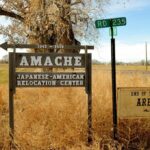
Former Colorado internment camp nears national historic site designation after lone Republican senator concedes
A World War II-era internment site for Japanese Americans on Colorado’s eastern plains is one step closer to becoming a national historic site, after a lone Republican senator holding up the required legislation reached consensus Monday with a Colorado Democrat. The Amache National Historic Site Act – carried in the Senate by Colorado Democrats Sens. […]
FOCUS ON THE SPRINGS | Rumblings in the House GOP caucus, Bradfield's teacher bill
Rep. Shane Sandridge, R-Colorado Springs, has weighed in on the primary fight between his minority leader, Rep. Hugh McKean of Loveland, and Austin Hein, the former communications director for the House GOP when the minority leader was Rep. Patrick Neville, R-Castle Rock. Hein announced this week that Sandridge endorsed him. That may signal a deepening […]