

COVER STORY | The untouchable 9
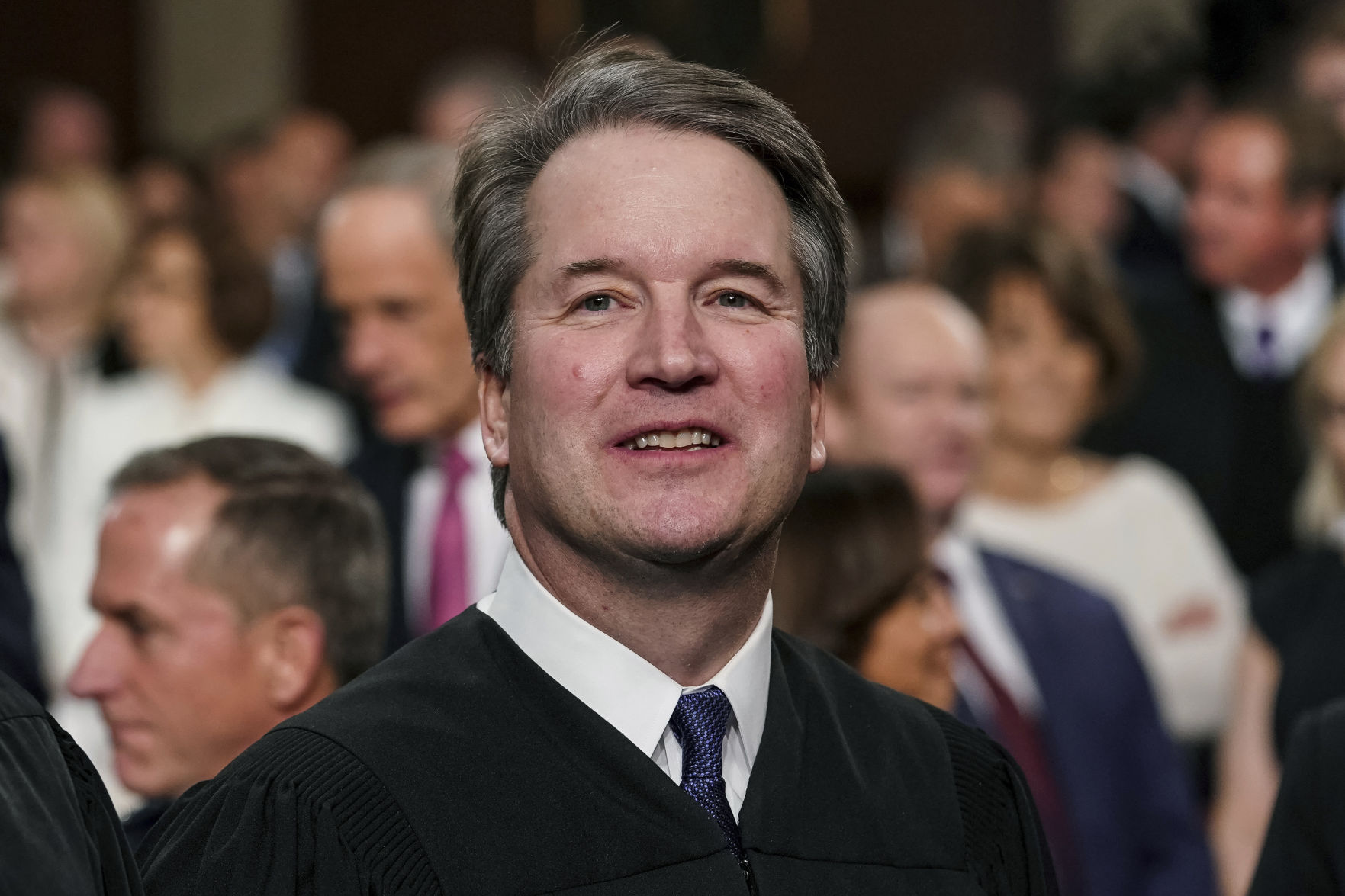
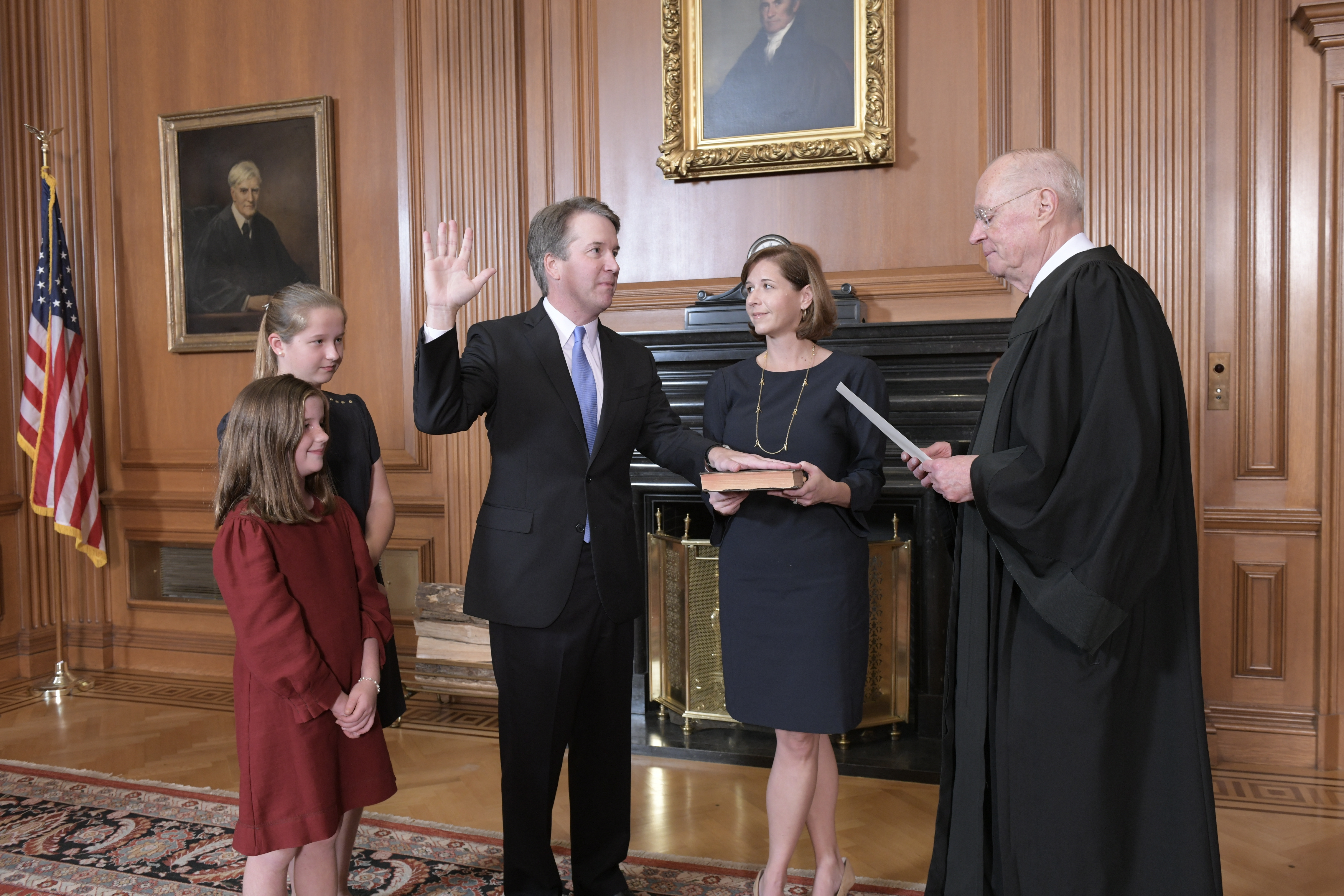
Shortly after the bitter fight to confirm Brett M. Kavanaugh to the Supreme Court, 83 misconduct complaints against him made their way to Colorado in the fall of 2018, assigned by the chief justice of the United States to the federal appeals court headquartered in Denver.
Many of them alleged breaches of the judicial rules of conduct: false statements, partisanship, harassment. Their anonymous authors saw the judicial branch as the last means of disciplining the new justice.
“Do your job and investigate and sanction this judge. If you fail to do so, the public will forever view this court and all others with contempt,” read one complaint, identified only as #90052.
Now, more than three years later, the merits of those complaints have gone unanswered, with neither a vindication nor a condemnation of Kavanaugh’s conduct up to and through his confirmation process. Instead, the administrative panel of the U.S. Court of Appeals for the 10th Circuit decided it had no jurisdiction to hear them, an outcome that still does not sit well with some of the original complainants.
“We were just manipulated by the chief justice of the Supreme Court,” said Steve Rapport of Pacifica, Calif., in January. “We never got answers for did he lie? Is he allowed to lie?”
Kavanaugh’s promotion to the country’s highest court effectively rendered the complaints against him moot. While anyone can lodge a complaint of misconduct against a federal judge, that is not the case for nine people: the justices of the Supreme Court. Congress deliberately exempted them more than four decades ago, although there was no indication Congress ever envisioned a confirmation exactly like Kavanaugh’s.
Although limited, the 10th Circuit’s role in the Kavanaugh complaints ultimately shined a light on another way in which members of the Supreme Court are different from others in the judiciary. The pleas within the Kavanaugh complaints foreshadowed some of the darker rhetoric about the Supreme Court to come.
Absent any action toward Kavanaugh, one complainant wrote, “We will all stand by while the integrity of the judiciary is increasingly weakened in the eyes of the American public and, indeed, the entire world.”
Who is a judge?
Under the Judicial Conduct and Disability Act, any person may file a complaint alleging that “a judge” has committed misconduct or is unfit to fulfill his or her duties. “A judge” means someone who is a federal circuit judge, district court judge, magistrate judge or bankruptcy judge.
The definition does not include Supreme Court justices, and that is no accident.
In October 1979, the U.S. Senate took up legislation that was intended to be a “supplement to, but not a substitute for” the impeachment of judges. One of the sponsors indicated the Judicial Conduct and Disability Act would preserve the separation of powers by enabling the judicial branch to control its own misconduct – and removal – proceedings.
U.S. Sen. Sam Nunn, D-Ga., proposed a substitute set of provisions, notably including a way for people to submit complaints about Supreme Court justices. Under that scheme, there could be a recommendation to the U.S. House of Representatives to censure or impeach a justice for misconduct following an investigation.
“Due to the uniqueness of the Supreme Court,” Nunn said at the time, “the proposal establishes a slightly different procedure.” Nunn’s proposal failed by a vote of 30-60, leaving Supreme Court justices virtually untouchable.
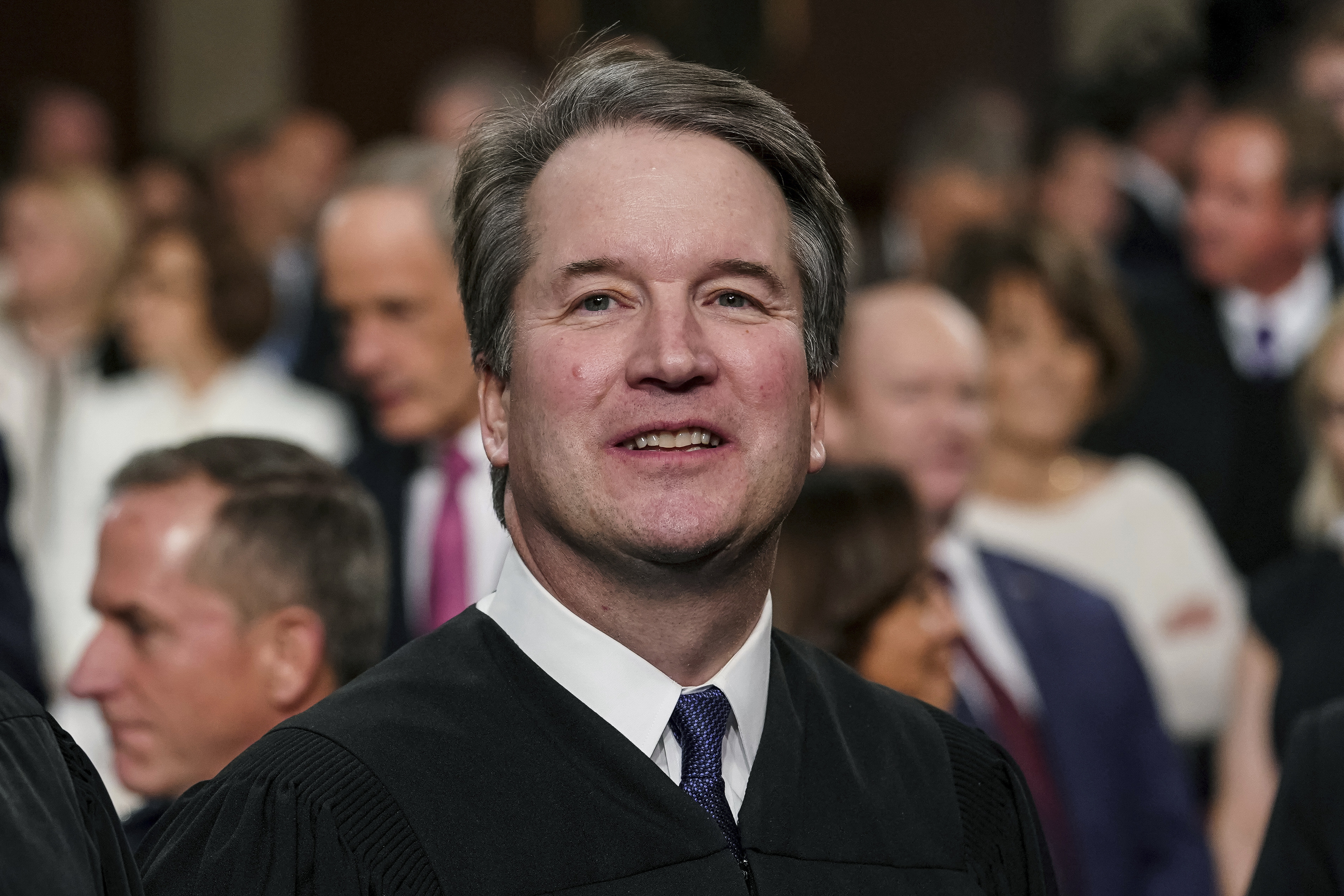
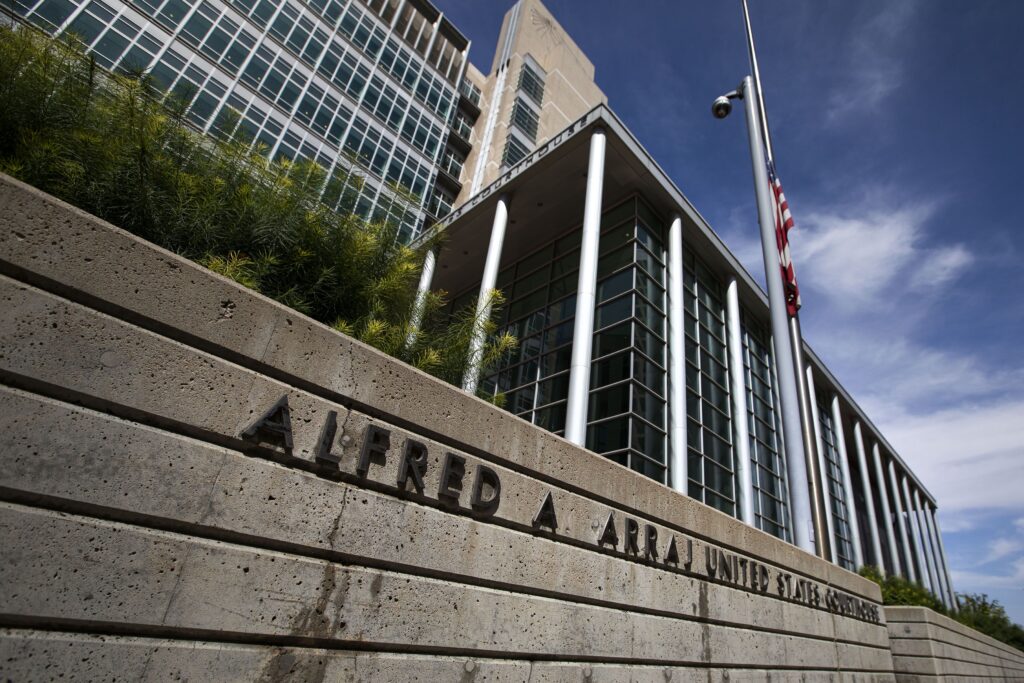
For judges who are covered under the law, the complaints typically go to their chief circuit judge. In the case of the 10th Circuit, which encompasses Colorado and five neighboring states, that is Timothy M. Tymkovich, a 2003 appointee of President George W. Bush from Colorado.
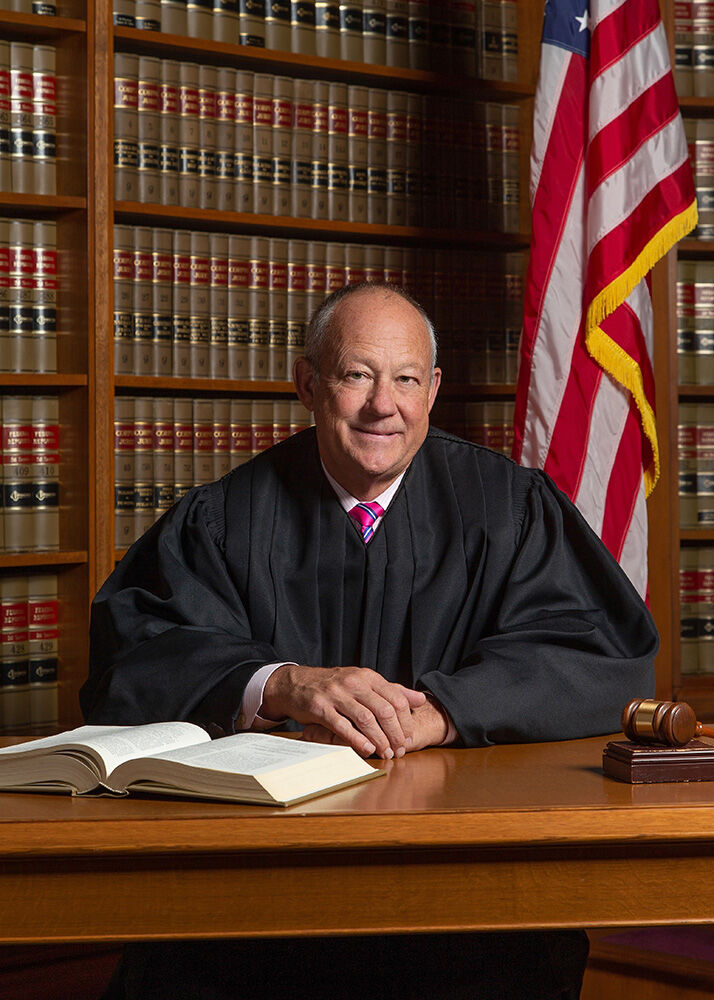
In the 10th Circuit, Tymkovich has dismissed the large majority of complaints against judges. Most recently in October 2021, he tossed a pair of complaints that pertained to three unnamed magistrate judges and one district court judge somewhere within the circuit. Tymkovich determined the allegations were either unsupported or they challenged the judges’ rulings in cases.
Such an outcome tracks with Colorado’s own process for investigating misconduct allegations against state judges, in that judicial misconduct complaints are not generally the place to contest judicial rulings.
However, inaction is not a foregone conclusion.
In June 2021, the Judicial Council of the 10th Circuit recommended that one trial court judge from the Northern District of Oklahoma step down from active duty in response to a complaint. A special committee concluded that District Court Chief Judge John E. Dowdell “suffers from a medical condition that prevents him from continuing to work effectively as an active district judge.” Three days after Tymkovich signed the order, Dowdell entered semi-retirement.
“A problem we have with almost every profession,” said Vernellia Randall, a retired law professor who was one of the Kavanaugh complainants, “is that they try to discipline themselves and they don’t do a good job. They have a hard time because ‘there, but for the grace of god, goes me.'”
‘Nothing happened’
Kavanaugh’s situation was unique: A sitting circuit judge, with specific complaints against him alleging various kinds of misconduct, had been elevated to the Supreme Court.
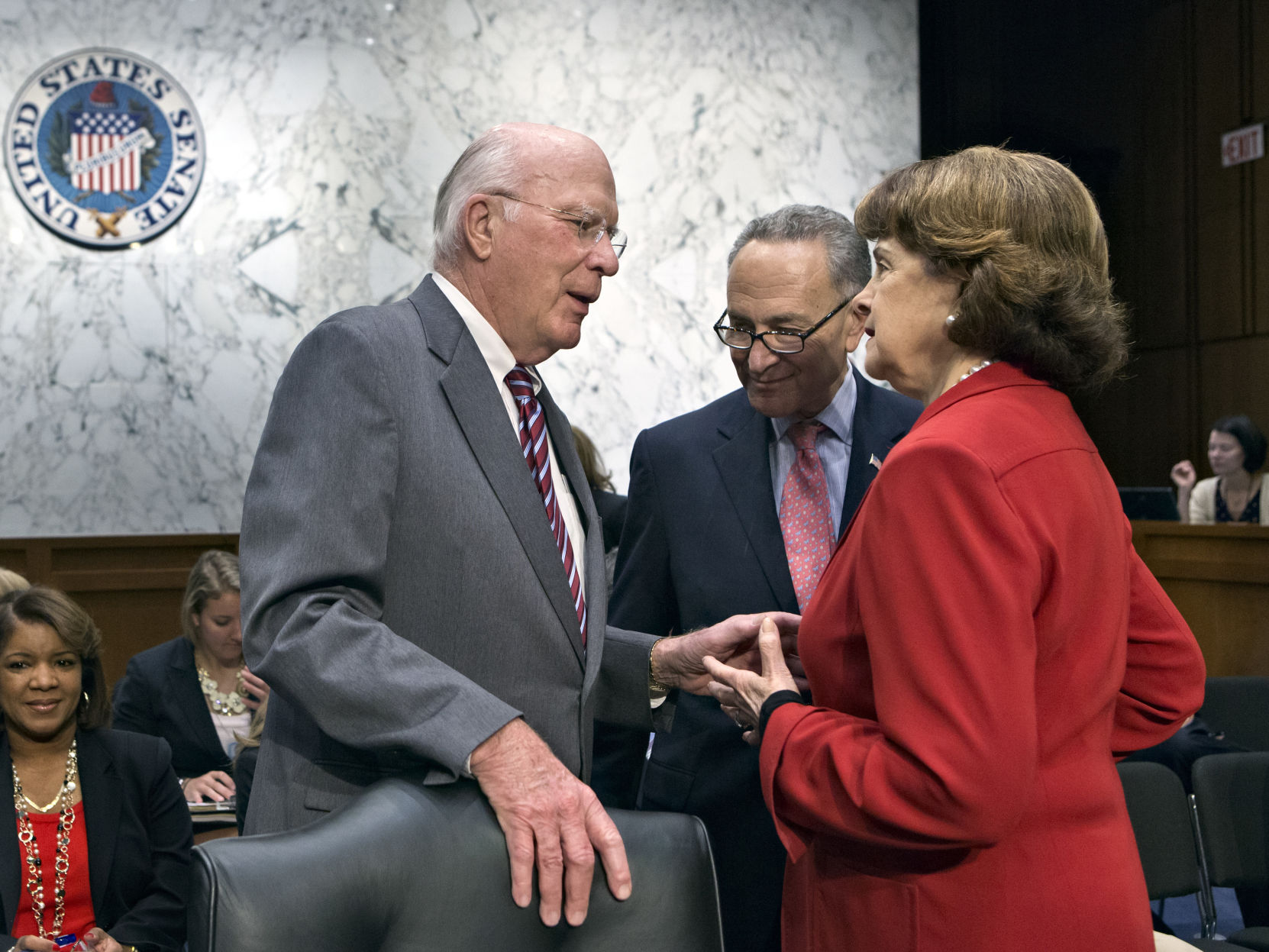
Kavanaugh had been under fire during most of the confirmation process. First, U.S. Sen. Patrick Leahy, D-Vt., claimed that Kavanaugh had “misled the Senate” more than a decade earlier about his role in the Bush White House when he was seeking a judgeship on the D.C. Circuit. Then allegations arose from multiple women who claimed that Kavanaugh sexually assaulted them years in the past.
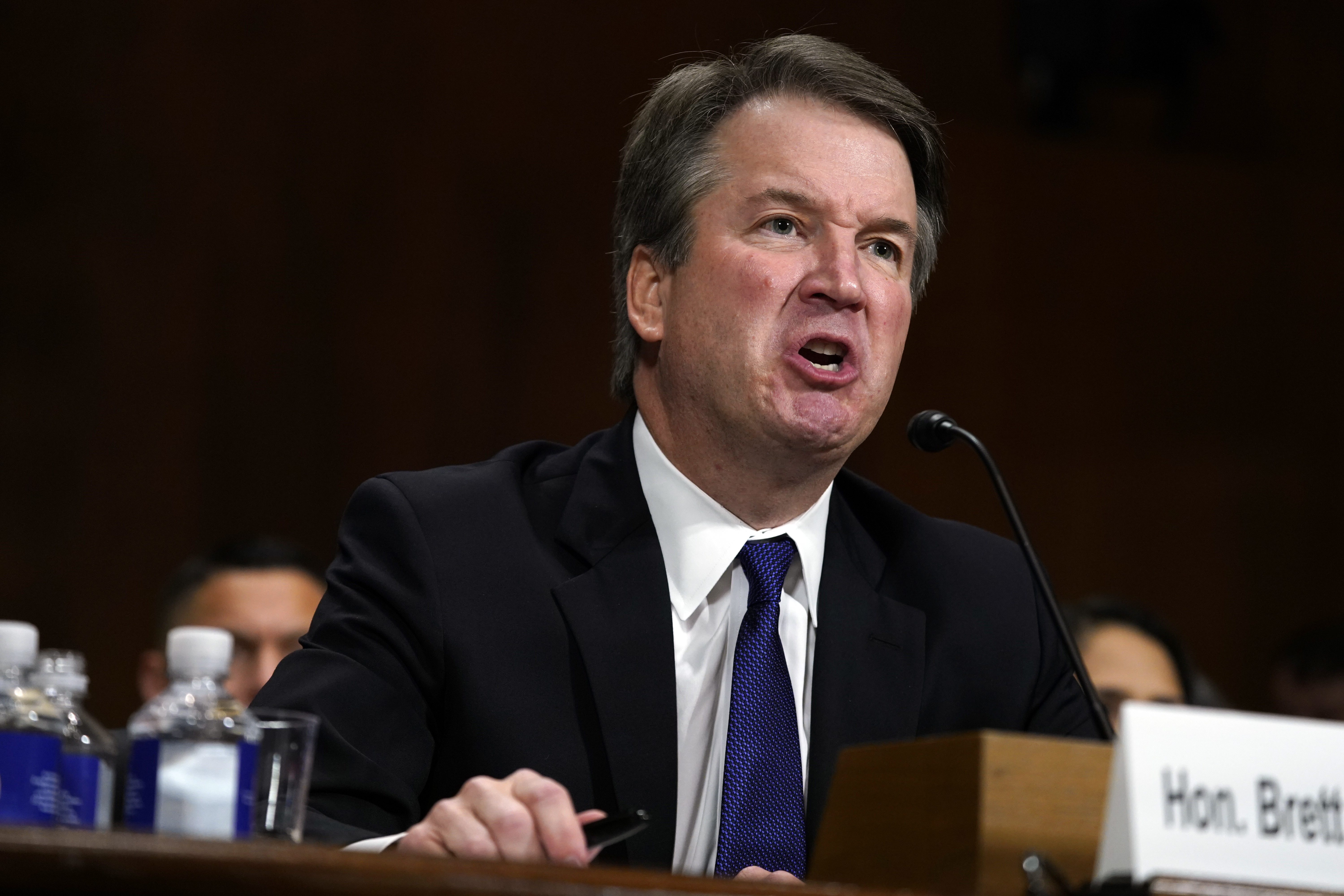
Kavanaugh saw the timing as politically motivated.
“This whole two-week effort has been a calculated and orchestrated political hit, fueled with apparent pent-up anger about President Trump and the 2016 election … revenge on behalf of the Clintons, and millions of dollars in money from outside left-wing opposition groups,” Kavanaugh fumed on live television in response.
Kavanaugh’s defenders also viewed the decades-old, uncorroborated claims as fodder to deny the Trump administration a qualified appointee to the nation’s highest court.
To his critics, the allegations – and, crucially, Kavanaugh’s response to them – showed he was unfit to serve on the highest court.
“My complaint very narrowly focused on his partisan statements because I felt that a sitting judge who made partisan statements would probably be disciplined,” said Randall, who taught about ethics at the University of Dayton and identifies as neither a Democrat nor a Republican. “He talked about Democrats, and people who are Democrats might come before him with cases.”
Rapport, of California, was a photographer and martial arts instructor who, around the time of the Kavanaugh nomination, was active in the anti-Trump Indivisible movement. He recalled watching the hearing, which occurred on his birthday, in which Kavanaugh responded to the sexual assault allegations. He was moved to write a complaint because, among other things, he is “a Libra, so I have a sense of outrage when people game the system or when things are not equitable.”
“I wanted to go on record and register my disgust,” he said. “I had a letter from the 10th Circuit saying I’d been assigned this case number, it’s being reviewed. I thought, ‘OK, the system is working. A United States Court of Appeals justice is looking at this complaint and it will get a hearing of some kind.’ Then time went on and nothing happened.”
This is what did happen: Four days after the Senate confirmed Kavanaugh by a vote of 50-48, Chief Justice John G. Roberts Jr. wrote to Tymkovich, the 10th Circuit’s chief judge. The D.C. Circuit, where Kavanaugh was an appellate judge immediately prior to his elevation to the Supreme Court, had requested another court to handle a handful of complaints it had received about the newest justice.
“I have selected the Judicial Council of the United States Court of Appeals for the Tenth Circuit to accept the transfer,” Roberts wrote on Oct. 10, 2018, adding that the 10th Circuit would also handle any related complaints that arose.
The rules of the 10th Circuit’s judicial council, the administrative body for the circuit, provide that the chief judge reviews complaints and takes action in some form – from outright dismissal to convening a special committee to investigate. Leslee Fathallah, the deputy circuit executive, did not know why Roberts chose the 10th Circuit but said the judges on the council did not handle the Kavanaugh complaints in that way.
“The Council determined it to be in the public interest and in the interest of justice for more judges to consider this matter in the first instance,” Fathallah said.
The complaints
The complaints from lawyers and nonlawyers alike spoke largely to Kavanaugh’s conduct, but also about what the whole episode meant for public confidence in the judiciary.
“His conduct causes me to lose faith that the judiciary is impartial,” wrote complainant #90084.
“Reporting a Judge of the United States is not an easy thing to do. My mother was a legal secretary for approximately 20 years, so I grew up with a respect for the rule of law and also all of the people involved in maintaining it,” added complainant #90091.
Most complaints did not view the sexual assault allegations from his primary accuser, Christine Blasey Ford, and others as grounds for action by themselves. Instead, it was the way Kavanaugh conducted himself that they viewed as violating rules of judicial conduct: He failed to promote public confidence in the impartiality of the judiciary. He participated in activities that appeared to undermine his own impartiality. He made false or misleading statements, the complaints alleged.
Several people worried that Kavanaugh had revealed an inability to treat his political critics fairly should they ever appear before him in court.
“I do not believe Mr. Kavanaugh could be impartial should I ever appear before him,” wrote a complainant who identified as a Democratic activist from California.
Although personal identifying information was redacted in all 83 complaints, one submission claimed to be from a group of mental health experts. They called for a “full psychological and substance abuse assessment” for Kavanaugh, referencing his “rage” and “willingness to deceive” during the hearing.
The complaint also referred to the frequent mentions at the hearing of Kavanaugh’s alcohol use – a theme that Saturday Night Live later parodied, but one that resulted in contentious exchanges between Kavanaugh and some senators in the moment.
“Alcohol misuse includes an underlying emotional component, and Judge Kavanaugh’s conduct raises concerns about whether his poor emotional regulation during the hearing, the abundance of behavior unbecoming of a judge, and having been accused of a violent crime are evidence of these underlying emotional issues,” alleged complaint #90078, with three pages of redacted signatures.
J. Whitfield Larrabee, a Massachusetts attorney, submitted two complaints on behalf of himself and The Democratic Coalition – one prior to and one following the Sept. 27 hearing.
“My feeling was it was probably an uphill battle,” Larrabee recalled of his complaint. “I was not optimistic that it was going to come down in our favor. But I still felt it was worthwhile to file the complaint to draw attention to my dissatisfaction with the nomination.”
While the 10th Circuit still had to adhere to its process, the judicial council made certain decisions about the Kavanaugh complaints that departed from historical practice.
“They decided to publish all of these complaints. That is fairly unique. I’ve never seen official complaints on a website, except on the 10th Circuit’s,” said Gabe Roth, executive director of the Supreme Court reform group Fix the Court.
“The Judicial Council decided to publicly disclose the complaints and petitions only after considering the public interest in the matter, the value in transparency, and the ability to provide anonymity and meaningful redaction to protect the identities of the complainants and petitioners,” confirmed Fathallah. She added that the decision whether to disclose the same level of detail in the future would require a case-by-case analysis.
10th Circuit renders decision
On Dec. 18, 2018, Tymkovich issued a decision after the entire judicial council had looked at the complaints. Tymkovich had declined to recuse himself after one complainant, a resident of Albuquerque, alleged that Kavanaugh had advocated for Tymkovich’s nomination to the 10th Circuit. Of the remaining members of the judicial council, four were appointees of Democratic presidents and three were appointees of Republicans. Another Republican member of the council chose not to participate.
The judicial council concluded it had no jurisdiction to consider the allegations because an “intervening event” – Kavanaugh’s confirmation to the Supreme Court – meant he was not subject to the misconduct process.
“Decisions from this and other circuits are consistent with this conclusion. The Act covers individuals only while they are circuit, district, bankruptcy or magistrate judges, even if the alleged misconduct occurred during the time the judge was covered under the Act,” Tymkovich wrote.
Although “intervening events” can now take the form of a judge’s elevation to the Supreme Court – thanks to Kavanaugh’s precedent – a more common possibility is that a judge retires and evades discipline. Some legal scholars have urged a fix.
“In the event that a retirement or other intervening cause prevents an investigation into the merits of a complaint against a judge, a chief judge should automatically refer the case for congressional inquiry and impeachment,” wrote Veronica Root Martinez, professor at Notre Dame Law School.
Twenty of the original complainants wrote petitions appealing the judicial council’s order, making a variety of creative arguments to tell the 10th Circuit it had reached the wrong conclusion.
“Confirmation to the Supreme Court did not deprive Kavanaugh of his status as a circuit judge so much as it gave him a new qualification to sit on an additional court,” contended one petitioner.
“[T]he Chief Justice’s letter of transfer must be read at the very least as an explicit determination by the Chief Justice that the Act applies to the Complaint,” wrote another.
Still others argued that the Judicial Council of the 10th Circuit should have established a special committee if the chief judge had opted not to handle the complaints himself. Some openly wondered why the judiciary had sat on the complaints until after Kavanaugh’s confirmation before referring them to the 10th Circuit.
Fatahllah said she could not provide additional information about the timing of the referrals, and a Supreme Court spokesperson did not return a request for comment.
On March 15, 2019, circuit executive David Tighe issued an order on behalf of the judicial council addressing the complaints. He conceded that the rules “do not expressly provide a procedure” after the chief justice transfers complaints, but that the Kavanaugh matter was “exceptional” and that the members of the council were allowed to review their own decision. Six of the eight members stood by that decision.
Judge Mary Beck Briscoe, a circuit appointee from Kansas, dissented. Her reading of the rules led her to believe the 10th Circuit should not review the petitions and should transfer them to a different body. Judge Carlos F. Lucero of Colorado, who, like Briscoe, was a circuit nominee from the Clinton administration, agreed and recused himself entirely.
Because of Briscoe’s dissent, people were allowed to petition the Committee on Judicial Conduct and Disability for the Judicial Conference, the final stop in the federal judiciary. Nine people did so and the committee ultimately sided with the 10th Circuit’s conclusions. In doing so, the committee admonished the judicial council for choosing to review the initial complaints as a whole, saying the 10th Circuit was “not authorized” to take that route.
By that time, Kavanaugh had already served a full term on the Supreme Court and had joined decisions about abortion, capital punishment and immigration. Left unanswered was the concern one person had posed rhetorically to the 10th Circuit: “I do not understand why a Supreme Court Justice cannot be held to the same standards and rules of conduct that are set for other judges.”
The future of the Court
Proposals exist in Congress to subject members of the Supreme Court to an ethics code, although none goes as far as Nunn’s 1979 proposed route to censure and impeachment.
Randall, the retired professor, suggested creating a nonpartisan, nonjudicial body to handle complaints. She also advocated for Congress extending misconduct and disability proceedings to Supreme Court justices, as well as to judicial nominees who are not currently on the bench.
“I have two adult children and I have a belief system that when you have more than one child, you have to publicly discipline them. Otherwise, the other child doesn’t know what the standards of behavior are,” she said. “The disciplining is not just for the public, but for other members of the court to see this is not acceptable behavior.”
The 10th Circuit’s judicial council, she added, could have made a statement about Kavanaugh’s behavior, even if it concluded it could not do anything about the issue in front of it.
“That happens all the time,” Randall said.
Kavanaugh’s confirmation took place amid a trend of generally declining public approval of the Supreme Court. Gallup measured public approval at only 40% for the court in September 2021, representing a 20-year low. Seemingly in response, several of the justices themselves have attempted to bolster the Court’s legitimacy: Amy Coney Barrett, speaking at an institution founded by the U.S. Senate’s Republican leader, Mitch McConnell, claimed last year that the court was not “a bunch of partisan hacks.”
Rapport still feels the public is owed an explanation of Kavanaugh’s finances and the circumstances surrounding the retirement of Kavanaugh’s predecessor, Justice Anthony M. Kennedy. But he also felt a fundamental principle that no one is above the law was violated.
“The more I think about it, the more angry I am,” he said. “I just don’t feel that we’ve got three honest branches of government anymore.”

Federal judge declines to dismiss strike-breaking nurses’ lawsuit over wage violations
Michael Karlik
michael.karlik@coloradopolitics.com
Updated 5 hours ago
A federal judge last week declined to dismiss 39 nursing employees’ claims for compensation against a Greenwood Village-based company for its alleged violations of state and federal law. U.S. Nursing Corporation employs health care professionals to cross the picket lines...
Appeals judge argues prior decision on defendant’s ‘3-strikes’ sentence was wrong
Michael Karlik
michael.karlik@coloradopolitics.com
Updated 7 hours ago
A member of Colorado’s second-highest court argued on Thursday that a defendant stands wrongfully sentenced under the state’s “three-strikes” law, and an earlier appellate decision saying otherwise was incorrect. A three-judge Court of Appeals panel agreed that Kiki Lamount Douglas’...

Appeals court overturns convictions after Douglas County judge let biased juror serve
Michael Karlik
michael.karlik@coloradopolitics.com
Updated 7 hours ago
Colorado’s second-highest court reversed a defendant’s robbery-related convictions and 18-year prison sentence on Thursday because a Douglas County judge allowed a biased juror to serve. During Ahmarion Kaliel Shead’s trial in January 2023, one juror, identified as “J.H.,” indicated on...

Federal judge blocks USDA ‘pilot project’ affecting Colorado food assistance
Michael Karlik
michael.karlik@coloradopolitics.com
Updated 1 day ago
A federal judge blocked the U.S. Department of Agriculture on Wednesday from proceeding further with a “pilot project” that would require five Colorado counties to rapidly recertify more than 100,000 households for food assistance. In a brief ruling from the...
Colorado lawmakers hear about increased judicial discipline complaints, fallout from Missy Woods misconduct
Michael Karlik
michael.karlik@coloradopolitics.com
Updated 1 day ago
Members of the Colorado legislature’s judiciary committees heard about a large increase in complaints against judges and additional forensic misconduct that has come to light, during three days of oversight hearings last week. Leaders of several judicial-related agencies appeared between...
Federal judge warns DOJ against raising repeatedly rejected arguments in immigration detention cases
Michael Karlik
michael.karlik@coloradopolitics.com
Updated 1 day ago
A federal judge in Colorado warned the U.S. Department of Justice on Monday against raising arguments that she and other judges have repeatedly rejected in cases challenging the lawfulness of immigration detentions. In a Jan. 26 order finding the government...

Colorado Supreme Court to address child’s CCTV testimony
Michael Karlik
michael.karlik@coloradopolitics.com
Updated 2 days ago
The Colorado Supreme Court announced on Monday that it will review the impact of a victim’s closed-circuit testimony on the prosecution of a juvenile defendant. At least three of the court’s seven members must agree to hear an appeal. There...

10th Circuit to hold all-judges hearing, judicial committee turns down ‘civility code’ | COURT CRAWL
Michael Karlik
michael.karlik@coloradopolitics.com
Updated 3 days ago
Welcome to Court Crawl, Colorado Politics’ roundup of news from the third branch of government. The Denver-based federal appeals court agreed to hold a rare all-judges hearing in a criminal case, plus a state Supreme Court committee overwhelmingly rejected a...

Divided Colorado Supreme Court curtails use of laced-substances defense
Michael Karlik
michael.karlik@coloradopolitics.com
Updated 1 day ago
The Colorado Supreme Court on Monday walked back the ability of criminal defendants to claim their conduct was the result of consuming an intoxicating substance that secretly contained another behavior-altering substance. Under state law, “involuntary intoxication” is an affirmative defense,...
Colorado justices say utilities commission overreached by immunizing Xcel in rate document
Michael Karlik
michael.karlik@coloradopolitics.com
Updated 3 hours ago
Xcel Energy cannot rely upon a rate-setting document to broadly immunize itself from liability against electrocutions, the Colorado Supreme Court ruled on Monday. The justices originally heard the electrocution-related lawsuit from Francisco Cuevas to decide whether Xcel’s tariff, which sets...
PREV
PREVIOUS
DougCo school board votes to fire superintendent in tense meeting amidst protest by teachers
A fractured Douglas County school board narrowly voted Friday night to fire Superintendent Corey Wise, a decision that bucked large staff protests in the district and came after a tense board spent three hours criticizing and challenging each other’s integrity and intentions. The vote, an unsurprising 4-3 tally along the board’s newcomer-vs.-incumbent lines, comes a […]

DA's second-in-command among five resignations in January, 38 since beginning of 2021
The Fourth Judicial District Attorney’s Office second-in-command, Assistant District Attorney Martha McKinney, resigned her position and was placed on administrative leave a year after she was named to the post. She was one of five attorneys who left the office last month following an exodus of 33 attorneys, or more than 37% of the office […]