

Q&A with Paul Fanning | The future of Pueblo’s water
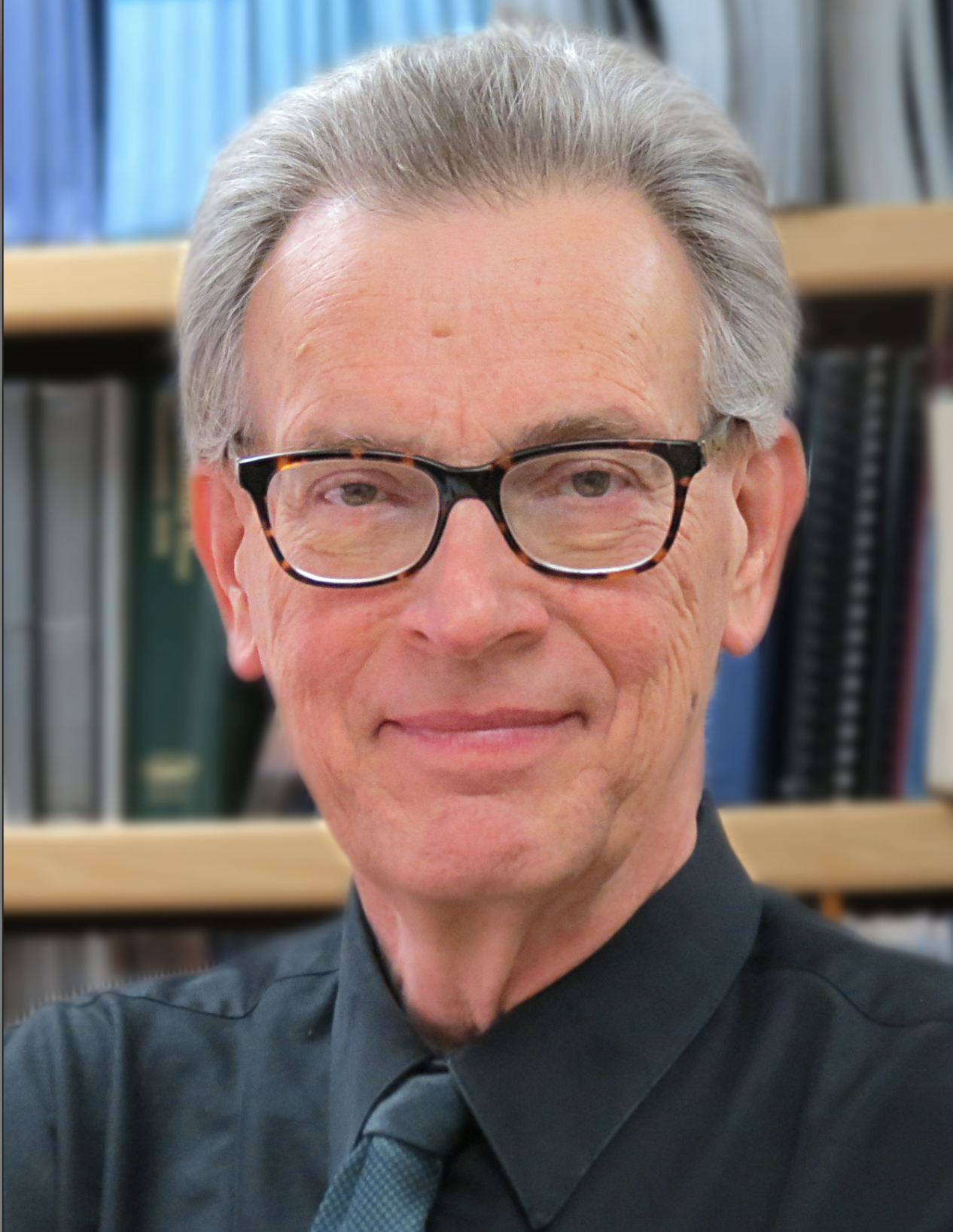

Paul Fanning recently retired after more than 20 years with Pueblo Water, the independently operated water utility.
Once an aspiring professional musician, he had hoped to go back into the music side of his life, it hasn’t quite worked out that way. Water continues to have a strong hold on him, and he’s answered the call.
The way he tells it, Fanning started college at Southern Colorado State College, which is now Colorado State University-Pueblo, but he dropped out to become a rock ‘n’ roll star.
Fanning plays guitar and dabbles in bass, drums, mandolin, ukulele and keyboard.
“That didn’t quite work out the way I thought,” he said. “A professor from SCSC, a mentor, moved to University of Wyoming, so I moved to Laramie and went to Wyoming for theater. Didn’t finish that degree, (then) headed to Cal State Fullerton.”
By then, he and his wife, Sylvia, had twin sons, “so we skedaddled back to Pueblo.”
He’s been striking all the right notes in the water arena for a long time.
The former spokesman and legislation administrator is the recipient of this year’s George Warren Fuller Award for Colorado, New Mexico and Wyoming, presented by the Rocky Mountain Section of the American Water Works Association.
Fanning is a long-time volunteer with the clean-water nonprofit and its former chairman.
Colorado Politics caught up with this social-media averse spokesman to find out what’s next on his dance card now that he’s free from the 9-to-5.
Colorado Politics: How did you get involved in water?
Paul Fanning: After going back to Pueblo from California, I got a job at KOAA-TV, eventually as assistant production manager. I followed my boss to Wichita, Kansas, thinking I’d be there two or three years but ended up there for 15 years. Started at KSNW-TV ). The Wichita school district had three cable channels and no one knew how to do real TV. I got recruited to work for the school district to run their educational TV channels. I ended up as communications director for Wichita Public Schools, which was also something of a meat grinder. All three network stations would send a camera and reporter to the school board meetings. People called it the “Monday night fights,” there was’ lots of dysfunction and controversy. I got positive things done, however, with relationships with the media and community.
We felt the pull to come back to Pueblo for family reasons in 1999. After freelancing a bit, long enough to know I’m not the person who could work for himself, I answered an ad for Pueblo Water Works for a newly created communications job. I was very lucky to land it because they didn’t know what they wanted or needed.
Pueblo’s revered water leader Alan Hamel had said Pueblo was drought-proof. Then the 2002 drought happened. They were complacent, and then there were severe restrictions and water cops. There was all this turmoil, and they needed someone to write press releases to get out of this problem. My experience said it would take more than that. Little did I know what that would become.
CP: What’s the biggest change you’ve seen in the last 20 years?
Fanning: The shift from so much conflict to the recognition that we are all in this together and listen to each other, whether the basin roundtables or Colorado Water Congress.
Pueblo is an odd duck in the state. It’s linked to all the other transmountain diversions (water that is routed through tunnels from the Western Slope to the Eastern Plains). We’re isolated, being this far south. When they talk about climate and rainfall and say Front Range, they aren’t talking about Pueblo. We have much warmer temperatures and less rainfall and a much poorer community. Things that have been effective or widely adopted in the Front Range, like conservation, don’t apply in Pueblo, which has lagged behind the state on implementing mandatory conservation measures. Pueblo also has grown more slowly than the rest of the Front Range, and the water board in the 1970s saw that coming, so they put together a robust package of water rights. Pueblo hasn’t grown into those water rights yet.
CP: Where do you see the future of water in Pueblo?
Fanning: Pueblo still has a robust water supply portfolio. They protect their risk from the Columbine Ditch (on the Eagle River) by purchasing shares of the Bessemer Ditch (on the Arkansas). The water rights holders on Bessemer were selling at the time, not just willing but active sellers. That improved the percentage of Pueblo’s water supply that is direct flow from the Arkansas. We do still depend on transmountain diversions. The future doesn’t seem as bleak for Pueblo as it does for other place, but at the same time, the economic boom isn’t either. Xcel is converting its Comanche Plant, which uses and pays for a lot of water to solar and wind and maybe even nuclear. What they’ve been paying Water Works for that water is a subsidy, with a positive effect on what Puebloans pay for water. When that income goes away, it frees up water resources, but there’s no free lunch.
CP: Tell me about your rock ‘n’ roll past?
Fanning: I got together in high school with some friends, and George decided we’d make the push. It wouldn’t happen in Pueblo, so we headed to Denver. We wanted a name like The Who, so we went with The Mad (insane, not angry). We played a lot of crummy gigs and had an exploding drummer kind of thing .
We did a gig in Edwards with a drummer we’d known for several years who just came out of the Army. He got out of his car and pulled out a big revolver, saying, “None of these cowboys are going to mess with me.” He was incredibly unstable from his experiences in Vietnam. We were too terrified to fire him, but luckily he quit.
One day we were rehearsing in a house in Aurora, and someone knocks on the door, asking if we were looking for a drummer. He promised he was cleaning up his act, which translated into “I’m broke and can’t afford to buy drugs.” We went through several drummers that way. After a while, George quit and went back to Pueblo.
Years later, we all ended up back in Pueblo, and George and I and a drummer got the band back together. The Chieftain did an article on us. We played at Riverwalk, and George wanted to start things up again. I had just gotten the job at Pueblo Water and didn’t want to give it up, so I broke up the band. That was best for the universe!
CP: What happened to retiring?
Fanning: [Music] was the plan for retirement, but just before I retired, I was at the Capitol and during a break the chair of the Arkansas Basin Roundtable asked if I would be a gubernatorial appointee. I talked to Sylvia, she was on board. I got dragged back into the water.
Right after I retired, I was sitting in a café on Main Street in Pueblo, and in comes a fellow from Colorado Springs who was on the Board of Water Education Colorado. They needed someone from the Arkansas Basin on the Board, so now I’m on the WECO board. The funny thing about these appointments: A few months after starting on the Ark Basin roundtable, their coordinator for outreach and public education stepped down. I was asked to head up a work group on that. I’d never written a grant before but got a grant from the Colorado Water Conservation Board to hire a new coordinator.
The WECO board took a big hit, $150,000 cut from the state, during COVID, and because of some personal stuff going on at the [legislature], the language said the cut was in perpetuity. We formed another work group with Chris Treese, who had just retired from the Colorado River District, and Brian Werner, who had just retired from Northern Water, and we were back in business lobbying the [legislature] and negotiating with the CWCB to restore our funding, which we were successful in getting done.
It doesn’t look at all like retirement. But when you have results like that, it’s worth maybe not getting to spend as much time with my guitars as I had planned.
CP: What’s one thing people don’t know about you?
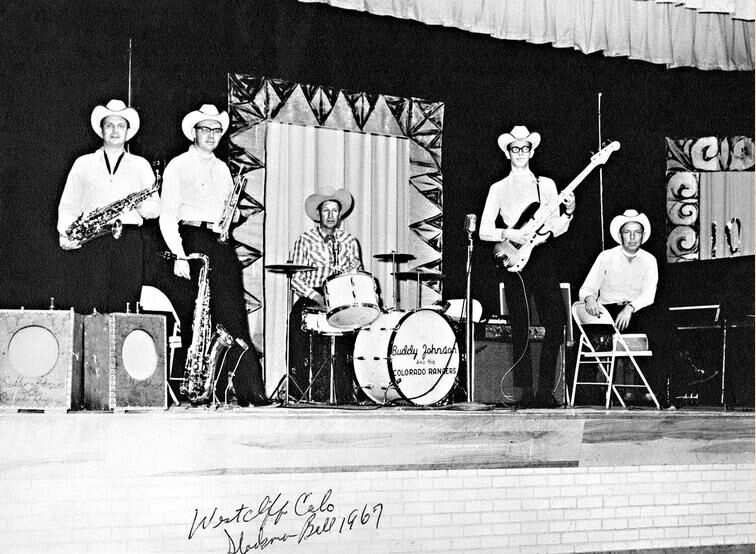
Fanning: My first public performance was at 5 years old; my dad was the piano play for Buddy Johnson and the Colorado Rangers. I loved to sing when I was a little kid. They’d rehearse at our house and I’d sing along. Buddy had a nightclub, the Gayway Park, in Beulah where they played regularly. They decided to let me sing, so I was on stage at 5 years old with Buddy Johnson, singing “Won’t You Ride My Little Red Wagon.”
The story took a sad turn. A couple of weeks later, they decided to have me back. I was doing a serious song, “Melody of Love,” and some wiseacre grabs this little girl about my age and puts her on stage with us holding hands. I refused to sing. I was terrified. I could sing in front of hundreds of people but touching a 5-year old girl, that was the end. I could have been Donny Osmond!
Fast Facts:
Where did you grow up? Native Puebloan. Graduated from Central High.
Education? Bachelor’s in theater from Cal State Fullerton.
Kids? Three sons
Steak, sushi or salad? Sushi
Broncos, Avs, Rockies or Nuggets? Not much of a pro sports fan. CSU-Pueblo Thunderwolves all the way!
Most famous performer you ever met? Backstage at Pueblo Memorial Hall for The Kinks, when “Lola” was a big hit. They were nice. And very short. I once attached a lapel mic for Jesse Jackson, when I was working in Wichita and he was running for president. It was terrifying with all the Secret Service.
Worst song to perform? Hawaiian Wedding Song
Favorites? “All Things Must Pass” by George Harrison or “Won’t Get Fooled Again” by The Who.

Iran and Oman come to agreement to open Strait of Hormuz, but await US buy-in
Claire Carter
claire.carter@washingtonexaminer.com
Updated 14 minutes ago
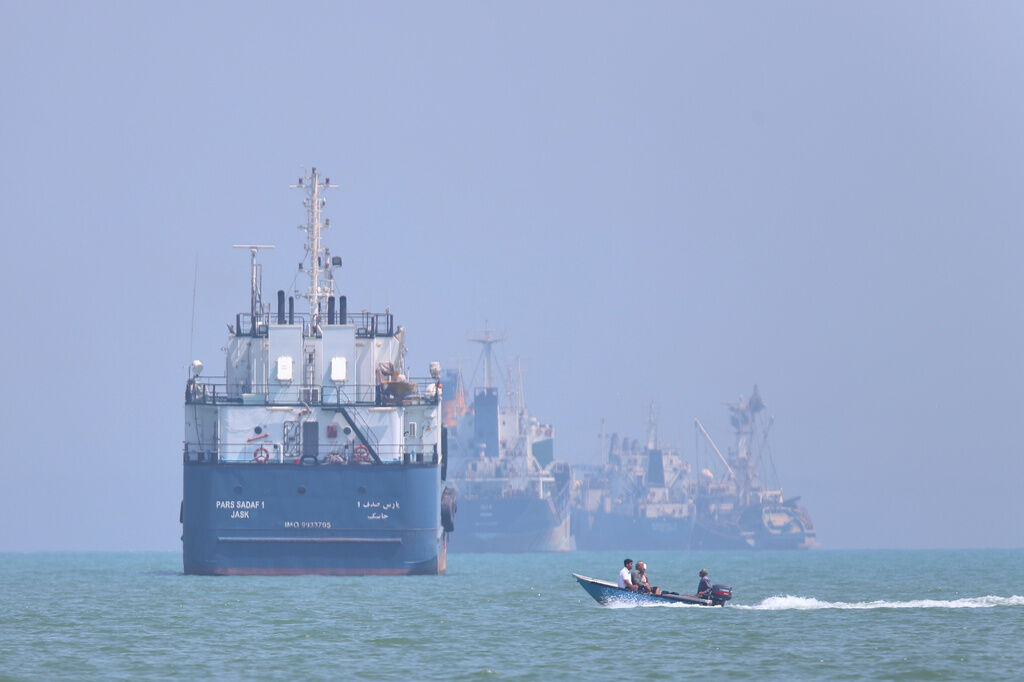
Iran and Oman reached an understanding on a temporary shipping corridor through the Strait of Hormuz, clearing a major hurdle to reopening the critical waterway, but Tehran says implementation depends on the United States meeting a series of demands. The...

Trump faces warning signs among women ahead of midterm elections: Poll
Rena Rowe
rena.rowe@washingtonexaminer.com
Updated 21 minutes ago
President Donald Trump is facing significant challenges among women voters heading into the 2026 midterm elections, with a new survey showing low approval of his job performance and broad opposition to key policies in his administration’s agenda. A national survey...
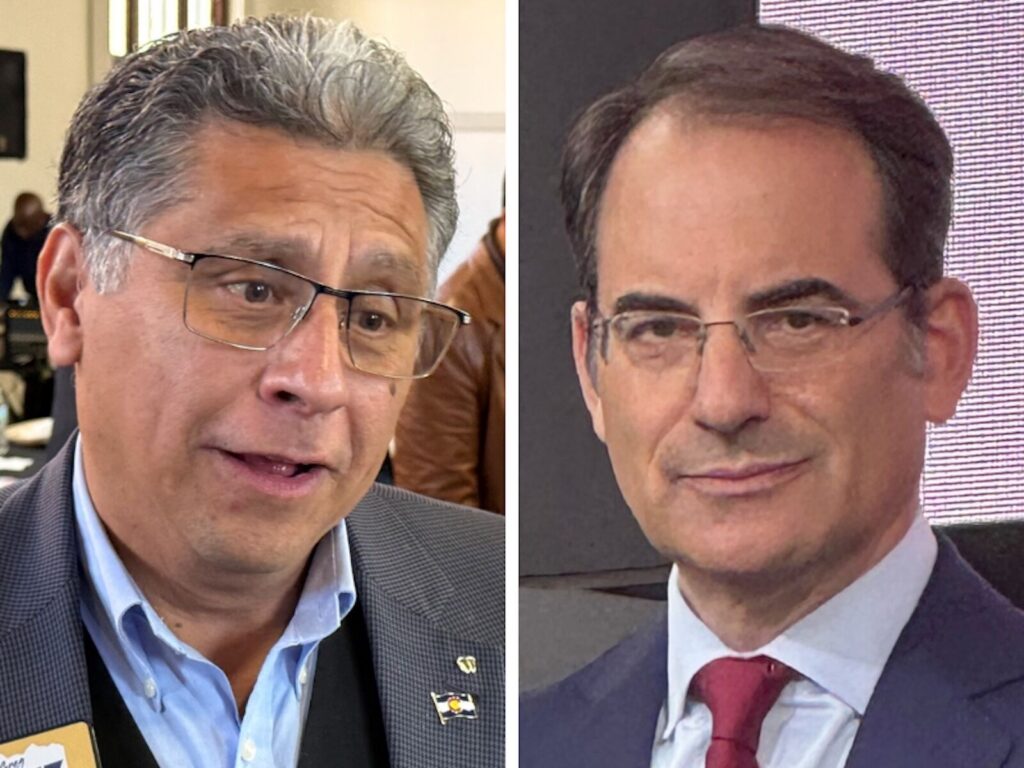
Colorado gubernatorial candidates Phil Weiser, Greg Lopez to face off Thursday in televised debate
Ernest Luning
ernest.luning@coloradopolitics.com
Updated 59 minutes ago
Two of the candidates for governor of Colorado are set to square off in a televised debate for the first time Thursday night, when Attorney General Phil Weiser, the Democratic nominee, and former U.S. Rep. Greg Lopez, an unaffiliated candidate,...
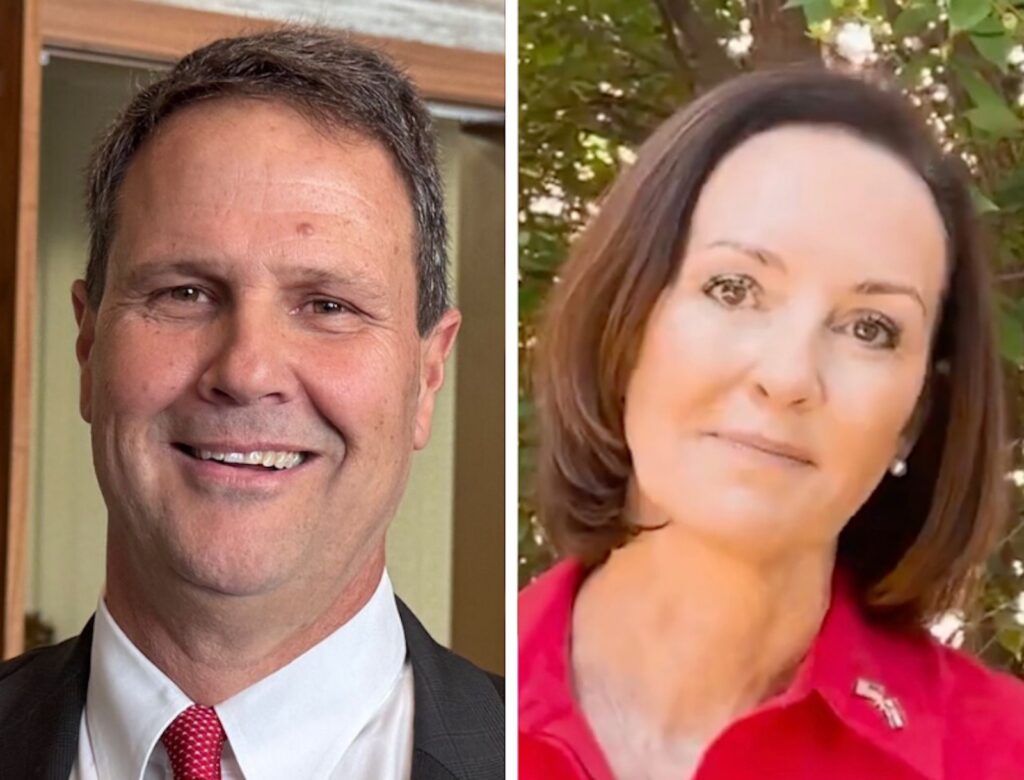
Republican US Rep. Jeff Crank, Democratic challenger Jessica Killin set to debate in Colorado’s 5th CD
Ernest Luning
ernest.luning@coloradopolitics.com
Updated 2 hours ago
Republican U.S. Rep. Jeff Crank and Jessica Killin, his Democratic challenger, are scheduled to meet for a televised debate in the race to represent Colorado’s 5th Congressional District on Thursday night. The candidates are set to take the stage at...
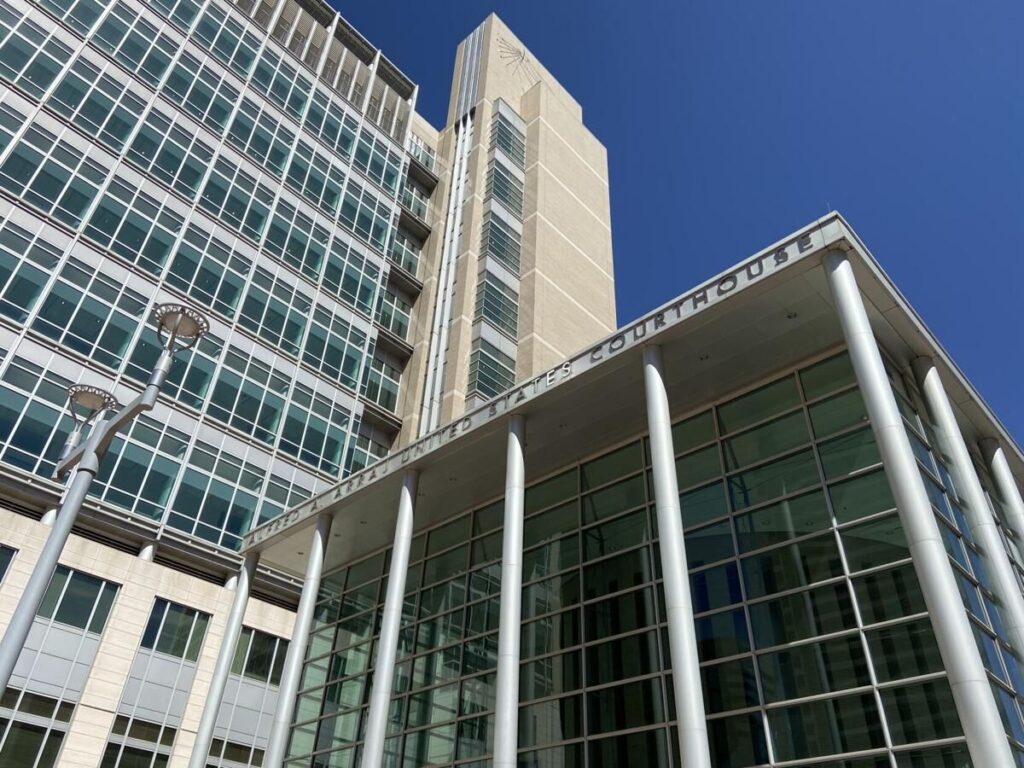
Wrongfully deported man to be returned to U.S., Colorado federal judge orders
Michael Karlik
michael.karlik@coloradopolitics.com
Updated 2 hours ago
Colorado’s chief federal judge took the extraordinary step of directing the government on Tuesday to do everything it can to return a man it deported in violation of his order. At the same time, Colorado’s chief magistrate judge has set...

Colorado to get $615M from Meta child safety settlement
Thelma Grimes
thelma.grimes@coloradopolitics.com
Updated 1 hour ago
The parent company of Facebook and Instagram will pay hundreds of millions of dollars to Colorado, part of an $18 billion multistate deal, in which the company also agreed to adopt extensive child-safety changes to its operations. The settlement ended...
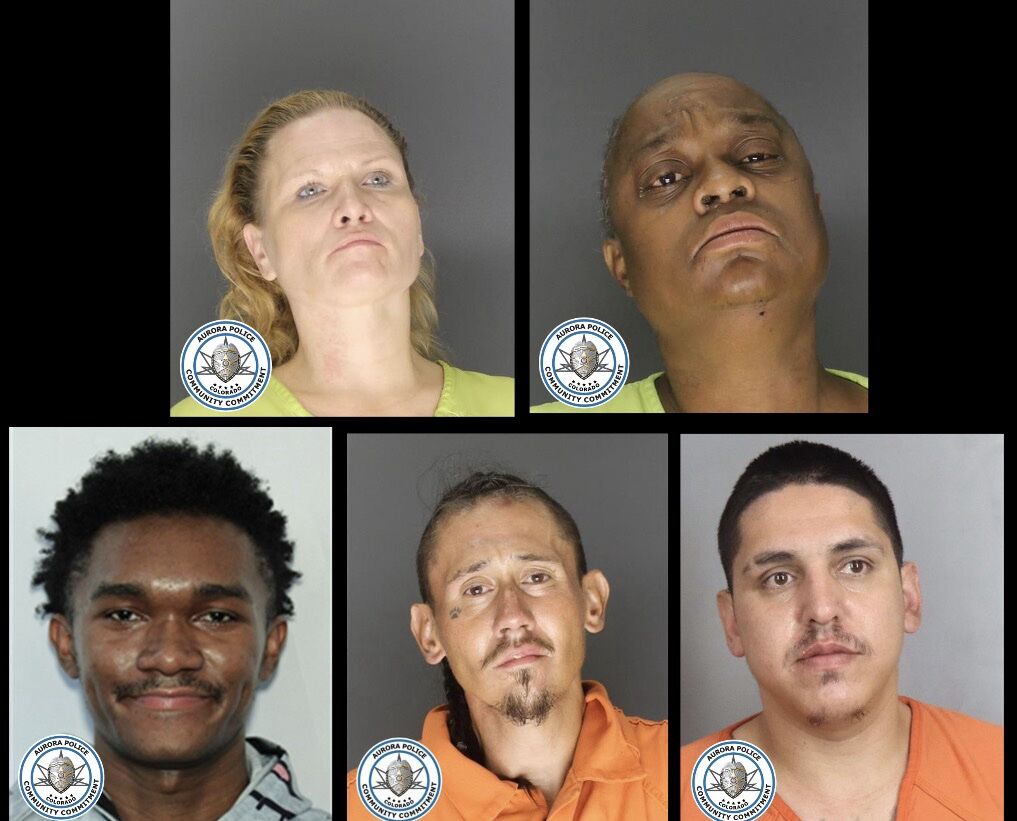
Aurora police warn businesses of 5 shoplifters involved in 139 crimes
Kyla Pearce
kyla.pearce@gazette.com
Updated 2 hours ago
Aurora police are warning business owners to look out for five shoplifters involved in 139 crimes with some $60,000 in stolen merchandise. Four of the five shoplifters are wanted on active Aurora Police Department warrants, according to a news release...

Counties warn CPW that new comment limits sideline local governments
Marianne Goodland
marianne.goodland@coloradopolitics.com
Updated 17 hours ago
The September meeting of the Colorado Parks and Wildlife Commission will feature newly revised public‑comment rules — changes introduced by chair Jay Tutchton of Bent County, who announced them without first discussing the revisions publicly with the rest of the...

Controversial two-bag furbearer limit heads to CPW meeting under legal threat
Marianne Goodland
marianne.goodland@coloradopolitics.com
Updated 17 hours ago
Next week’s Colorado Parks and Wildlife Commission meeting in La Junta is likely to open under the cloud of threatened legal action. Safari Club International and the Sportsmen’s Alliance Foundation warned the commission this month that its July vote imposing...
Federal science agency gives CU Boulder $37.5M to supercharge its quantum studies
Bernadette Berdychowski
bernadette.berdychowski@denvergazette.com
Updated 2 hours ago
The University of Colorado Boulder was awarded $37.5 million from a federal research agency to propel its quantum research, the U.S. National Science Foundation announced Tuesday. The school was one of eight academic institutions to receive a total of $290...
PREV
PREVIOUS

COURT CRAWL | Students hear from state Supreme Court, SCOTUS takes Colorado case
Welcome to Court Crawl, Colorado Politics’ roundup of news from the third branch of government. High school students quizzed state Supreme Court justices and lawyers after the judicial branch took a pair of cases on the road, and the U.S. Supreme Court has agreed to hear one appeal from Colorado – with possibly more on the way. […]

Judge grants immunity to Denver school bus driver who blocked students from exiting
A federal judge has granted immunity to a Denver Public Schools bus driver who blocked students from exiting during a chaotic encounter in which parents surrounded the bus and one mother climbed on board, resulting in an exchange of blows with staff. Bystander video footage captured the Sept. 18, 2019 incident in which bus driver […]