

What’s next for Colorado’s controversial commuter reduction plan
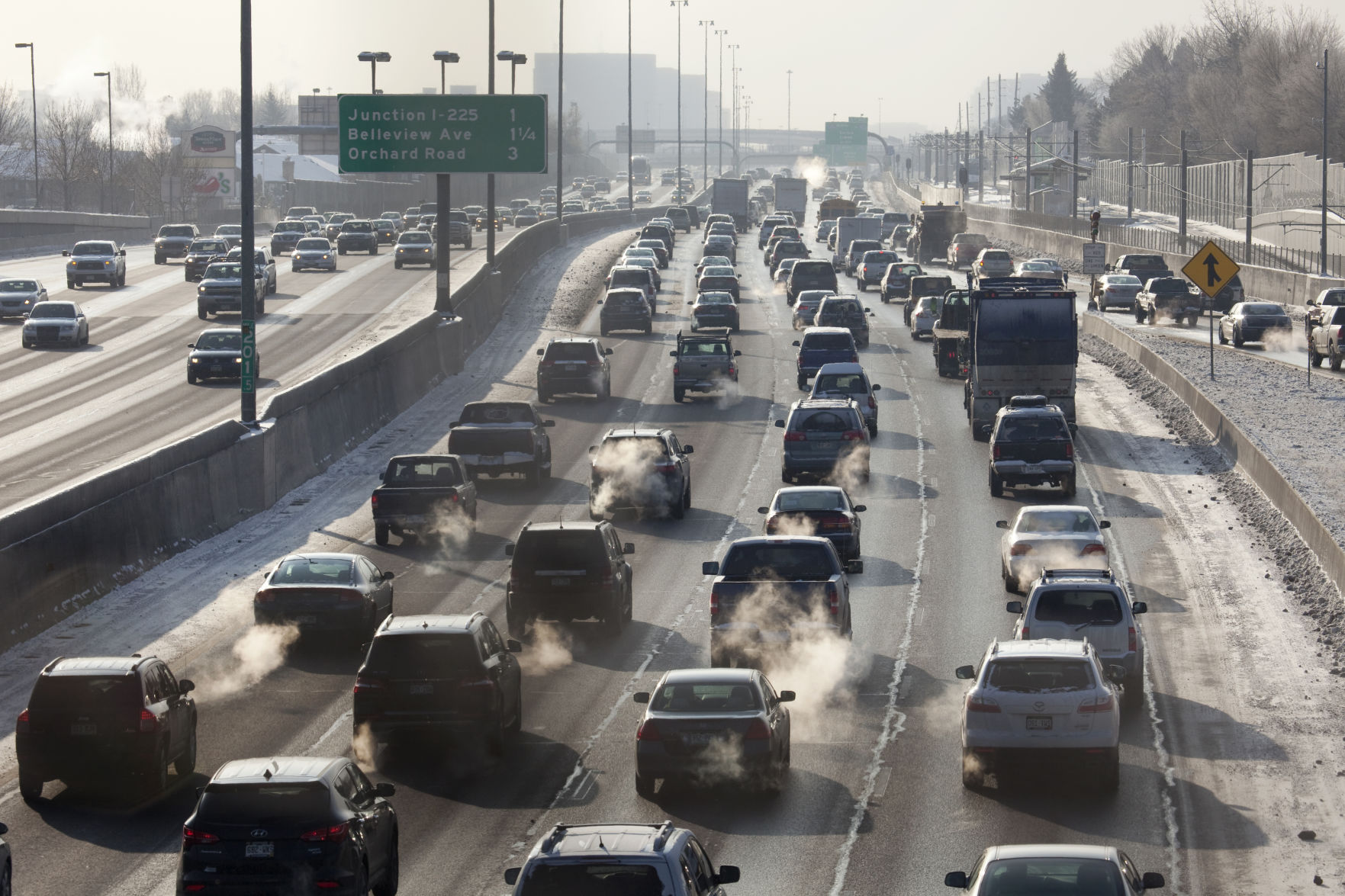
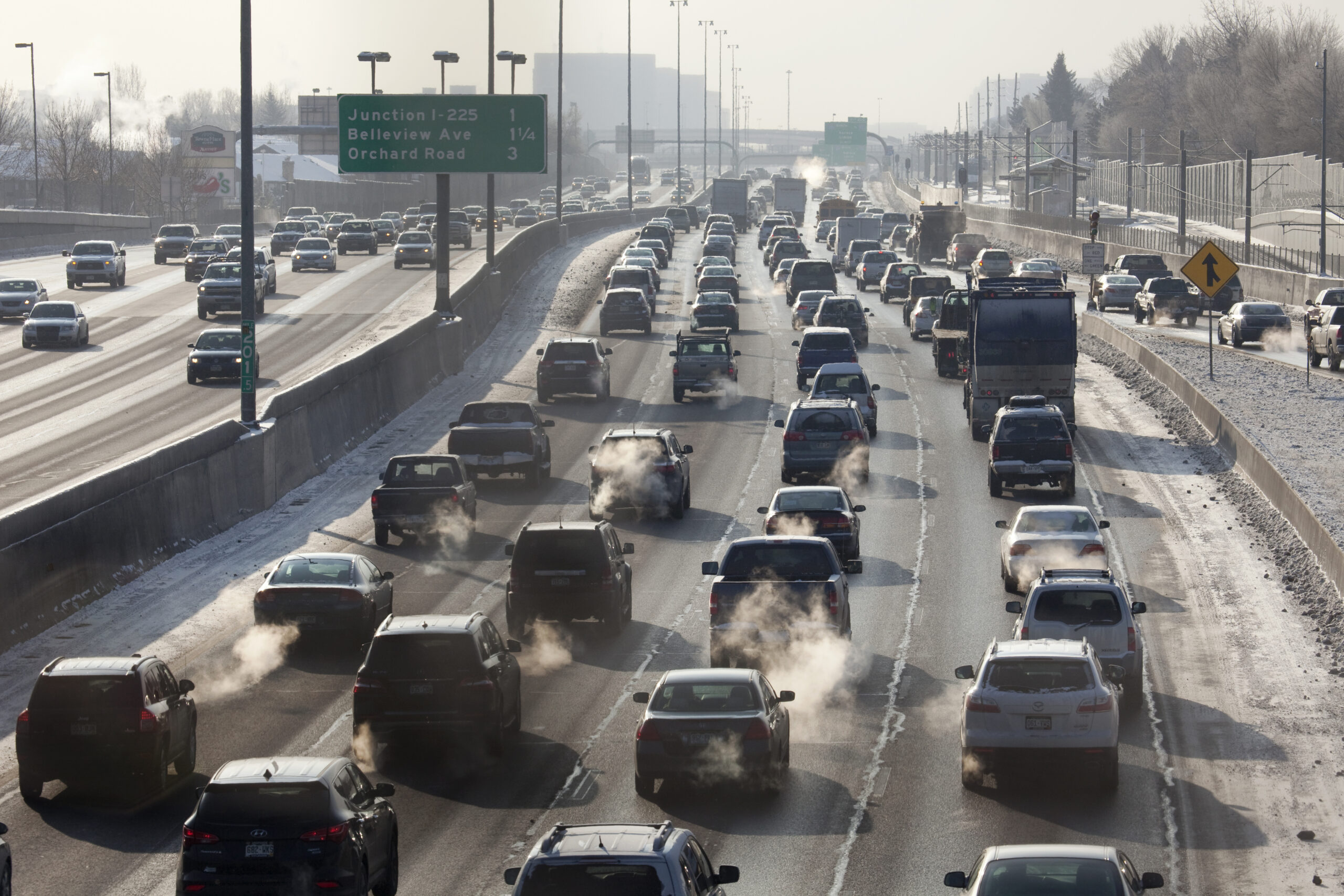
Colorado’s controversial plan to reduce single-occupied vehicle commutes among metro Denver’s large companies isn’t dead, but it’s taken on a new life.
The Colorado Department of Health and Environment’s Air Quality Control Commission stood poised to finalize a whole slew of regulations that would have required metro area businesses to track how their employees were getting to and from work.
But after area business groups protested the efforts to clean up Denver’s air quality with fines and regulations, state officials backed off. The commission was set to start the rulemaking process at its Aug. 19 regular meeting.
Colorado backs off large company commuter rules, seeks voluntary compliance
But the department July 19 sent a letter to stakeholders stating: “After reviewing the various prehearing statements in this rulemaking, the state recognizes that many of the businesses, employees, and local communities that will be impacted by the rule have concerns about the Employer Traffic Reduction Program … as currently proposed.”
While the commission considered requiring large employers, those with more than 100 workers, to conduct a study of commuting habits among employees – even that idea has been tabled, according to recent department filings.
As those business groups breathed a sigh of relief after they shielded their members from what they called potentially expensive and time-consuming regulation, environmental groups mourn what they called a missed chance to help improve Denver area’s ozone.
“We know we need a suite of strategies if we are going to significantly reduce climate pollution, and while the … proposal wasn’t perfect, it would have been a useful tool,” said Jacob Smith, executive director of Colorado Communities for Climate Action. “The (Air Quality Control Commission), the Transportation Commission, and other state agencies are going to have to adopt even more ambitious programs and regulations to make up for taking (the trip-reduction program) out of the toolbox. And the longer it takes us to achieve substantial emissions reductions, the harder and more expensive it will be and the more climate change will threaten our economy and our quality of life.”
The group is a coalition of 38 local governments across the state “advocating for stronger state and federal climate policy,” according to its website.
Proposed new rules to curb Colorado commuters rile businesses
Health department officials are confident many of those companies, and government entities, that would have been impacted will take voluntary measures to reduce single-occupant commutes in gas-powered vehicles.
“We are going to pursue the Employee Traffic Reduction Program programmatically; we don’t think it’s necessary to pursue it formally through a rulemaking,” said health department spokesman Andrew Bare via email. “We’ve received a lot of feedback and are confident that Colorado businesses are committed to helping to achieve the program’s objectives voluntarily. We are looking forward to using this program to collect baseline data, share innovative ideas, and achieve results. It’ll be one tool in our toolbox to reduce ozone pollution.”
The state started the process of recommending the regulations after the health department finalized its Greenhouse Gas Reduction Roadmap plan in January. The plan’s ultimate target is 100% renewable energy by 2040, but state leaders are aiming to have emissions reduced by 26% in 2025 and by 50% five years later.
“This all started with the Regional Air Quality Council,” said Mike Silverstein, executive director.
It’s the organization’s job to “evaluate mission control strategies” and make recommendations to state offices like the Air Quality Control Commission.
“We explored the idea of a mandatory strategy, which exists in other places,” he said.
The Council estimates one-third of all harmful emissions that damage the ozone come from commuter trips.
“We estimate that’s two tons of ozone emissions a day … that doesn’t sound like a lot, but it is,” Silverstein said.
The ultimate initial goal of the trip-reduction program was to have large-company employees commit to taking alternate forms of commuting just once a week – carpooling, public transportation, electric vehicles, bicycling or working from home.
“Then we were going to ramp up to skipping two trips by 2025,” he said. “We can implement programs ourselves to improve air quality, but we’ve got no regulatory authority.”
But when chambers of commerce heard about mandatory regulations and possible fines for non-compliance, they balked big time.
The Denver Metro Chamber of Commerce, for one, said the proposal “punishes employers and puts them in a weird position” of having to track employees before and after work by way of their commuting habits.
The draft program rules previously wanted large businesses to “increase parking charges” for gas-powered vehicles, appoint an “employee transportation coordinator” to administer programs that reduce “single occupied vehicle” commutes and offer subsidized public transportation passes, even if that business was no where near public transportation.
The state originally wanted 2,764 businesses with some 900,000 employees in metro Denver to submit plans by Jan. 1, 2022. The trip-reduction program could have cost anywhere from $7,200 to $811,643 annually to implement, depending on business size, according to a state economic impact study.
Boulder company poised to capitalize on state’s new rules
The regulations under consideration came from Colorado’s Climate Action Plan to Reduce Pollution, which Democratic Gov. Jared Polis signed into law in 2019.
It set a target reducing “2025 greenhouse gas emissions by at least 26%, 2030 greenhouse gas emissions by at least 50%, and 2050 greenhouse gas emissions by at least 90% of the levels of statewide greenhouse gas emissions that existed in 2005.”

Democrat Shannon Bird to step down from Colorado legislature to campaign full-time for Congress
Ernest Luning
ernest.luning@coloradopolitics.com
Updated 8 hours ago
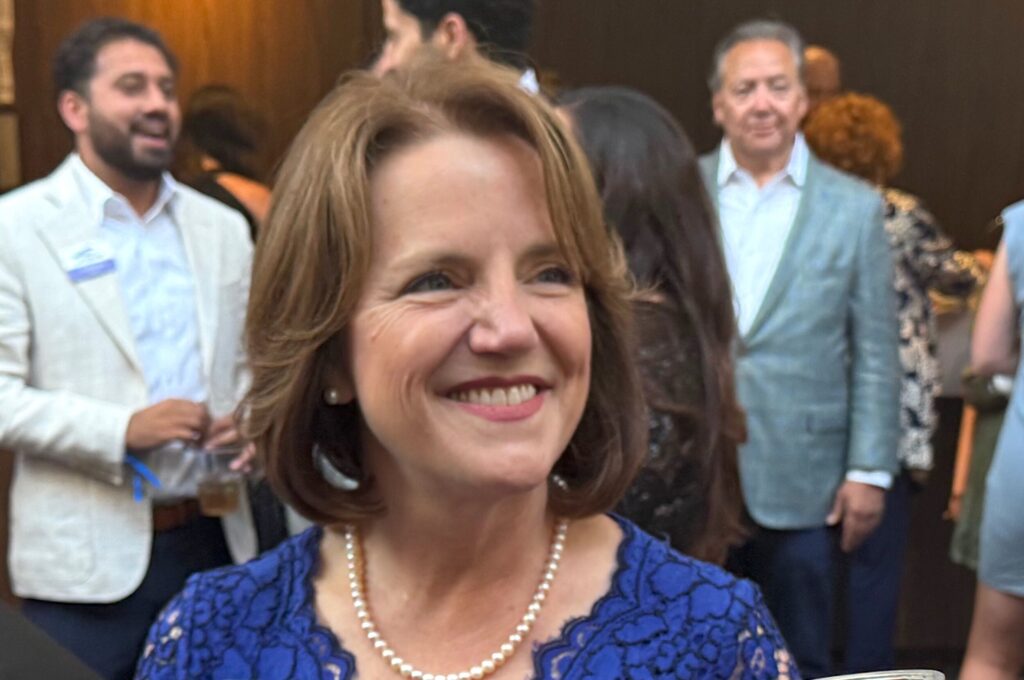
State Rep. Shannon Bird, a Westminster Democrat, said Sunday that she plans to resign from the Colorado legislature next month in order to focus on running for the 8th Congressional District seat held by Republican U.S. Rep. Gabe Evans. Bird...

Trump administration seeks to roll back protections for imperiled species | OUT WEST ROUNDUP
The Associated Press
the-associated-press@coloradopolitics.com
Updated 4 days ago
MONTANA Endangered species rollback sought BILLINGS — President Donald Trump’s administration moved on Nov. 19 to roll back protections for imperiled species and the places they live, reviving a suite of changes to Endangered Species Act regulations from the Republican’s...

Clash of the titans: Democratic race for governor pits two candidates similar in focus, but very different in style | Vince Bzdek
Vince Bzdek
vince.bzdek@gazette.com
Updated 19 hours ago
By Vince Bzdek The race for governor is shaping up to be a clash of Democratic titans, U.S. Sen. Michael Bennet and Attorney General Phil Weiser. They are two of Colorado’s highest profile politicians with deep track records who...

Calendar Dec. 8-14
Rachael Wright
rachael.wright@coloradopolitics.com
Updated 5 days ago
CoPo’s weekly political calendar will help you find political and public-policy events throughout Colorado. It includes candidate and issue campaign events, public policy meetings, court hearings, state and local party conventions, assemblies, debates, rallies, parades, speaking engagements, traveling dignitary appearances,...
GOP chair candidates circle Benson, statehouse candidate alleges SOS voter fraud | A LOOK BACK
Rachael Wright
rachael.wright@coloradopolitics.com
Updated 5 days ago
Thirty-Five Years Ago This Week: Although Colorado Republican Party Chairman Bruce Benson had told one of his predecessors that he hadn’t yet made up his mind as to whether he’d run for a third term, party insiders had already begun...
Dear Abby: A better answer to your question | SONDERMANN
Eric Sondermann
eric-sondermann@coloradopolitics.com
Updated 3 days ago
It was the beginning of October. I had been invited to speak to a class on political journalism at Colorado College, my old alma mater. The class was taught by none other than Vince Bzdek, the editor-in-chief of this paper...

Federal judge declines to order Denver to let police critic apply for review board
Michael Karlik
michael.karlik@coloradopolitics.com
Updated 15 hours ago
A federal judge declined on Friday to order that Denver permit a longtime police critic to apply to join the board tasked with reviewing officers’ use of force. Regan Benson sought to become one of the two community members on...
Flags lowered, colors raised: Colorado leaders and friends celebrate Sen. Faith Winter’s life
Marianne Goodland
marianne.goodland@coloradopolitics.com
Updated 2 days ago
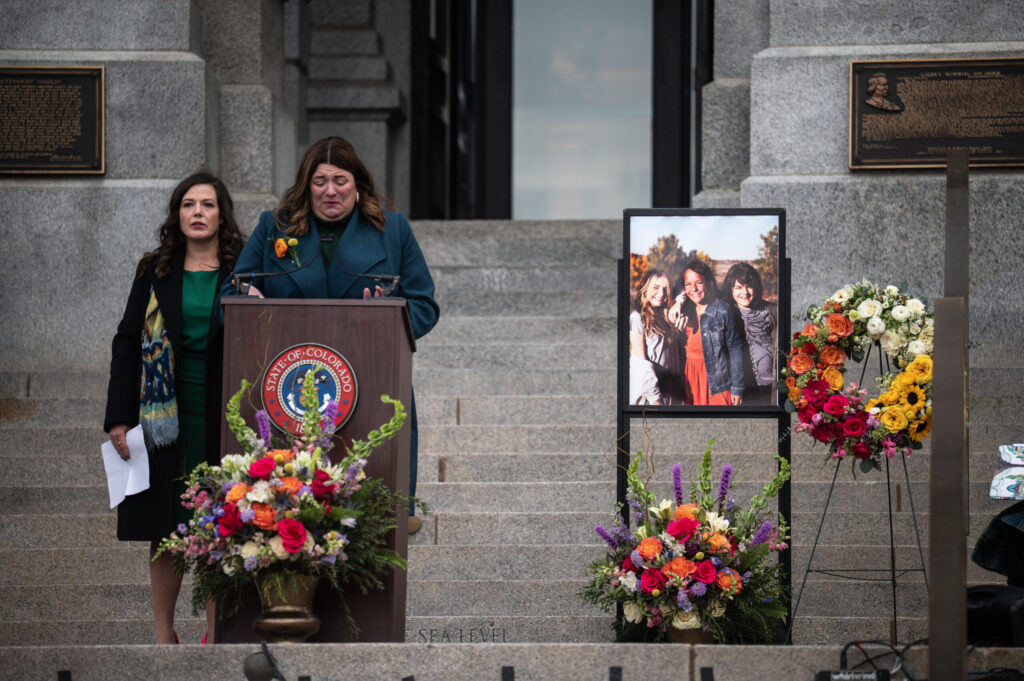
It was the colors that stood out as hundreds braved the cold on Friday to celebrate the life of Sen. Faith Winter, who died in a two-car crash on Nov. 26. Flags at the state Capitol flew at half-staff at...
Colorado Supreme Court to hear case on ballot measure disclosure requirements
Marissa Ventrelli
marissa.ventrelli@coloradopolitics.com
Updated 2 days ago
The Colorado Supreme Court has agreed to hear a case challenging whether the state can require ballot measure committees to disclose the names of their registered agents in election communications. The case stems from a complaint filed during the 2020...
Divided 10th Circuit orders pretrial release of defendant facing drug charges
Michael Karlik
michael.karlik@coloradopolitics.com
Updated 2 days ago
The Denver-based federal appeals court overturned a judge’s order keeping a defendant in custody pending trial on Friday, ruling 2-1 that she was entitled to release under the law. Erika Esmeralda Garcia stands accused of two charges related to the...
PREV
PREVIOUS
Polis: State employees must be vaccinated or be tested weekly
Beginning Sept. 20, all of Colorado’s nearly 31,000 state employees must either be vaccinated or be tested twice a week for COVID-19, Gov. Jared Polis announced Friday. The state currently requires unvaccinated staff to wear masks indoors when around others. The move matches what President Joe Biden is requiring of federal employees: get vaccinated or […]

Federal, state judges preview the future of virtual court proceedings, talk about backlog
Representatives of Colorado’s federal and state courts came out largely in favor of continued virtual proceedings during a discussion on Friday over the lessons learned by the judiciary from the COVID-19 pandemic. “I recently had a hearing where we did make the hearing available to the public and 100 people called in and listened,” said […]