

One Colorado city’s leaders ponder whether home-rule government is worth the switch

Leaders in Monument say they’re mulling a move that would give it municipal home rule in a bid to give residents more say in how their town government is run.
The status change gives home rule cities and towns more authority to set regulations and more control over day-to-day operations, Town Attorney Andrew Richey said during a town meeting in April. Without home rule status, towns like Monument fall under rules set by the Colorado General Assembly and can’t set ordinances that conflict with state laws, according to the 2018 Colorado Local Government Handbook.
“We’re in a growing area, even outside our town limits. We might as well have our own say inside our town limits,” Monument Mayor Don Wilson explained.
Monument officials have already conducted a poll of residents and could move closer to a ballot measure that’s the first step toward putting the town on the same footing as bigger cities including Colorado Springs, which has long had home rule.
There’s a long history of Colorado cities seeking more control.
“People often say the best government is the government closest to the people. When you have the ability to shape what your local government looks like, that’s powerful,” Colorado Municipal League Executive Director Kevin Bommer said.
Of Colorado’s 272 incorporated municipalities, 103 of them are home rule governments, the Colorado Municipal League said — but they account for roughly 93% of Coloradans. Several towns and cities near Monument are also home rule governments, Richey said, including Manitou Springs, Fountain, Larkspur, Castle Pines and Castle Rock.
If voters approved the switch, the biggest changes would be on community development and the town’s overall financial well-being, Richey said.
Under home rule the town would have more flexibility with its land use standards, zoning and economic incentives for incoming businesses, Wilson said. There are also more opportunities for revenue because the town could, with voter approval, adopt taxes on visitors and tourism, such as lodging tax and some user fees it cannot enforce under statutory rule.
The change would likely not immediately impact daily life in the town but would enhance resident input, long-term quality of life through better planning and interest and involvement in local government, Richey said.
“If it’s done correctly, it can be a great asset to the community,” Wilson said of the switch. “This is a good way to get to this decision and ask the community, ‘What do you want?’ For me, it’s citizen-driven, so I have no qualms one way or the other.”
The Tribune’s Benn Farrell contributed to this report.

U.S. House probes reports of fraud, waste in Colorado’s Medicaid program
Marianne Goodland
marianne.goodland@coloradopolitics.com
Updated 2 hours ago
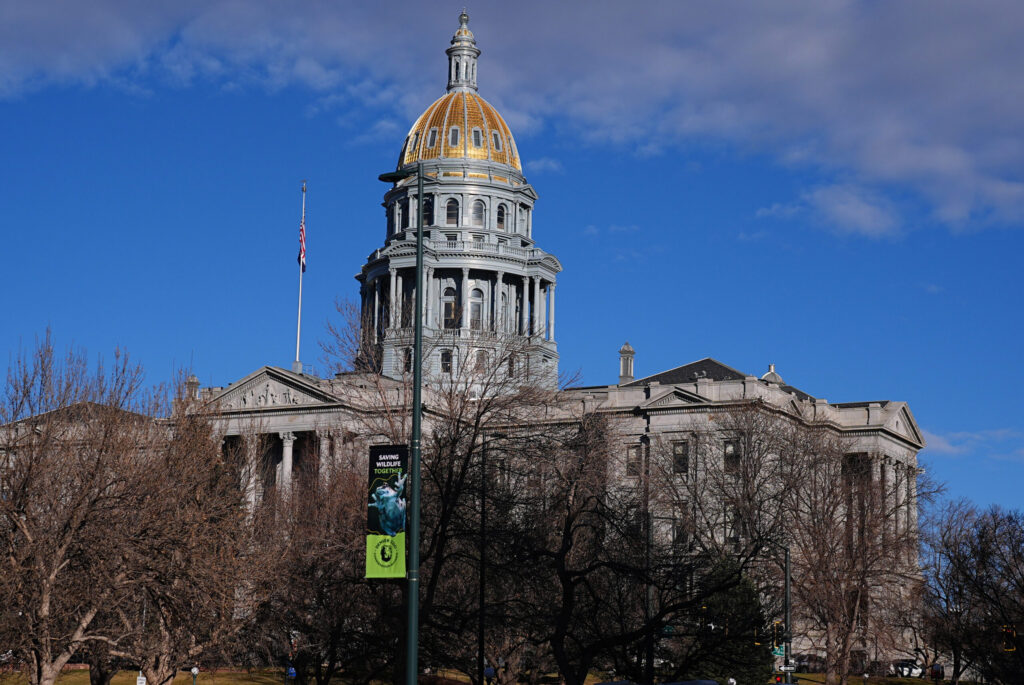
A congressional committee is probing reports of waste, fraud and abuse in Colorado’s Medicaid program, citing recent stories outlining over-billing in transportation spending and The U.S. House Committee on Energy and Commerce has sent a letter to Gov. Jared Polis...

Colorado’s congressional redistricting proposal could flip three Republican House seats | ANALYSIS
Michael Braithwaite
michael.braithwaite@gazette.com
Updated 3 hours ago
A Democrat-backed proposal to redraw Colorado’s congressional map for the 2028 election could flip three Republican districts. The proposal, introduced by a group called Coloradans for a Level Playing Field, is yet another development in a national redistricting debate after...

Appeals court overturns Douglas County vehicular homicide conviction due to faulty jury instructions
Michael Karlik
michael.karlik@coloradopolitics.com
Updated 8 hours ago
Colorado’s second-highest court overturned a defendant’s vehicular homicide conviction and 12-year prison sentence on Thursday after determining a Douglas County judge omitted key language from the jury instructions that could have resulted in a different outcome. James Paul McDonald was...
Colorado lawmakers’ speeches on immigration, Iran draw worries about decorum, grandstanding
Marianne Goodland
marianne.goodland@coloradopolitics.com
Updated 7 hours ago
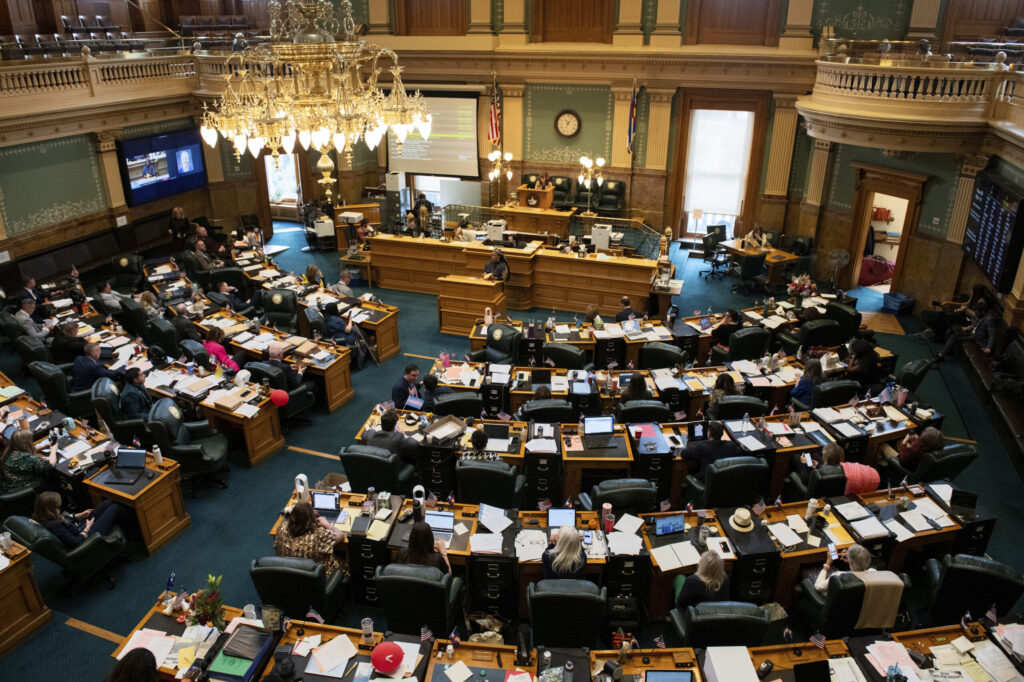
Several speeches from Colorado legislators this week have raised new worries about decorum and grandstanding in the state House after two members talked about immigration and Iran using what’s called a “point of personal privilege.” Under the rules of the...

Trump fires Homeland Security Secretary Noem after building criticism over immigration enforcement
Michelle L. Price
michelle.l..price@associatedpress.com
Updated 9 hours ago
WASHINGTON (AP) — President Donald Trump on Thursday fired his embattled Homeland Security Secretary Kristi Noem and said he will nominate in her place Oklahoma Republican Sen. Markwayne Mullin. Trump made the announcement on social media on Thursday, two days...

Trump wants to be personally ‘involved’ in picking next Iranian leader: Report
Christian Datoc, Washington Examiner
christian.datoc.washington.examiner@gazetteedit.wpenginepowered.com
Updated 10 hours ago
President Donald Trump told Axios Thursday that he wants to be personally involved with picking Iran‘s next leader, despite multiple senior administration officials repeatedly declaring that “regime change” is not a stated objective of Operation Epic Fury. Trump conducted an...

Iran widens regional war with first strike into Azerbaijan
Brady Knox, Washington Examiner
brady.knox.washington.examiner@gazetteedit.wpenginepowered.com
Updated 10 hours ago
Iran spread the growing regional war to the Caucasus with its first drone strike into Azerbaijan, hitting an airport terminal and damaging a nearby school. A video recorded by someone at Nakhchivan International Airport showed one of the drones exploding...

Rand Paul excoriates Congress for failure to pass War Powers Resolution: ‘Should be ashamed’
Claire Carter, Washington Examiner
claire.carter.washington.examiner@gazetteedit.wpenginepowered.com
Updated 10 hours ago
Sen. Rand Paul (R-KY) blasted his colleagues for failing to pass a resolution aimed at limiting President Donald Trump’s military campaign in Iran. The Kentucky Republican made the remarks in an opinion column published on Fox News a day after...
DOJ quietly closes autopen investigation targeting Biden and aides
Kaelan Deese, Washington Examiner
kaelan.deese.washington.examiner@gazetteedit.wpenginepowered.com
Updated 10 hours ago
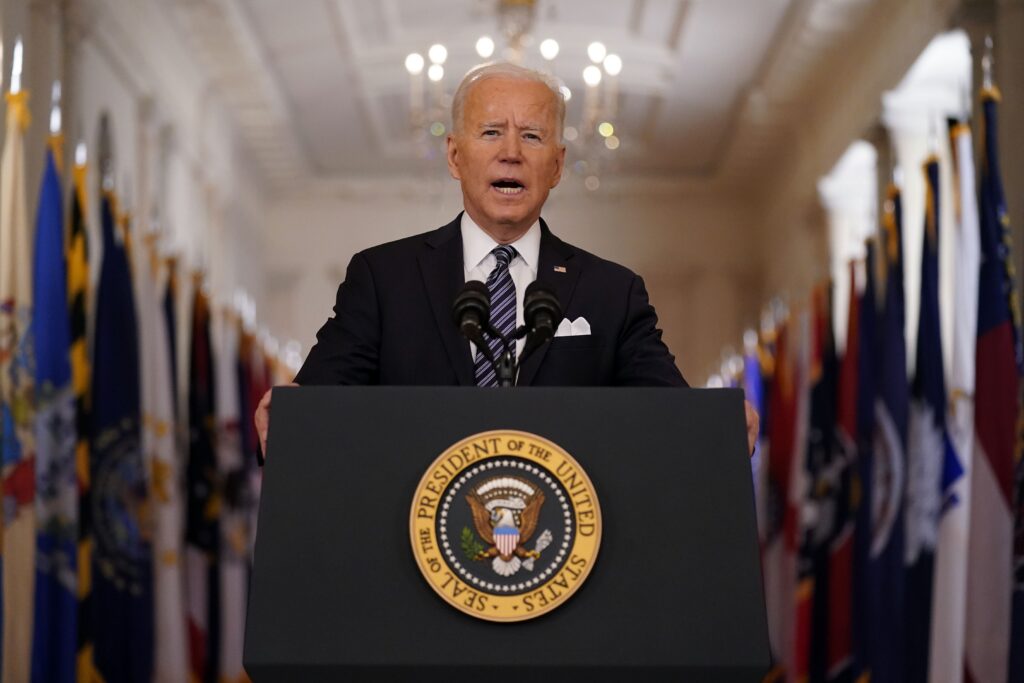
The Department of Justice has quietly closed an investigation into former President Joe Biden’s use of an autopen to sign official documents, according to a source familiar with the matter. DOJ pardon attorney Ed Martin, the former “weaponization” czar, opened...

Colorado legislators eye changes to credit card ‘swipe fees’
Marianne Goodland
marianne.goodland@coloradopolitics.com
Updated 8 hours ago
Colorado legislators are proposing to eliminate “swipe fees” on sales taxes, a move that proponents say would save businesses tens of thousands of dollars a year but which will likely revive counter-arguments that those fees help create a stable and...
PREV
PREVIOUS

Hemp industry wins loophole on THC intoxication
While most of the attention on THC intoxication has been on House Bill 1317, the hemp industry finds itself in the position of being left out. And they’re good with that. House Bill 1317 is a wide-ranging measure seeking to study the effects of high-potency THC products on the developing brain and keep those products […]

Buckley gets new name and new commander
Buckley Space Force Base in Aurora became the first Colorado military installation to change its name in honor of the new service branch on Friday. It’s a move that heralds a change that is soon expected to hit Colorado Springs, where Peterson and Schriever Air Force bases will also get new names, according to Pentagon […]