

Colorado cancer doctors have a pack mentality
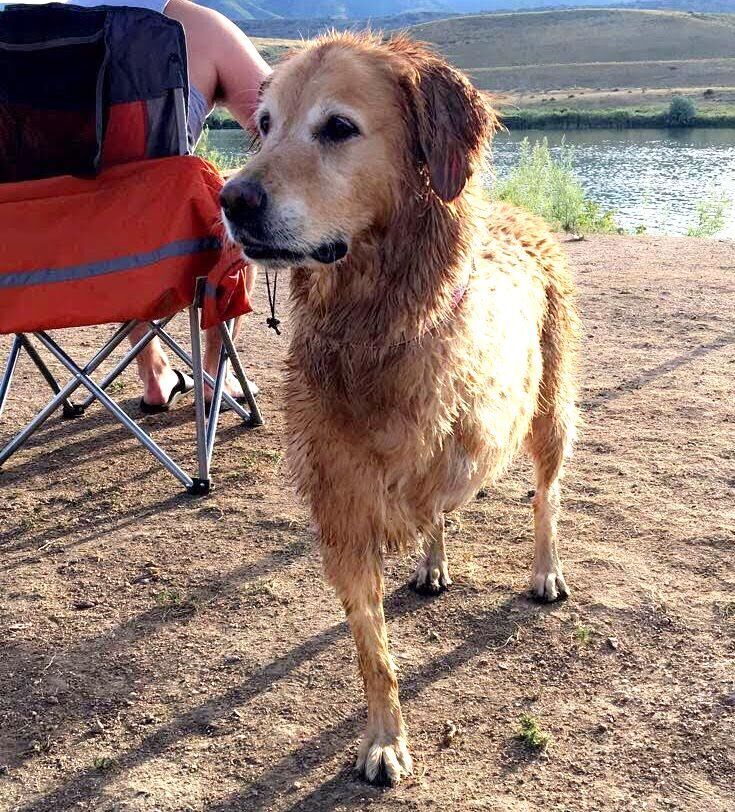
She was a good girl.
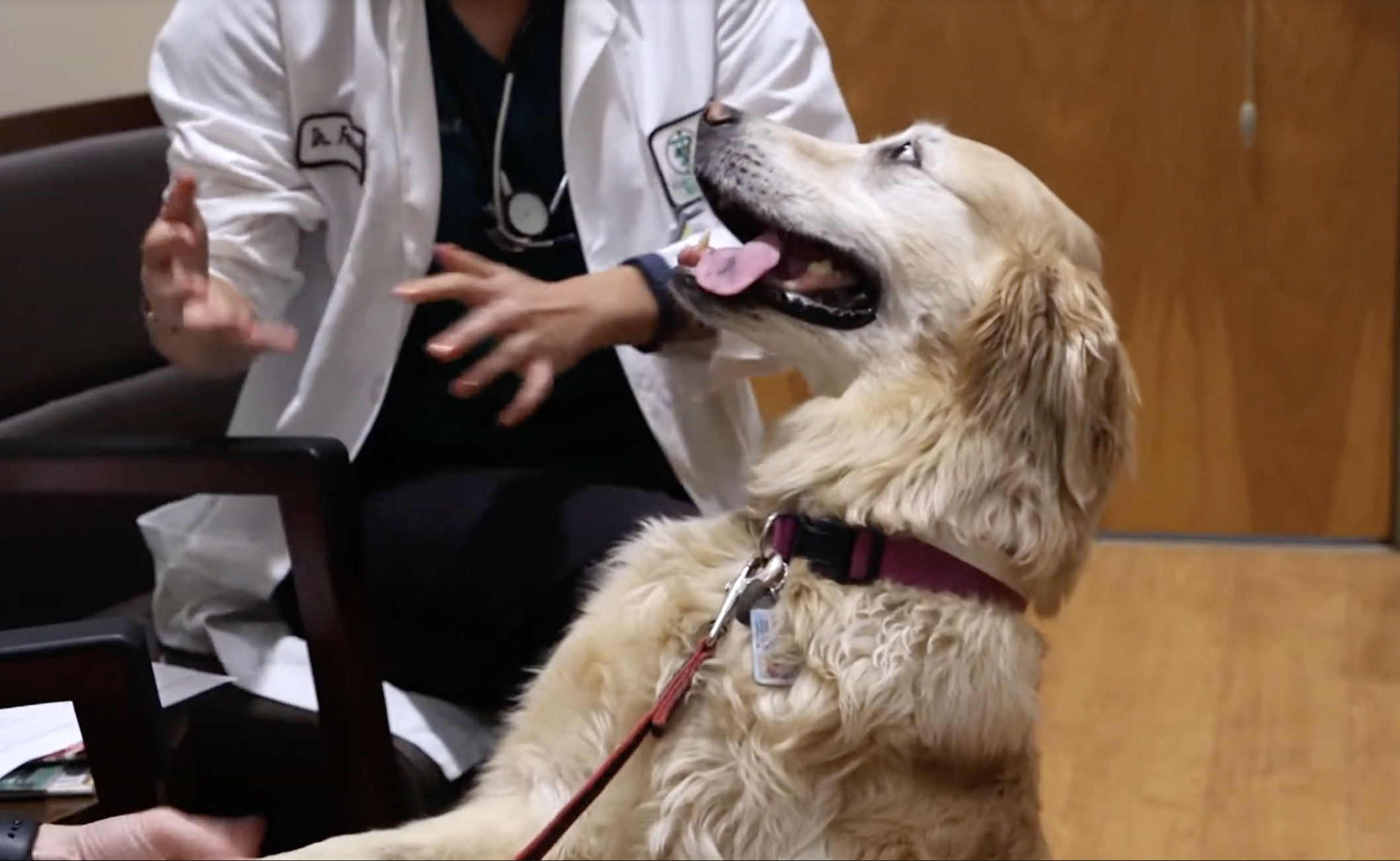
Molly, the late golden retriever from Denver, might prove to be as good a girl as this world has known.
That’s if the hopes are realized for researchers at the Flint Animal Cancer Clinic at Colorado State, the University of Colorado Cancer Center on the Anschutz Medical Campus and Children’s Hospital of Colorado.
People who take on and donate to cancer research are watching two clinical trials the same way Molly watched a plate of sugar cookies, hopefully. Good results from sick Colorado kids in the coming months could represent the first major breakthrough in pediatric bone cancer in at least 25 years.
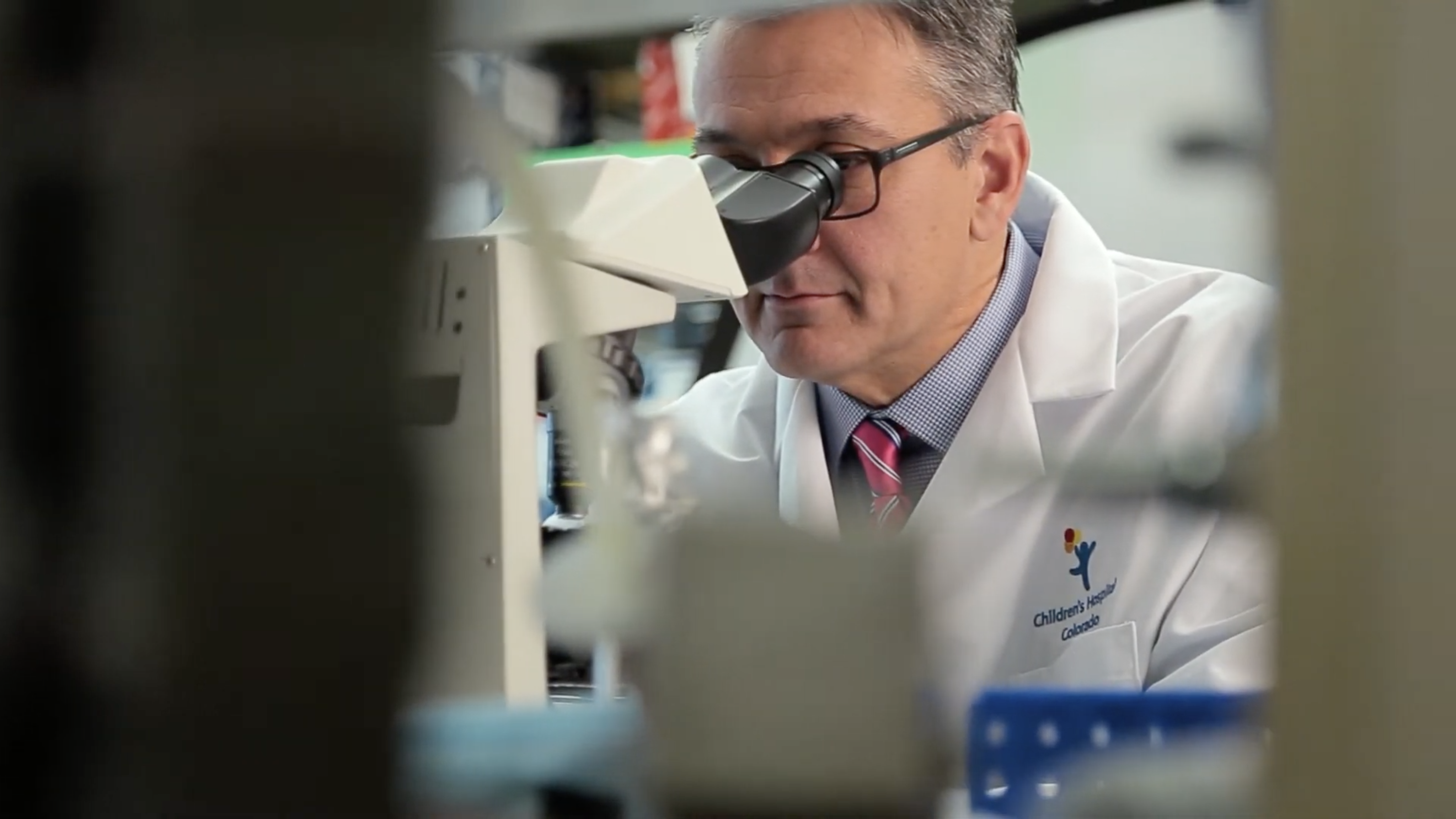
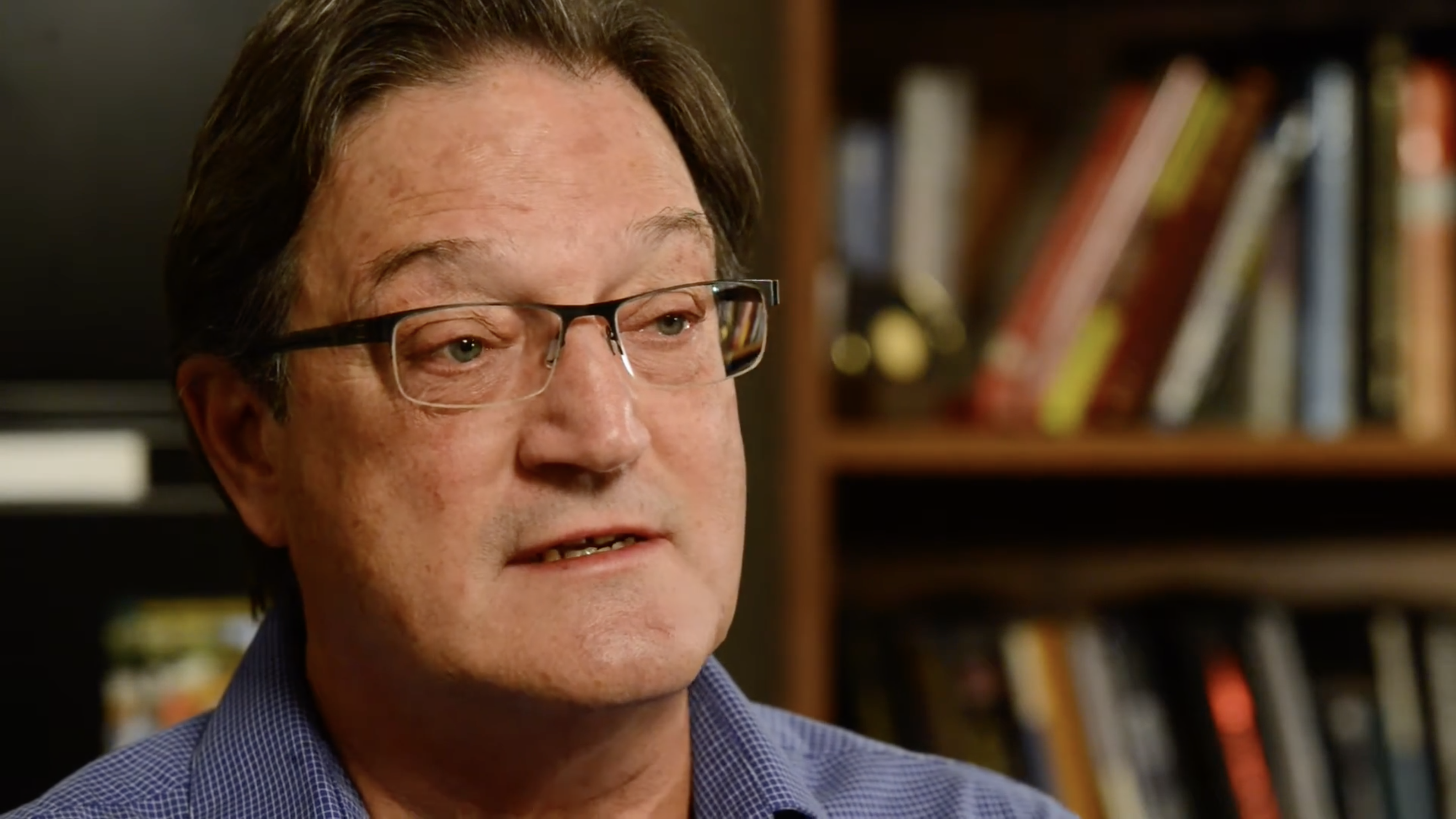
“This has created a huge amount of excitement in all kinds of cancers,” said Dr. Michael Verneris, a lead human researcher and leukemia expert driving one of the two clinical trials at Children’s Hospital.
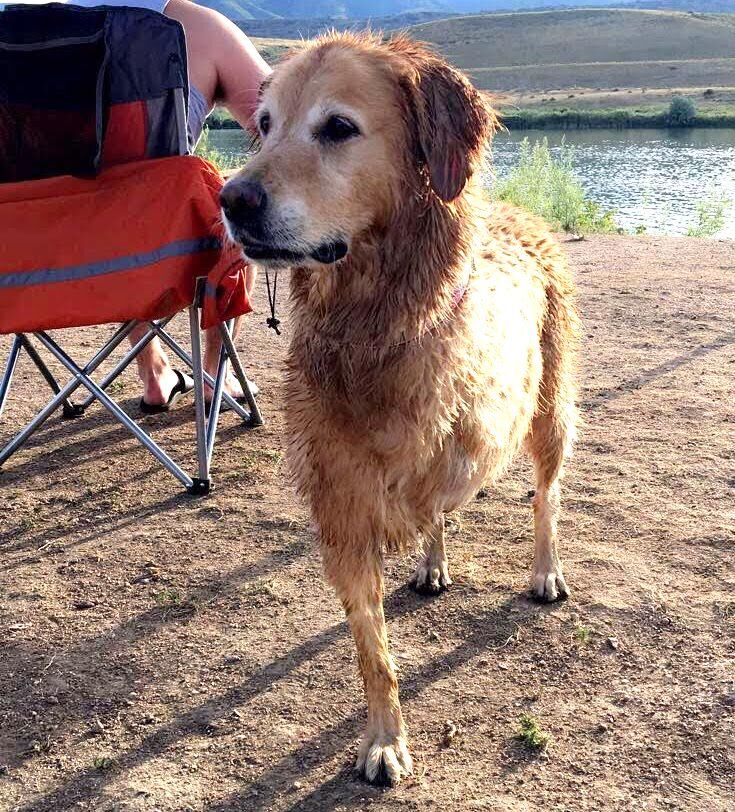
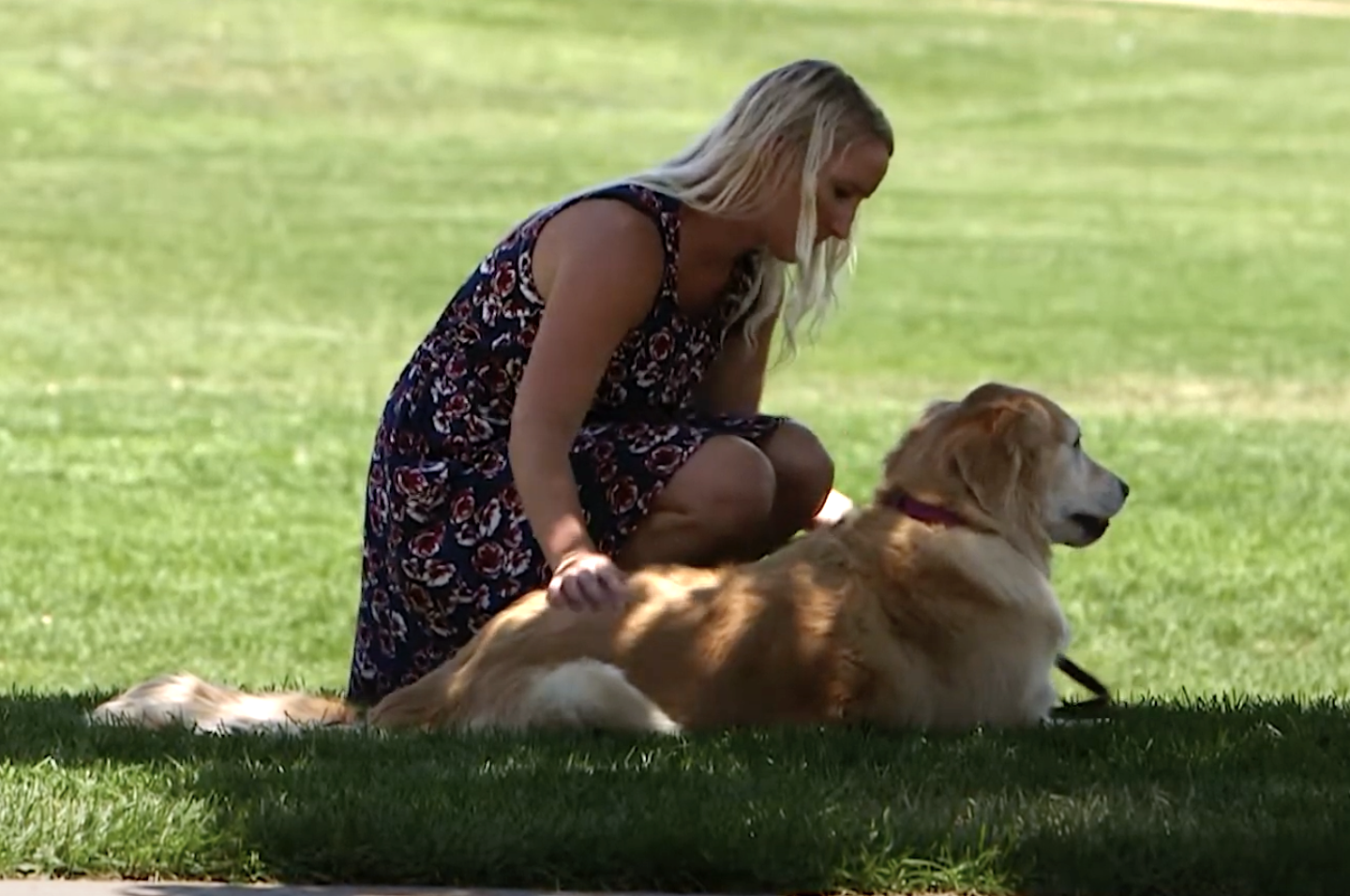
If Molly knew, she would wag her tail and bounce around with excitement, said her owner, Savannah Halboth. She loved kids, but Molly loved everybody.
Born to humble beginnings in Glade Park, the last dog in her litter to be adopted, Molly could very well go down in history as the alpha dog in life-changing research.
Her cancer cells, and those of the Colorado dogs that have followed her in clinical trials, show terrific promise for unlocking the secrets to arresting tumors and saving limbs and lives for untold children around the world.
With any luck and more studies involving more dogs, doctors and donors, our best friends could someday keep humans from getting cancer in the first place, as well.
Halboth didn’t think of Molly as a hero dog, though. She called her a “rainbow dog.”
“A dog like that only comes around once in a lifetime,” she said on the phone, her voice trembling, now three years on from Molly’s passing. “Everybody loved her.”
There are two promising clinical studies involving the Colorado partnership. One uses a readily available blood pressure medicine to shrink and, in some cases, eliminate bone cancer cells before they can metastasize to the lungs. Molly was the first dog to respond.
RELATED:
The other is an immunology treatment using modified T-cells, which have proven “miraculously” effective in human leukemia and some lymphoma patients, but so far, that’s about the extent of it.
Dogs with bone cancer could provide a link and methods to help dogs and people with other kinds of cancer, as well.
That would help shore up immunology as the fourth pillar of cancer treatment, joining surgery, chemotherapy and radiation.
Scientists are encouraged that treatments that save dogs might save children; their genetic match is 85%, and cancer cells are often more similar than that, researchers said in interviews with Colorado Politics.
Finding answers
For the sake of a starting point, let’s say it started in Dr. Dan Regan’s head or – to be completely accurate – his mice.
The asterisk is that science doesn’t work like that, Regan said. To solve something as big as cancer, everyone has to pitch in to move the needle.
“Everything in science kind of builds on itself,” he said, “or builds on everything else in the community.”
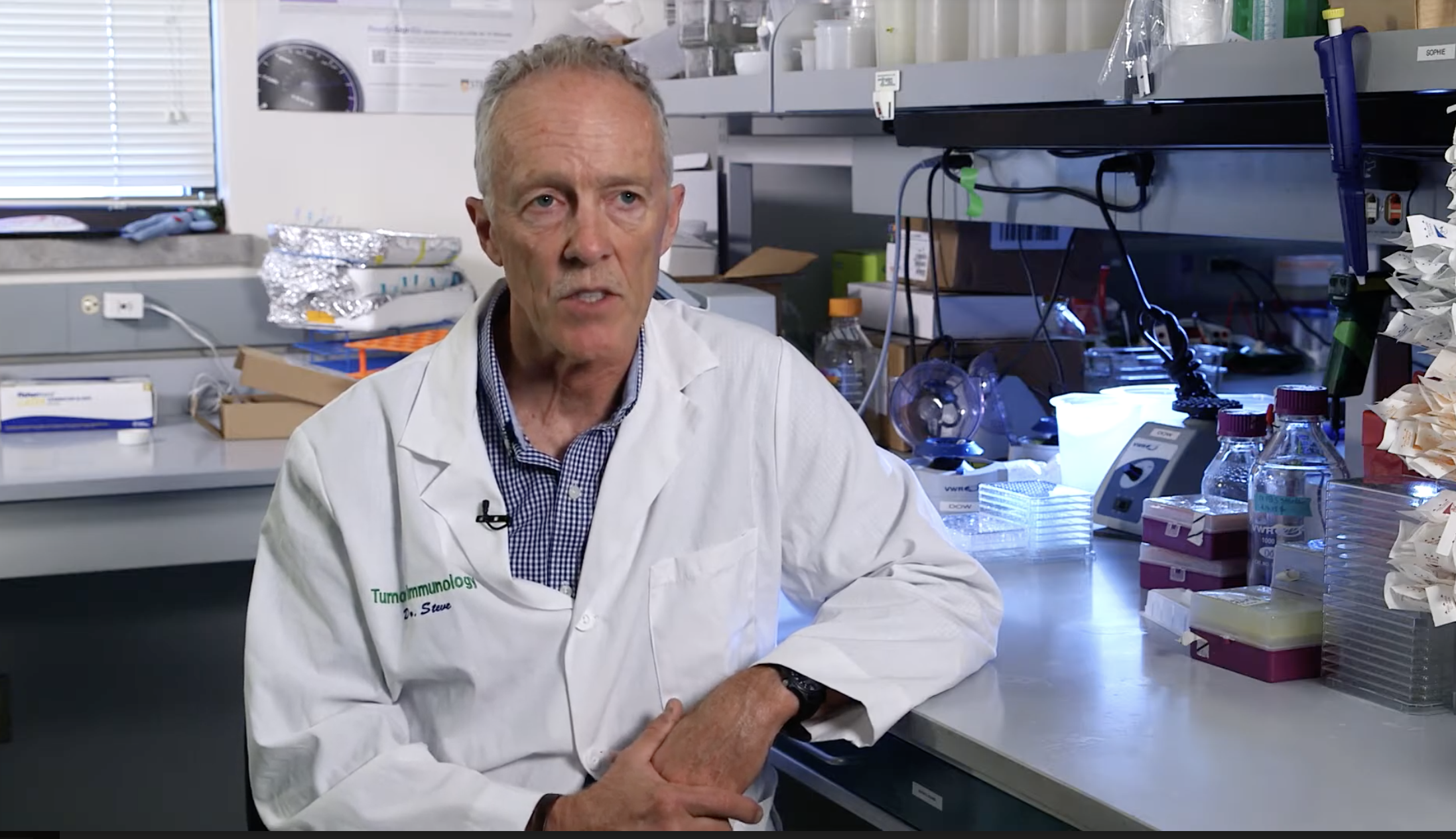
Regan came west in 2011 after getting his doctorate at the University of Georgia to work in the lab of Dr. Steve Dow, a CU Cancer Center member who specializes in small animal internal medicine at CSU.
“I didn’t quite understand the value of a dog until I visited CSU,” Regan said.
Regan was headed into veterinary medicine, probably, he said, but he veered with commitment into cancer research after the disease took his dad, he said.
Regan’s cutting edge is old school. His work is rooted in the hypothesis of Dr. Stephen Paget, an English surgeon and pathologist, who didn’t think the spread of cancer was random, but rather it relied on two things: the cells as the seed and the organ, tissue or bone as the soil.
Both sides of that relationship matter, Regan said.
He and Dow shared an interest in white blood cells in the immune system called monocytes, which promote metastasis to the lungs. If they could block that monocyte, they could block those tumors.
“We sat at a computer screen, basically, and said, ‘OK, what drugs that are out there and that are already on the market that have been approved by the FDA that have a structure that might also target this monocyte,” Regan said, “and that’s how we identified this blood pressure compound.”
The answer was Losartan, commonly branded as Cozaar. Being at the Flint Animal Cancer Center, they only had to take their idea downstairs to begin clinical trials in dogs.
Eureka moments
The first two dogs with bone cancer didn’t show any improvement, so researchers amped up the dosage. Molly responded like a stick was thrown.
The medicine shrank the cancer modules in her lungs, and some disappeared completely. Molly’s quality of life roared back, Halboth said.
As researchers dialed in their methods and dosages based on Molly’s success, more dogs followed.
“We said, ‘Wow, we might have something here,” Regan recalled.
In science, 90% of experiments fail, he said.
“You kind of live for those eureka moments,” said Regan.
The excited world-class vets at CSU reached out to world-class doctors at CU Cancer Center and Children’s Hospital, who were eager to raise the money and get started.
“When they saw this data, they were excited and we were off and running from there,” Regan said.
The animal researchers enlisted pediatric oncologists Lia Gore, Carrye Cost, Margaret Macy and Kelly Faulk at Children’s Hospital Colorado, and each clinic began raising money for human trials.
Faulk, a CU Cancer Center investigator and pediatric oncologist at Children’s Hospital, wanted to be a veterinarian when she was a kid, she said, a little pleased how things worked out.
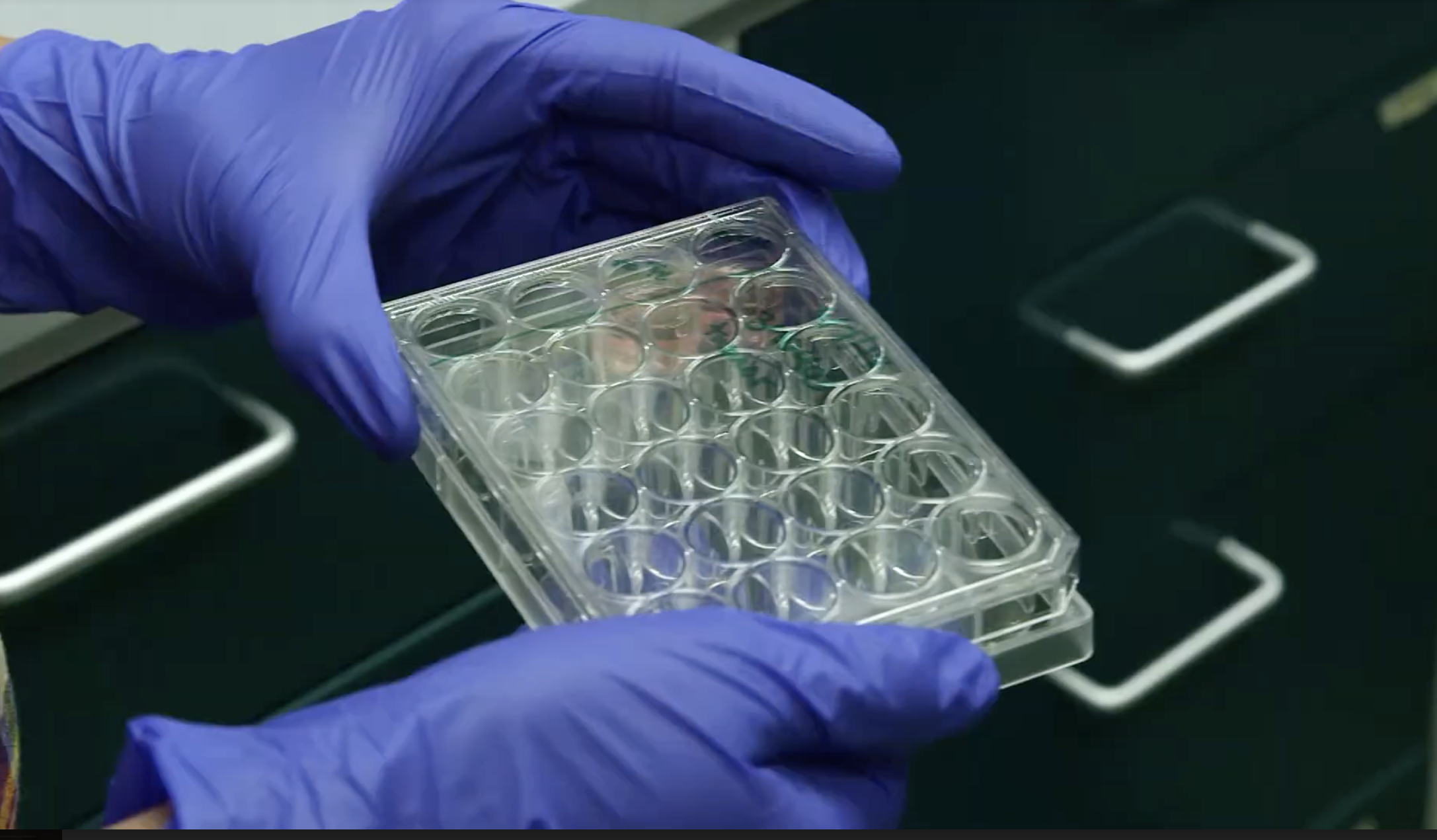
Cells pass back and forth between labs, like friends sitting pets, she said.
“We love hearing the veterinary side of things,” she said. “It’s pretty cool, and they love hearing about our patients. It’s a great collaboration, good for dogs and good for children. We just adore them.”
Linking to leukemia
Cancer research has many mothers and fathers, but Verneris is closer than most.
His Burmese mountain dog, Sadie, was one of the trial pets at CSU that found promise. She went from prognosis of a rough six months to a happy extra year, because of it.
He jumped at the chance to work with lab in his human specialty, a connection somehow to Sadie’s contribution.
“It was certainly gratifying and certainly nice,” Verneris said of the opportunity.
He and Dow, a CU Cancer Center member in addition to working in small animal internal medicine at CSU, formed a partnership to explore the potential for immunotherapy to treat tumors at the Flint Animal Cancer Center.
The treatment uses the patient’s immune system and their own T-cells supercharged with protein (chimeric antigen receptors, or CARs) that find and destroy cancer cells. They also multiply and remain in the body for years maintaining remission.
“That approach has been wildly successful in kids with a certain kind of leukemia,” Verneris said.
He is part of that clinical trial, as well. About 85% of the children who were treated went into remission. “These are kids who failed all other therapies,” he said. About half of them remained in remission.
“For osteosarcoma, there have been no improvements in greater than 25 years, despite trying all sorts of things,” Verneris said on an evening phone call somewhere between his lab and the hospital.
In the lab so far researchers have learned dog CAR-T cells will attack dog bone cancer cells, he said.
“There’s a massive amount of optimism in the field, because now we can target the immune system to the cancer,” Verneris said. “We’ve already proven it in leukemia.”
He said solutions are imperative.
“Bone cancer is a dreadful, horrible thing,” he said. “You walk into the ER to meet a family with bone cancer that’s metastatic. You know that child has about a 20% chance of being alive in three years. It’s absolutely horrible.
“Anything we can do to improve the outcomes for these kids would be really impactful.”
Wider use and more competitors also could bring down the prohibitive price of miracle-working gene therapy, an average of $373,000, according to a report by ASH Clinical News magazine last year.
Science Digest in 2019 predicted the price would come down with “scalable, robust and cost-effective manufacturing and supply chain models.”
Dogs, dollars, making a difference
The inescapable fact is it takes money. Dr. Rod Page, the director of the Flint Animal Cancer Center, needs to raise about $500,000 to keep dozens of research projects growing. That money has to come from the National Institutes for Health, grants, research partnerships and donors, big and small.
In 2019, the Flint Animal Cancer Clinic worked on 35 clinical trials to fight a long list of cancers, including osteosarcoma, lymphoma, soft tissue sarcoma and brain tumors.
There’s government momentum to do more, as the new federal administration is seated.
President Joe Biden brought a moving but determined story to the White House, part of who he is.
When President Obama signed the 21st Century Cures Act in December 2016, it steered $9 billion to the National Institutes for Health for cancer research and $1.8 billion into the Beau Biden Cancer Moonshot, named for the then-vice president’s son, who died from brain cancer in 2015.
“I promise you if I’m elected president, you’re going to see the single most important thing that changes America,” Biden said on the campaign trail in Iowa in 2019. “We’re gonna cure cancer.”
Colorado Gov. Jared Polis is an unabashed dog lover who also obsesses over human health, particularly the cost compared to outcomes. He’s pleased by what’s happening in science in his state on his watch, he told Colorado Politics.
“Dogs have rescued lost hikers, protected our homes and worked our ranches for generations in Colorado,” said Polis. “And now thanks to this promising research, it looks like a dog can help save even more people by leading to a breakthrough in cancer research right here in Colorado.”
The ongoing One Cure campaign at the Flint Animal Cancer Center raises money from public donations and selling collars and leashes to promote the cause of comparative oncology research.
In December, the latest major donor endorsed the project, when the V Foundation pledged $500,000. The foundation named for the late college basketball coach Jim Valvano to help finance “game-changing” research.
Research dollars are hard to come by, and bone cancer is a deadly but comparatively rare disease. About 400 U.S. children a year die from bone cancer, a consistent number. Lung cancer claimed killed 142,670 Americans in 2019, says the American Cancer Society.
About 10,000 dogs a year are diagnosed with bone cancer, roughly 10 times more frequent than in humans, according to the Morris Animal Foundation.
Strength in numbers
Page became director when the founder, Dr. Steve Withrow, retired in 2012.
A legendary animal surgeon, Withrow developed a surgical technique in 1988 that revolutionized the ability to save limbs, on both animals and children, that before would have been amputated.
The resources of Children’s Hospital and the CU Cancer Center, vastly augment the 25 researchers and 75 staff and grad students at the Flint Animal Cancer Center, he said.
“We can’t do it alone,” Page said. “We can’t fund it alone. Working with partners like CU and Children’s, that’s the only way it goes.”
He means the pet owners, as well.
None of the dogs at CSU were infected or made sicker for experiments. They are treating sick dogs whose families couldn’t otherwise find or afford these doctors and these drugs.
“That’s the unique thing about this research, the generosity of the pet owners,” Page said. “In most cases it might prolong their dog’s life or make no difference, but they’re trying to help somebody else’s dog and, possibly, somebody’s child.”
The next frontier is preventing cancer.
Dogs, like humans, come into contact with unknown carcinogens. Research stated at CSU could provide a better scientific road map to help humans steer around or reduce the exposure.
Researchers and leaders of the National Academy of Sciences will discuss it during a workshop hosted by CSU in December.
Saying goodbye
Research cell lines are named for the pup who provided them. That reminds researchers of who’s really putting up the fight against cancer, two legs, four legs or, like Molly, three.
“Dogs certainly make it more personal,” Dow said.
Molly hopped around Denver on three legs like it was always meant to be. Her front left leg was amputated six days after she was diagnosed in April 2017. When the tumors moved to her lungs a few weeks later, the end was near, her veterinarian told Halboth.
She found out about the animal clinic at CSU, and at that point any option that didn’t prolong Molly’s suffering was on the table. She and Molly commuted to Fort Collins every other week to begin with, then monthly for 14 months.
Molly fought cancer like a good soldier for a year and a half. She tolerated the pokes and soaked up the attention from the clinic staff.
“I would always get sick the night before we went, because I knew they could give me bad news,” Halboth said. “It could be the beginning of the end I’d been waiting to hear.”
She wound down over the course of a week, and her happy life came to a graceful end on Sept. 11, 2018. She was 10.
When Molly was diagnosed, Halboth wrote out a list of all the things her dog loved to do, field trips, treats and games mostly, and they tried to fit them into the time they had left.
When Molly lost interest in the list, Halboth accepted that it was time to let go. She keeps her rainbow dog’s ashes in an urn in the bedroom.
Everyone at the Flint Animal Cancer Center signed a book, “Every Dog an Angel,” for the Halboths. The children’s book says every puppy gets a guardian angel.
“Through her we learned so much,” Regan wrote on the inside cover. “She has provided an opportunity for us to positively impact the lives of other dogs and children with this disease.”
He concluded, “Thank you.”
Time passages
The trials in children are just getting started, and the full promise of all this might not be widely available for another five to 10 years, Verneris predicted.
Faulk said a cure is a miracle, but time is a valuable gift, too.
“To me, it’s one child at a time,” she said. “Our hope as researchers are to help larger and larger groups of children, but we can’t forget that the most important child in the world is the one we’re treating, one at a time.”
The sad, simple fact is there are about 100 kinds of cancer to cure, most with completely different treatments and medicines attacking bones, tissues and organs.
The work is vast, and high hopes are weighted down by harsh realities.
“The bottom line is that while few oncologists believe they’ll cure cancer on Biden’s watch, we do have a better chance than ever before of beating this horrifying constellation of diseases into something close to submission,” Andrew Lacy, a self-described “futurist” who is the founder and CEO of the medical technology company Prenuvo, wrote in Managed Healthcare Executive magazine in January.
“To do so, however, we’ll need to use every tool in the box – including headline-grabbing pharmaceutical and surgical innovations, yes, but also better public health initiatives and smarter monitoring and diagnostic technologies.”
After visiting a research lab in Buffalo New York in 1910, President William Howard Taft said, “Within five years, cancer will have been removed from the list of fatal maladies.”
“We’re always optimistic we’ll make improvements, so we have to be patient and wait for that,” Dow said.
There are still so many more eureka moments in countless labs that still have to happen. Scientists will solve one problem, share what they learned and solve another. That’s how scientific advancements happen. Solve enough problems and it saves lives.
People and dogs have to help, and mice, too. Lives are the bottom line, the common denominator, the north star everyone at the Flint Animal Cancer Center, the CU Cancer Center and Children’s Hospital are following.
It’s not one eureka moment. It’s a thousand, or 10,000, whatever it takes.
Everyday people, dogs and doctors who could be your neighbors are signing their names in the book of science.
You couldn’t start with a better paw print than Molly’s.
Learn more about the Flint Animal Cancer Center and participating in research trials by clicking here.
Learn more about supporting One Cure research by clicking here.



Colorado NRA chapter seeks injunction against new gun‑training law
Marissa Ventrelli
marissa.ventrelli@coloradopolitics.com
Updated 1 minute ago
The Colorado chapter of the National Rifle Association is seeking an injunction to stop the state from enforcing a new law that took effect earlier this month. The measure requires anyone buying or selling certain firearms to first complete a...

Trump’s approval rating sinks to new low at 33%
Molly Parks
molly.parks@washingtonexaminer.com
Updated 2 hours ago
President Donald Trump’s approval rating has reached a new low, sitting at 33% approval and 62% disapproval, according to the latest YouGov/Economist poll. The one-third approval standing in early August is the lowest net job approval Trump has seen across...
Federal judge dismisses ex-Colorado judicial discipline director’s conspiracy lawsuit
Michael Karlik
michael.karlik@coloradopolitics.com
Updated 19 hours ago
A federal judge dismissed a lawsuit from Colorado’s former judicial discipline director on Tuesday, finding that he failed to adequately state claims for conspiracy or constitutional violations. Christopher S.P. Gregory, who served as the executive director of the Colorado Commission on Judicial...
Federal judge allows retaliation claims to proceed against prison officials
Michael Karlik
michael.karlik@coloradopolitics.com
Updated 17 hours ago
A federal judge agreed last week that a man incarcerated at Sterling Correctional Facility had credibly alleged that employees retaliated against him for filing grievances, including by taking away his disability accommodations and turning off his electricity. Louis Peoples Jr.,...

Treasury releases five-step guidance for employers to make contributions to Trump Accounts
Christian Datoc
christian-datoc@coloradopolitics.com
Updated 23 hours ago
Treasury Secretary Scott Bessent published new guidance Tuesday outlining the specific steps employers must take to contribute to employee Trump Accounts. The accounts, one of the most popular provisions included in President Donald Trump’s One Big Beautiful Bill Act, are...

Denver schools to refinance bonds to create capacity for future borrowing
Nico Brambila
nico.brambila@denvergazette.com
Updated 20 hours ago
Less than two years after voters approved a record $975 million school bond, Denver Public Schools is refinancing older debt — a move district officials say will save taxpayers money while creating capacity for another bond election. The district has...

Russia frees imprisoned US Marine over health concerns
Brady Knox
brady-knox@coloradopolitics.com
Updated 1 day ago
Russia freed former U.S. Marine Robert Gilman upon the urging of U.S. officials so he could receive medical care in the United States. Gilman, 32, was released after 1,666 days in prison, having been arrested on Jan. 17, 2022. Eric...

Colorado students push AI task force as schools navigate new tech era
Marissa Ventrelli
marissa.ventrelli@coloradopolitics.com
Updated 17 hours ago
A group of students is urging lawmakers to establish a task force on artificial intelligence in education to advise districts on how to ensure that pupils and educators use the technology effectively without becoming overly reliant on it. The students...

Parker data center could get $19M tax rebate from Douglas County
Nicholas Fogleman
nicholas.fogleman@denvergazette.com
Updated 1 day ago
At a time when Denver and Front Range governments are restricting or banning data center development, Douglas County commissioners are poised to approve a $19.3 million tax rebate agreement Tuesday for a new data center under construction in Parker. The...

Denver City Council rejects contract that would have given video maker 8-year deal
Deborah Grigsby
deborah.smith@denvergazette.com
Updated 1 day ago
Denver’s Office of Human Resources will have to get creative to attract new city employees and place them in “hard-to-fill” jobs after a proposed five-year contract extension, valued at $600,000, failed to gain favor with the Denver City Council. The...
PREV
PREVIOUS
Trump to return to social media with 'his own platform' after tech bans, senior adviser says
Former President Donald Trump, who was barred from using a multitude of social media websites, is reportedly set to return through the creation of “his own platform” in the next two to three months. “I do think that we’re going to see President Trump returning to social media in probably about two or three months […]

COVER STORY: THE CRAFTSMAN | GOP leader Hugh McKean puts his House in order
A house divided against itself cannot stand. Few lawmakers under the gold dome understand the practical elements of the famous phrase uttered by Abraham Lincoln better than House Minority Leader Hugh McKean. McKean has been a general contractor in Loveland since 1994 and knows a thing or two about building sturdy structures. “I love puzzles,” […]