

State Supreme Court dismisses appeal from Denver hospital being sued for infections

Colorado’s Supreme Court has dismissed an appeal from a Denver hospital that sought to bar company documents released through an open records request from being used in a lawsuit against the facility.
“The Supreme Court’s swift rejection of the hospital’s hope to bury these documents emphasizes that hospitals must be held accountable for endangering the public,” said David S. Woodruff, an attorney for the plaintiffs.
Last week, the justices heard oral arguments in the litigation against Porter Adventist Hospital, which was previously under investigation for failing to properly sterilize surgical equipment. More than 200 plaintiffs or surviving spouses sued the hospital, alleging infections and injuries as a result of their surgery.
Porter Adventist, which Centura Health operates, argued that Denver District Court Judge Morris B. Hoffman should have granted a protective order prohibiting the plaintiffs from using approximately 400 pages of confidential hospital documents related to quality management. The hospital had turned over the papers to the Colorado Department of Public Health and Environment, which then mistakenly released the materials as part of a public records request.
Hoffman denied the hospital’s motion, saying he could not tell from the descriptions whether the documents merited confidentiality. Porter Adventist countered that Hoffman should have done a more thorough review, causing pushback from multiple justices at oral argument.
“It’s your burden of proof. Why is it on the district court?” asked Justice Richard L. Gabriel.
In a one-sentence statement issued on Jan. 14, the court returned the case and its related litigation to Hoffman for further proceedings. An attorney for Porter Adventist did not immediately respond to a request for comment.
“This is one of the largest medical-legal cases in U.S. history, due to the magnitude of injured patients,” said Woodruff. “The hospital’s errors have caused damages on an unprecedented scale. Medical expenses in treating these infections exceed $100 million. Many lost their livelihoods and became permanently disabled from infections deep in their spines and joints.”
He added that the first trial involving nine of the plaintiffs is scheduled for October, although he is hoping for a resolution prior to then.
This story has been updated with additional comments.


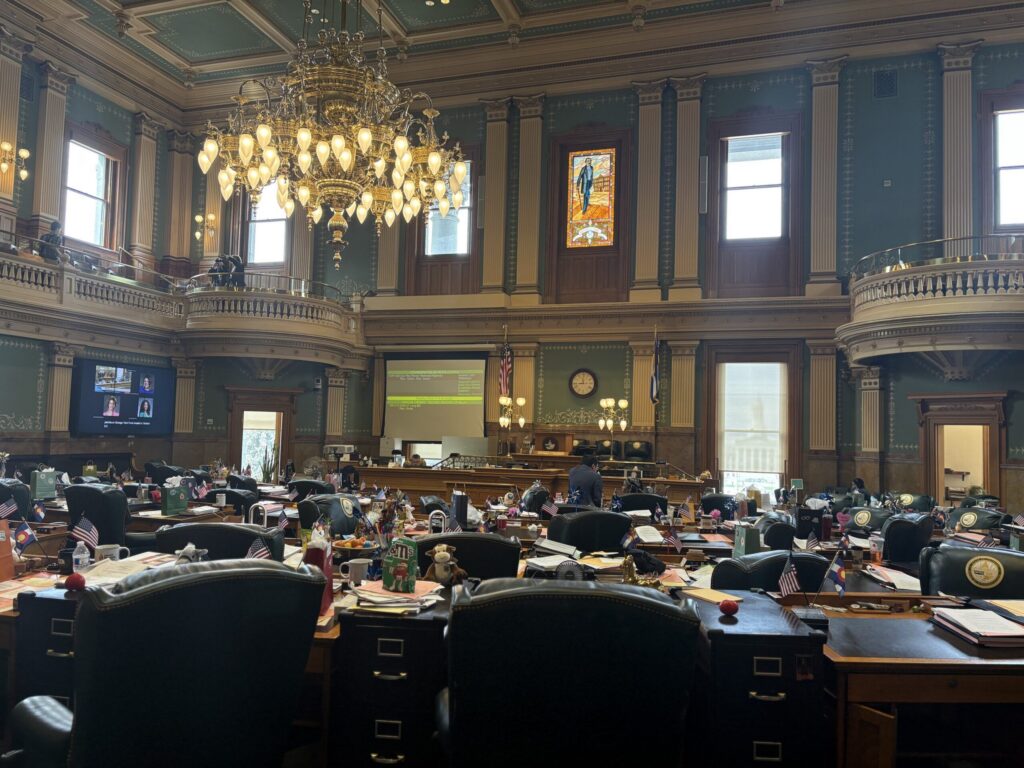
Colorado’s 661‑page budget read aloud after Rep. Bradley invokes procedural rule
Marianne Goodland
marianne.goodland@coloradopolitics.com
Updated 6 hours ago
A rarely used procedural move by Rep. Brandi Bradley, R‑Roxborough Park, has thrown the Colorado House into an extended slowdown, after she invoked her right to have the 661‑page state budget bill read aloud in full. While unprecedented, once Bradley...
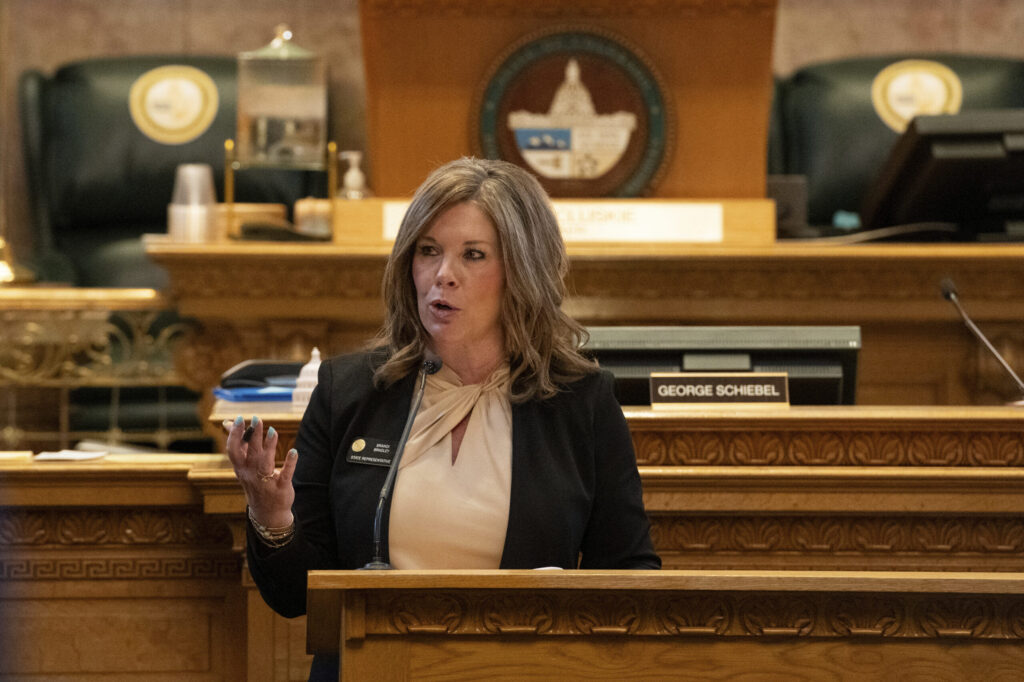
Literal reading of budget bill complicates Colorado legislators’ plans for GOP assembly
Marianne Goodland
marianne.goodland@coloradopolitics.com
Updated 5 hours ago
Republican Rep. Brandi Bradley’s decision to force the full reading of the state budget — called the “long bill” for its obvious length — has not only slowed House business to a crawl but also disrupted her colleagues’ plans for...
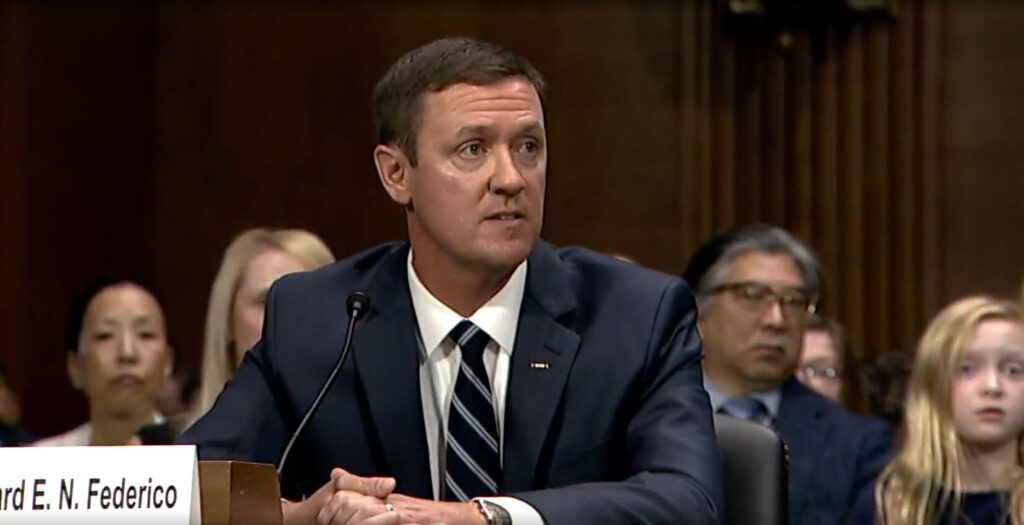
10th Circuit provides guidance on police searches of cloud-based data
Michael Karlik
michael.karlik@coloradopolitics.com
Updated 7 hours ago
The Denver-based federal appeals court provided guidance to law enforcement agencies on Monday for ensuring that searches of cloud-based accounts comply with the Fourth Amendment’s requirements. A three-judge panel of the U.S. Court of Appeals for the 10th Circuit noted...

Inflation jumped to 3.3% in March as Iran war drove up oil prices
Zach Halaschak, Washington Examiner
zach.halaschak.washington.examiner@gazetteedit.wpenginepowered.com
Updated 10 hours ago
Inflation spiked in March, rising nine-tenths of a percentage point to 3.3% on the year, as towering energy prices drove up the headline number. The Bureau of Labor Statistics reported the update to the consumer price index on Friday. The...
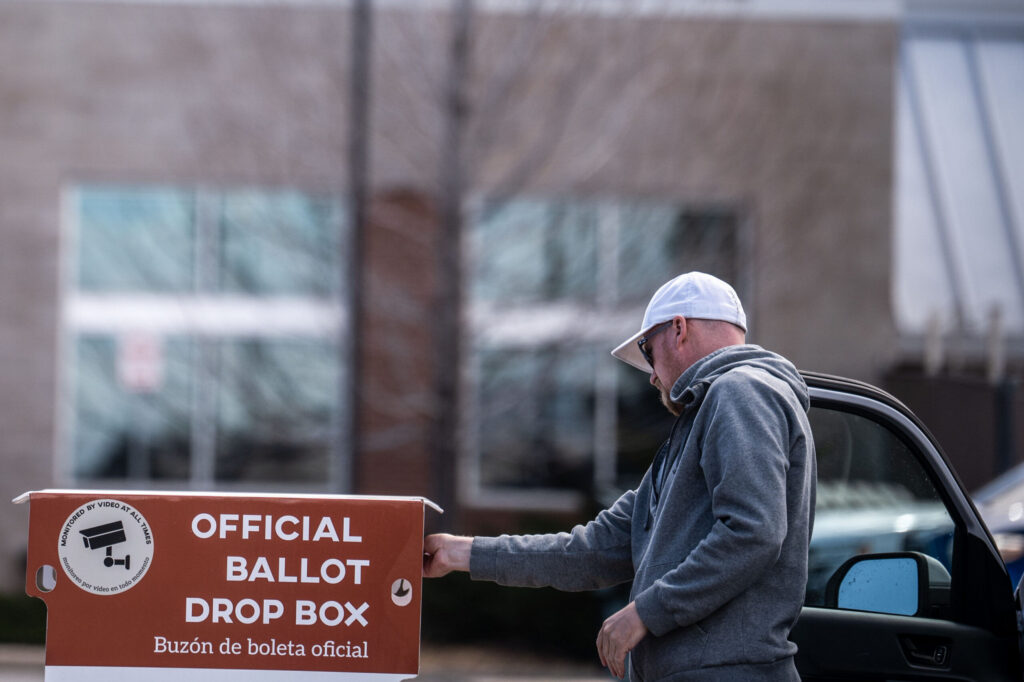
Colorado GOP votes down bid to ask court to prevent unaffiliated voters from voting in June primary
Ernest Luning
ernest.luning@coloradopolitics.com
Updated 6 hours ago
Members of the Colorado Republican Party’s executive committee rejected a proposal Thursday night to seek an emergency injunction in federal court to prevent unaffiliated voters from participating in the state’s upcoming June primary election. The proposed motion, backed by Colorado...
Federal judge releases man after 2 immigration judges disobey order
Michael Karlik
michael.karlik@coloradopolitics.com
Updated 11 hours ago
A federal judge released a man from immigration detention on Thursday after two different immigration judges disobeyed his order in the same case. “At this point, the Court has granted Respondents two bites at the apple to prove detention of...

City of Northglenn, state fail to reach agreement on mental health facility amid safety concerns
Marissa Ventrelli
marissa.ventrelli@coloradopolitics.com
Updated 5 hours ago
The City of Northglenn said it was unable to reach an agreement with the state on a pair of transitional living facilities for individuals with mental health conditions run by the Colorado Department of Human Services. The facilities, located across...
Colorado lawmakers grapple with spending cuts amid $1 billion-plus deficit
Marianne Goodland
marianne.goodland@coloradopolitics.com
Updated 1 day ago
The battle over Colorado’s budget for next year — which stalled in the House over a procedural maneuver — entered a more difficult phase on Thursday, when legislators grappled with hundreds of millions of dollars in proposed reductions to balance...

New rules for private judges in Colorado include discipline oversight, campaign contributions
David Migoya
david.migoya@gazette.com
Updated 35 minutes ago
The Colorado Supreme Court recently determined the state’s private judges — retired jurists appointed to oversee civil cases that rarely get public scrutiny — can now make political contributions freely and without reserve, overruling a prohibition that had been in...

Colorado bill reshaping RTD board advances
Marissa Ventrelli
marissa.ventrelli@coloradopolitics.com
Updated 1 day ago
A proposal to reshape the Regional Transportation District’s leadership easily cleared a committee vote Wednesday, advancing the bill sponsors say is needed to revive a transit system still struggling to regain riders and public trust. Critics have countered that, while...
PREV
PREVIOUS

DU researcher, colleagues analyze factors leading to Black Lives Matter success
A University of Denver marketing professor and her colleagues have concluded that local, grassroots action that converts bystanders into “upstanders” and connects similar organizations to each other is the key to successful movements like Black Lives Matter. Gia Nardini, an expert in consumer behavior, applied principles of consumer psychology in “Together We Rise: How Social […]

Miranda warning not necessary to ask about guns, Colorado Supreme Court rules
An officer was correct to ask a suspect in custody “Where’s the gun?” without giving a Miranda warning first, as the question was allowed under a public safety exception to the legal notification, the Colorado Supreme Court has ruled. Law enforcement personnel who intend to interrogate a suspect in custody must provide a Miranda warning, […]