

A LOOK BACK | Gov. Bill Ritter reflects on his term in office and what’s next
A weekly dive into the pages of Colorado Politics’ predecessor, The Colorado Statesman, which started in 1898:
Thirty Years Ago This Week: “I was just pretending!” said an irate perennial Republican candidate and former Golden City Councilmember Dick Sargent.
Sargent made the exclamation in a call he made to The Colorado Statesman office. He wanted to confront staff at the newspaper over a recent story that reported on a conversation between Sargent and others at a Colorado Springs Republican women’s group. In the conversation, Sargent was overheard telling the GOP group that he was interested in Mary Dambman’s position as state party vice chairman.
In his phone call with a Statesman reporter, Sargent, a former candidate for state treasurer, expounded at length about his plans to revamp the Republican Party in Colorado in a stump speech to beat the best of them. But Sargent then asked that it be publicized that he “is not a candidate.”
Sargent said he had no idea that The Statesman reporter was present when he made rather disparaging remarks about the state party and its leadership, remarks unbecoming to someone seeking to hold a GOP leadership office, perhaps.
… In other news, an undisclosed Statesman staff member underwent major surgery with Dr. Mike Muftic, a well-known Denver Democrat activist. Muftic inquired about the identity of the married mystery man about whom the Statesman had discovered was having an adulterous affair. The Statesman stuck to its guns and declined to reveal the identity of the politico in question and reported that it wouldn’t publish the story.
Apparently, even with the influence of sodium pentathol, Dr. Muftic wasn’t successful at wheedling out the name.
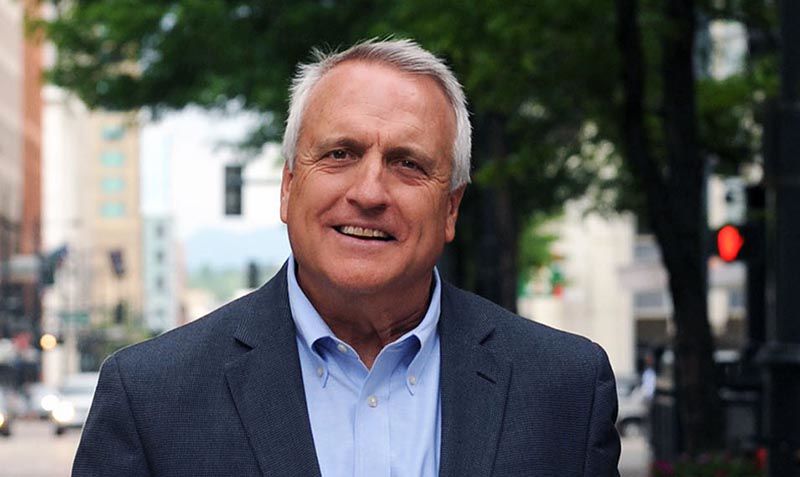
Ten Years Ago: As his four years in office came to a close, Democratic Gov. Bill Ritter, reflected on his experience in politics, policy changes and public service with Longview High School students in Jefferson County.
With around 60 students enrolled, Longview was the smallest comprehensive high school in the state, and Ritter had visited six times since becoming Denver district attorney in 1993.
“One of the things as governor I’ve become really convinced about is that climate change is a serious issue,” Ritter told the students.
When asked by a student about what his plans were after Gov.-elect John Hickenlooper took office in January, Ritter said, “I think I’m going to do something that involves trying to keep making the case that we should produce energy in a clean way – not just Colorado, but the entire country – and that we should do what we can to have policies that support a clean energy future.”
Ritter chuckled, “That’s that most definitive I’ve been when anybody’s asked me that question – what I’m going to do next.”
The outgoing governor also answered the burning question of why he’d decided not to seek a second term in office. Ritter’s January announcement had shocked political insiders. But even with the more informal audience, he gave the same answer that he’d given all year.
“It was clear to me that governing had become the priority in my life and that other relationships were out of balance.”
Ritter said he’d been able to maintain the balance while he was Denver district attorney, but becoming governor had thrown things “too far out of whack. I just looked at my relationships and, seriously said, I’m not paying as much attention as I should, as a father, as a husband, to these relationships. And that’s actually, in the long run, more important,” he said.
Ritter, the sixth of 12 children raised by a single mother after his alcoholic father abandoned the family, said that his upbringing was a powerful influence on his life in public service. It was this early life, with his family on food stamps and the difficulties his mother faced caring for his severely developmentally disabled brother that shaped his conviction that government owed a duty to struggling citizens.
“Informed by personal experience,” Ritter said, “is that we have to do what we can to maintain the safety net.”
Rachael Wright is the author of the Captain Savva Mystery series, with degrees in Political Science and History from Colorado Mesa University, and is a contributing writer to Colorado Politics and the Colorado Springs Gazette.

Federal judge upholds constitutionality of Colorado campaign contribution limits
Michael Karlik
michael.karlik@coloradopolitics.com
Updated 4 hours ago
A federal judge upheld Colorado’s individual campaign contribution limits as constitutional on Thursday, finding that three Republican plaintiffs failed to prove the campaign finance framework violates their First Amendment rights. U.S. District Court Senior Judge John L. Kane recognized that...
Appeals court rejects theory that existing tax revenue undermines need for new fees
Michael Karlik
michael.karlik@coloradopolitics.com
Updated 10 hours ago
Colorado’s second-highest court rejected a plaintiff’s claim on Thursday that the tax revenue generated by an existing activity should prevent local governments from imposing new fees aimed at regulating the activity. The question stemmed from Colorado’s unique constraints on taxation...
Colorado ski resorts announce early closures amid historic snowpack lows, high temperatures
Kyla Pearce
kyla.pearce@gazette.com
Updated 10 hours ago
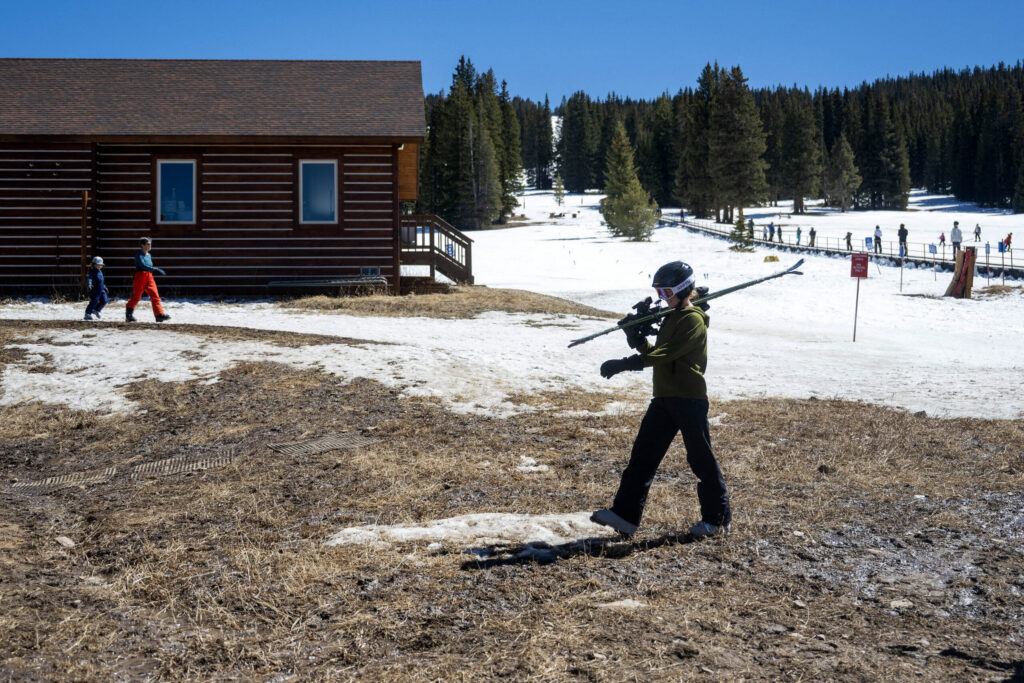
As Colorado’s historically low snowpack year comes to a close and spring conditions take over the mountains, the state’s major ski resorts are announcing closing dates — some of which are weeks before historic closing dates. Most of Colorado’s ski...

Marco Rubio’s star power rises at CPAC 2026
Mabinty Quarshie and Samantha-Jo Roth, Washington Examiner
mabinty.quarshie.and.samantha-jo.roth.washington.examiner@gazetteedit.wpenginepowered.com
Updated 12 hours ago
GRAPEVINE, Texas — Secretary of State Marco Rubio’s popularity is growing and could possibly boost him to one of the top two spots in the 2028 GOP presidential race, if attendees at the Conservative Political Action Conference are to be believed. ...

Boulder police investigate sexual assault, ‘drugging’ at bar near CU
Matt Kyle
matt.kyle@denvergazette.com
Updated 13 hours ago
The Boulder Police Department is investigating reports of sexual assault and “suspected drugging” involving underage girls at a bar. There may be additional victims who have not yet come forward, the department said in a news release. The bar, Scrooge...
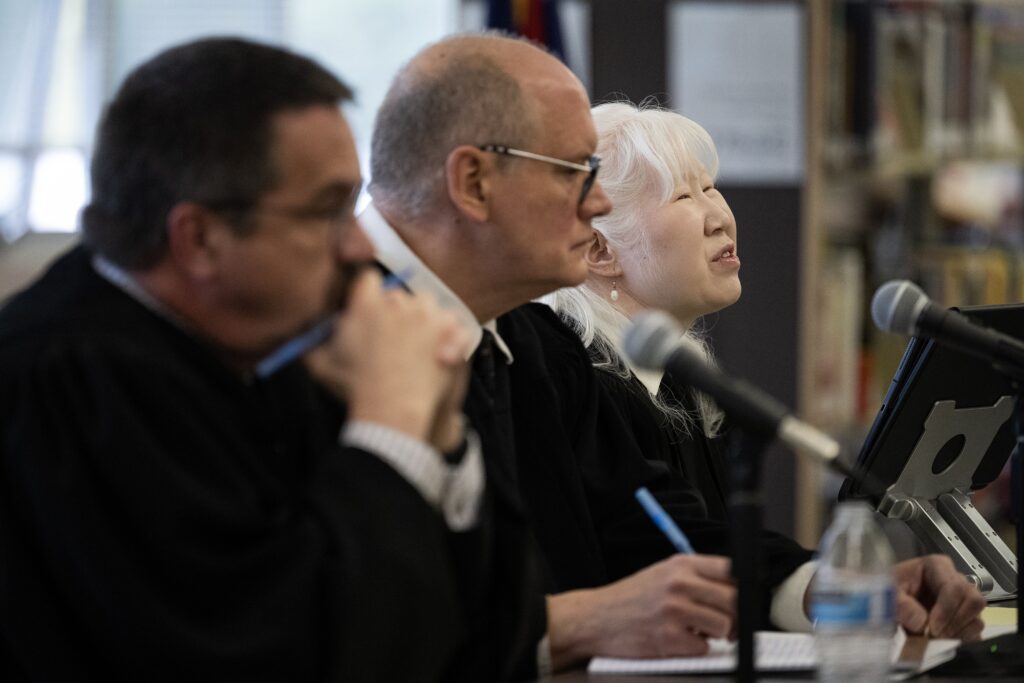
Appeals court finds no illegal sentence when defendants forfeit time-served credit
Michael Karlik
michael.karlik@coloradopolitics.com
Updated 15 hours ago
Colorado’s second-highest court ruled on Thursday that criminal defendants may agree to relinquish the credits they earned while incarcerated pending trial, despite a state law guaranteeing that such time “shall be deducted” from a person’s sentence. Kerry Ellis Endsley pleaded...
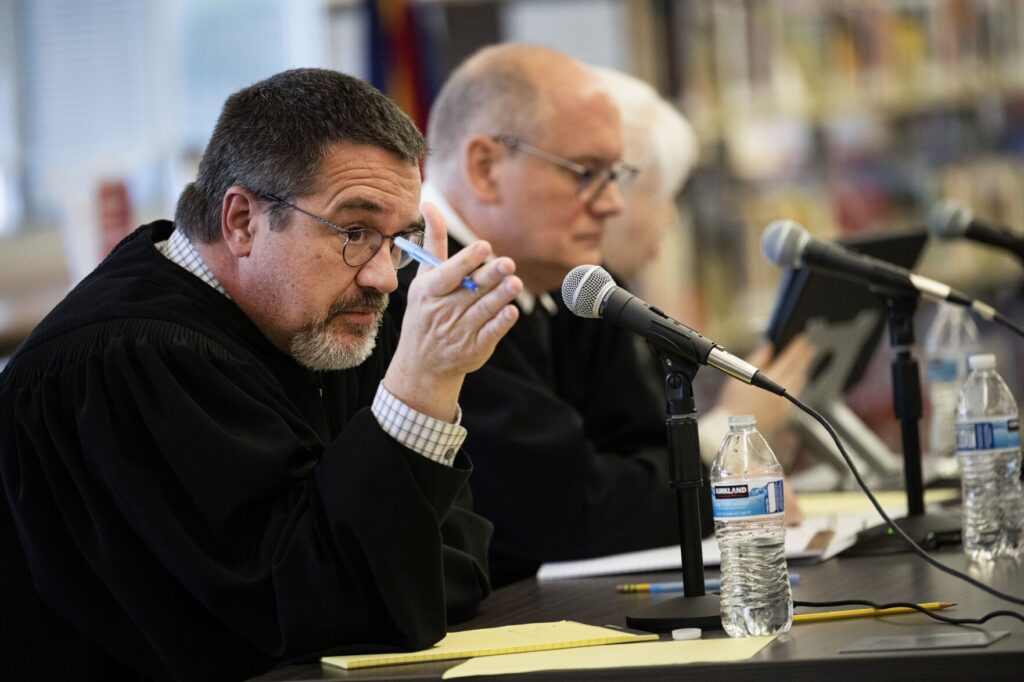
Appeals court reinstates Garfield County arson charge
Michael Karlik
michael.karlik@coloradopolitics.com
Updated 1 day ago
Colorado’s second-highest court reinstated a Garfield County defendant’s arson charge on Thursday, concluding a trial judge improperly credited a witness’s claim that she alone was responsible for starting the fire. A sheriff’s deputy responded to a brush fire near Parachute...

Democratic US Sen. John Hickenlooper qualifies for Colorado primary by petition, will skip assembly
Ernest Luning
ernest.luning@coloradopolitics.com
Updated 1 day ago
U.S. Sen. John Hickenlooper has qualified for Colorado’s Democratic primary after the first-term incumbent submitted enough valid petition signatures to make the ballot, state officials said. Hickenlooper is facing primary challenges from state Sen. Julie Gonzales, D-Denver, and university professor...
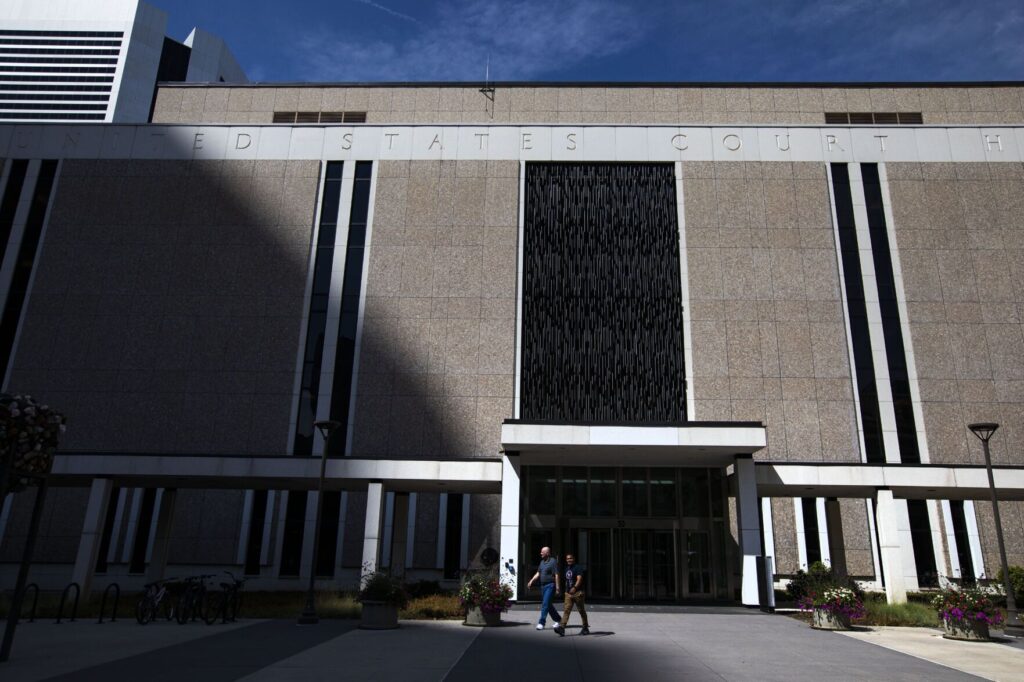
Federal judges rebuke ex-Colorado judicial discipline director for conduct in lawsuit
Michael Karlik
michael.karlik@coloradopolitics.com
Updated 1 day ago
A pair of federal judges expressed a desire on Thursday to break the logjam on a lawsuit by Colorado’s former judicial discipline director against the state Supreme Court and related entities, while simultaneously showing little tolerance for the plaintiff’s scorched-earth...
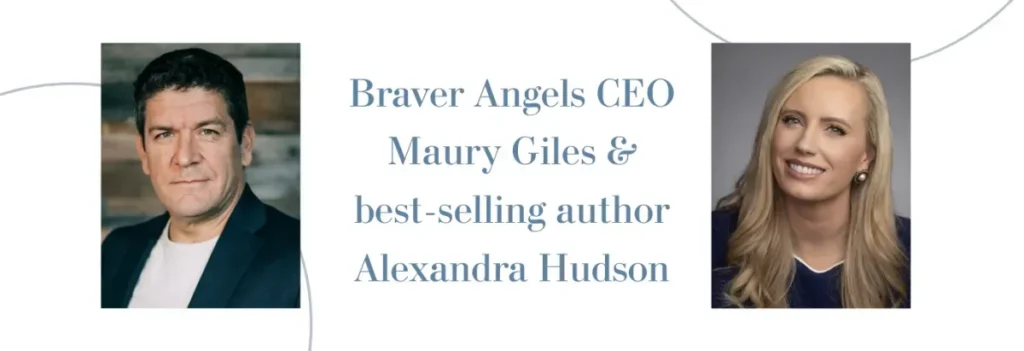
‘Civility in the City’ event with two national experts to be held Monday at UCCS
DEBBIE KELLEY
debbie-kelley@coloradopolitics.com
Updated 9 hours ago
Two notables working on the front lines of civic and cultural repair will discuss “Civility in the City” on Monday at the University of Colorado’s Colorado Springs campus. The event will feature Maury Giles, CEO of Braver Angels, and Alexandra...
PREV
PREVIOUS
Neguse, Fenberg set end-of-year virtual town hall with Boulder lawmakers
U.S. Rep. Joe Neguse is joining Senate Majority Leader Steve Fenberg and other Democratic legislators from Boulder for a virtual town hall on Tuesday to close out 2020 and point toward the new year. “We’ve all had to work together this year, and open communication has been more important than ever,” Neguse’s office said in […]

Here's what Biden is promising to do to curb emissions in his first days in office
President-elect Joe Biden is promising to start implementing on day one the most aggressive policies to curb emissions of any administration. His administration is poised to get started quickly. Biden is bringing in a team of climate policymaking veterans, former Obama Environmental Protection Agency Administrator Gina McCarthy and former Secretary of State John Kerry, to run […]