

No obligation to return $1,300 seized during arrest, court decides

A local law enforcement agency that took more than $1,300 in cash from a man during an arrest does not have to return it, the Colorado Court of Appeals ruled on Thursday.
In 2015, Arapahoe County Sheriff’s deputies saw Hubbert Roy asleep in his parked vehicle. They learned he had a warrant and arrested him. In the process of searching Roy and his vehicle, the deputies found $1,310 in cash, a scale with white powder residue and bottles of prescription medication with labels naming different people.
Investigators suspected that given his low income, the cash came from the sale of narcotics. Even though Roy testified the money had come as a gift from a friend, and the Arapahoe County District Court judge found the friend credible, the court still presumed the money was associated with his illegal possession of drugs.
Under the Colorado Contraband Forfeiture Act, money that is “used to facilitate” drug possession or distribution is contraband subject to seizure, based on probable cause. In enacting the law, the General Assembly noted it was “designed to benefit the public good by appropriating contraband property for use by law enforcement.”
If the amount of money seized during an arrest is in excess of $1,000, there is a presumed substantial connection to criminal activity, so the defendant would need to show credible evidence that it was not so.
In Roy’s case, the appellate judges did not believe he presented sufficient evidence in the face of the drugs and paraphernalia officers discovered at the time. Moreover, Chief Judge Steve Bernard wrote, the friend who gave him the cash did not appear to be correct about the timing of the gift.
“The government is allowed to seize the property under a theory that your continued possession of the item is a public nuisance,” wrote Denver criminal defense attorney H. Michael Steinberg on his website about Colorado’s forfeiture laws. “They can then seize it, and in many cases hold onto it for a long time without a hearing or any ability to challenge its seizure and impending forfeiture.”
A 2017 issue brief from General Assembly staff indicated that most forfeited property, including bank accounts and cars, are in connection with drug offenses. In 2018, state and local agencies seized property worth $12 million, with Arapahoe County taking assets in excess of $108,000.
The case is People v. Roy.


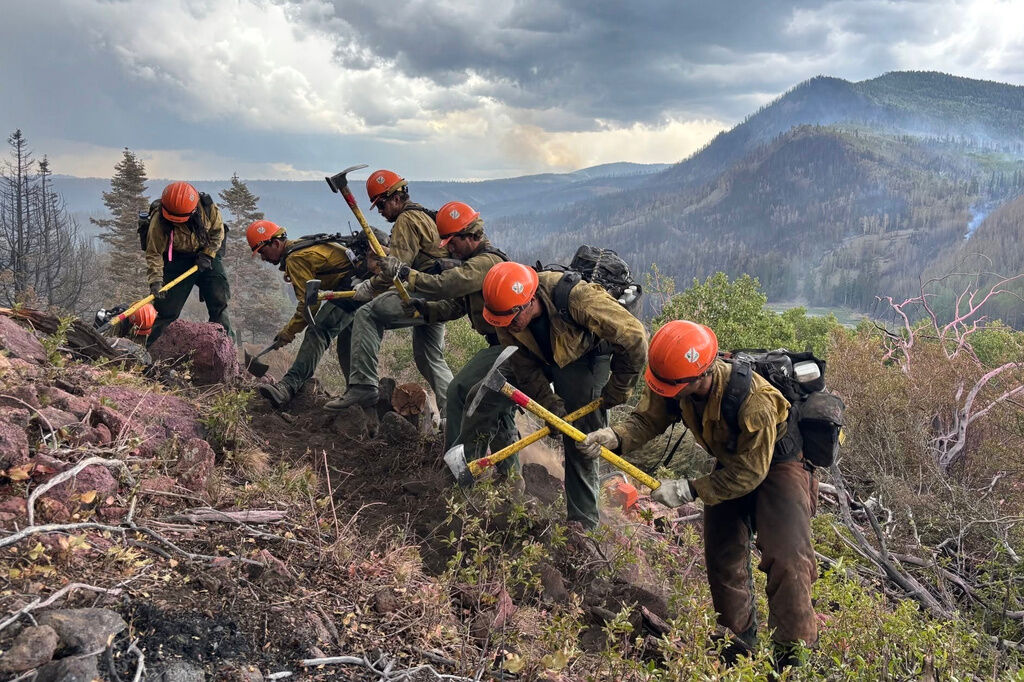
Colorado, Utah mourn after 3 firefighters killed in wildfires
Nicholas Fogleman
nicholas.fogleman@denvergazette.com
Updated 4 hours ago
Gov. Jared Polis on Sunday mourned the deaths of three firefighters killed while battling a wildfire on the Colorado-Utah border, calling the loss a tragedy for the state and the firefighting community. The firefighters died Saturday while responding to a...
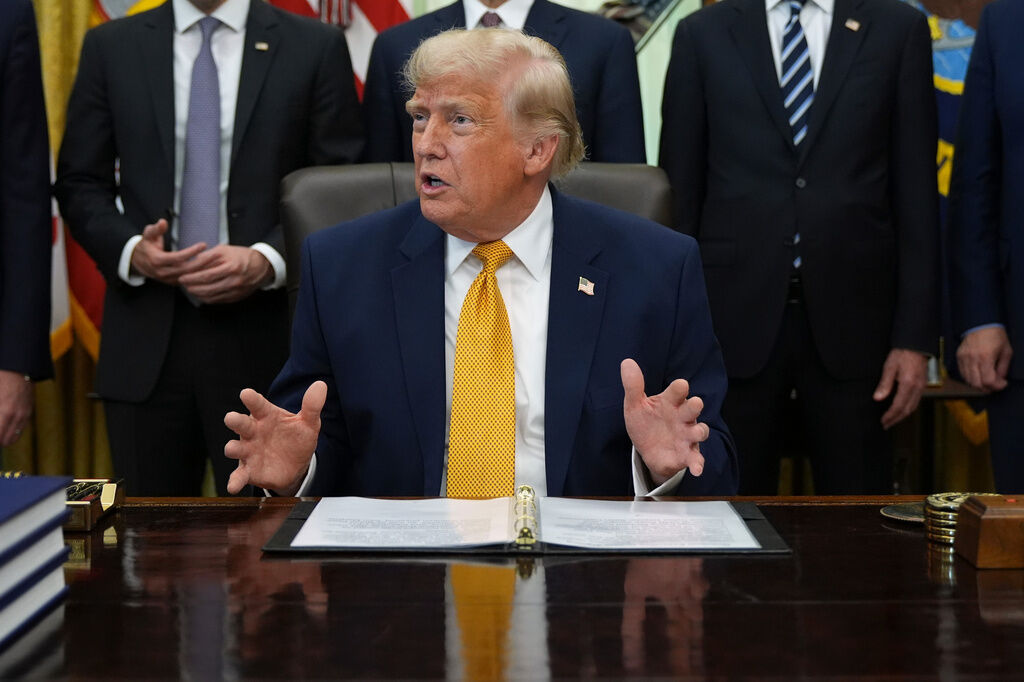
Understanding Trump’s remarkable political comeback in 2024 | Cronin and Loevy
Tom Cronin Bob Loevy
tom-cronin-bob-loevy@coloradopolitics.com
Updated 2 hours ago
President Donald Trump lost the 2020 presidential election. He inspired a riot at the U.S. Capitol to try to overthrow the results of that election. He was impeached by the U.S. House of Representatives and later was indicted for several...
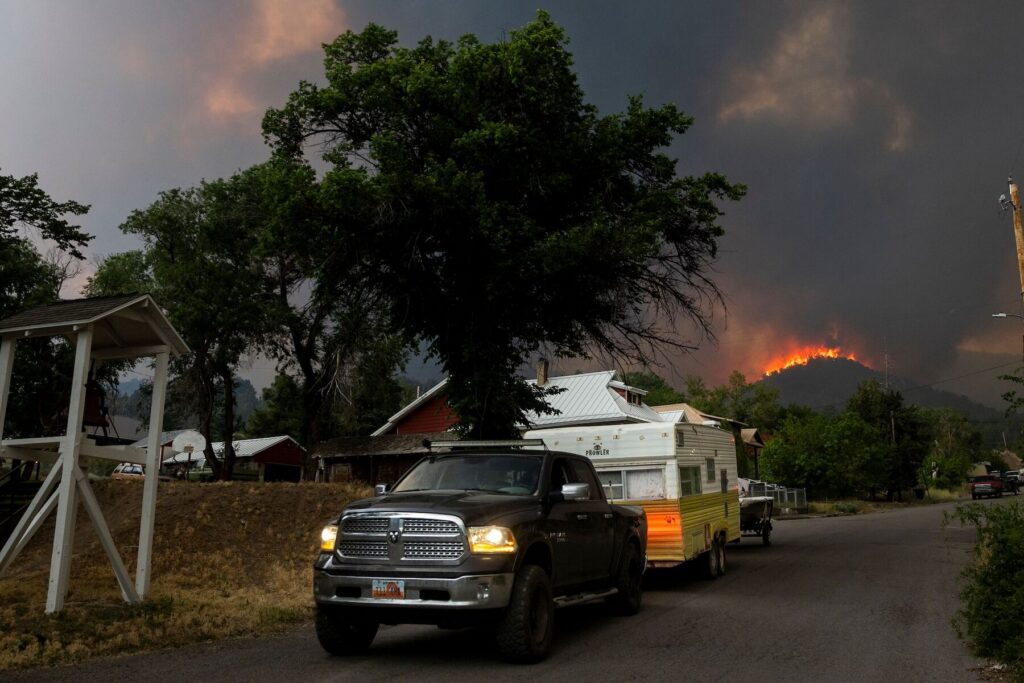
Heat, wind and drought conditions spark wildfires across US West | OUT WEST ROUNDUP
Ernest Luning
ernest.luning@coloradopolitics.com
Updated 14 hours ago
Heat, drought spark wildfires Extreme heat and dry, windy conditions fueled several wildfires in the West on June 21, including an uncontained blaze in Utah that forced the evacuation of a small town southwest of Salt Lake City. The Iron...
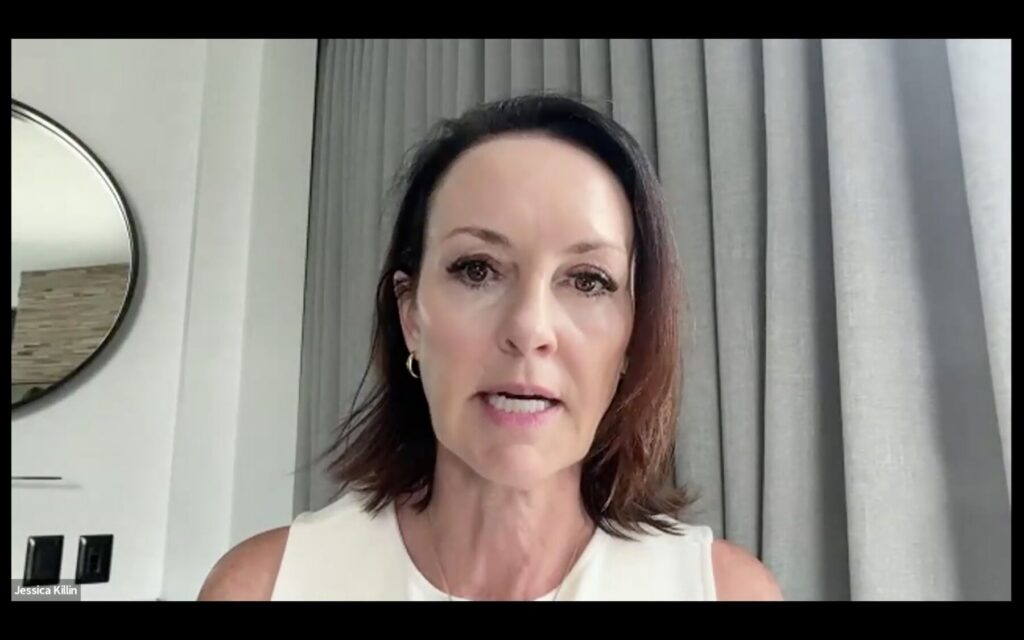
Crank challenger Jessica Killin signs on to new centrist Democratic group’s ‘Promise to America’
Ernest Luning
ernest.luning@coloradopolitics.com
Updated 11 hours ago
Jessica Killin, one of the Democrats running in Tuesday’s primary for the chance to challenge U.S. Rep. Jeff Crank in Colorado’s 5th Congressional District, joined with more than a dozen incumbent Democratic lawmakers and candidates this week signing on to...
Colorado Politics Calendar June 29-July 5
Rachael Wright, Special to Colorado Politics
rachael.wright@coloradopolitics.com
Updated 4 days ago
CoPo’s weekly political calendar will help you find political and public-policy events throughout Colorado. It includes candidate and issue campaign events, public policy meetings, court hearings, state and local party conventions, assemblies, debates, rallies, parades, speaking engagements, traveling dignitary appearances,...
Gov. Lamm’s GOP challenger gives insights into his campaign | A LOOK BACK
Rachael Wright, Special to Colorado Politics
rachael.wright@coloradopolitics.com
Updated 4 days ago
Forty-five years ago this week: “I see Gov. (Richard) Lamm is fairly popular in general,” said gubernatorial candidate and state Sen. Bill Hughes, R-Colorado Springs. “ … And he’ll be hard to beat.” Hughes was on a whirlwind campaign trail...
Giving credit to Polis where credit is due | SONDERMANN
Eric Sondermann
eric-sondermann@coloradopolitics.com
Updated 4 days ago
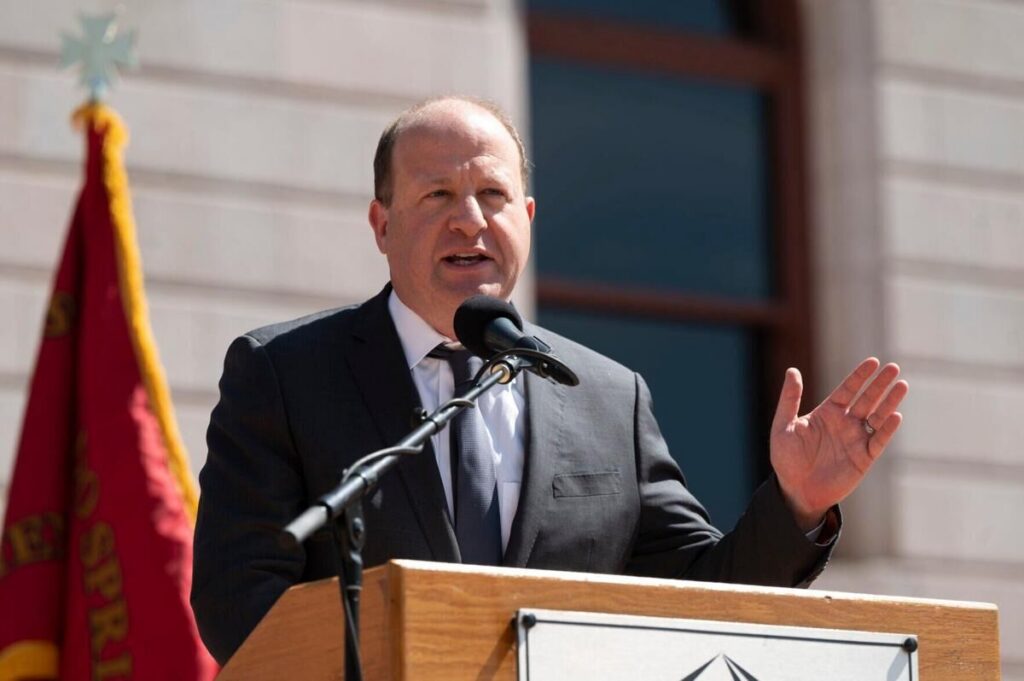
It is an understatement to suggest that Gov. Jared Polis has had a tough couple of months. The bloom was already off the rose and Coloradans were paying far more attention to the choice of his replacement than they were...
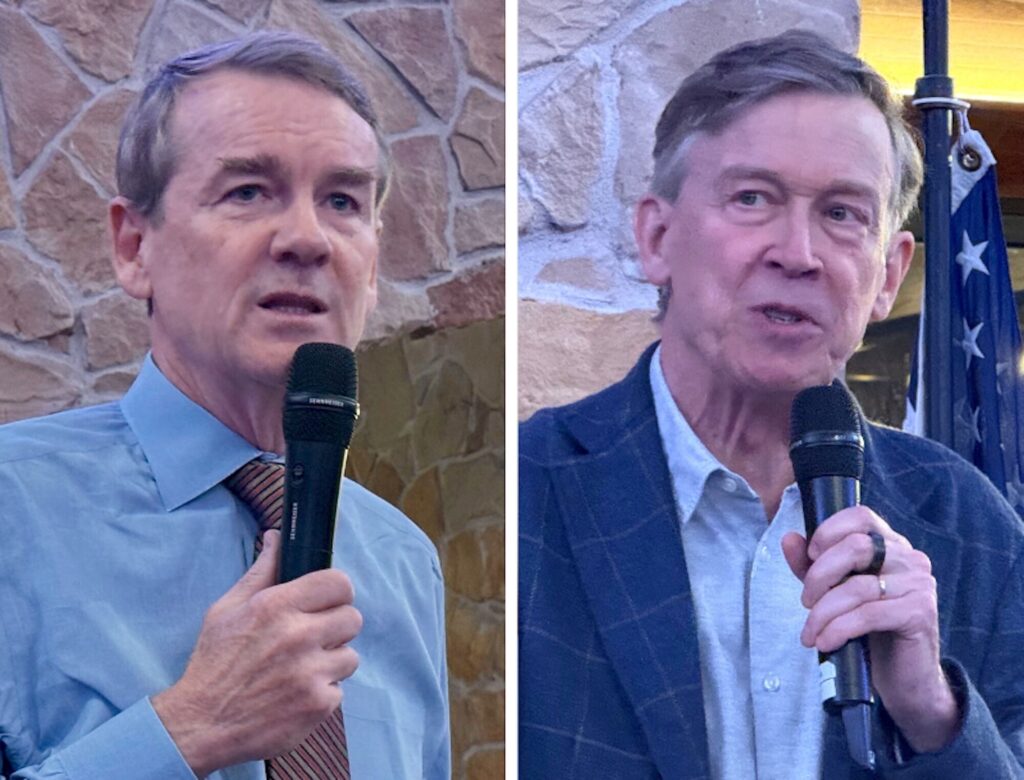
Bennet, Hickenlooper to vote against Trump’s 10th Circuit nominee from Colorado
Michael Karlik
michael.karlik@coloradopolitics.com
Updated 2 days ago
Colorado’s two Democratic senators will not vote to confirm President Donald Trump’s nominee to a vacancy on the Denver-based federal appeals court. Trump has selected U.S. District Court Chief Judge Daniel D. Domenico, who he appointed as a federal trial...
Who’s spending in Colorado to get your vote?
Marianne Goodland
marianne.goodland@coloradopolitics.com
Updated 2 days ago
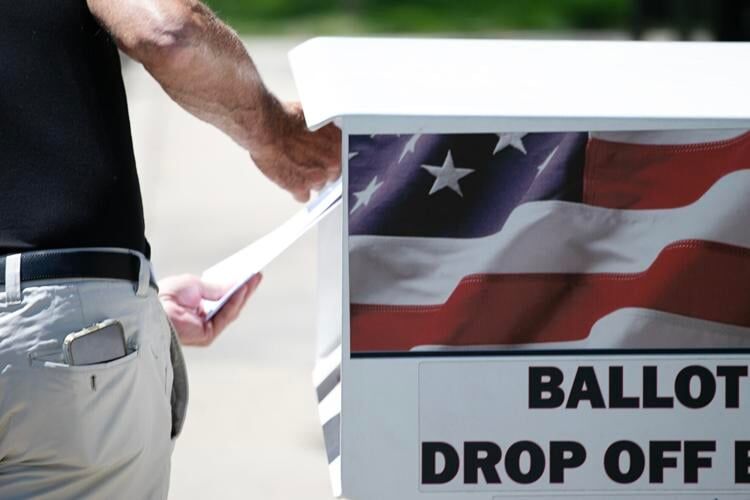
Groups that raise unlimited amounts of money have spent about $20 million in May and June to try and influence Colorado voters’ choices in the upcoming June 30 primaries. By law, these groups cannot coordinate with the candidates they support....
U.S. government declines to oppose multiple challenges to immigration detention in Colorado
Michael Karlik
michael.karlik@coloradopolitics.com
Updated 2 days ago
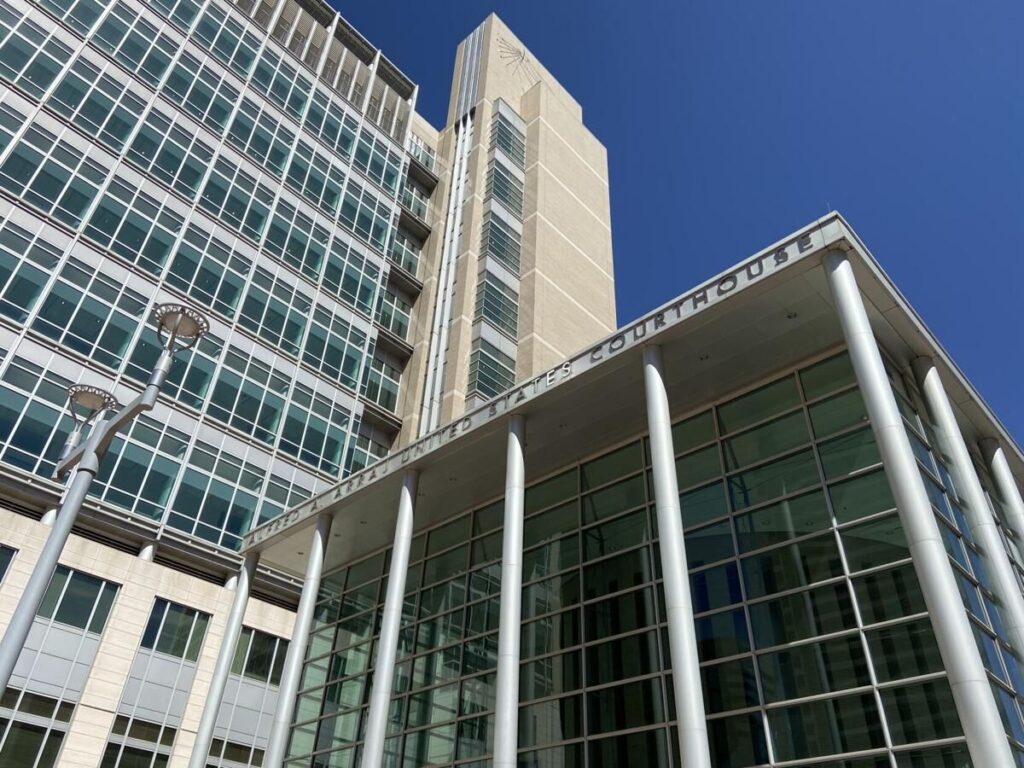
Multiple federal judges in Colorado granted petitions from people challenging the lawfulness of their immigration detention this week after the government took the unusual step of declining to submit arguments in opposition. Colorado’s federal trial court is facing a flood of...
PREV
PREVIOUS

Adams County coroner renews 2021 agreement with Broomfield
Adams County’s coroner has signed a renewed agreement to provide services to Broomfield after she sent a letter expressing anger over what she called a lack of confidence from Broomfield in her office’s services, and said the office would no longer provide services to the city and county starting in 2021. In a meeting earlier […]

FIRE LINES | From prevention to control, one state division wants to see change in Colorado fire policy
An occasional series of conversations with experts on the science and policies regarding fires. The 2020 wildfire season is now over – with the winter for prescribed burns – but trends in wildfires means that Colorado’s state government is having to take on greater responsibility for suppression and mitigation, whether it’s assisting local fire districts with fires that […]