

Bennet introduces bill to eliminate ‘zombie’ campaign accounts
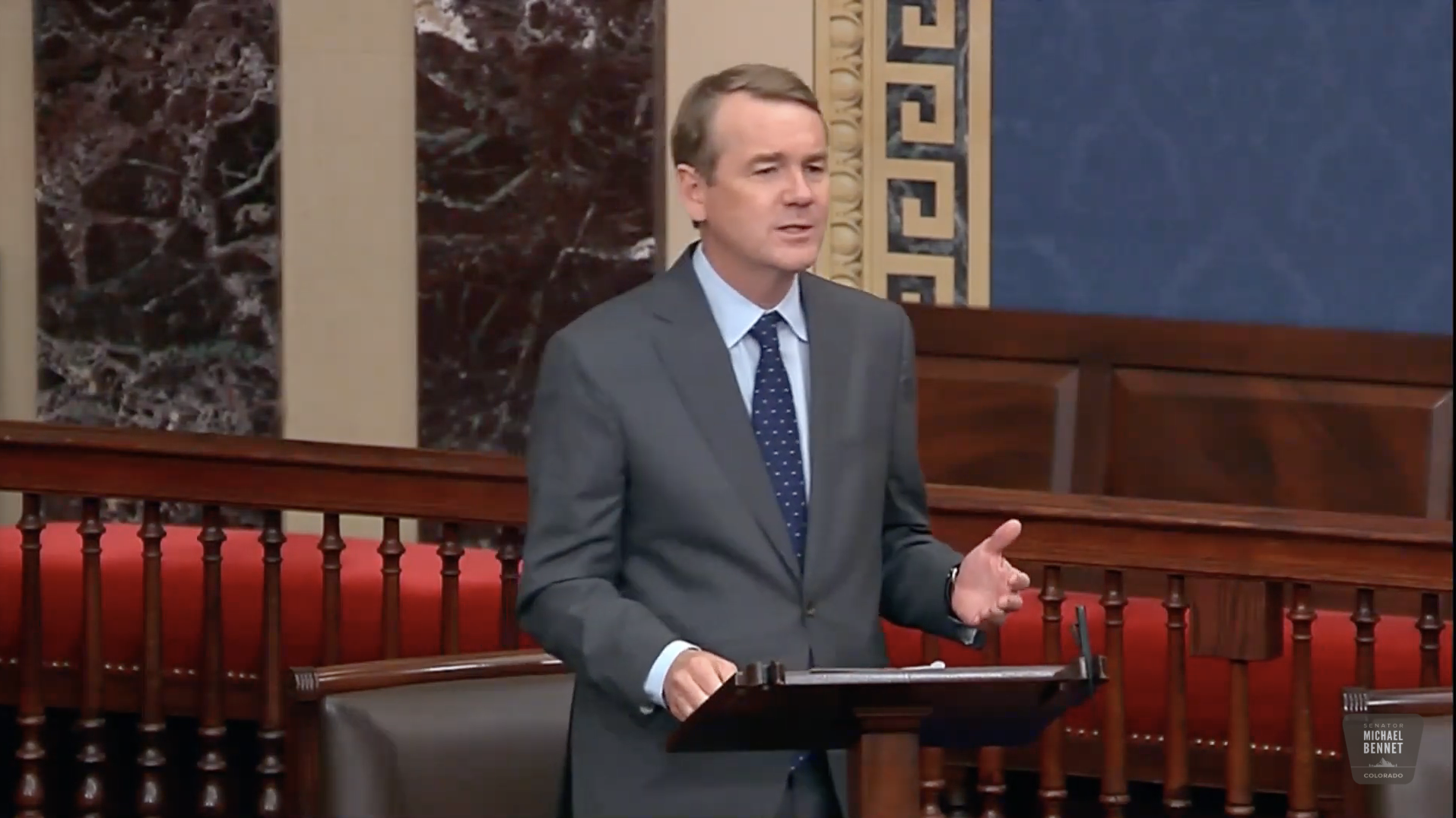
U.S. Sen. Michael Bennet believes ZOMBIEs are a problem.
That is why he has introduced the Zeroing Out Money for Buying Influence after Elections (ZOMBIE) Act to address what happens with campaign money for federal candidates when they leave office.
“It makes no sense for former politicians to have millions in the bank from their old campaigns, especially after they’ve registered to become a lobbyist or foreign agent,” Bennet said. “These zombie accounts help fuel the pay-to-play culture in Washington that is destroying the American people’s faith in our government.”
Bennet further explained that former elected officials can use the “zombie” funds to steer donations to former colleagues. If the individual is now a lobbyist, such donations “can contribute to a corrupt ‘pay-to-play’ system of politics,” said Paul S. Ryan, vice president for policy and litigation at Common Cause.
The ZOMBIE Act requires candidates to close campaign accounts within six months of not filing to run for reelection or another federal office. People would also need to close their personal or leadership committees before registering as a lobbyist or foreign agent. Candidates may divest their unspent money to donors, the U.S. Treasury or a charity. The candidate or their family may not have personal ties to the recipient charity, however.
While campaign funds are intended to support runs for office and duties of the officeholder, a 2019 report from the Campaign Legal Center documented several instances where former members of Congress – including some who had been out of office for more than a decade – continued to use campaign donations to funnel money to members who are the targets of lobbying efforts.
Former Senate Majority Leader Trent Lott, R-Miss., for example, had $1.5 million saved when he retired. He gave $1,000 to a U.S. senator whom his company subsequently lobbied on behalf of their client, Saudi Arabia.
“As former members get farther and farther from their time in public office, the universe of plausible officeholder-related expenses shrinks ever smaller, so keeping campaigns open for years can invite abuse,” the report concluded.

It’s time to let unaffiliated voters caucus | Vince Bzdek
Vince Bzdek
vince.bzdek@gazette.com
Updated 2 days ago
There’s no getting around it: Colorado’s 3,000 county caucuses, which just wrapped up recently, left half the electorate out in the cold. Since unaffiliated voters now make up 51% of all Colorado voters, a majority of Colorado electors are barred...

With new medical school set to open, Feinstein will step down as UNC president
Hap Fry, Special to The Gazette
hap-fry@gazette.com
Updated 18 hours ago
GREELEY • Dr. Andrew “Andy” Feinstein, the charismatic president of the University of Northern Colorado, has announced that he will step down from his leadership role just on the cusp of what is perhaps his signature accomplishment being realized. He’ll...
Governor warns energy development both a boon and a risk to Colorado | A LOOK BACK
Rachael Wright, Special to Colorado Politics
rachael.wright@coloradopolitics.com
Updated 5 days ago
Forty-Five Years Ago This Week: “The real opportunity and the dangers before us are both real,” said Gov. Dick Lamm in his January state of the state address before the Colorado General Assembly. Lamm argued that energy development would continue...
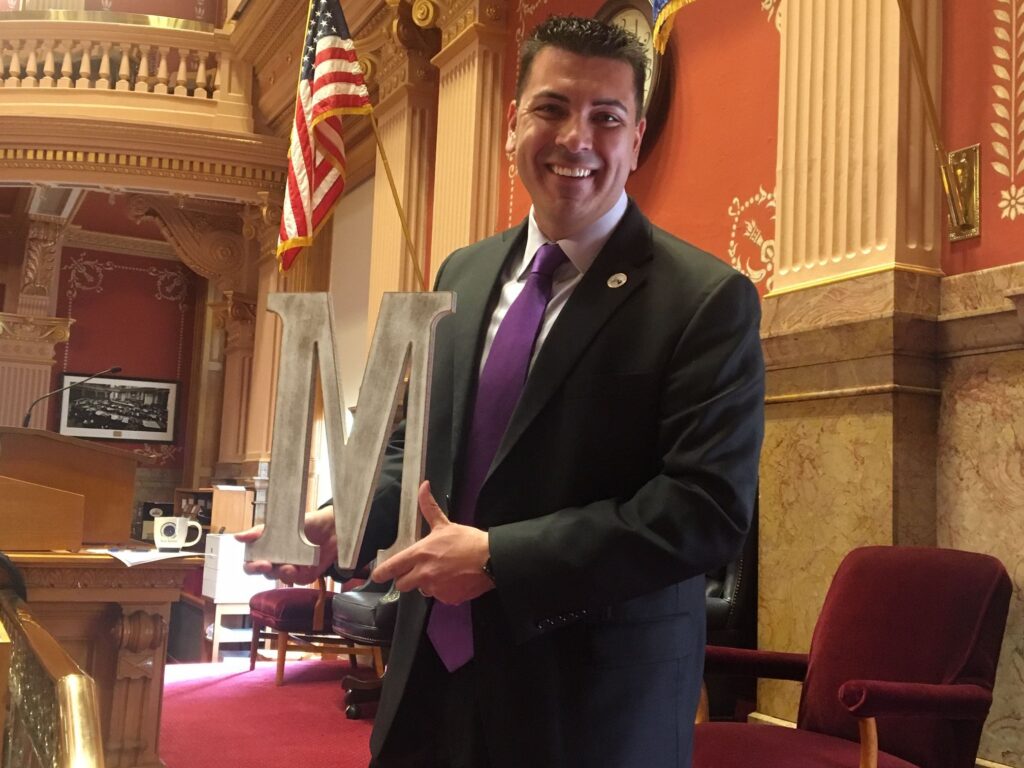
A Mile High, again: Capitol M | Week of March 21, 2026
Marianne Goodland
marianne.goodland@coloradopolitics.com
Updated 5 days ago
The lighter side of the Capitol, usually…. Local Journalism Day, except they forgot their very own local journalists. The state Senate on Thursday, March 19, passed a resolution recognizing Local Journalism Day. Everyone voted for it, which is good, because...
Colorado Politics Calendar Mar. 23-29
Rachael Wright, Special to Colorado Politics
rachael.wright@coloradopolitics.com
Updated 4 days ago
CoPo’s weekly political calendar will help you find political and public-policy events throughout Colorado. It includes candidate and issue campaign events, public policy meetings, court hearings, state and local party conventions, assemblies, debates, rallies, parades, speaking engagements, traveling dignitary appearances,...

The insular bubble of caucuses and assemblies | SONDERMANN
Eric Sondermann
eric-sondermann@coloradopolitics.com
Updated 4 days ago
Nearly 30 years ago, then-Federal Reserve Chairman Alan Greenspan coined the term “irrational exuberance” to describe the overheated stock market. That descriptive phrase could also apply to much of the political realm. The hype in politics often grossly exceeds the...

Lauren Boebert’s hard ‘no’ on Pentagon Iran funding request puts Mike Johnson in tough spot
Emily Hallas, Washington Examiner
emily.hallas.washington.examiner@gazetteedit.wpenginepowered.com
Updated 3 days ago
Colorado U.S. Rep. Lauren Boebert announced on Thursday that she will not support further funding for the United States’s war in Iran, marking an uphill battle for the Trump administration’s effort to secure additional financing from Congress. “I’ve already told...
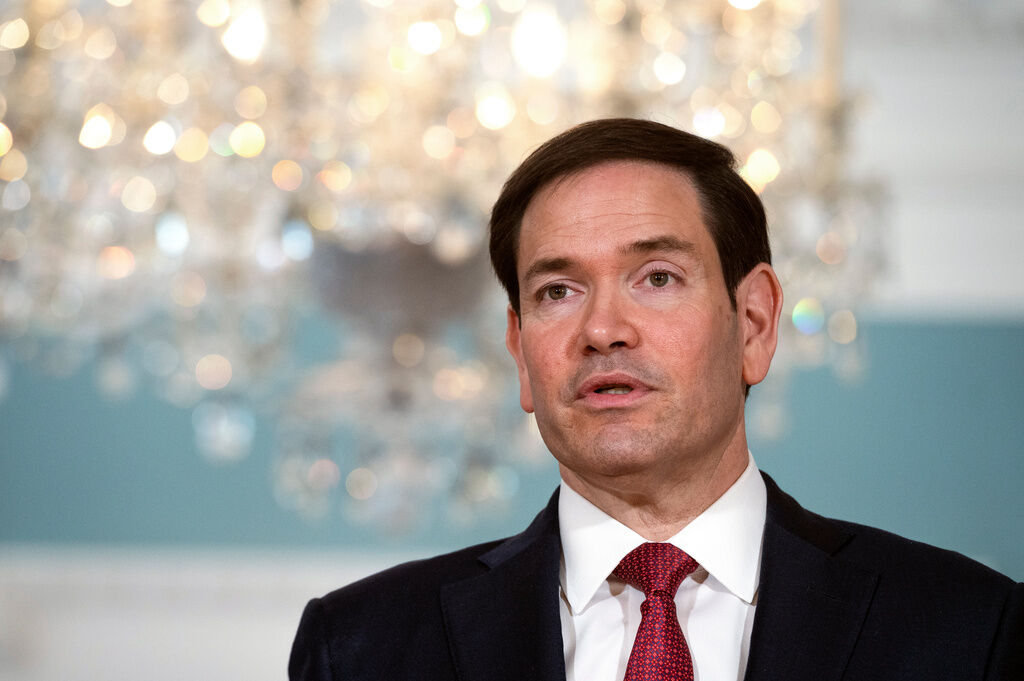
Rubio gains ground in 2028 jockeying as Iran war elevates his profile
Samantha-Jo Roth, Washington Examiner
samantha-jo.roth.washington.examiner@gazetteedit.wpenginepowered.com
Updated 3 days ago
Secretary of State Marco Rubio’s high-profile role in the Trump administration’s response to the Iran war is boosting his standing in the early jockeying for the 2028 Republican presidential nomination — and positioning him as a possible rival to Vice...

Federal judge dismisses claims against medical contractor for Eagle County jail suicide
Michael Karlik
michael.karlik@coloradopolitics.com
Updated 3 days ago
A federal judge dismissed the claims against a medical contractor for the Eagle County jail and its employees earlier this month, concluding there were insufficient allegations that they violated the constitutional rights of a man who died by suicide in...

Colorado Senate committee advances bill increasing overtime threshold for farmworkers
Marianne Goodland
marianne.goodland@coloradopolitics.com
Updated 2 days ago
The struggle to balance farmworker protections with the survival of Colorado’s family farms took center stage Thursday as senators debated two competing overtime bills. The Senate Business, Labor and Technology Committee held a rare double-bill hearing that led to a...
PREV
PREVIOUS

Colorado unemployment rate unchanged in November
Colorado’s unemployment rate remained unchanged for a second consecutive month in November at 6.4%, the U.S. Bureau of Labor Statistics reported Friday. While little appeared changed in the state’s job market last month,the numbers come from a survey of households conducted during the second week of November, so they don’t reflect widespread restrictions on businesses […]
Supreme Court throws out Trump effort to exclude illegal immigrants from census
The Supreme Court on Friday shut down a Trump administration effort to exclude illegal immigrants from the census count. In a 6-3 decision, the court ruled that since Trump lacked standing to order illegal immigrants not be counted, the court could not weigh in on the issue in any substantive way. In making an appeal […]