

Denver’s independent monitor to release investigation next week on police response to protests
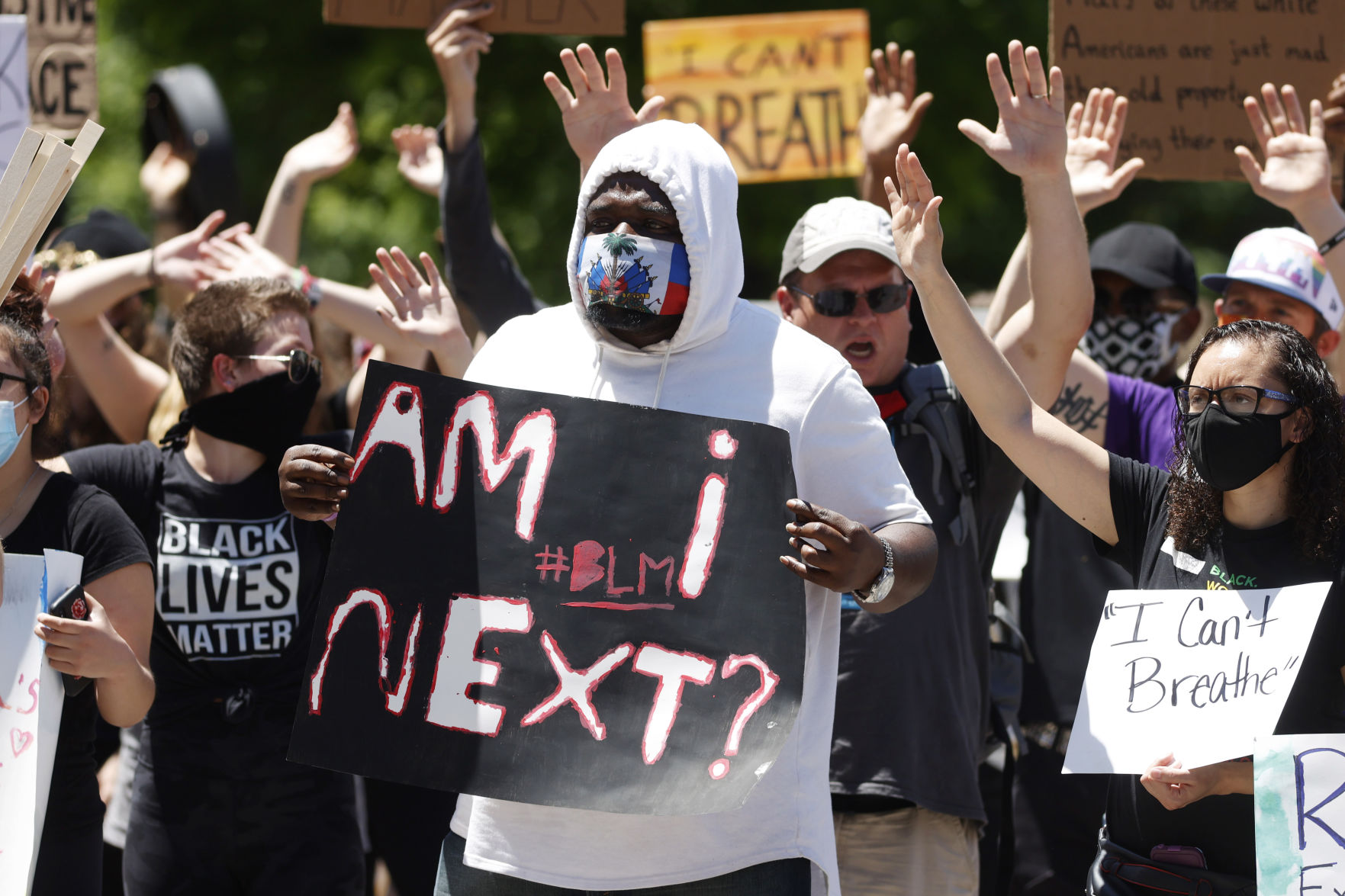
The Office of the Independent Monitor, a watchdog for Denver’s police and sheriff departments, will release one of the largest investigations in its history next week, detailing the Denver Police Department’s response to the George Floyd demonstrations that gripped the city in early summer.
The report is expected to be released Dec. 8, Independent Monitor Nicholas Mitchell told Colorado Politics on Tuesday.
Mitchell is scheduled to present his findings to the Denver City Council’s safety committee the morning of Dec. 9 and, later that evening, will hold a two-hour online public forum hosted by the Citizen Oversight Board that includes a question-and-answer session.
Mitchell announced in June that he would launch an investigation after Denver City Council members urged him to examine the use of tear gas, less-than-lethal bullets and other unwarranted force against peaceful demonstrators and the media.
In September, Mitchell told council members his report will be a “lessons-learned review” that’s focused on “bigger-picture policy and procedure and practice issues.”
Mitchell’s staff has spent roughly the last six months poring over “hundreds and hundreds and hundreds” of hours of police body-worn camera footage, street security camera footage, helicopter videos, cell phone footage, audio records, officer statements, crowd dispersal orders, training of officers involved, less-lethal equipment dispersed and more.
The OIM also sought information from Denver Health and the Denver fire and sheriff departments, as well as documentation from outside jurisdictions, to understand their involvement during demonstrations.
Both Denver Police Chief Paul Pazen and Public Safety Executive Director Murphy Robinson have said they support the investigation.
“We in no way, shape or form are justifying inappropriate actions by our officers, and we will fully hold our team accountable for those actions,” Pazen pledged June 17, when he and Robinson were called in to address DPD’s use-of-force policy publicly in front of Denver City Council’s safety committee following protests.
Two weeks earlier, Pazen fired DPD officer Thomas McClay after he posted a photo on social media with two other officers in riot gear and captioned it, “Let’s start a riot,” on the fourth consecutive day of violent protests in Denver.
That same week, the department also banned all chokeholds, required body cameras for SWAT officers during tactical operations and mandated a use-of-force report when an officer points a firearm at someone.
The Department of Public Safety and the Office of the Independent Monitor are looking into at least 530 complaints of excessive force during protests, according to Robinson. Some are more serious than others, he said, and any disagreements that arise between the two entities around disciplinary action will be left up to Robinson to decide.
At least three federal lawsuits have been filed over law enforcement’s response to protests. The city recently has also been put on official notice – with the delivery of 50 legal notices to Denver Mayor Michael Hancock’s office on Nov. 24 – that a “substantial lawsuit” is forthcoming, which could be one of the largest of its kind in the country.
“The overall theme is excessive force and illegal arrests,” lead attorney Clifford Beem said of his clients. “They range from blindness, all the way from loss of an eye to being hit with batons and arrested and imprisoned.”


Susan Blanco signals views on role of appellate courts in first opinion as Colorado justice
Michael Karlik
michael.karlik@coloradopolitics.com
Updated 3 hours ago
Justice Susan Blanco’s first solo opinion as a new member of the Colorado Supreme Court made clear her view of the guardrails that keep the state’s highest court tethered to the issues it is asked to decide. On Monday, the...

Hegseth features Fort Carson soldiers after returning from Middle East, gives warning on Iran war
Reuters
reuters@gazette.com
Updated 3 hours ago
Defense Secretary Pete Hegseth said on Tuesday the next few days in the war against Iran would be decisive and warned Tehran that the conflict would intensify if it did not make a deal. Hegseth also highlighted his trip to the Middle...

Denver Council narrowly approves deal with Axon
Deborah Grigsby
deborah.smith@denvergazette.com
Updated 7 hours ago
After weeks of delay, the Denver City Council narrowly approved a one-year $150,000 contract with Axon for 50 automated license plate-reading cameras and the necessary system hardware, replacing the city’s former vendor, Flock. The 7-6 vote came during Tuesday’s regular...

Colorado leaders weigh next steps after Supreme Court rejects state ban on ‘conversion therapy’
Marissa Ventrelli
marissa.ventrelli@coloradopolitics.com
Updated 20 hours ago
Colorado leaders said they are weighing next steps after the U.S. Supreme Court on Tuesday rejected the state’s ban on “conversion therapy” for children, as critics and supporters cheered or lambasted the ruling. The court’s near-unanimous decision called the Colorado...

Aurora homeless shelter opened too early, CEO says, as mold and plumbing issues emerge
Kyla Pearce
kyla.pearce@gazette.com
Updated 7 hours ago
Aurora’s largest homeless services project launched “way too early,” its CEO told city leaders Tuesday, saying the rushed opening left residents living amid mold, plumbing failures, and other issues inside the former hotel. During Tuesday’s Housing, Neighborhood Services and Redevelopment...

Gov. Polis declares April ‘dig safely month’ to mark 40th anniversary of Colorado 811
Scott Weiser
scott.weiser@gazette.com
Updated 7 hours ago
Gov. Jared Polis declared April 2026 as “Dig Safely Month” in Colorado, an annual observance that this year highlights the 40th anniversary of Colorado 811, the state’s One-Call Notification System. “Before everyone starts their warm weather projects around the house,...

Federal judge dismisses U.S. government lawsuit against Colorado, Denver’s ‘sanctuary’ laws
Michael Karlik
michael.karlik@coloradopolitics.com
Updated 20 hours ago
A federal judge dismissed the U.S. government’s lawsuit against Colorado and Denver on Tuesday, which alleged that various local policies impermissibly infringed on federal immigration enforcement. U.S. District Court Judge Gordon P. Gallagher followed the lead of judges in Illinois...
Denver proposes yearlong moratorium on new data centers
Deborah Grigsby
deborah.smith@denvergazette.com
Updated 23 hours ago
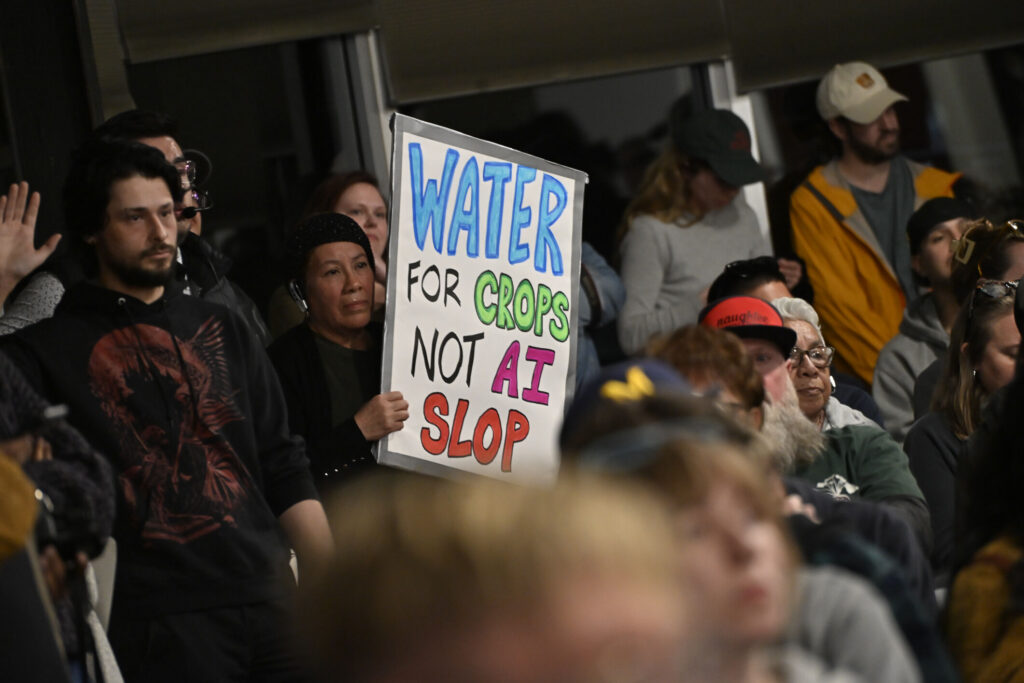
As Denver Water calls for a 20% reduction in water use during Stage 1 drought conditions, City Council members advanced a bill to rein in one of the largest water users — data centers — by proposing a yearlong moratorium...

Lakewood zoning canvasser accused of stealing opposition material
Sage Kelley
sage.kelley@denvergazette.com
Updated 7 hours ago
Controversies surrounding the Lakewood special election continue, with the latest including allegations of sign-stealing. The city’s special election regarding already approved zoning changes is occurring on April 7 and — along with more than a year of contention between opponents...

Federal judge finds DOJ adequately searched for, disclosed records related to Bidens
Michael Karlik
michael.karlik@coloradopolitics.com
Updated 1 day ago
A federal judge determined on Friday that the U.S. Department of Justice adequately searched for and disclosed records to a Colorado attorney in response to his request for documents related to former President Joe Biden’s son and brother. In November...
PREV
PREVIOUS

Half of Colorado nursing homes reported new staff case in mid-November, feds say
More than half of Colorado’s nursing homes had a staff member test positive over a week span in mid-November, the White House coronavirus task force wrote, as facilities across the state continue to see significant spread within long-term and nursing facilities. The task force issues regular reports to states providing an overview of the coronavirus […]
East Troublesome fire, No. 2 in Colorado history, fully contained
Nearly 50 days after Colorado’s second-largest wildfire on record ignited, officials say it is now fully contained. In a social media post by the East Troublesome Fire information page, officials said the fire that had grown to 193,812 acres had been fully contained by fire crews Tuesday morning. RMNP officials release video showing damage caused […]