

Denver health officials call for ‘community reconnection’ to honor World AIDS Day on Tuesday

The Denver Department of Public Health and Environment and the Office of HIV Resources are calling for residents to remember on Tuesday, World AIDS Day, that people at-risk of contracting HIV, living with the disease or are supporting someone else who is in need of connection with their support systems to stay safe as the coronavirus pandemic persists.
“The pandemic has definitely had an effect on our community. It has impacted how people are able to access and engage actively in their healthcare, as well as their ability to access HIV testing and resources,” Robert George, DDPHE’s HIV resources section program manager, said in a statement. “Connection is still important, and our community members have done as much as they can to support each other right now and help keep people engaged in much-needed services.”
The theme of the 32nd annual World Aids Day is “Ending the HIV/AIDS Epidemic: Resilience and Impact,” intended to highlight the need for “strengthening the capacity and resilience of communities and health systems” to address HIV prevention services during a global pandemic, a time when people are less likely to seek out services and remain closely connected with their community, according to DDPHE.
“Ending the HIV epidemic means that we have to recognize and address the social challenges that keep marginalized groups from accessing vital services,” DDPHE executive director Bob McDonald said in a news release Monday. “Our goal is to make sure that we are getting everyone connected to what they need, not only to prevent HIV, but also to stay as healthy as possible if they are living with HIV.”
Through a $7.5 million grant from the Ryan White HIV/AIDS Program, Denver’s Office of HIV Resources heads up funding of services for people living with HIV in Adams, Arapahoe, Broomfield, Denver, Douglas and Jefferson counties.
Denver was the fourth North American city to pledge to end the AIDS epidemic by 2030, as part of the Fast-Track Cities program, a global partnership between more than 300 municipalities around the world and four partners: the International Association of Providers of AIDS Care, the Joint United Nations Programme on HIV/AIDS, the United Nations Human Settlements Programme and the city of Paris.
The group’s goal is to attain a 90-90-90-target: that 90% of people living with HIV will know their HIV status; that 90% of those who know their status will receive sustained antiretroviral therapy; and that 90% of those receiving sustained treatment will achieve viral suppression.
An estimated 1.2 million people are living with HIV across the country, according to the Centers for Disease Control and Prevention, with roughly 50,000 people contracting HIV every year.
The CDC estimates that about 1 in 7 are unaware of their HIV status in the U.S.
Populations disproportionately impacted by the disease include gay and bisexual men, transgender individuals, people of color, as well as those experiencing homelessness and those who have been previously incarcerated.



Can deliberation save democracy?
Vince Bzdek
vince.bzdek@gazette.com
Updated 13 hours ago
By Vince Bzdek In September 2019, 523 Americans traveled to Dallas, Texas, for an experiment called “America in One Room.” The gathering was designed to test a theory: Could representative citizens deliberate productively even in an era of intense polarization?...

Colorado health equity funder’s redirection debated
DEBBIE KELLEY
debbie-kelley@coloradopolitics.com
Updated 12 hours ago
A redirection in grantmaking that began two years ago for The Colorado Trust, a 40-year-old Denver-headquartered funder, has led some employees to now voice concerns, which has reportedly put their jobs in jeopardy. The vice president of communications for the...

Is Trump a builder or just a latter-day headhunter? | SONDERMANN
By Eric Sondermann
by-eric-sondermann@coloradopolitics.com
Updated 2 days ago
It was well under 100 hours after President Donald Trump’s overly long, overly theatrical State of the Union speech that he unleashed American bombers across Iran. As I write, it is now less than 100 hours since those bombers started...

LDS activist excommunicated from the church speaks out on women’s rights across Colorado | A LOOK BACK
Rachael Wright, Special to Colorado Politics
rachael.wright@coloradopolitics.com
Updated 2 days ago
Forty-Five Years Ago This Week: “Women must demand — now and if necessary at the peril of our lives — that we be granted civil rights in the same way rich white men in this country were granted them: constitutional...

Democrats eye new taxes on alcohol, marijuana to fund Colorado mental health spending
Marissa Ventrelli
marissa.ventrelli@coloradopolitics.com
Updated 2 days ago
Facing a more than $1 billion budget shortfall, Colorado lawmakers are searching for ways to fund mental health services in a state that consistently ranks among the worst in the nation for mental health outcomes. Several proposals this session aim...
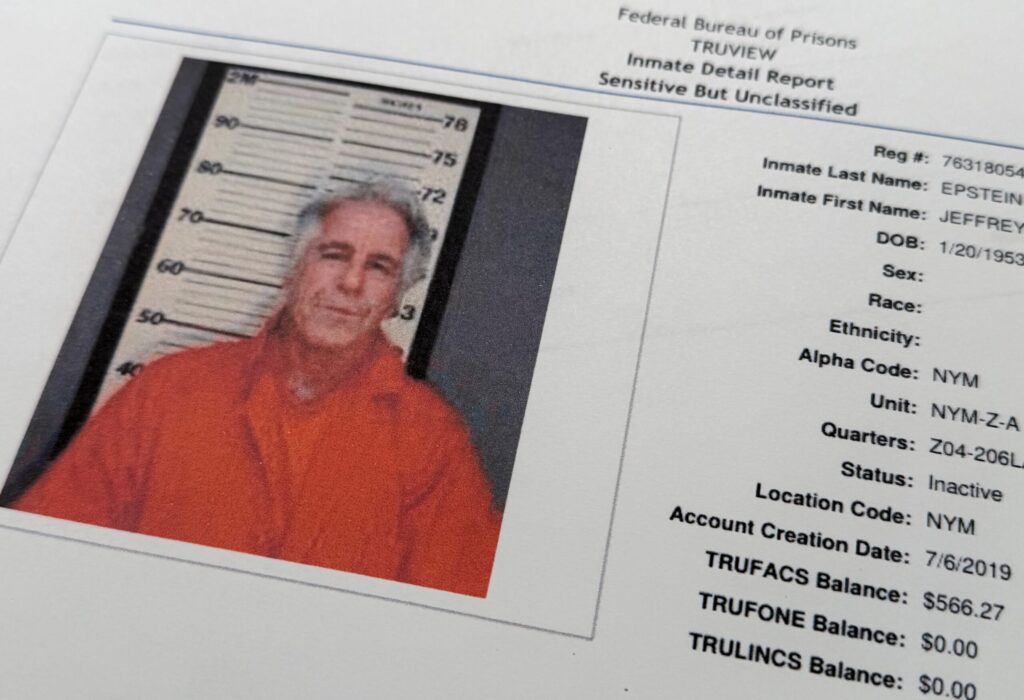
DOJ publishes more Epstein documents mentioning Trump after initial omission
Rena Rowe, Washington Examiner
rena.rowe.washington.examiner@gazetteedit.wpenginepowered.com
Updated 16 hours ago
The Justice Department released additional Epstein files on Thursday, including uncorroborated accusations from a woman claiming she was sexually assaulted by President Donald Trump. Last week, Rep. Robert Garcia (D-CA), the top Democrat on the House Oversight and Government Reform...

Federal judge dismisses developer’s challenge to Denver affordable housing ordinances
Michael Karlik
michael.karlik@coloradopolitics.com
Updated 11 hours ago
A federal judge dismissed a homebuilder’s constitutional challenge on Tuesday to a pair of Denver ordinances that impose obligations on developers related to the affordable housing demands created by new construction. Two related companies, redT Homes and redT Capital Partners,...

Another TABOR fight: Democrats plan to redirect refunds to Colorado residents
Marianne Goodland
marianne.goodland@coloradopolitics.com
Updated 9 hours ago
Colorado voters could decide this fall whether billions of dollars that would otherwise be returned as refunds under the Taxpayer’s Bill of Rights should instead go to public schools under a ballot measure unveiled Thursday by Democrats. Supporters say the...
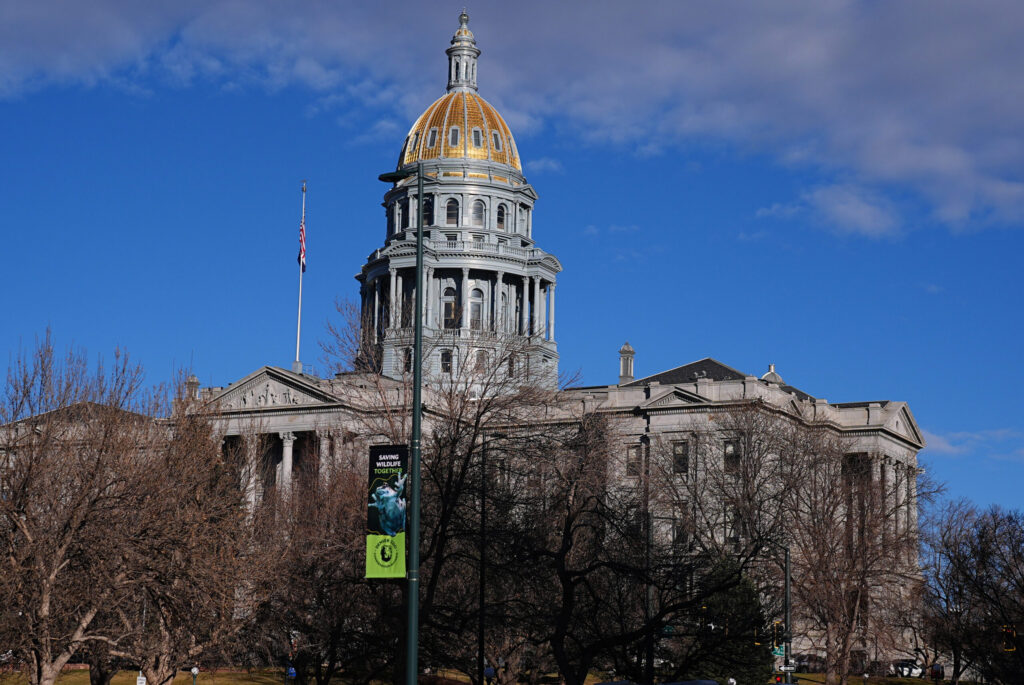
Analysis: Colorado legislators introduce 18 energy bills amid debate over emissions goals
Scott Weiser
scott.weiser@gazette.com
Updated 16 hours ago
Colorado legislators have introduced 18 energy-related bills so far in the 2026 session, with Democrats sponsoring 14 and Republicans four, highlighting the sharp partisan split over how aggressively the state should pursue its greenhouse gas reduction goals while protecting affordability...

Colorado House committee advances bills regulating AI in therapy, insurance decisions
Marissa Ventrelli
marissa.ventrelli@coloradopolitics.com
Updated 17 hours ago
Colorado lawmakers are moving to place guardrails on the growing use of artificial intelligence in mental health care and insurance decisions. The House Health and Human Services Committee on Thursday approved two bills that would limit how therapists and insurers...
PREV
PREVIOUS

Colorado, Metro Denver HBAs shift to new shared management plan, remain separate entities
The Colorado Association of Home Builders and the Home Builders Association of Metro Denver announced Monday that the two groups will move into a shared management agreement beginning in December, although both will remain separate entities with individual boards and executive committees. Both HBAs will be lead by the state group’s CEO, Ted Leighty, who […]

First day of special session deals with COVID-19 relief bills, masks and short tempers
The first day of an expected three-day special session of the Colorado General Assembly set in motion the proposals to deliver aid to Coloradans for rent or mortgages, utility bills and food, as well as aid to small businesses and arts organizations affected by capacity limitations. Legislators on Monday saw the introductions of 22 bills […]