

ELECTION 2020 | DA race in the 18th stays razor-thin among contested races around state
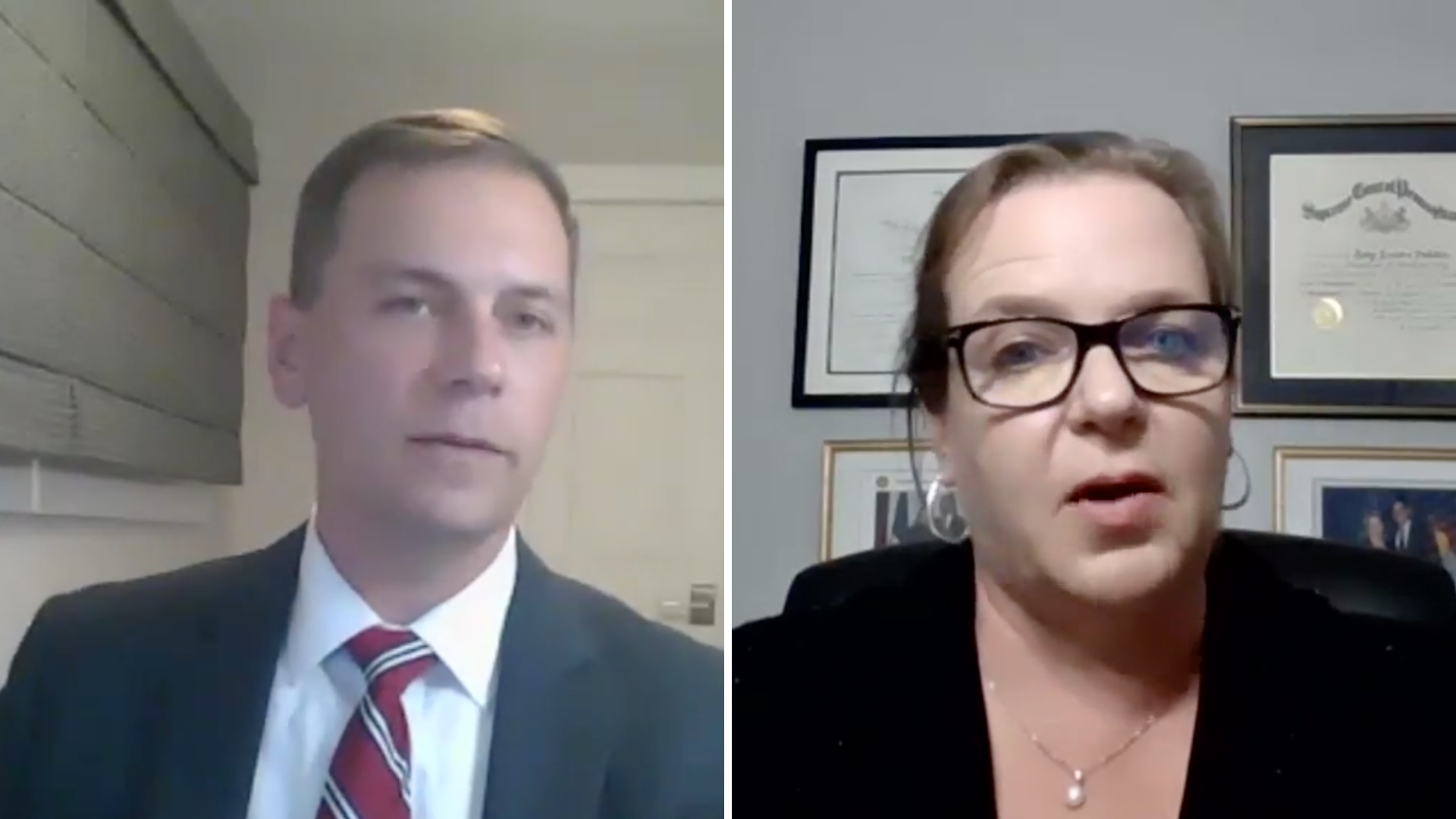
Inching toward 10 p.m. Tuesday night, the margin of Colorado’s most expensive district attorney race hovered at less than one point.
After taking an early lead over her opponent, Republican John Kellner in the 18th Judicial District, Democratic candidate Amy Padden’s edge narrowed to barely over 50% compared to Kellner’s 49.81% as of 9:45 p.m. She has run on a platform of prosecution reform in a district that has tended to elect Republican district attorneys.
The district’s next DA inherits a diverse, heavily populated district. Covering Arapahoe, Douglas, Elbert and Lincoln Counties, the 18th District has about a fifth of Colorado’s total population. Some of the country’s most high-profile crimes of the past few decades have occurred in the district, including the 2012 Aurora theater massacre and last year’s shooting at a STEM school in Highlands Ranch.
In an interview Tuesday evening, Padden said she believes the summer’s attention on fatalities at the hands of police has increased interest in DA elections. She added she believes historically people have tended to view DAs as law-and-order roles and voted conservatively.
“…Given what’s been happening in recent months with George Floyed and Ahmaud Arbery and all these really terrible situations has shed a lot of light on district attorneys’ offices, and how much discretion and power a district attorney has,” she said. “It’s really elevated the reasons that people are interested in these races.”
DA elections run concurrent with presidential elections, and they have historically been down-ballot races that also have to compete for attention with congressional and state legislative contests. But DA elections in Colorado’s bigger judicial districts have attracted increased attention and money in recent cycles. Three candidates for this year’s contest in the 18th District – including unsuccessful Democratic primary candidate Matt Maillaro – raised a combined $636,991.81 and spent $534,662.23 as of Nov. 2.
Out of Colorado’s 22 judicial districts, only seven had contested races this year: The 1st, 2nd, 8th, 11th, 17th and 18th Judicial Districts. In other notable races:
1ST JUDICIAL DISTRICT
Matthew Durkin (R)
- Raised: $95,898.84
- Spent: $100,604.60
- Loans: $12,000
Alexis King (D)
- Raised: $157,734
- Spent: $147,239.74
The tone of Democratic candidate Alexis King’s virtual results watch party was celebratory shortly after 8 p.m. with about 55% of reported votes in her favor. She said while Matthew Durkin had not yet called to concede, she was optimistic.
Both candidates who sought the top spot to replace current DA Pete Weir have worked as prosecutors in the 1st Judicial District, which covers Jefferson and Gilpin Counties.
King spent several years as a deputy district attorney in the jurisdiction. She ran on a reform platform, advocating reducing reliance on traditional punitive prosecution measures. But she has also been described as “a prosecutor’s prosecutor,” suggesting she doesn’t intend to avoid prosecuting serious crimes and recognizing public safety risks.
King picked up endorsements from members of Colorado’s state Democratic caucuses, former Gov. Bill Ritter and U.S. Reps. Ed Perlmutter and Joe Neguse.
“We’re all fighting for a criminal justice system that we can believe in; that everyone feels confident in,” she said. In an interview with the Denver Gazette, she said she has received wisdom to “never underestimate JeffCo’s interest in electing qualified women.
“I think that that holds true here despite the fact that so few women hold district attorney seats throughout Colorado,” King said.
Republican candidate Matthew Durkin is currently a chief deputy DA in the 1st District. He also touted his experience prosecuting homicides in the Colorado Attorney General’s Office. Durkin opposed some types of prosecution reform platforms, such as reducing drug penalties, and emphasized a link between drugs and violent crime.
In an interview with the Denver Gazette before 10 p.m., Durkin said he believed at least 60,000 votes were still outstanding. He said he had not yet spoken with King on Tuesday evening, and it was still too early to consider whether he will keep working in the district should King win.
His endorsements included nods from several current DAs, U.S. House of Representatives candidate Casper Stockham for Colorado’s 7th Congressional District, and the Westminster branch of the Fraternal Order of Police.
8TH JUDICIAL DISTRICT
Mitch Murray (R)
- Raised: $47,467.00
- Spent: $41,577.31
Gordon McLaughlin (D)
- Raised: $65,261.70
- Spent: $35,206.79
By 9:45 p.m. with nearly 194,000 votes counted, Democrat Gordon McLaughlin led with a 54.27% margin compared to Republican Mitch Murray’s 45.73%.
Murray and McLaughlin ran to replace current DA Cliff Riedel, a Republican who is term-limited, in the northern Colorado district that covers Larimer and Jackson Counties. Local news outlets reported the race was the first DA election with a Democratic candidate since 1992.
Murray is an assistant DA in the 8th District, and ran on a platform of tackling violent crime. In an interview with the Coloradoan, he touted his experience forming a Criminal Impact Team focused on special investigations, violent crimes and gun-related offenses. He also said he planned to increase trust in the criminal prosecution system through community outreach and expand adult diversion in the district.
Murray criticized the speed with which Colorado’s legislature passed the policing reform bill in June, saying it would create “unintended consequences and confusion” and “put a target on the back of every officer.”
McLaughlin left his position as a deputy DA in the 8th District in June. He did not mince words about his view that the office doesn’t value diversity or new ideas. In an interview with the Coloradoan, McLaughlin also said he doesn’t believe the district’s criminal prosecution system has served marginalized populations such as LGBTQ people, people of color and homeless people well.
When he left his post in the office, McLaughlin said he wanted to focus on community outreach and engagement.
2ND JUDICIAL DISTRICT
Beth McCann (D)
- Raised: $77,619.44
- Spent: $35,342.52
William F. Robinson III (L)
- Raised: $0
- Spent: $0
Denver’s incumbent DA Beth McCann took an early lead of about 85%. Her Libertarian challenger, who chose not to raise or spend money, had just under 15% of 258,027 reported votes by 9:15 p.m.
In her first term as DA, McCann commissioned a study to determine if racial bias has played a role in prosecutions in the district, though that study has not yet been completed. She also expanded the district’s juvenile diversion program.
McCann has filed charges against law enforcement officers in some cases, though in other instances she has faced scrutiny for not filing charges against officers who killed suspects. She told 9News in June she labored over the decision not to charge Desmond Manning in the death of Alexis Mendez-Perez, who was shot in the back by Manning, an off-duty Department of Corrections officer, as he allegedly fled the scene of a burglary.
McCann and her office have faced their share of small scandals. An investigation found a prosecutor in the district harassed and bullied other employees, and that person eventually resigned. In October, her husband faced several charges of arson for leaving slash piles to burn unattended.
Her Libertarian opponent, William F. Robinson III, is an attorney in Denver. Upon registering for the DA race, he said in an email correspondence with the Secretary of State’s Office he did not plan to raise or spend any money. In an interview with the Denver Post’s editorial board he wanted to create a viable third party in U.S. politics. However, the Post declined to endorse Robinson because of statements he made about recent reframing of the history of conflict between Native Americans and settlers unfairly villainizing white Western settlers.
Colorado Politics Must-Reads:


Trump to attend White House Correspondents’ Dinner for first time as president
Washington Examiner Staff, Washington Examiner
washington.examiner.staff.washington.examiner@gazetteedit.wpenginepowered.com
Updated 2 minutes ago
President Donald Trump announced on Monday that he accepted an invitation to this year’s White House Correspondents’ Dinner. It would mark the first time Trump has attended the dinner, in either term, since he’s been president. Trump announced the decision...

Noem blames ‘violent protesters’ for Minneapolis chaos under tough questioning in Senate hearing
Rebecca Santana
rebecca.santana@associatedpress.com
Updated 14 minutes ago
WASHINGTON (AP) — Homeland Security Secretary Kristi Noem testified in the Senate on Tuesday in her first congressional appearance since the shooting deaths of two protesters in Minneapolis galvanized widespread opposition to how the Trump administration was executing its mass...

The real impact of regulations on businesses, employees and Colorado’s way of life | OPINION
Colorado Politics
colorado-politics@coloradopolitics.com
Updated 2 hours ago
By Loren Furman and Steve Swinney Every day in Colorado, business owners are faced with decisions most people never see, shaped by rising costs and a regulatory environment that has grown more complex over time. Those choices eventually reveal themselves...
Should we have recall votes for all Colorado elected officials? | Hal Bidlack
Hal Bidlack
hal-bidlack@coloradopolitics.com
Updated 10 hours ago
As I write this on the Sunday before you read it, we’ve just learned of the first American casualties of our, what — war? conflict? attack? — on Iran. The Supreme Leader of Iran, for the past 36 years or...
Colorado legislature should not reverse lottery modernization | OPINION
Colorado Politics
colorado-politics@coloradopolitics.com
Updated 10 hours ago
By Bill Clayton Four years ago, the Colorado General Assembly passed bipartisan legislation to modernize the state’s lottery system and strengthen funding for Colorado’s outdoor projects and open spaces. Lawmakers recognized a simple reality: consumer behavior has evolved. Most Coloradans...
Judge rejects motion in lawsuit against Palmer Lake mayor: ‘Weird situation’
Savannah Eller
savannah-eller@coloradopolitics.com
Updated 1 hour ago
An El Paso County District Court has denied a request to freeze Dennis Stern’s role as mayor in Palmer Lake, calling the motion an overreach of judicial authority. In the denial, Judge David Prince said that a court interfering in...
Primary rival sues to prevent Democrat Eileen Laubacher from going through assembly in Colorado’s 4th CD
Ernest Luning
ernest.luning@coloradopolitics.com
Updated 2 hours ago
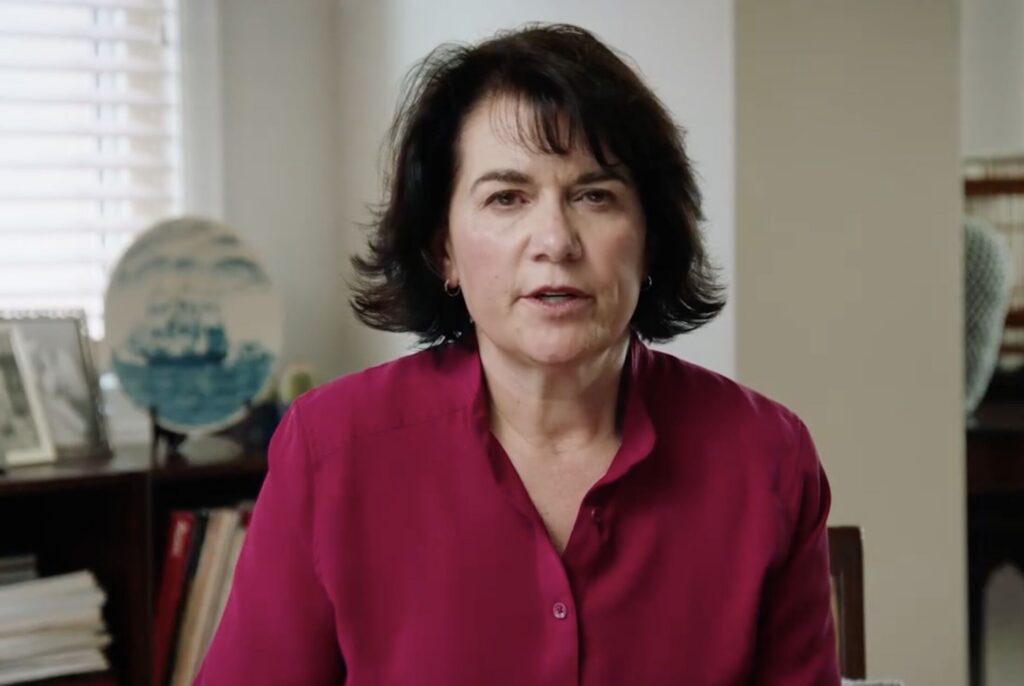
Democratic congressional candidate Trish Calvarese on Monday asked a judge to prevent one of her primary rivals, Eileen Laubacher, from participating in the caucus and assembly process to seek the nomination to challenge Republican U.S. Rep. Lauren Boebert in Colorado’s...
Colorado lawmakers tackle legislation on sexual assault
Jenny Deam
jenny-deam@coloradopolitics.com
Updated 5 hours ago
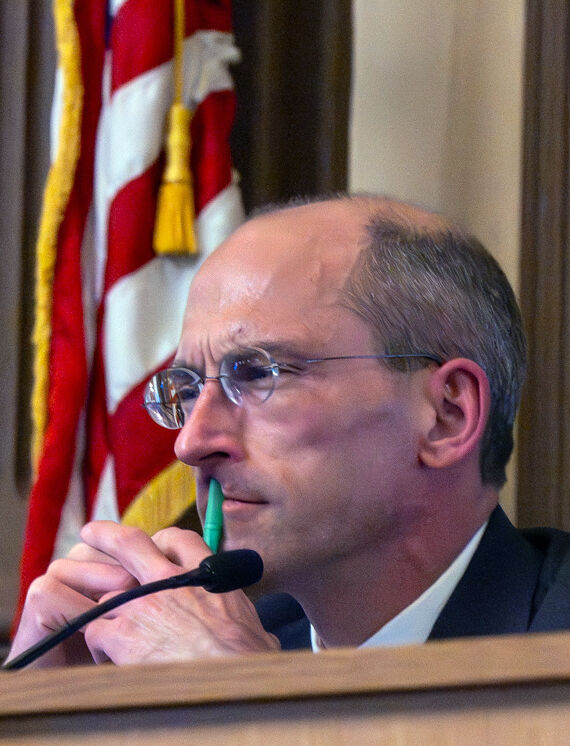
A panel of Colorado lawmakers on Monday unanimously approved a bill that supporters say will offer protections and support to victims of domestic violence, stalking, sex trafficking and sexual assault, including mandatory training for law enforcement on trauma. The measure,...
Denver adopts face mask ban for law enforcement
Deborah Grigsby
deborah.smith@denvergazette.com
Updated 2 hours ago
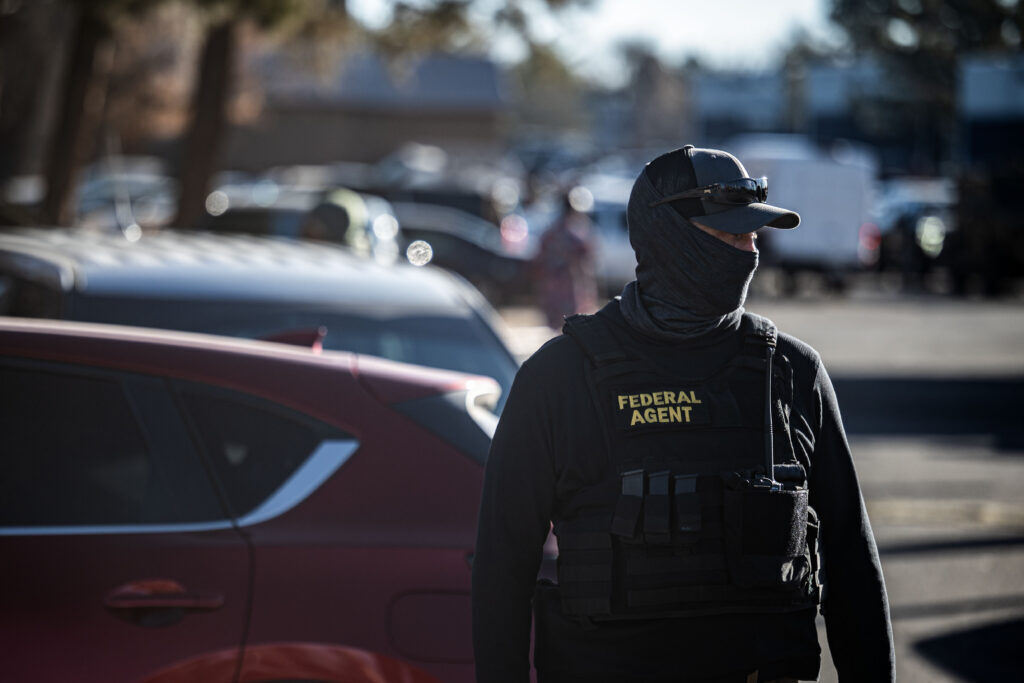
Members of the Denver City Council unanimously approved an ordinance Monday that prohibits law enforcement officers, including federal immigration agents, from wearing a mask or face covering while interrogating, detaining, or arresting an individual within Denver, including in city-owned buildings....

More than 20 Colorado counties receive grants to improve land record-keeping systems
Maren Prince
maren.prince@denvergazette.com
Updated 2 hours ago
More than 20 Colorado counties received $2.5 million to improve their land record-keeping systems, according to a Monday news release. The State’s Electronic Recording Technology Board awarded 22 counties with grants ranging from $5,000 to $350,000, according to the release....