

Court: Threats against Fort Collins park ranger not political speech
The Colorado Court of Appeals has determined a man’s threats against a park ranger were not political commentary protected under the First Amendment, and upheld his felony conviction.
“William Montgomery disagreed with the government. He believed the government was treating homeless people unfairly, violating their constitutional rights, and ticketing them in a manner that was illegal,” said Erin Wigglesworth, the defendant’s attorney, to the panel of appellate judges. “The question is when a disagreement with the government does become a crime.”
On Aug. 4, 2015, Fort Collins park ranger Michael West was patrolling Soft Gold Park when he noticed a vehicle in the parking lot without proper license plates. He called to two men in a nearby shelter, asking if they knew about the vehicle. This initiated a confrontation with one of them, Montgomery, that culminated in the ranger taking a photo of Montgomery and Montgomery calling police to report harassment.
The following month, West and two other officers encountered Montgomery and his brother again, camping less than a mile away in the wooded area of a different city park. Although the other officers handled the interaction, at one point Montgomery turned to West and said, “You can quit your job and probably save your life.”
The hostile attitude toward West continued when Montgomery told a Fort Collins police sergeant two weeks later than West was “digging himself a grave in the forest right now because he can’t stop himself.” The sergeant interpreted the remark as an implication about West’s safety.
Although West’s supervisors instructed him to avoid all contact with Montgomery without others present, Montgomery ran in front of West’s truck in Lee Martinez Park on Sept. 30, 2015. He refused to let West leave. When backup officers arrived, they arrested Montgomery for the crime of attempting to influence a public servant.
“Of course, yes, the intent to alter the outcome of his job is there,” Montgomery testified at his trial, adding, “Ultimately, I would love to see him stop writing tickets.”
A Larimer County district judge found him guilty and Montgomery appealed, arguing his statements were free speech under the First Amendment. Colorado law deems it a felony to threaten violence against a public servant “with the intent thereby to alter or affect the public servant’s decision.” Although a conviction does not necessarily rely on a change in the public employee’s actions, West did alter his behavior to avoid giving tickets to Montgomery.
“You can’t threaten government officials for doing their jobs. You can’t say ‘stop doing your job, or you’re gonna lose your life,’ ” said Kevin McReynolds, representing the attorney general’s office at oral argument. “That is criminal conduct.”
The Court of Appeals panel evaluated whether a reasonable person would have interpreted Montgomery’s words as seriously expressing a violent intent. The judges decided in the affirmative.
“Montgomery admitted he was angry at West during the August 4 interaction. He conceded he was trying to carry out a citizen’s arrest of West on multiple occasions,” wrote Judge Jaclyn Casey Brown for the three-member panel. “And, the morbid gestures like digging a grave were recorded on video. While it is true that aggressive behavior does not automatically make a statement a true threat, it is nonetheless a relevant factor to consider.”
Furthermore, the appellate panel noted that West, who had been in law enforcement for more than 30 years, took the grave-digging comment as a serious threat to him. The concern of other officers and supervisors attested to the perception of a genuine danger.
That comment, claimed Wigglesworth at oral argument, was “in the context of a large political statement,” in which Montgomery warned “there are some constitutional claims and lawsuits that will be coming for” the officers.
“Wasn’t that digging-the-grave comment, though, made specifically with reference to Ranger West, as opposed to general police policies or general law enforcement?” asked Judge Rebecca R. Freyre.
Wigglesworth admitted it was, but maintained the comment was not a threat of violence under the crime of influencing a public servant.
While the district court judge did not believe Montgomery literally wanted to kill West and bury him in a grave, the appeals judges also did not think Montgomery’s statements deserved protection because he was reportedly attempting to make a point about the unfairness of anti-homeless camping laws.
“When the balance of the contextual factors establishes that the statement is a true threat, one may not escape liability simply by weaving it into a legitimate conversation about policy change,” Brown wrote.
The case is People v. Montgomery.
Colorado Politics Must-Reads:

Who are the 3 finalists for the Colorado Supreme Court?
Michael Karlik
michael.karlik@coloradopolitics.com
Updated 5 hours ago
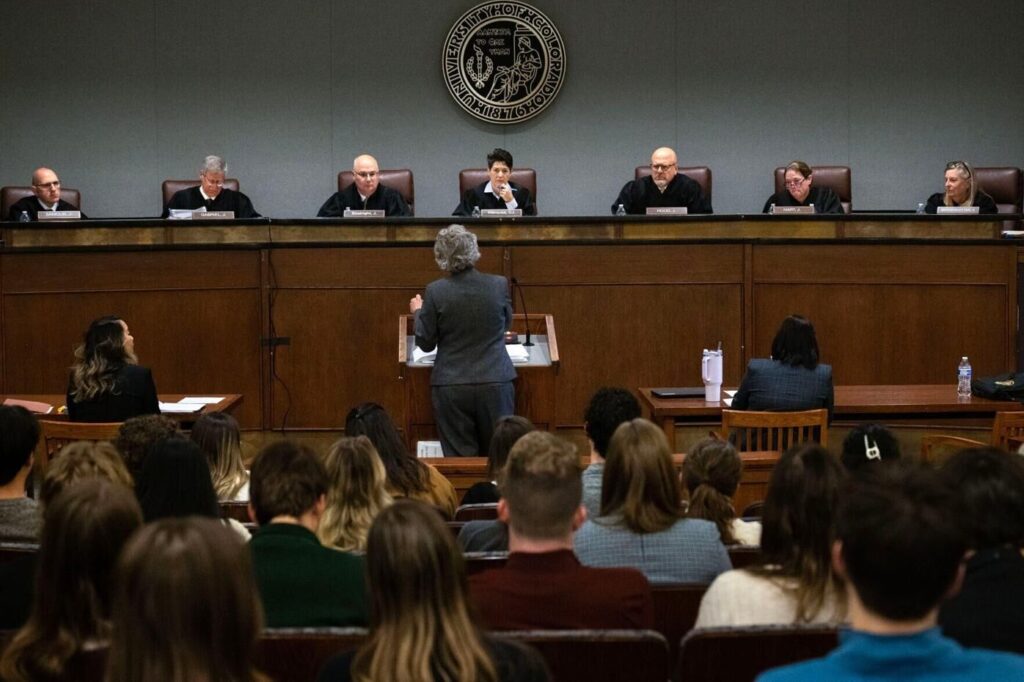
A citizen-led nominating commission has chosen the finalists for a vacancy on the Colorado Supreme Court, the first opening in five years on the seven-member court. The vacancy arose after the unexpected resignation of Justice Melissa Hart, who formally departed...
Christopher Zenisek, trial judge experienced with high-profile cases | SUPREME COURT FINALISTS
Michael Karlik
michael.karlik@coloradopolitics.com
Updated 5 hours ago
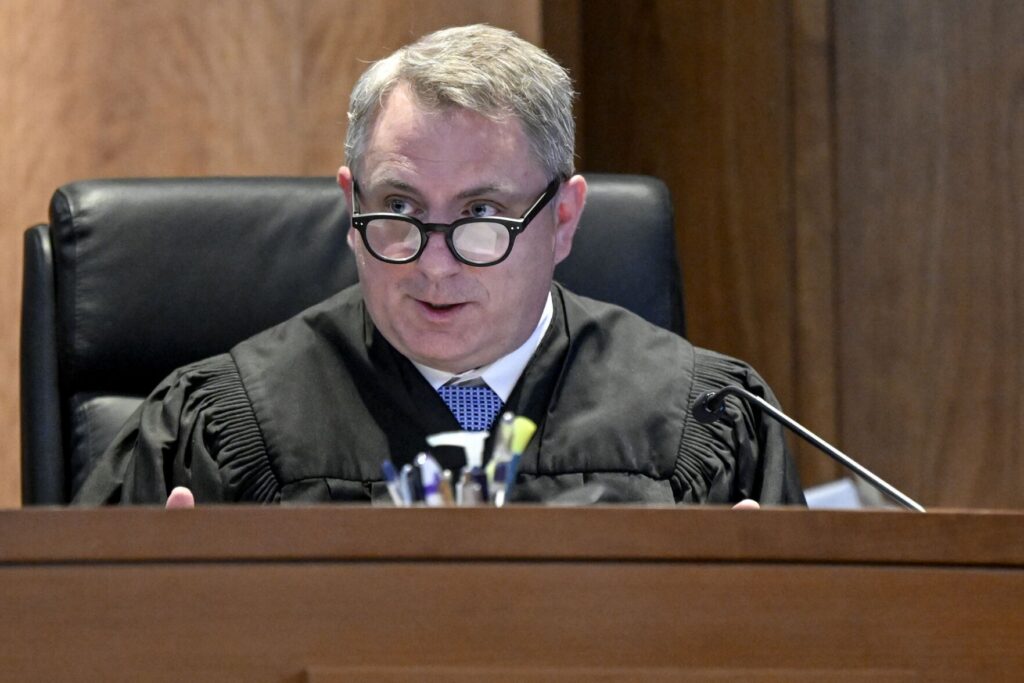
After the Marshall fire burned through Boulder County in the final days of 2021 and wound up destroying more than 1,000 homes, the sprawling 4,000-plaintiff litigation was assigned to District Court Judge Christopher Zenisek of Jefferson County. Zenisek would go...
Andrea Wang, water and energy expert | SUPREME COURT FINALISTS
Michael Karlik
michael.karlik@coloradopolitics.com
Updated 5 hours ago
When the late Chief Justice Mary Mullarkey authored a 2002 opinion in the complex and long-running Taylor Ranch case involving landowners’ claims to access a 77,000-acre tract in the San Luis Valley, she worked with her law clerk, Andrea S....
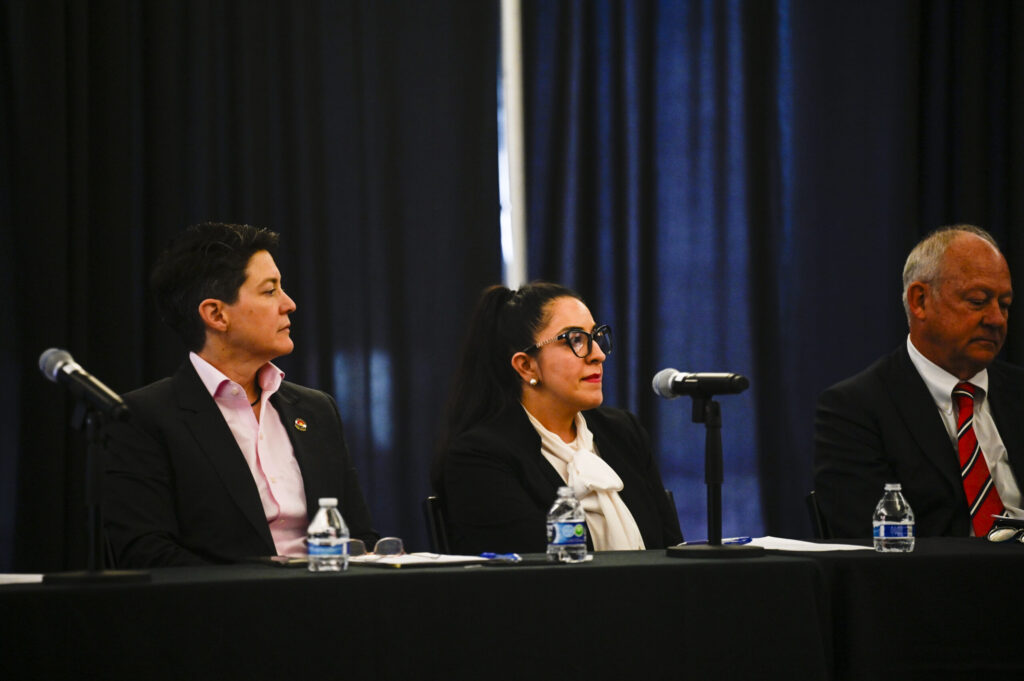
Susan Blanco, innovator in the judiciary | SUPREME COURT FINALISTS
Michael Karlik
michael.karlik@coloradopolitics.com
Updated 5 hours ago
Less than 24 hours after her selection as a finalist for a Colorado Supreme Court vacancy, Chief Judge Susan Blanco was back on the bench in Fort Collins, moving methodically through the variety of complications she encountered. “Your goatee might...
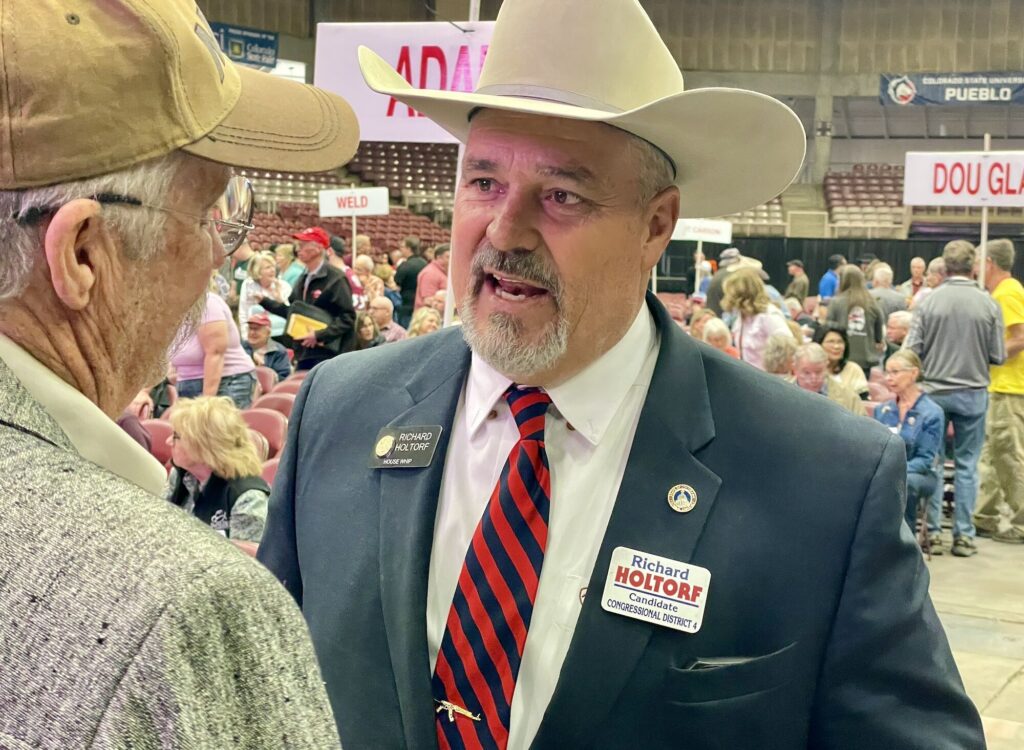
Colorado GOP vice chair Richard Holtorf resigns, says it’s ‘impossible’ to work with chair Brita Horn
Ernest Luning
ernest.luning@coloradopolitics.com
Updated 3 hours ago
Colorado Republican Party Vice Chair Richard Holtorf notified GOP officials on Tuesday that he will step down from the party position at the end of the month, citing his inability to work with state chair Brita Horn. Holtorf, a third-generation...

Daniels Fund awards $450K to three outstanding organizations | NONPROFIT REGISTER
Joanne Davidson Special to Colorado Politics
joanne-davidson-special-to-colorado-politics@coloradopolitics.com
Updated 7 hours ago
You know the old saying about how it’s an honor just to be nominated? In the case of the Daniels Fund and its annual $250,000 Medal of Excellence Award, it wasn’t just an honor to be considered; it was also quite profitable. ...
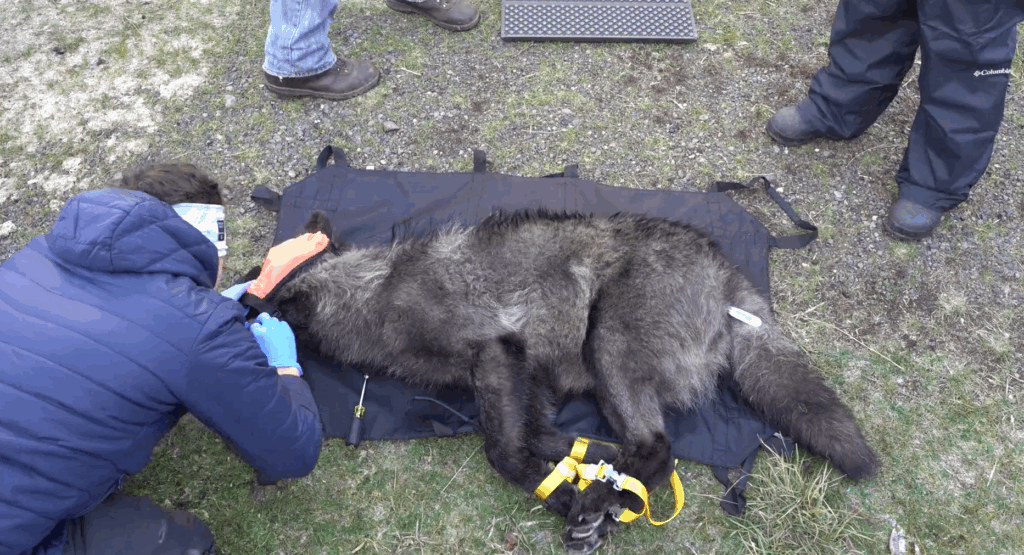
14th wolf dies in northwest Colorado
Marianne Goodland
marianne.goodland@coloradopolitics.com
Updated 1 day ago
The 14th wolf to die in Colorado since their reintroduction about two years ago took place during a “collaring” operation in the northwestern region of the state last week. Colorado Parks and Wildlife said the wolf, identified as #2305 —...

Colorado joins lawsuit against Trump energy emergency order
Scott Weiser
scott.weiser@gazette.com
Updated 6 hours ago
Colorado Attorney General Phil Weiser joined a multistate lawsuit challenging an executive order invoking the National Emergencies Act that President Donald Trump issued on the day of his inauguration. The order fast-tracks fossil fuel projects by bypassing or shortening environmental...

Colorado’s federal judges slash motions backlog to lowest in years
Michael Karlik
michael.karlik@coloradopolitics.com
Updated 1 day ago
Colorado’s federal trial judges collectively had 37 motions in civil cases that had been sitting on their dockets for at least six months without a ruling, as of Sept. 30. That is the smallest backlog the state’s U.S. District Court...
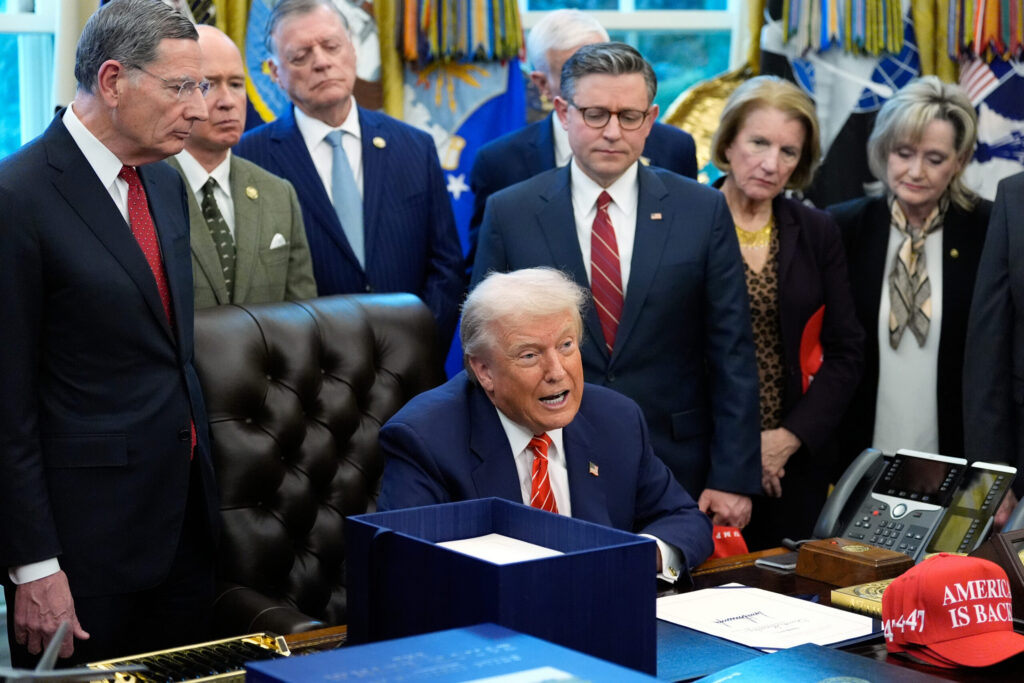
Colorado delegation splits in House vote to end federal government shutdown
Ernest Luning
ernest.luning@coloradopolitics.com
Updated 1 day ago
Colorado’s U.S. House members divided mostly along party lines Tuesday in separate votes on a funding deal to end the federal government’s partial shutdown, while giving Congress more time to negotiate long-term funding for the Department of Homeland Security. Lawmakers...
PREV
PREVIOUS

Trump signs Olympics reform legislation from Gardner, DeGette
President Donald Trump signed into law on Friday a bill backed by U.S. Sen. Cory Gardner and U.S. Rep. Diana DeGette that would establish safeguards against sexual abuse in U.S. Olympic and Paralympic sports, and also create a commission to review the operations of the U.S. Olympic and Paralympic Committee. The legislation was a response […]

Colorado child care centers see rise in COVID-19 outbreaks as cases increase across metro area
The rate of COVID-19 outbreaks in Colorado child care centers more than tripled in October, prompting reminders from the state about key health and safety precautions. State officials tallied around three dozen outbreaks in child care programs in October, compared with 10 in September. There were a dozen outbreaks Denver, with smaller numbers in Adams, […]