

Officials warn of wildlife collisions following end of daylight saving time
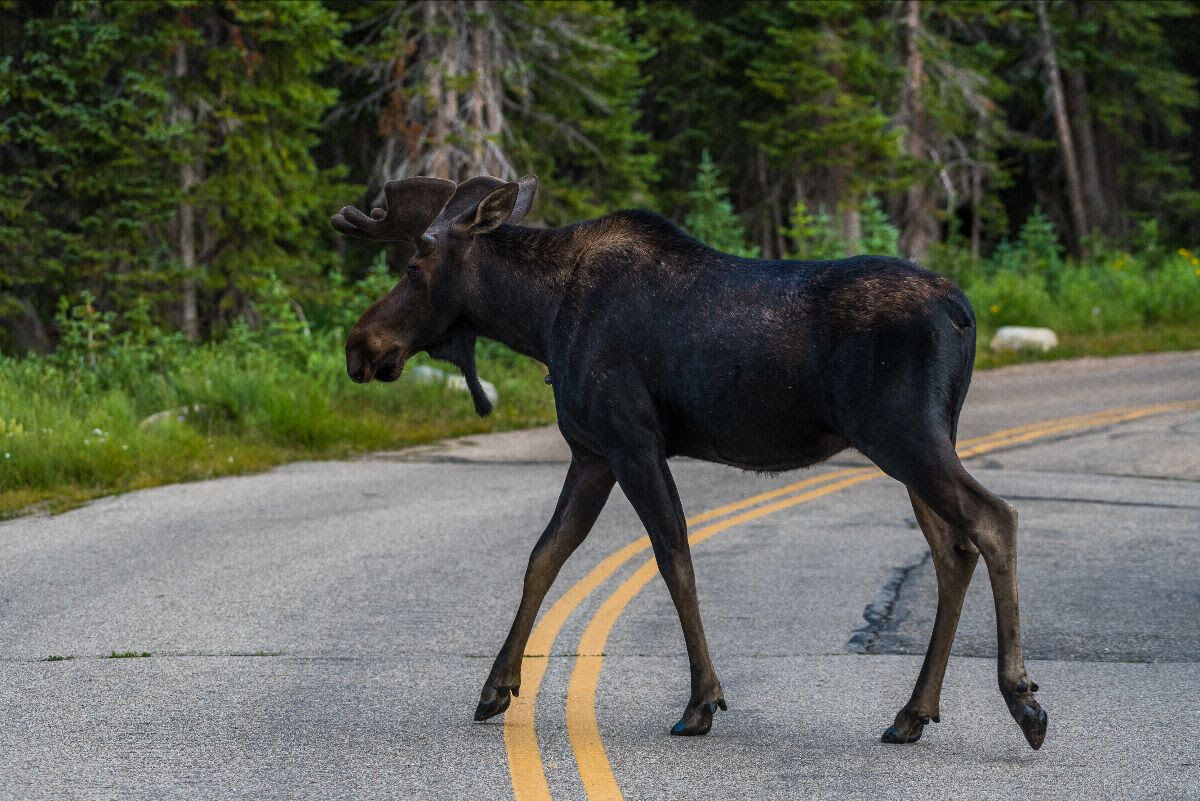
Daylight saving time ends Sunday and Colorado Parks and Wildlife is warning residents to beware of wildlife-vehicle collisions caused by the new driving conditions.
When Coloradans set their clocks back an hour, they will see dusk earlier in their commute and see more wild animals migrating during rush hour traffic.
CPW said motorists should drive slower and with more caution during the transition.
“We all want to move around safely, humans and wildlife alike,” said Devin Duval, district wildlife manager. “With colder weather, big game species are moving to lower ground, which is where most of the state’s roads and communities are found.”
Autumn is peak season for mating and migration in many species and recent snowstorms have pushed even more wildlife from high country into lower elevations, CPW said.
To decrease wildlife-vehicle collisions, CPW partnered with the Colorado Department of Transportation to construct migration structures that let wildlife cross highways, like the 2016 Colorado Highway 9 Wildlife Crossing Project.
However, drivers still must do their part to prevent these collisions.
Around 4,000 wildlife-vehicle collisions are reported every year in Colorado, according to CDOT.
“Big game like deer, elk and moose are making their way to the terrain where they can more easily find food and water,” said Jeff Peterson, CDOT wildlife program manager. “The seasonal movements of these animals can cause increased wildlife-vehicle collisions if drivers are unaware more wildlife is on or near the roadways.”
CPW and CDOT ask drivers to slow down, stay alert, obey traffic signs, wear seat belts and watch for movement along roadsides.
Colorado Politics Must-Reads:


Democratic group aims Spanish-language TV ad at Gabe Evans in Colorado’s battleground 8th CD
Ernest Luning
ernest.luning@coloradopolitics.com
Updated 3 hours ago
A national group tied to House Democratic leadership launched a six-figure Spanish-language TV ad in Colorado this week targeting Republican U.S. Rep. Gabe Evans and the GOP’s signature budget legislation. The 30-second spot is part of $15 million in new...
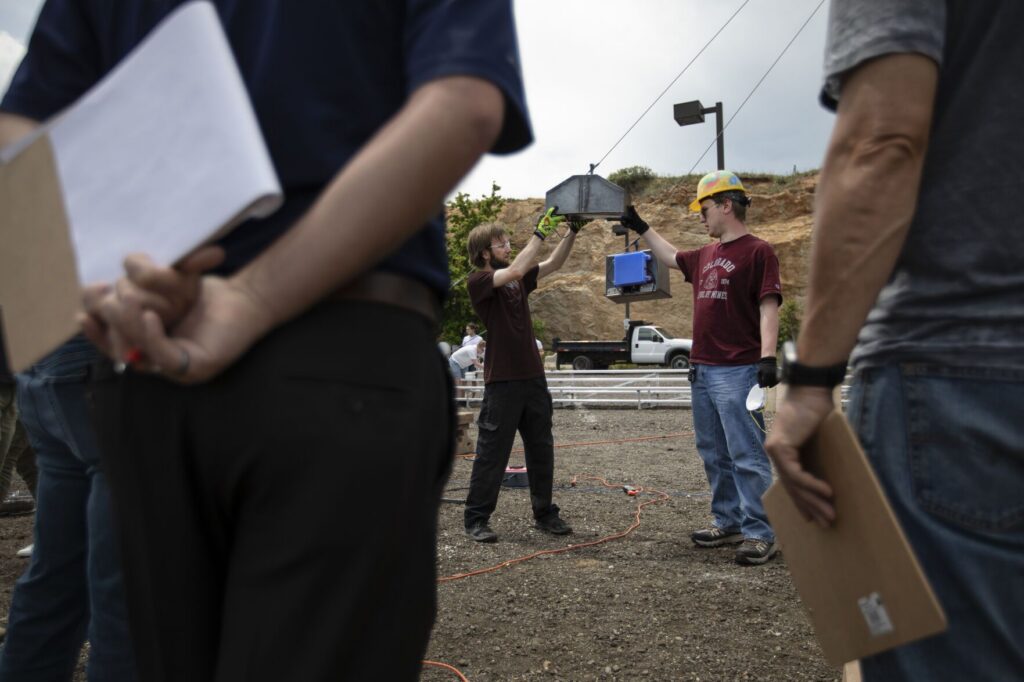
Colorado School of Mines lands major share in Trump’s $100M mining-education plan
Thelma Grimes
thelma.grimes@coloradopolitics.com
Updated 5 hours ago
President Donald Trump on Friday named the Colorado School of Mines among roughly a dozen institutions that will share in a $100 million commitment “to train the next generation of American miners.” Paul Johnson, the university’s president, said he is...
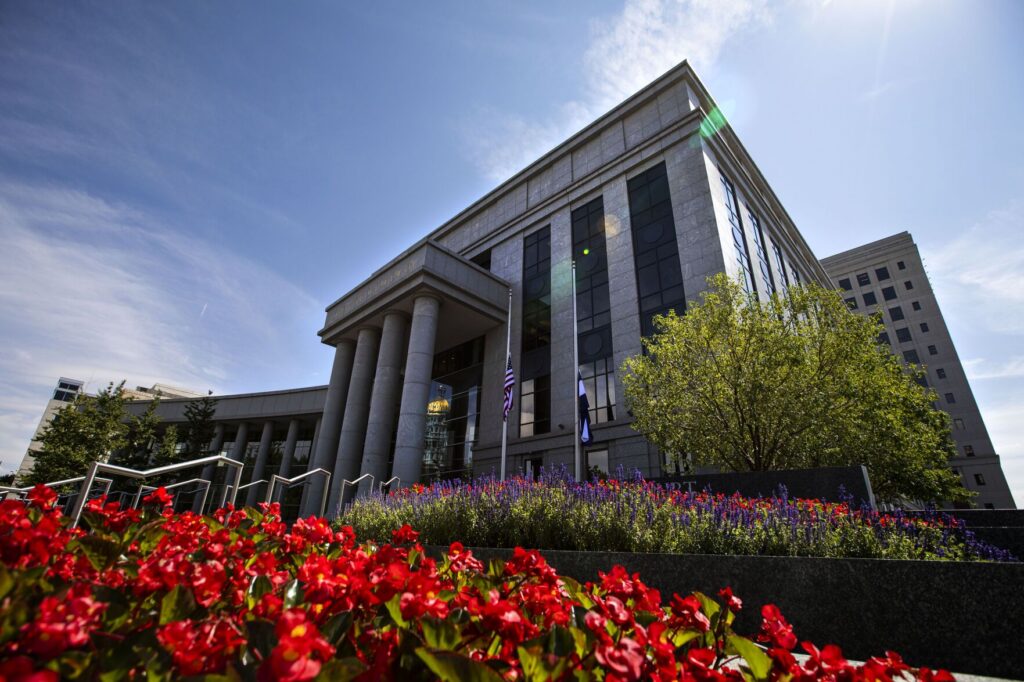
Local party leaders, incoming judge among members of judicial performance commission that violated law
Michael Karlik
michael.karlik@coloradopolitics.com
Updated 5 hours ago
A local Democratic leader and 2024 presidential elector. A legislative aide and leader in the Young Republicans. An incoming county court judge freshly appointed by the governor. They are among the eight members of the northeastern Colorado judicial performance commission...
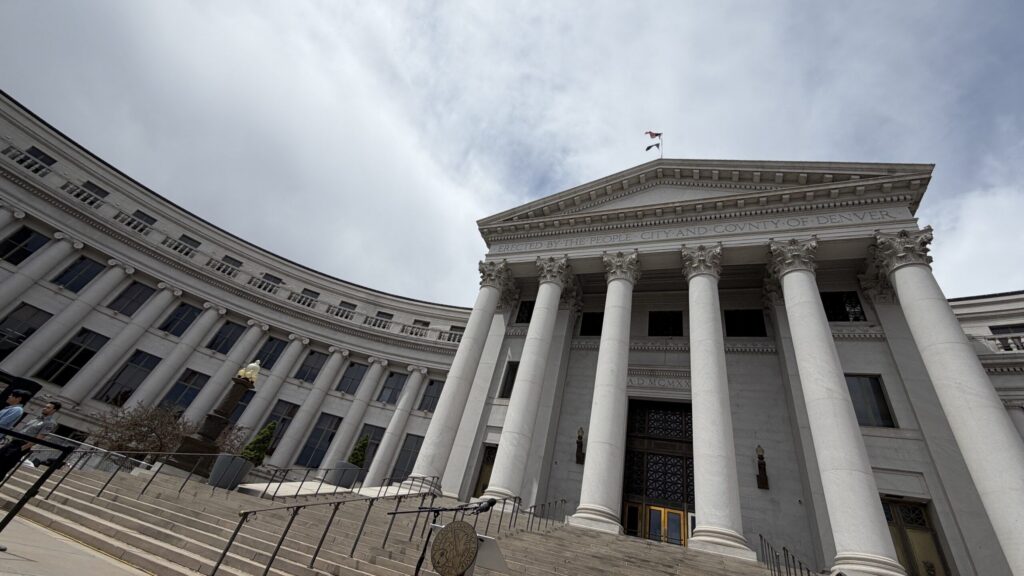
Judge dismisses lawsuit seeking records from Colorado Democratic group
Marianne Goodland
marianne.goodland@coloradopolitics.com
Updated 6 hours ago
A lawsuit seeking to obtain records from Democratic lawmakers affiliated with a caucus has been thrown out by a Denver District Court judge. On July 17, Judge Ericka Englert dismissed the April lawsuit filed by progressive activist Derrick Blanton, who...

DOJ official decries ‘nonsense’ in Jeffco schools at fundraising gala
Matt Kyle
matt.kyle@denvergazette.com
Updated 10 hours ago
Amid a legal battle between Jeffco Public Schools and the federal government, a Department of Justice official spoke at a fundraising gala and decried “crazy stuff” and “nonsense” in the school district. The gala was for Jeffco Kids First, an...
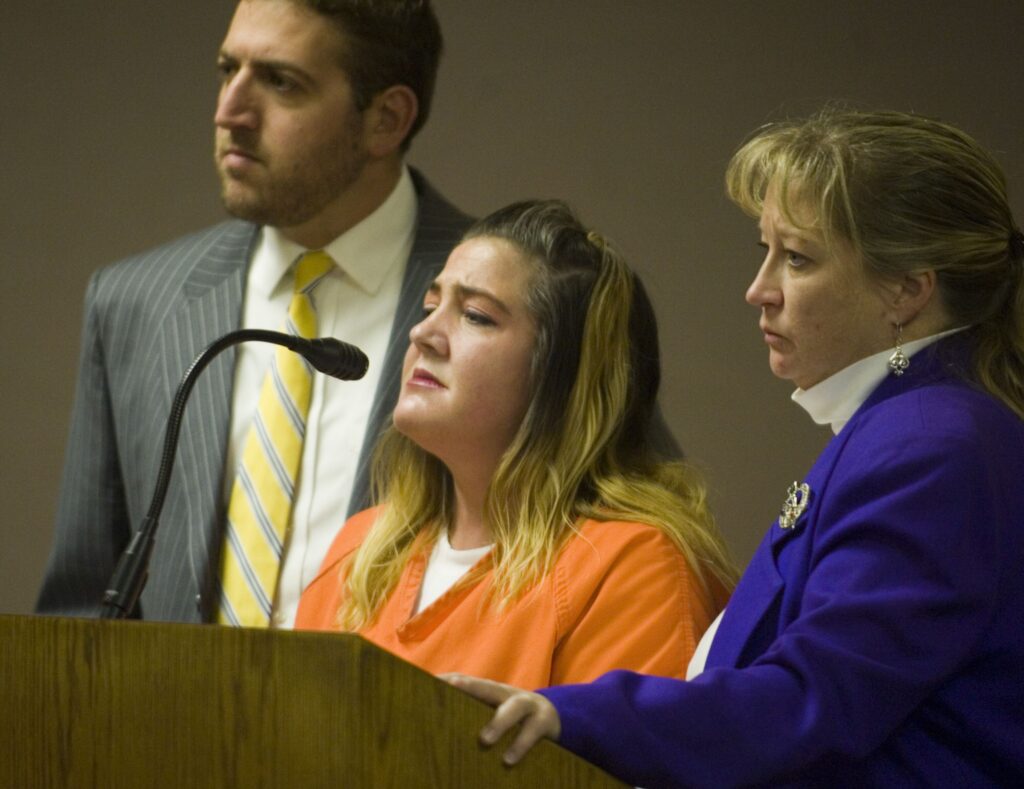
Colorado Springs mother Deborah Nicholls’ murder conviction overturned
Nick Smith
nick-smith@coloradopolitics.com
Updated 1 day ago
A Colorado Springs mother convicted in 2008 of murdering her three children in a house fire might get a new trial after a judge ruled that prosecutors withheld key evidence that could have impacted the jury’s verdict. Deborah Nicholls, whose...

Aurora Community College student journalist accuses college of ‘unconstitutional gag order’
Kyla Pearce
kyla.pearce@gazette.com
Updated 13 hours ago
An Aurora Community College student is accusing the college of putting an “unconstitutional gag order” on his student-run publication, saying the college banned it from publishing until students jumped through “countless bureaucratic hoops.” A college spokesperson said the college is...
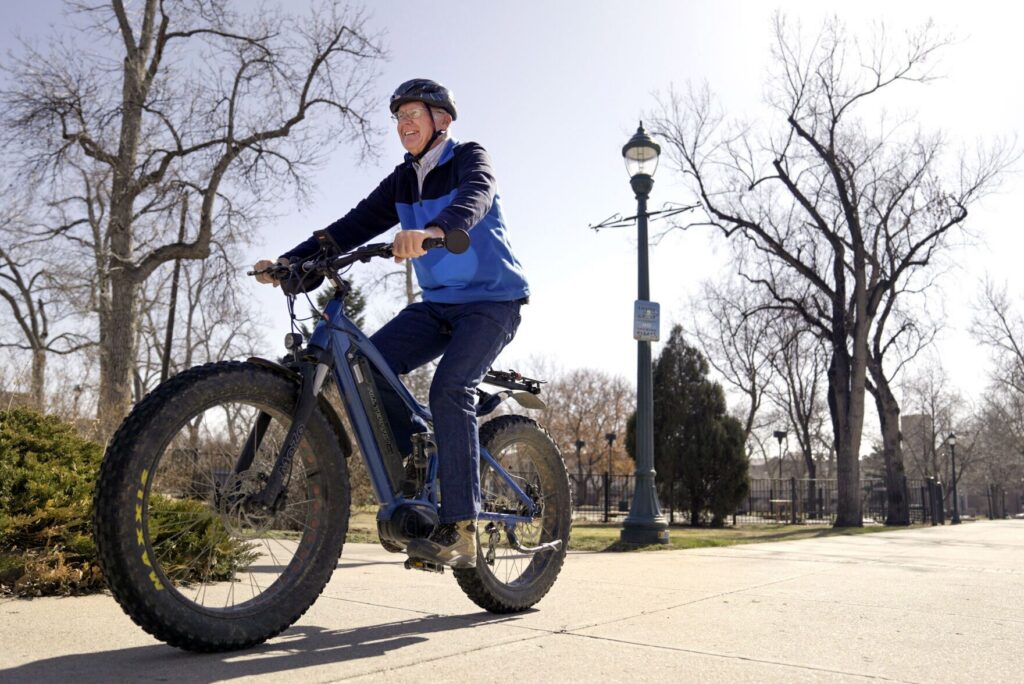
Polis administration relaunches Colorado e-bike rebates with $3 million
Scott Weiser
scott.weiser@gazette.com
Updated 7 hours ago
Gov. Jared Polis and the Colorado Energy Office announced Thursday the return of the state’s popular e-bike rebate program, with registration set to open later this month. The office plans to provide point-of-sale rebates totaling $3 million from the Community...
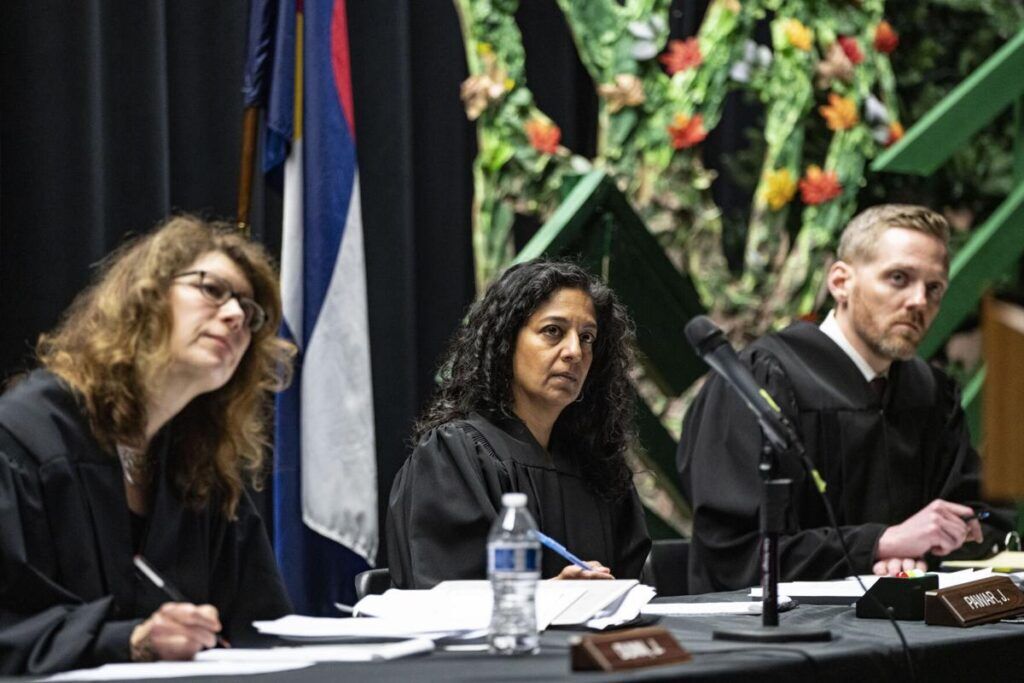
Colorado court overturns illegal $7,000 restitution order
Michael Karlik
michael.karlik@coloradopolitics.com
Updated 1 hour ago
Colorado’s second-highest court overturned a Weld County defendant’s obligation to pay more than $7,000 in crime victim restitution on Thursday because a trial judge failed to issue a legally compliant restitution order at the time of sentencing. In Colorado, as...
Appeals court rejects former DougCo commissioner’s legal fee claim
Nicholas Fogleman
nicholas.fogleman@denvergazette.com
Updated 13 hours ago
The Colorado Court of Appeals rejected a former Douglas County commissioner’s bid for reimbursement of attorney fees she incurred while responding to multiple investigations into her conduct. The dispute stemmed from a 2019 anonymous letter sent to county officials alleging...
PREV
PREVIOUS

A LOOK BACK | GOP U.S. Senate campaign bombed by fortune cookies
A weekly dive into the pages of Colorado Politics’ predecessor, The Colorado Statesman, which started in 1898: Forty Years Ago This Week: While U.S. Senate candidate Mary Estill Buchanan’s campaign was suffering significant money woes, more drama played out for the campaign before a scheduled luncheon at Denver’s Wellshire Inn where Republican Kansas U.S. Sen. […]

BARTELS | Tumbling through the last spins of the election cycle
We might not know on election night whether President Donald Trump won his re-election bid or if former Vice President Joe Biden returns to the White House, but with any luck this election cycle is winding down. Cable TV brought the advent of the 24-hour news cycle and with it the permanent campaign. But this […]