

Denver, police union declare a deadlock in contract negotiations

The City and County of Denver and the Denver Police Protective Association announced they have reached a deadlock in negotiations for a collective bargaining agreement for Denver police officers.
Representatives of Denver and the DPPA began negotiations June 30 and declared an impasse Oct. 16, according to a Thursday news release.
Binding arbitration on subjects unresolved in negotiations is the next step for the sides, during which Denver and the DPPA have to continue good-faith negotiation efforts.
Officers can’t strike or slow down work.
In September, the Denver City Council voted down by an 8-5 margin a collective bargaining contract agreed on by the union and Mayor Michael Hancock’s administration, Colorado Politics reported.
The rejection of the two-year agreement was based on a provision giving police officers a 2.77% pay increase in 2022, given that other city employees have been required to take furlough days this year and have not been promised future pay raises.
Council members also objected to their exclusion from the negotiation process, according to Colorado Politics.
The agreement rejected by City Council would have suspended salary increases in 2021, freeze pay for 10 holidays and reduce Denver’s contribution to the Denver police Retiree Health Fund by $360,000 in an effort to save nearly $5 million next year.
Hancock’s office declined to comment on the declared impasse in negotiations.
According to the Denver City Charter, Denver and the DPPA are required to negotiate terms such as officers’ compensation, fringe benefits including holidays and leave, and hours in a workweek.
They can also negotiate terms if both parties agree to such as pensions, off-duty employment and testing for drugs and alcohol.
The charter requires an arbitrator is chosen from a permanent panel whose members are selected by City Council and serve six-year terms.
After holding a hearing within 25 days after the arbitrator’s selection, and considering briefs the parties submit if they choose, the arbitrator makes a written decision about terms for the collective bargaining agreement.
The arbitrator chooses between final offers Denver and the DPPA have submitted on terms they could not agree on.
The court system has limited ability to review binding arbitration decisions.
According to the city charter, some limited circumstances allowing appeal in district court include if the arbitrator’s decision have been influenced by fraud or corruption, if it is arbitrary and capricious or if their award is not a final offer made by Denver or the DPPA.
The court would not make its own decision about the terms to go into the collective bargaining agreement, but would vacate the arbitrator’s decision and require the issues go to a different arbitrator.

Not-so-public comment in Douglas County | Paula Noonan
Paula Noonan
paula-noonan@coloradopolitics.com
Updated 3 hours ago
Let’s do some high and low history. First, the high history. England’s King George III didn’t like the complaining he heard from the American colonies, so he went to war to shut the people up. President Donald Trump doesn’t like...

Why Colorado should stop charging swipe fees on sales taxes | OPINION
Colorado Politics
colorado-politics@coloradopolitics.com
Updated 3 hours ago
By William Lindstedt, Iman Jodeh, Julie McCluskie and Monica Duran Small businesses across Colorado are working harder than ever right now to keep their doors open, hire local workers and serve their communities. But every day, they are forced to...

Colorado can be a gamechanger in regulating GLP-1 weight loss drugs | OPINION
Colorado Politics
colorado-politics@coloradopolitics.com
Updated 3 hours ago
By Nancy Glick “As goes California, so goes the nation” is a phrase reflecting California’s reputation as a bellwether in setting regulations that often become a precedent for national policy. Now, Colorado can play this role, setting new safety standards...
Colorado can be a gamechanger in regulating GLP-1 weight loss drugs | OPINION
Colorado Politics
colorado-politics@coloradopolitics.com
Updated 3 hours ago
By Nancy Glick “As goes California, so goes the nation” is a phrase reflecting California’s reputation as a bellwether in setting regulations that often become a precedent for national policy. Now, Colorado can play this role, setting new safety standards...

Denver police chief on mask ban, mayor’s orders: ‘What enforcement looks like, I’m not exactly sure’
Deborah Grigsby
deborah.smith@denvergazette.com
Updated 6 hours ago
Denver bans wearing of face masks by law enforcers, use of city property to stage immigration operations As Denver takes steps to restrict federal agents conducting immigration enforcement in the Mile High City, its police chief said he is unclear...
Colorado lawmakers move to curb eminent domain powers after Xcel dispute
Marissa Ventrelli
marissa.ventrelli@coloradopolitics.com
Updated 11 hours ago
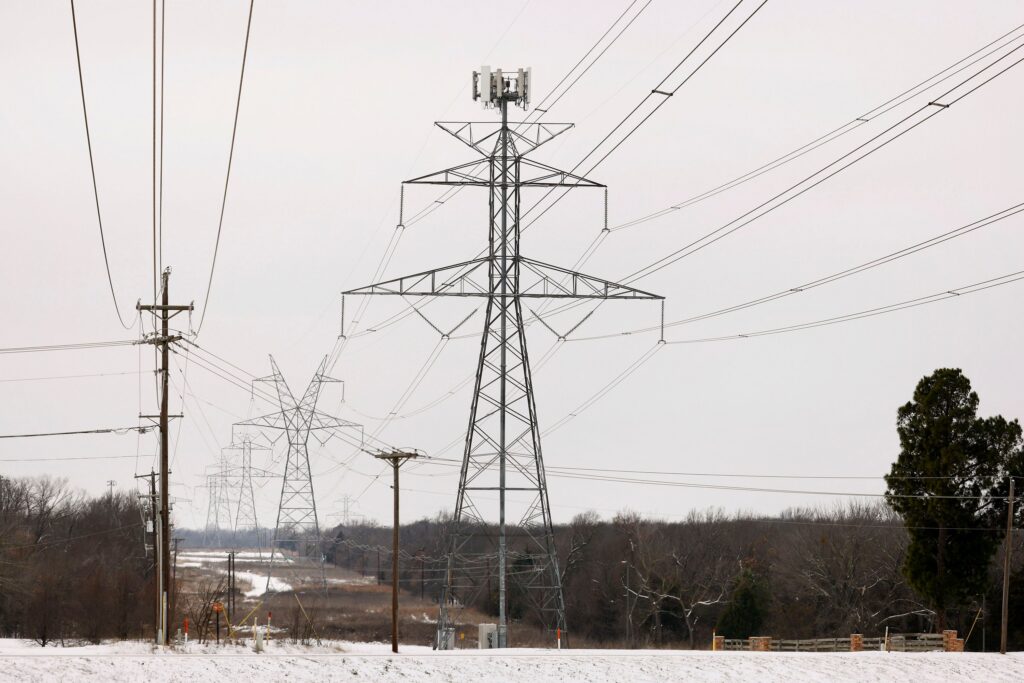
After months of backlash over Xcel Energy’s use of eminent domain in eastern Colorado, lawmakers representing Elbert and El Paso counties are advancing legislation that would bar utilities from initiating property takings until they’ve secured state approval and all required...

As parents claim some AI chatbots encourage teen suicide, Colorado legislators eye regulation
Marissa Ventrelli
marissa.ventrelli@coloradopolitics.com
Updated 8 hours ago
Juliana Peralta of Thornton was a vibrant, happy kid, said her mom, Cynthia Montoya. Then, in the final months of 2023, Cynthia began to notice a change in her 13-year-old daughter. Peralta had become more withdrawn and was on her...
Trump to attend dignified transfer of six US service members killed by Iran
Christian Datoc, Washington Examiner
christian.datoc.washington.examiner@gazetteedit.wpenginepowered.com
Updated 10 hours ago
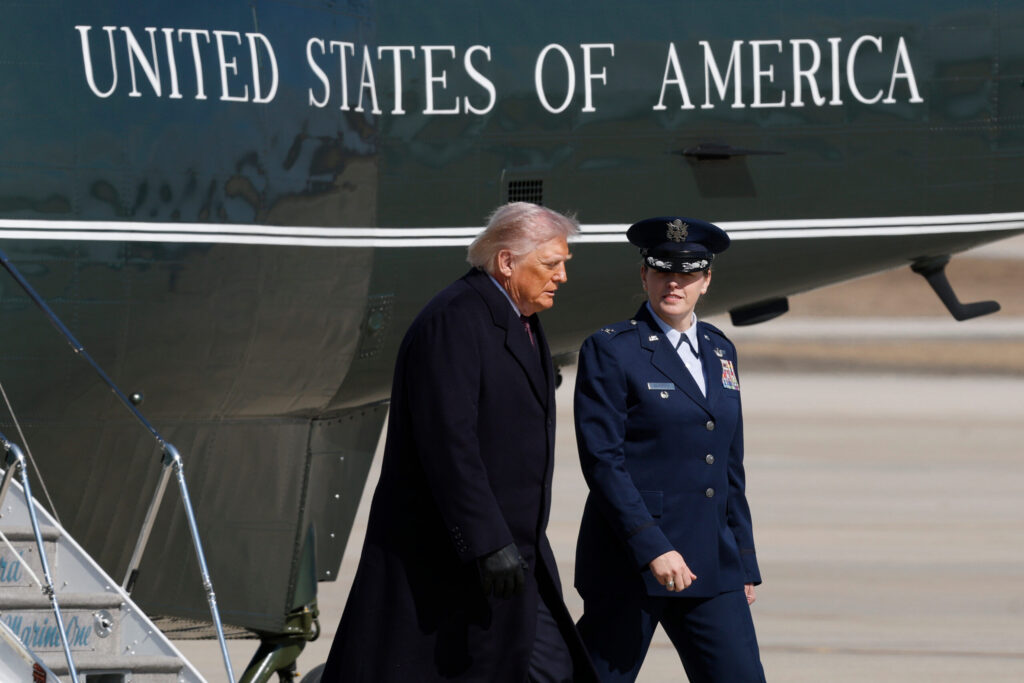
President Donald Trump will attend the soon-to-be-held dignified transfer of six American service members killed so far by Iran in Operation Epic Fury. White House press secretary Karoline Leavitt made the announcement during her Wednesday press briefing. “These heroes represent...

Judge declines to block potential Boebert challenger from going through assembly process in Colorado’s 4th CD
Ernest Luning
ernest.luning@coloradopolitics.com
Updated 12 hours ago
Congressional candidate Eileen Laubacher, one of the Democrats seeking to challenge Republican U.S. Rep. Lauren Boebert, can participate in the party’s caucuses and assemblies pending a court hearing later this month, a Denver judge ruled Tuesday in response to a...
Sanctuary cities declined 17,864 requests to hold illegal immigrants for ICE in 2025: Noem
Anna Giaritelli Washington Examiner
anna-giaritelli-washington-examiner@coloradopolitics.com
Updated 12 hours ago
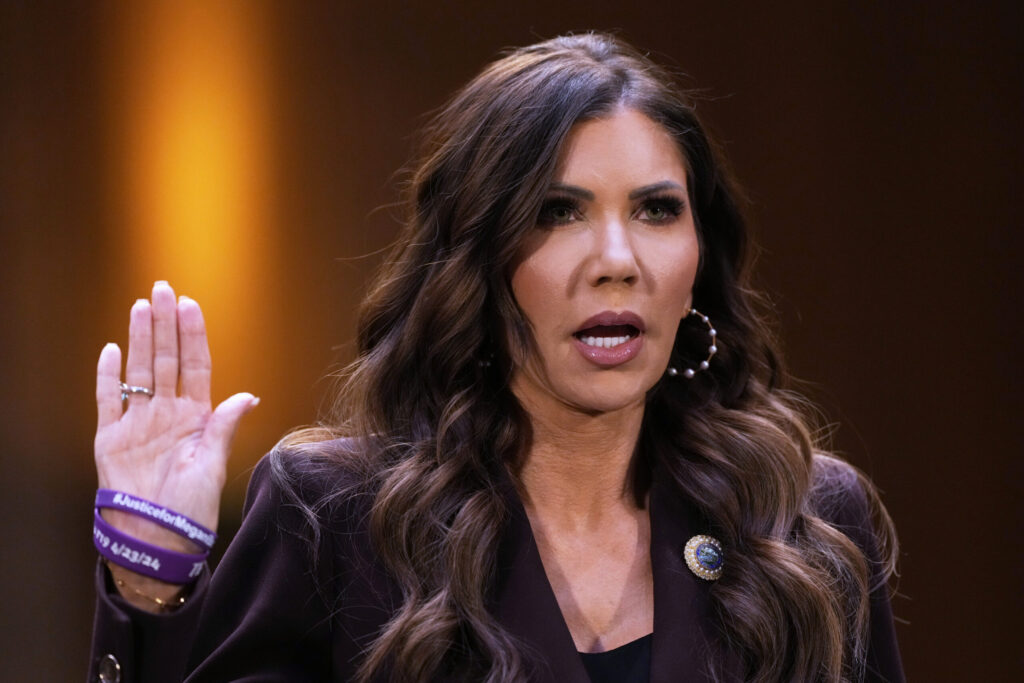
Sanctuary cities and counties declined to turn over 17,864 illegal immigrants in police custody to Immigration and Customs Enforcement in 2025, according to the Department of Homeland Security. Homeland Security Secretary Kristi Noem testified before the House Judiciary Committee on...