

A timeline of COVID-19 in Colorado

A timeline of COVID-19, through the list of major orders and decisions by Gov. Jared Polis. The Governor has issued 190 “D” executive orders, with all but a handful related to the state’s handling of the COVID-19 pandemic. Many of these orders have been extended past their original implementation date.
March 5: First announced case of COVID-19, a man in his 30s, an out-of-state visitor to Summit County. He was initially hospitalized in Summit County and later moved to a hospital in Lakewood.
March 11: Gov. Jared Polis issues executive order that declares Colorado in a disaster emergency.
March 14: Executive order closing Colorado’s downhill ski resorts.
March 18: Executive order closing Colorado P-12 and charter schools to in-person learning, ordering online instruction.
March 19: Executive order canceling elective and non-essential surgery, to preserve hospital capacity to deal with COVID-19.
March 20: Executive order limiting evictions, foreclosures and suspending public utility shutoffs.
March 22: Executive order requiring people to work from home whenever possible, limiting non-essential businesses to 50% of their workforce working in-person.
March 24: Thirteen Colorado counties had already implemented their own “Stay At Home” orders, including Adams, Arapahoe, Boulder, Denver, Eagle, Gunnison, Jefferson and LaPlata counties.
March 25: “Stay at Home” order, requiring all Coloradans who are not employed in critical businesses to stay home. Expired April 26.
March 28: President Trump declares Colorado a major disaster area, at the governor’s request. The New York Post reported that two Colorado counties, Gunnison and Eagle, were among the top four counties in the nation with confirmed COVID cases outside of New York and Louisiana. Gunnison reported 454 cases per 100,000; Eagle reported 331 per 100,000.
April 1: Colorado Department of Public Health and Environment reports 3,342 cases of COVID-19 and 80 deaths.
April 17: executive order requiring workers in critical businesses and governments to wear face coverings.
April 26: “Safer at Home” order, requiring schools to remain closed to in-person learning throughout the end of the 2019-20 school year; lifting the “Stay At Home” order, although recommending vulnerable individuals continue to stay home; and advising all Coloradans to begin wearing masks (although not an order to do so).
April 30: Governor informs the General Assembly that the state has insufficient revenues to meet obligations; orders spending reductions in remainder of 2020 fiscal year.
May 1: CDPHE reports 15,768 confirmed cases and 820 deaths.
May 15: two executive orders pertaining to elections: the first, suspending regulations on in-person signature collection for unaffiliated and independent candidates; the second suspended regulations for in-person signatures for ballot measures. It was overturned by the Colorado Supreme Court on July 1.
May 18: executive order directing the spending of funds provided to the state under the Coronavirus Aid, Relief, and Economic Security (CARES) Act of 2020. This led to complaints by Republican lawmakers that the spending decisions should have been handled by the General Assembly.
May 25: Executive order amending “Safer at Home” to allow restaurants to reopen under limited capacity. That order, and another ordering restaurants to stop serving alcohol at 10 p.m., are being litigated.
May 26: General Assembly returns after a 73-day hiatus to pass the 2020-21 budget, with $3.3 billion in general fund cuts and on legislation to help the state deal with the pandemic. Despite a promise by Democratic leaders that the bills would be “fast, friendly and free,” some legislation, including on collective bargaining for state employees, with a price tag of $6.5 million in 2021-22, was criticizes as neither free nor related to COVID-19.
June 1: Executive order “Safer At Home and in the Vast, Great Outdoors,” which among its provisions limited public gatherings to 10 people or fewer.
June 1: CDPHE reports 26,577 confirmed cases and 1,458 deaths. Throughout the month, the governor issues 32 executive orders, mostly extending the previous orders.
July 1: CDPHE reports 33,029 confirmed cases and 1,697 deaths.
July 9: Executive order “Protect Our Neighbors,” allowing local communities to reopen businesses if they meet certain metrics established by CDPHE and submit a mitigation plan when they fall short.
July 16: Governor issues “mask mandate” executive order, for everyone over 10 years of age and unless exempted for medical reasons. Extended on August 14 and again on Sept. 12.
July 21: “Last call” executive order, requiring restaurants to stop serving alcohol and 10 p.m.
Aug. 1: CDPHE reports 47,267 confirmed cases of COVID-19 and 1,844 deaths. Polis continues to extend executive orders, although the “last call” order is revised to 11 p.m. on August 22.
Sept. 1: CDPHE reports 57,775 confirmed COVID-19 cases and 1,946 deaths, although about 100 are deaths where the person had the virus but COVID-19 was not determined to be a proximate cause.
Sept. 12: The state exceeded 60,000 cases on Sept. 10 and as of Sept. 12 is just shy of 2,000 deaths. CDPHE reported that 7,223 people have been hospitalized for COVID-19 and that 773,283 people have been tested for the virus.


Douglas County judge violated defendant’s right to counsel at sentencing, appeals court finds
Michael Karlik
michael.karlik@coloradopolitics.com
Updated 18 hours ago
A Douglas County judge violated a defendant’s constitutional right to the counsel of her choice by refusing to postpone sentencing until her lawyer returned to the country, Colorado’s second-highest court concluded on Wednesday. In early 2023, Lyndie J. Felsher received...
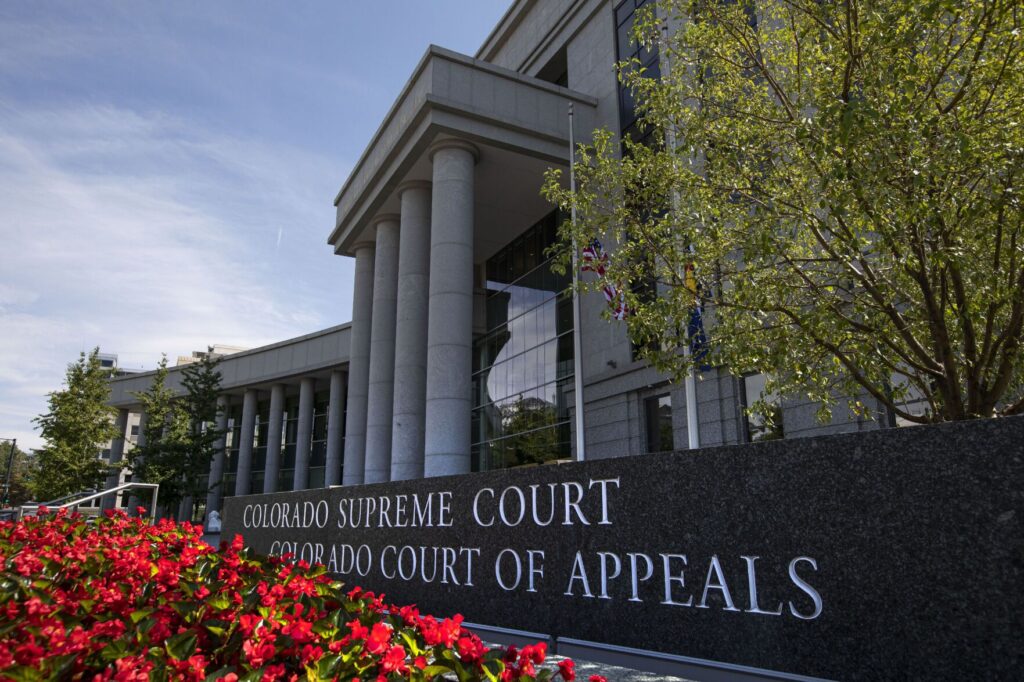
Appeals court decides violations of child custody orders may be prosecuted per child
Michael Karlik
michael.karlik@coloradopolitics.com
Updated 16 hours ago
Colorado’s second-highest court concluded for the first time on Wednesday that a defendant may be charged with violating a child custody order based on the number of children affected, not the number of orders violated. Mesa County jurors convicted Tiffany...
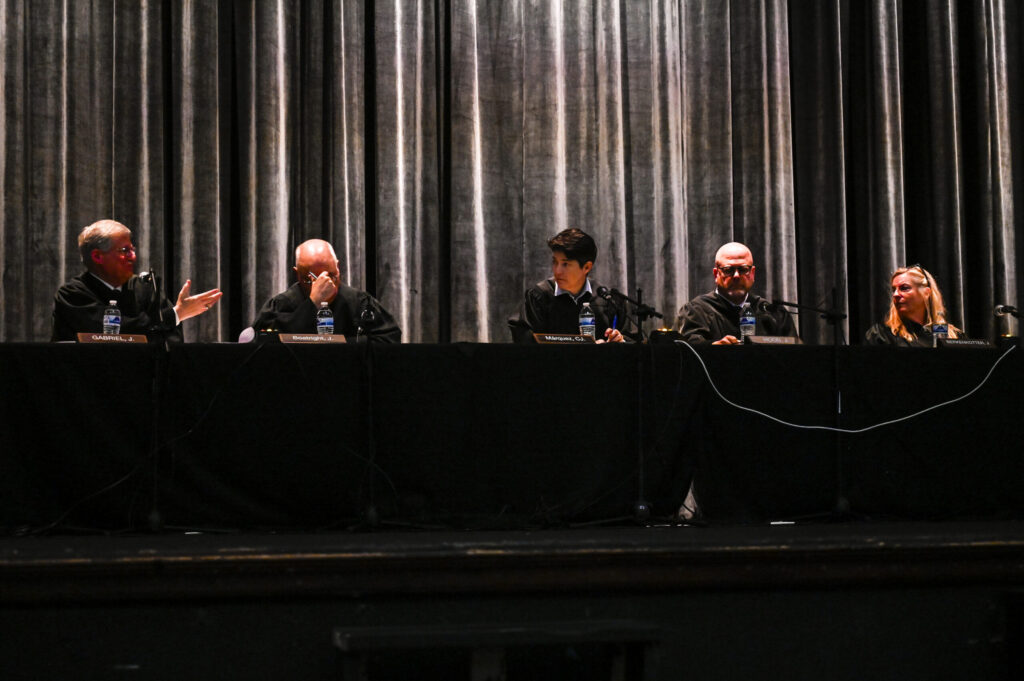
‘Lawyers haven’t gotten the message’: Colorado justices hear debate about proposed AI rule
Michael Karlik
michael.karlik@coloradopolitics.com
Updated 16 hours ago
The Colorado Supreme Court heard comments from members of the legal profession last week about a proposed rule change intended to remind attorneys that misuse of new artificial intelligence tools can violate longstanding professional obligations. Court of Appeals Judge Lino...
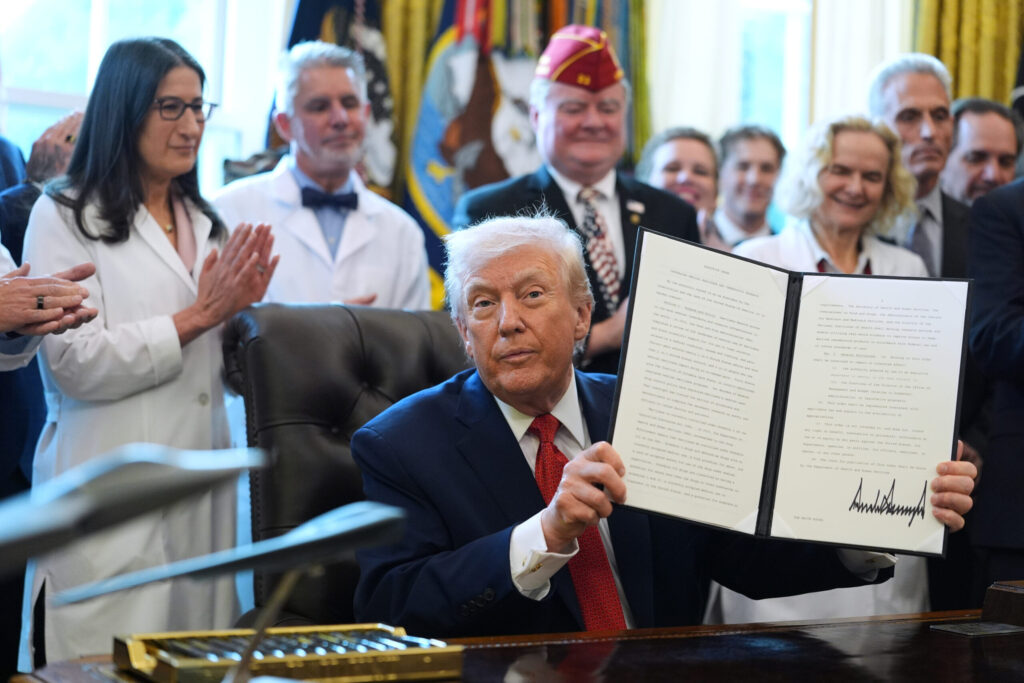
Marijuana companies spent millions on lobbying ahead of Trump rescheduling order
Robert Schmad, Washington Examiner
robert.schmad.washington.examiner@gazetteedit.wpenginepowered.com
Updated 23 hours ago
Political committees, consultants, and lobbyists linked to President Donald Trump made out with millions of dollars in payments from the marijuana industry in the months leading up to his executive order demanding the substance’s reclassification, according to public records reviewed...

Inflation and affordability loom over midterm elections
Zach Halaschak, Washington Examiner
zach.halaschak.washington.examiner@gazetteedit.wpenginepowered.com
Updated 18 hours ago
Inflation and affordability were the top considerations of voters in the 2024 elections and remain so at the end of 2025 — and they could determine the outcome of the 2026 midterm elections. The 2025 off-year elections offered a warning...
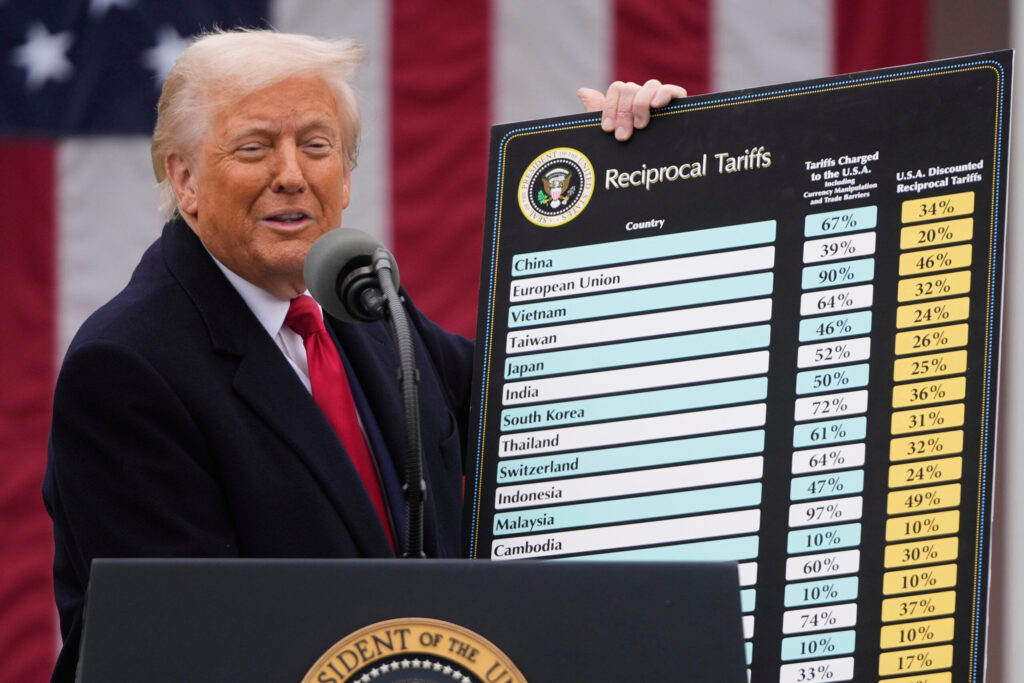
Are Republicans doomed to suffer an Obama-like personality crisis in a post-Trump world?
Lauren Green, Washington Examiner
lauren.green.washington.examiner@gazetteedit.wpenginepowered.com
Updated 18 hours ago
President Donald Trump has dominated Republican Party politics for a decade, but, being term-limited, the big question in 2026 and beyond is who can step out of his huge shadow and assume leadership of the movement. The Democrats have suffered...
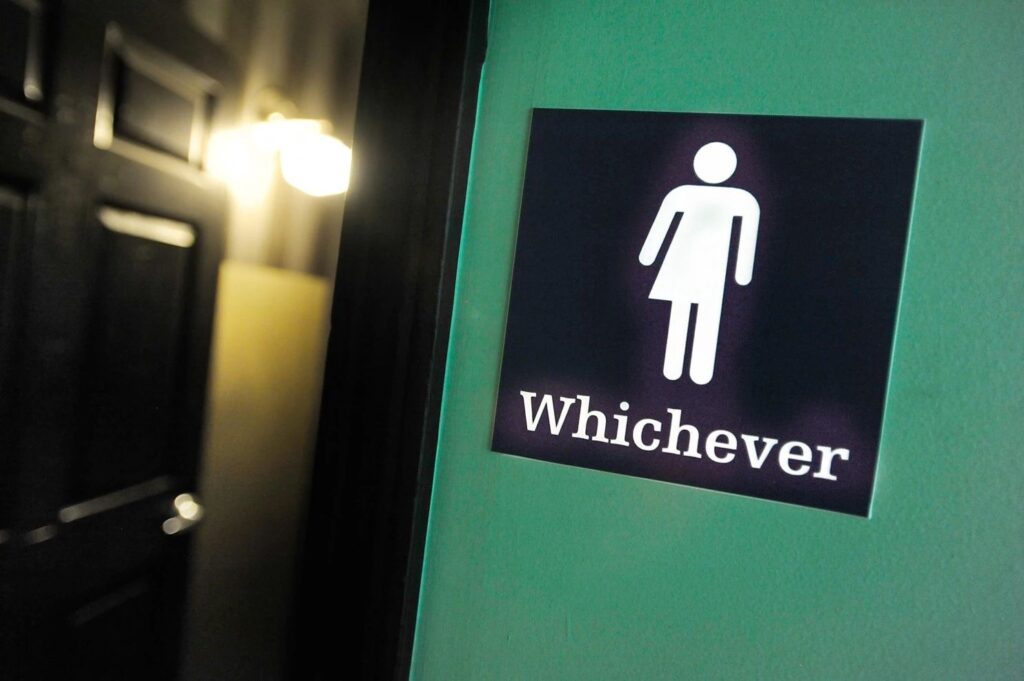
Judge rules California schools cannot hide student gender identity from parents
Jack Birle, Washington Examiner
jack.birle.washington.examiner@gazetteedit.wpenginepowered.com
Updated 23 hours ago
A federal judge handed a group of parents and teachers a major victory late Monday by ruling the state of California ran afoul of the Constitution with a public school policy to hide students’ gender identity and preferred pronouns from...
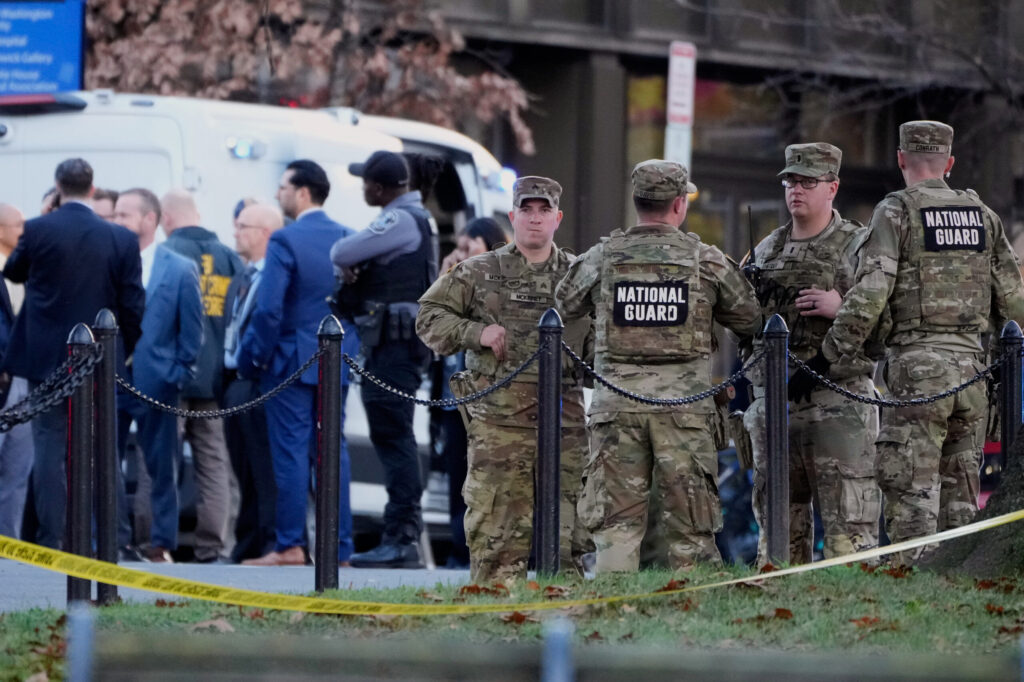
Supreme Court denies Trump bid to deploy National Guard to Chicago
Jack Birle, Washington Examiner
jack.birle.washington.examiner@gazetteedit.wpenginepowered.com
Updated 23 hours ago
The Supreme Court denied the Trump administration’s request to lift a lower court order blocking the federalization and deployment of National Guard troops to Chicago, marking a rare loss for President Donald Trump on the high court’s emergency docket. In...
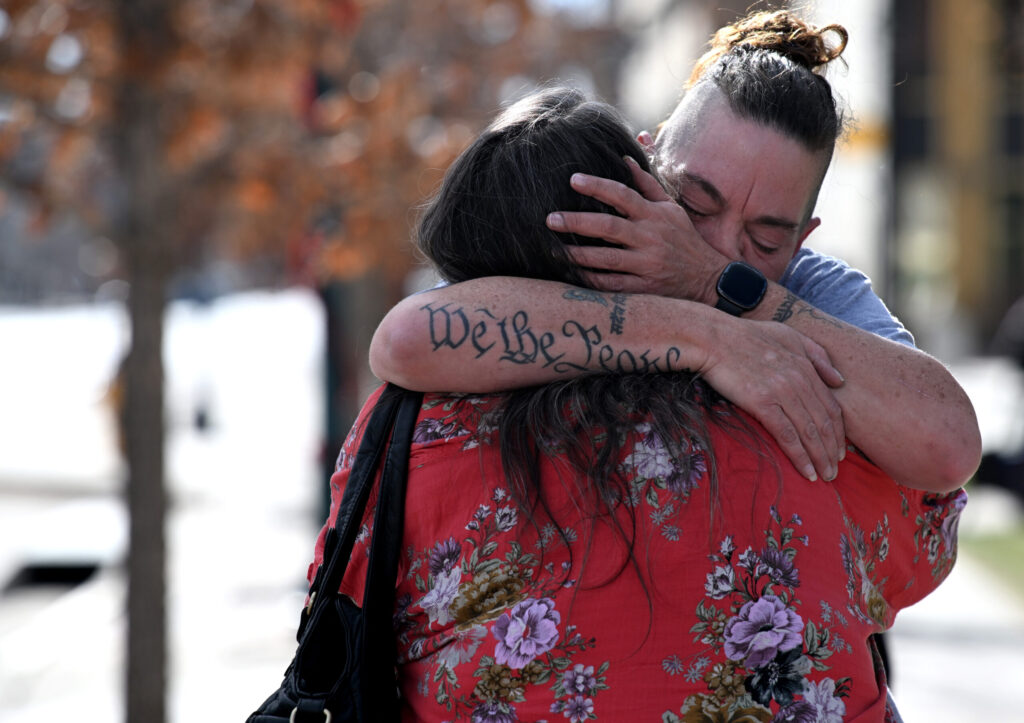
Judge accepts new plea agreements for Return to Nature owners
Mackenzie Bodell
mackenzie-bodell@coloradopolitics.com
Updated 23 hours ago
Jon and Carie Hallford will not see 2026 trials after all, as an El Paso County judge ruled to accept the most recent plea agreements for the pair Monday, despite heavy opposition from families who used their funeral services. The Hallfords came...

As Aurora police worry about court ruling’s impact on crime, council sees opening to revisit penalties
Kyla Pearce
kyla.pearce@gazette.com
Updated 24 hours ago
Aurora’s top police official is worried about the impact of a Colorado Supreme Court decision about penalties on the city’s crime rate, while progressive councilmembers see an opening to reverse decisions made by previous city councils. The court ruled on...
PREV
PREVIOUS

Q&A with Leroy Garcia, Colorado's Senate prez
Brief bio: President of the Colorado Senate, since 2019; has represented Senate District 3 from Pueblo since 2015. Also was Senate minority leader. Represented House District 46 in the Colorado House, 2013 to 2015. Served in the U.S. Marine Corps, 2001-2007; deployed to Iraq. Holds a degree in emergency medical services from Pueblo Community College, […]

'Logically inconsistent' jury verdict legal nonetheless, high court determines
A majority of the Colorado Supreme Court decided it was legal to simultaneously convict a man on separate assault convictions, two of which required acting intentionally and the other required his lack of awareness. “[E]ven if each of the guilty verdicts for second degree assault is logically inconsistent with the guilty verdict for third degree […]