

Justices reject appeal questioning constitutionality of Colo. obscenity laws
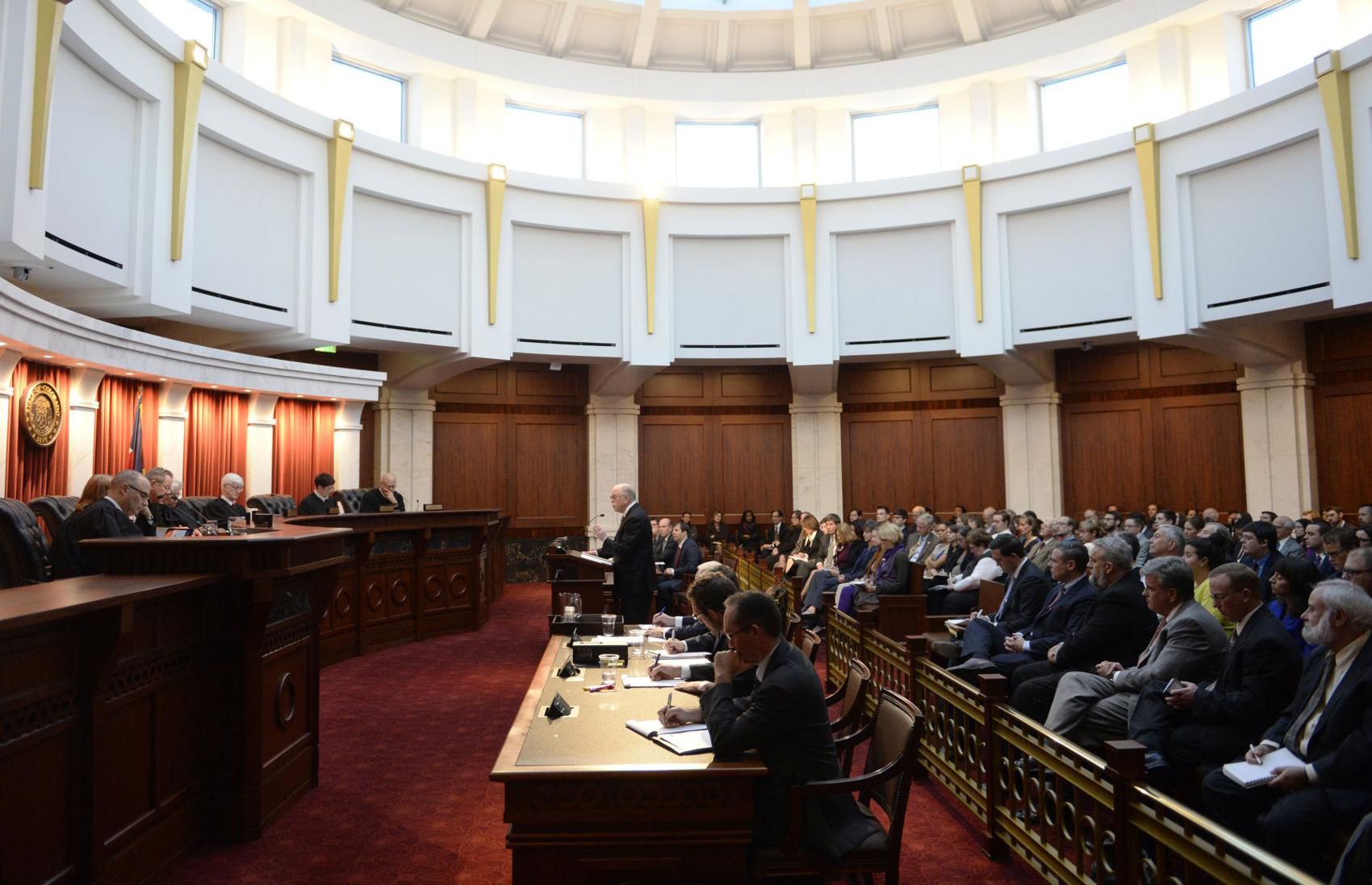
“I know it when I see it,” U.S. Supreme Court Justice Potter Stewart once wrote in a case that addressed what was or was not obscenity.
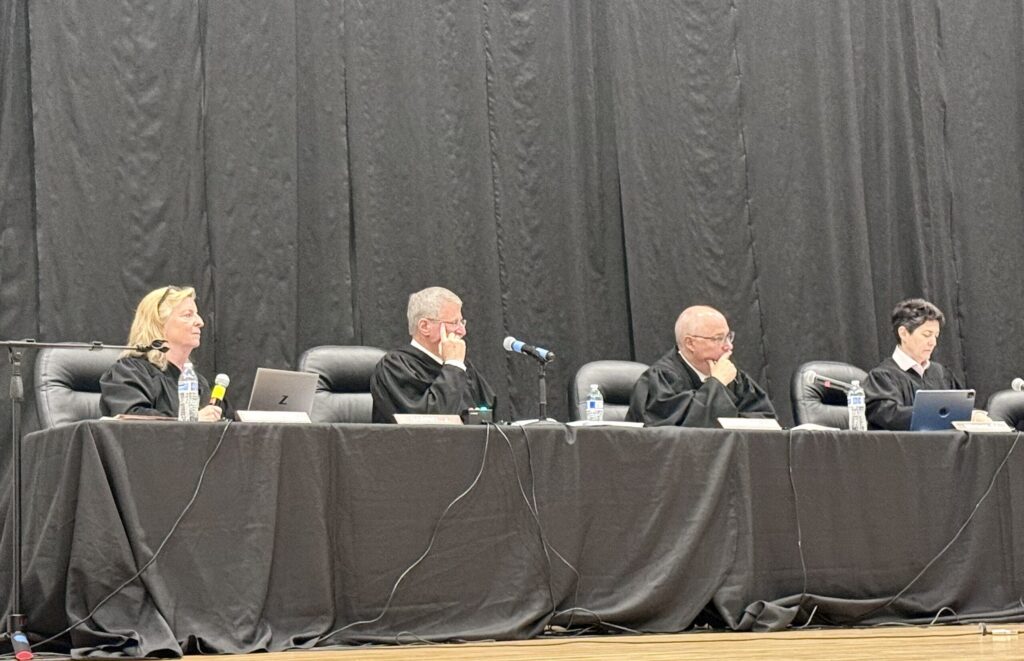
Fifty-six years later, the Colorado Supreme Court declined to weigh in on the question of whether the state and U.S. Constitutions protect obscenity as free speech.
The justices rejected on Tuesday an appeal from James Vinci, who challenged a trial court’s decision not to dismiss the harassment charge against him. One of the grounds for the offense is the use of obscene language or gestures at another person.
Vinci met with Sedgwick County Title Company owner Paula Fraker and a real estate agent on Nov. 30, 2017 to close on a house. During the conversation, Vinci “directed foul, disgusting, and repulsive language” at the other two and, according to testimony, “the ‘F’ word was every other word.”
Fraker asked Vinci to leave the building. He refused, but relented once law enforcement arrived. In January 2019, a jury in Sedgwick County Court convicted Vinci of harassment.
On appeal to District Court Judge Carl S. McGuire III, the only issue was whether the F-word was constitutionally protected speech, and therefore not obscenity.
“A defendant commits harassment if, with intent to harass, annoy, or alarm the victim, the defendant directs obscene language at the victim in a public place,” wrote McGuire, noting that the legal definition of “obscene” involves a “patently offensive description of ultimate sexual acts or solicitation to commit ultimate sexual acts.” Such descriptions are not obscene if the “context otherwise requires” them.
The government can regulate profanity in certain instances, including over broadcast media, in public schools and “fighting words” that could incite violence or disturbance.
However, in the 1971 case of Cohen v. California, Justice John Marshall Harlan II wrote about a young man charged with disturbing the peace for wearing a “Fuck the Draft” jacket: “while the particular four-letter word being litigated here is perhaps more distasteful than most others of its genre, it is nevertheless often true that one man’s vulgarity is another’s lyric.” The court struck down California’s law.
McGuire observed that Vinci’s use of the word clearly intended to harass, annoy or alarm Fraker, conduct she interpreted as threatening. It was “nothing more than anger for anger’s sake, pure and simple.”
Unlike the Cohen case, Vinci was not espousing political views or social commentary during his interaction. McGuire hypothesized that if Vinci had yelled the offending word on the sidewalk to no one in particular or had worn a shirt with the word and “Trump” next to each other, the speech would be protected.
As it was, the Colorado Supreme Court had established that the First Amendment does not permit freedom of speech to be a “battering ram to destroy the tranquility, repose, or orderly transaction of business in another person’s place of business.” That, McGuire concluded, was what Vinci had done.
Although a majority of current Supreme Court justices declined to accept the appeal, Justices Brian D. Boatright and Richard L. Gabriel indicated they would have heard the case. In particular, they would have considered the broad issue of whether crass or taboo language is constitutionally-protected speech, as well as whether a court could apply the obscenity law in instances where there was no sexual act described.

Colorado Politics Calendar June 29-July 5
Rachael Wright, Special to Colorado Politics
rachael.wright@coloradopolitics.com
Updated 3 days ago
CoPo’s weekly political calendar will help you find political and public-policy events throughout Colorado. It includes candidate and issue campaign events, public policy meetings, court hearings, state and local party conventions, assemblies, debates, rallies, parades, speaking engagements, traveling dignitary appearances,...
Gov. Lamm’s GOP challenger gives insights into his campaign | A LOOK BACK
Rachael Wright, Special to Colorado Politics
rachael.wright@coloradopolitics.com
Updated 3 days ago
Forty-five years ago this week: “I see Gov. (Richard) Lamm is fairly popular in general,” said gubernatorial candidate and state Sen. Bill Hughes, R-Colorado Springs. “ … And he’ll be hard to beat.” Hughes was on a whirlwind campaign trail...
Giving credit to Polis where credit is due | SONDERMANN
Eric Sondermann
eric-sondermann@coloradopolitics.com
Updated 3 days ago
It is an understatement to suggest that Gov. Jared Polis has had a tough couple of months. The bloom was already off the rose and Coloradans were paying far more attention to the choice of his replacement than they were...
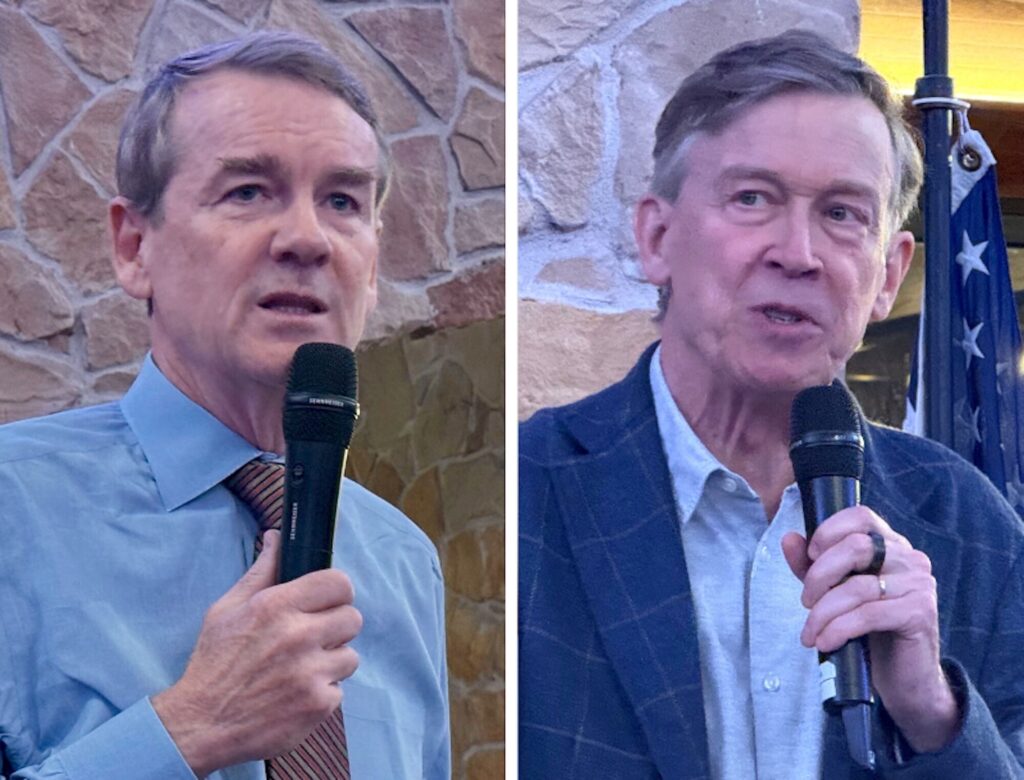
Bennet, Hickenlooper to vote against Trump’s 10th Circuit nominee from Colorado
Michael Karlik
michael.karlik@coloradopolitics.com
Updated 4 hours ago
Colorado’s two Democratic senators will not vote to confirm President Donald Trump’s nominee to a vacancy on the Denver-based federal appeals court. Trump has selected U.S. District Court Chief Judge Daniel D. Domenico, who he appointed as a federal trial...
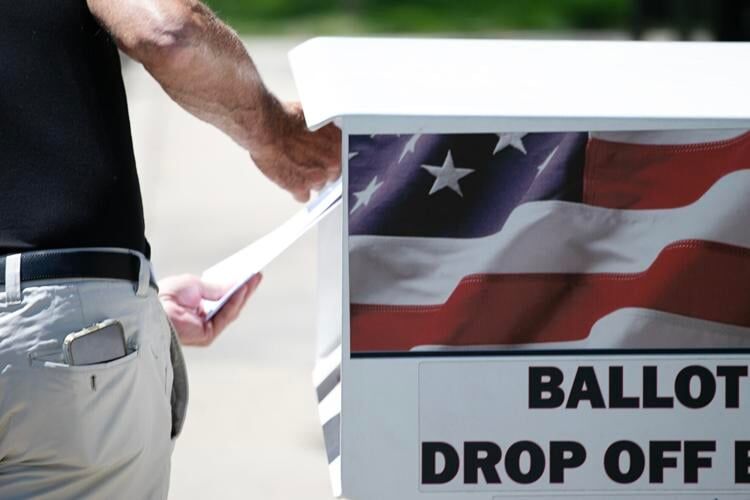
Who’s spending in Colorado to get your vote?
Marianne Goodland
marianne.goodland@coloradopolitics.com
Updated 4 hours ago
Groups that raise unlimited amounts of money have spent about $20 million in May and June to try and influence Colorado voters’ choices in the upcoming June 30 primaries. By law, these groups cannot coordinate with the candidates they support....
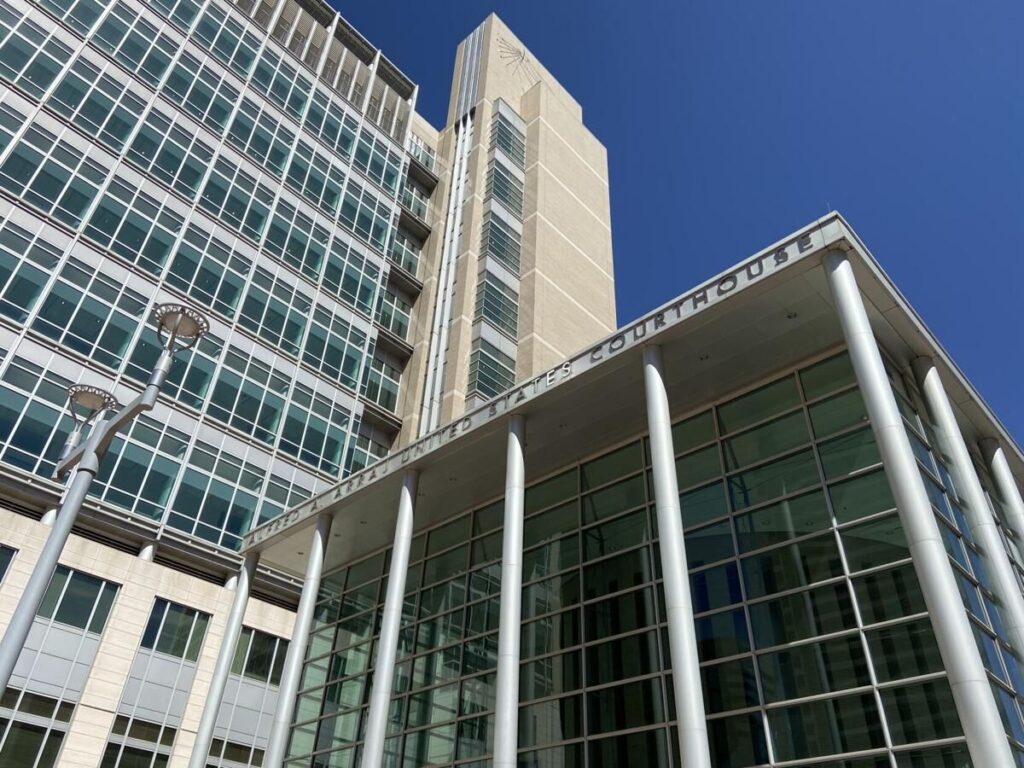
U.S. government declines to oppose multiple challenges to immigration detention in Colorado
Michael Karlik
michael.karlik@coloradopolitics.com
Updated 20 hours ago
Multiple federal judges in Colorado granted petitions from people challenging the lawfulness of their immigration detention this week after the government took the unusual step of declining to submit arguments in opposition. Colorado’s federal trial court is facing a flood of...
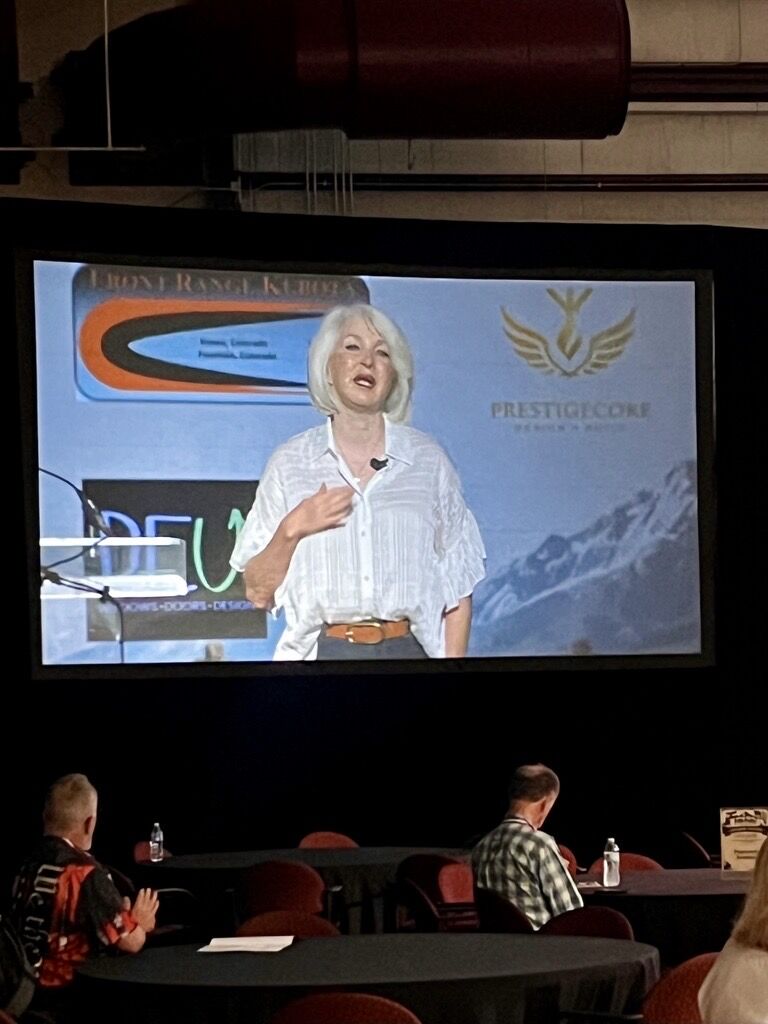
Tina Peters tells supporters to ‘stand up and fight back’ at Castle Rock event
Marissa Ventrelli
marissa.ventrelli@coloradopolitics.com
Updated 19 hours ago
Tina Peters, the former Mesa County clerk recently released from prison, warned supporters that what happened to her could happen to them, too, if they did not “stand up and fight back” at an event at the Douglas County Fairgrounds....

Iran strikes cargo ship in Strait of Hormuz, endangering Trump’s peace
Christian Datoc
christian-datoc@coloradopolitics.com
Updated 1 day ago
Iran attacked a cargo ship traveling through the Strait of Hormuz on Thursday, possibly upending President Donald Trump‘s diplomatic end to the war with Iran. A U.S. official confirmed to the Washington Examiner that the Islamic Revolutionary Guard Corps “struck...

Senate GOP tries to mend fences with Trump after heated lunch
David Sivak
david-sivak@coloradopolitics.com
Updated 23 hours ago
Senate Republicans are trying to turn the page on a heated lunch with President Donald Trump that brought weeks of tensions to a new high-water mark. In a symbolic gesture, Senate Republicans took another vote on the Iran war Wednesday...
Colorado justices discuss solution to confusion from prior criminal ruling
Michael Karlik
michael.karlik@coloradopolitics.com
Updated 18 hours ago
The Colorado Supreme Court pondered the fallout on Tuesday from its nearly six-year-old decision interpreting the state’s impaired driving laws, with the justices now addressing how defendants affected by the legal change must seek postconviction relief. In contrast to other...
PREV
PREVIOUS
Broncos to play in front of 5,700 fans on Sept. 27, according to Gov. Polis
Gov. Jared Polis on Tuesday announced an agreement with the Denver Broncos that will allow 5,700 fans, in groups of 175, to be in the stands when the Broncos play the Tampa Bay Buccaneers and quarterback Tom Brady on Sept. 27. Polis was joined by Brittany Bowlen, the Broncos vice president for strategic initiatives. Those […]

Applications open for $500,000 in courthouse repair money
Half a million dollars is available in grant funding that will enable repair, remodeling and planning for the state’s courthouses. The General Assembly created the Colorado Underfunded Courthouse Facility Cash Fund in 2014 to help counties with limited resources build and maintain their facilities. Grant recipients must meet at least two criteria: total populations below […]