

BARTELS | It’s the most important election ever — again
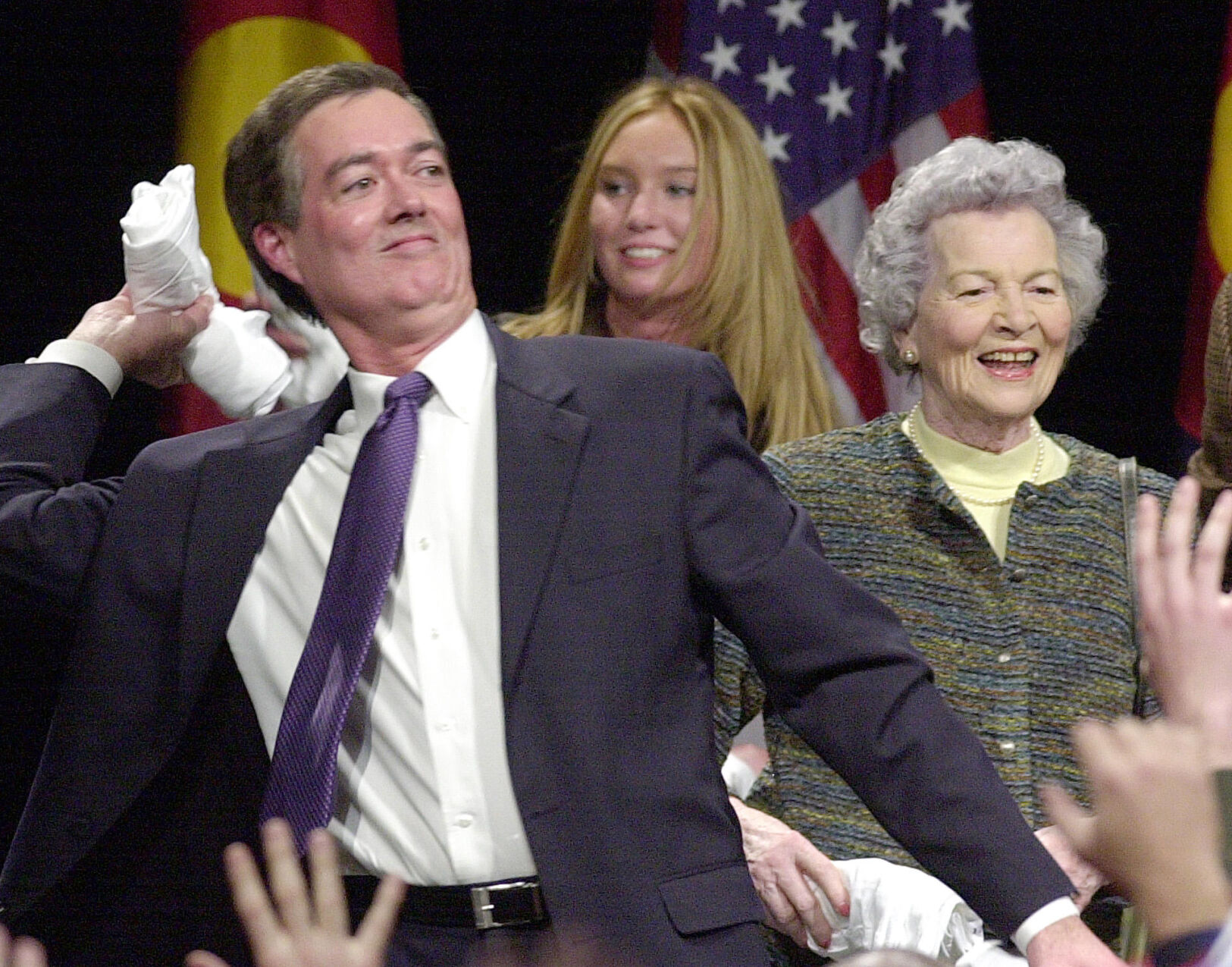
This year is the most important election of our lifetime. Once again.
It turns out it wasn’t 2018 or 2016 or 2014 or, well, you get the idea. And two years from now will be the most important election of our lifetime.
I’ve covered many of the most important elections of our lifetimes. Here’s a look back at some Colorado contests:
The Squeaker, 1998. Republican Bill Owens, the state treasurer, and Democrat Gail Schoettler, the lieutenant governor, vied for governor. Everyone said it was Owens’ to lose, and for a while it looked like he did.
It wasn’t until 1:37 a.m. the next morning, with Owens leading by a mere 5,500 votes, that he declared victory. Owens would become the first Republican to sit in the governor’s office in 24 years.
The Maps, 2000. With Owens in the governor’s seat and Republicans in control of the state House and Senate, Democrats feared what would happen after the census when it was time to redraw legislative and congressional districts.
Senate Minority Leader Mike Feeley, a Lakewood Democrat, set out to do what many believed was impossible: Flip the Senate blue for the first time since 1960. When it was all over, Democrats had an 18-17 majority, and played a pivotal role in how the maps were drawn.
“We knew as Democrats we were really fighting for our political lives,” Feeley said then. “If we didn’t take this, we’d be a one-party state for 10 years and probably longer than that. We put all of our eggs in this basket.”
The Turnaround, 2002. The headline in the Rocky Mountain News the day after the election read “Republicans rule.” They had won back the state Senate. Republican Bob Beauprez beat Feeley by a mere 121 votes to win the new 7th Congressional District. Wayne Allard won re-election to the U.S. Senate and Owens cruised to victory in his second race for governor.
Republicans believed the Democratic Senate victory in 2000 was a short-lived blip, and focused on pushing through their agenda.
The Political Neophyte, 2003. Brewmeister John Hickenlooper won Denver’s open mayoral race in a landslide by bucking one tradition after another.
Door to door? Nope. Instead he asked supporters to hold parties and invite their neighbors and friends. Campaign mailers? He had always thrown them away, so he spent the money on TV. The traditional campaign ads? Not even. He took on a meter-reader trying to ticket downtown Denver parkers and then drove away on a motor scooter in a campaign spot that is still talked about.
The Shocker, 2004. Democratic presidential candidate John Kerry didn’t win Colorado, but Democrats racked up one victory after another. Ken Salazar defeated Pete Coors to become a U.S. senator. Salazar’s brother John won his congressional race in the Western Slope-based district. Democrats took back the state Senate.
And the House, led by Democratic lawmakers Andrew Romanoff and Alice Madden, won the majority. I was in the House Dems’ hotel room that night as they charted the races and I can still remember the cheers when they realized their dream was coming true.
Naysayers claimed wealthy Democrats pooled their money to help candidates buy the election. Nonsense. They didn’t suddenly win the Colorado Lottery, and look for a place to spend their money. Like so many other Coloradans, they were disgusted at what was going on under the Gold Dome.
Colorado’s boom-bust cycle had repeated itself, and the impact of the permanent tax cuts supported by Owens and a large group of lawmakers led to massive budget cuts.
Republicans were more concerned about liberals teaching at colleges and putting the Ten Commandments in schools than cuts to education.
With Beauprez’s victory in 2002, Republicans controlled five of Colorado’s seven congressional seats, but they weren’t content with that. Oh no, they pushed through a midnight gerrymander to try to pick up another seat, a move later declared unconstitutional.


The Mixed Bag, 2010. This should have been a Republican sweep. The Tea Party had come on strong, and President Obama’s health care plan riled plenty of folks.
But Colorado was home to a strange governor’s race that helped Hickenlooper, a Democrat, cross the park to sit in the governor’s office. And U.S. Sen. Michael Bennet narrowly won his race after GOP Congressman Ken Buck’s controversial comment on gays and Democrats’ well-done ads attacking Buck on women’s issues.
But there were bright spots for the GOP.
Reps. Frank McNulty and Amy Stephens engineered the party’s one-seat victory in the state House. Walker Stapleton and Scott Gessler defeated the Democrats sitting in the treasurer’s and secretary of state’s office respectively. And Republican congressional candidates Cory Gardner and Scott Tipton defeated two Democratic incumbents, the first time since 1966 two Colorado members of the U.S. House had been turned out.

The Heartbreaker, 2014. The U.S. Senate race featured two of my favorite politicians, the incumbent, Democrat Mark Udall, and Congressman Gardner.
It was the kind of race where Gardner got one lucky break after another and Udall did not. His campaign focused on abortion rights to the point where he picked up a nickname. I never dreamt when I said “Mark Uterus” in a debate it would go viral.
I was thrilled for Gardner when he won, but broken-hearted about Udall, a genuinely decent person.
The Wipe Out, 2018. President Donald Trump’s presidential victory in 2016 killed the GOP’s chances in Colorado two years later.
By now I was working as the comms director for Republican Secretary of State Wayne Williams. I told people there was no way he could win re-election despite his national reputation for election security and his ability to get along with Democrats at the state House.
I had covered the 7th Congressional District race in 2006, which Democrat Ed Perlmutter won, and Udall’s first Senate race in 2008. Everywhere I went voters of all parties talked about their disdain for President George W. Bush. That was nothing compared to Coloradans’ dislike of Trump.
For the first time since 1936, Democrats won both the state House and Senate and governor, lieutenant governor, attorney general, treasurer and, saddest of all, secretary of state.
The Still to be Determined, 2020. The impact of a national pandemic has uprooted traditional campaigning. Social distancing, Zoom calls, masks; it’s a whole other world.
Gardner is running for re-election, tainted by his connection to a president who tweets more inappropriate stuff than I do. He faces Hickenlooper, who after a failed presidential run decided to get into a race he vowed he wasn’t interested in. Hick’s loveable quirkiness really hasn’t surfaced in this contest, but that might not matter because of the Trump factor.
Whatever side you fall on, vote. After all, it’s the most important election of our lifetime.


Those who cannot live without wild things | Rachel Gabel
Rachel Gabel
rachel-gabel@coloradopolitics.com
Updated 1 day ago
Aldo Leopold wrote in his Sand County Almanac, “There are some who can live without wild things and some who cannot.” The collection of essays first published in 1949 was accepted by a publishing house after a steady stream of...

Thank God for Wyoming — the un-Colorado | Jon Caldara
Jon Caldara
jon-caldara@coloradopolitics.com
Updated 1 day ago
Years ago, I interviewed a Canadian health-care broker whose job was helping his countrymen escape their own failing system. When their “free” health care turned into “free to wait until you die,” he’d save his clients by routing them to...
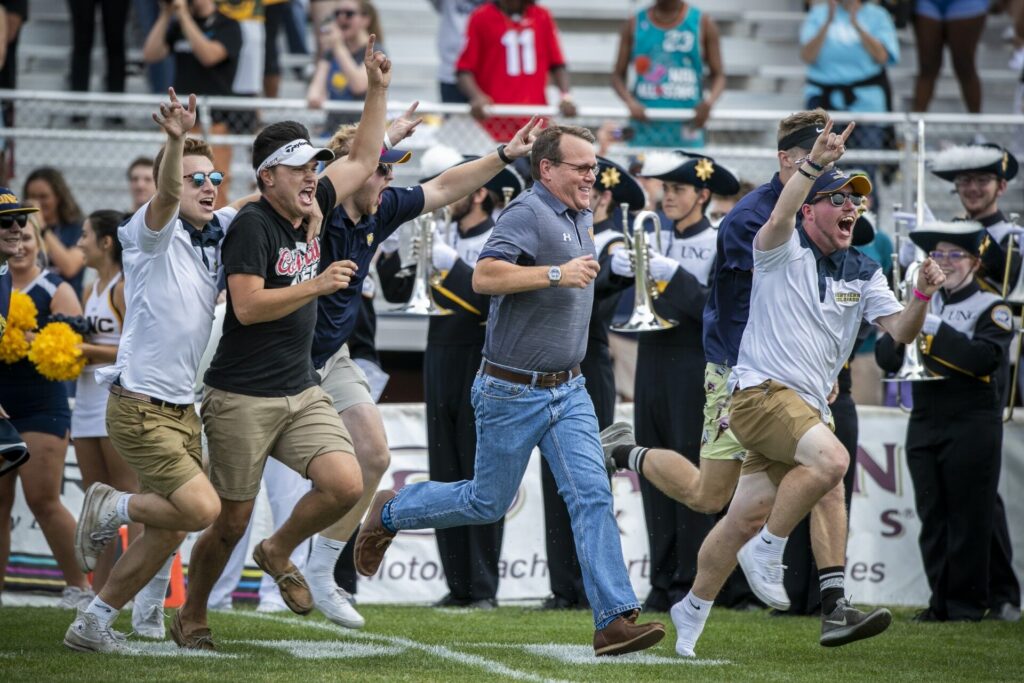
With new medical school set to open, Feinstein will step down as UNC president
Hap Fry, Special to The Gazette
hap-fry@gazette.com
Updated 11 hours ago
GREELEY • Dr. Andrew “Andy” Feinstein, the charismatic president of the University of Northern Colorado, has announced that he will step down from his leadership role just on the cusp of what is perhaps his signature accomplishment being realized. He’ll...
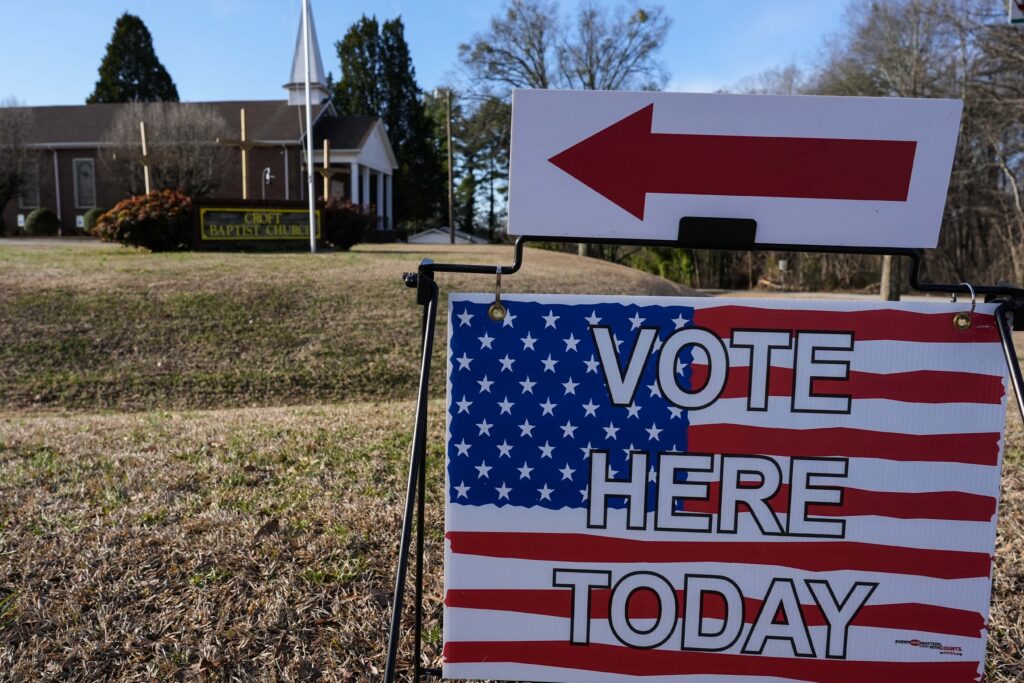
It’s time to let unaffiliated voters caucus | Vince Bzdek
Vince Bzdek
vince.bzdek@gazette.com
Updated 2 days ago
There’s no getting around it: Colorado’s 3,000 county caucuses, which just wrapped up recently, left half the electorate out in the cold. Since unaffiliated voters now make up 51% of all Colorado voters, a majority of Colorado electors are barred...
The insular bubble of caucuses and assemblies | SONDERMANN
Eric Sondermann
eric-sondermann@coloradopolitics.com
Updated 3 days ago
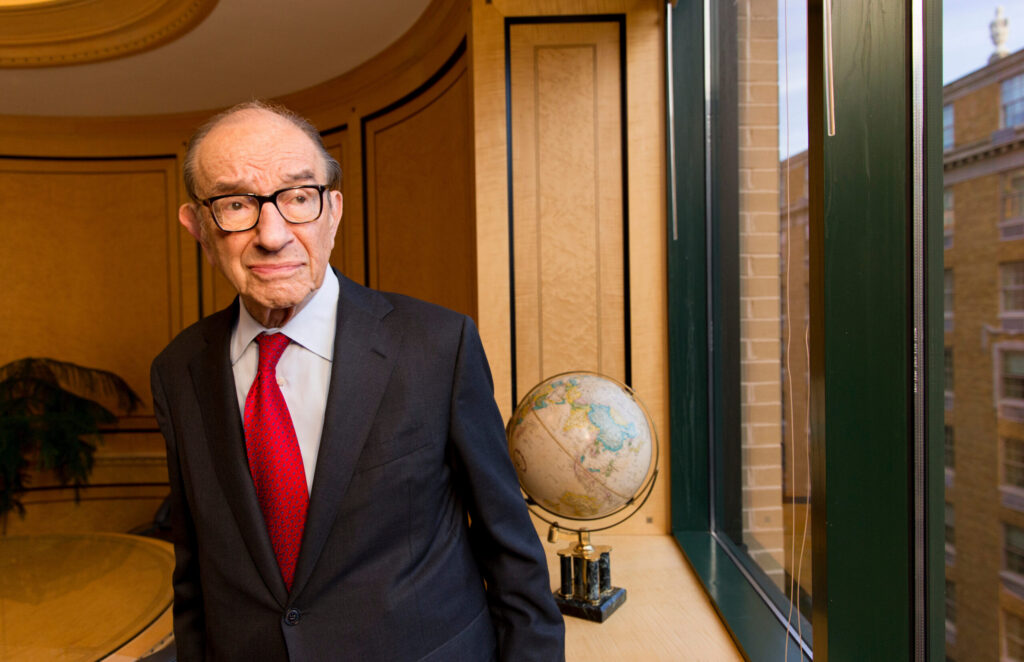
Nearly 30 years ago, then-Federal Reserve Chairman Alan Greenspan coined the term “irrational exuberance” to describe the overheated stock market. That descriptive phrase could also apply to much of the political realm. The hype in politics often grossly exceeds the...
Colorado Politics Calendar Mar. 23-29
Rachael Wright, Special to Colorado Politics
rachael.wright@coloradopolitics.com
Updated 3 days ago
CoPo’s weekly political calendar will help you find political and public-policy events throughout Colorado. It includes candidate and issue campaign events, public policy meetings, court hearings, state and local party conventions, assemblies, debates, rallies, parades, speaking engagements, traveling dignitary appearances,...
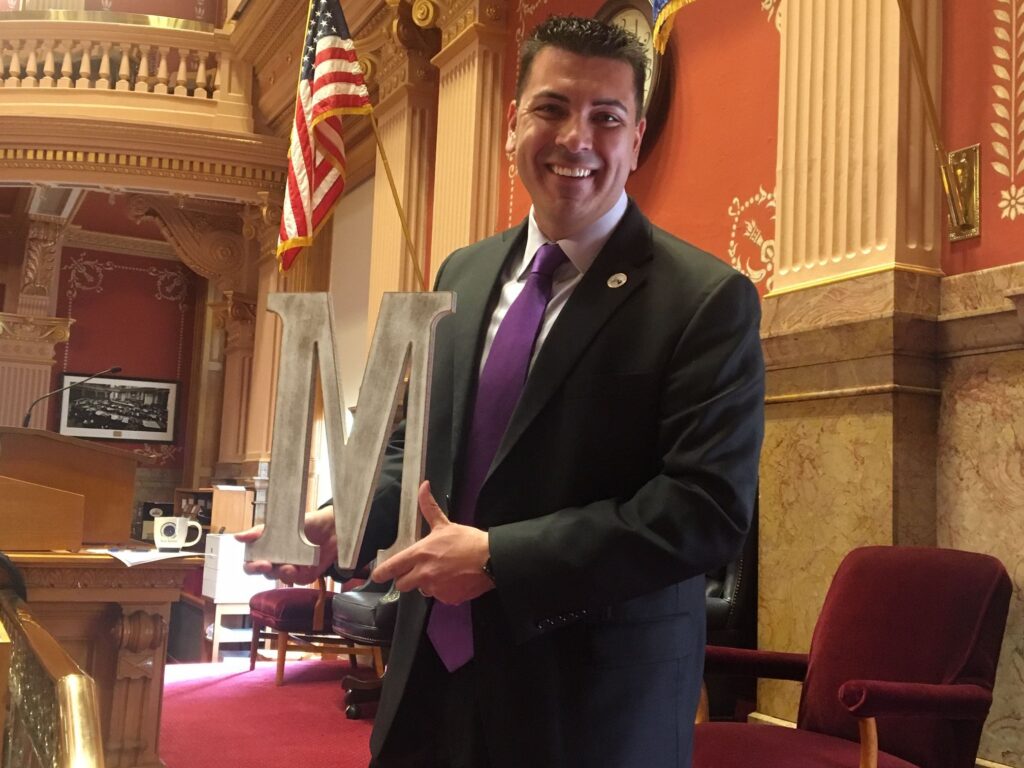
A Mile High, again: Capitol M | Week of March 21, 2026
Marianne Goodland
marianne.goodland@coloradopolitics.com
Updated 4 days ago
The lighter side of the Capitol, usually…. Local Journalism Day, except they forgot their very own local journalists. The state Senate on Thursday, March 19, passed a resolution recognizing Local Journalism Day. Everyone voted for it, which is good, because...
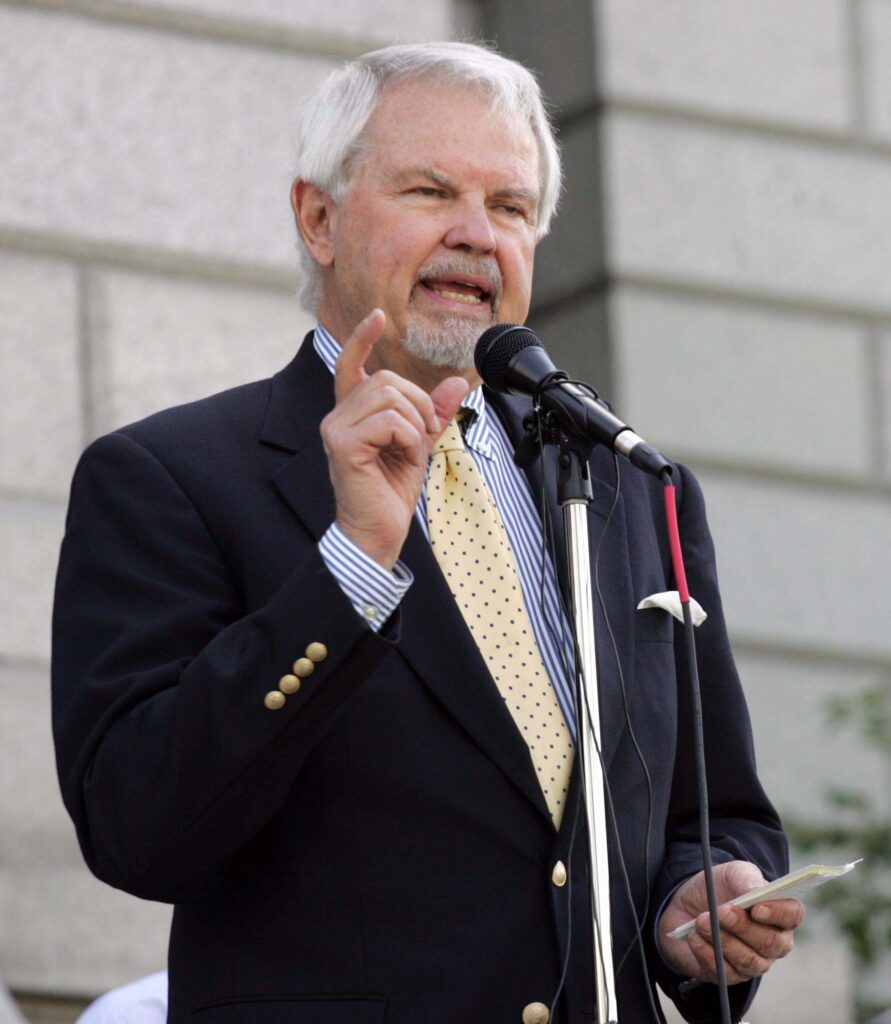
Governor warns energy development both a boon and a risk to Colorado | A LOOK BACK
Rachael Wright, Special to Colorado Politics
rachael.wright@coloradopolitics.com
Updated 5 days ago
Forty-Five Years Ago This Week: “The real opportunity and the dangers before us are both real,” said Gov. Dick Lamm in his January state of the state address before the Colorado General Assembly. Lamm argued that energy development would continue...
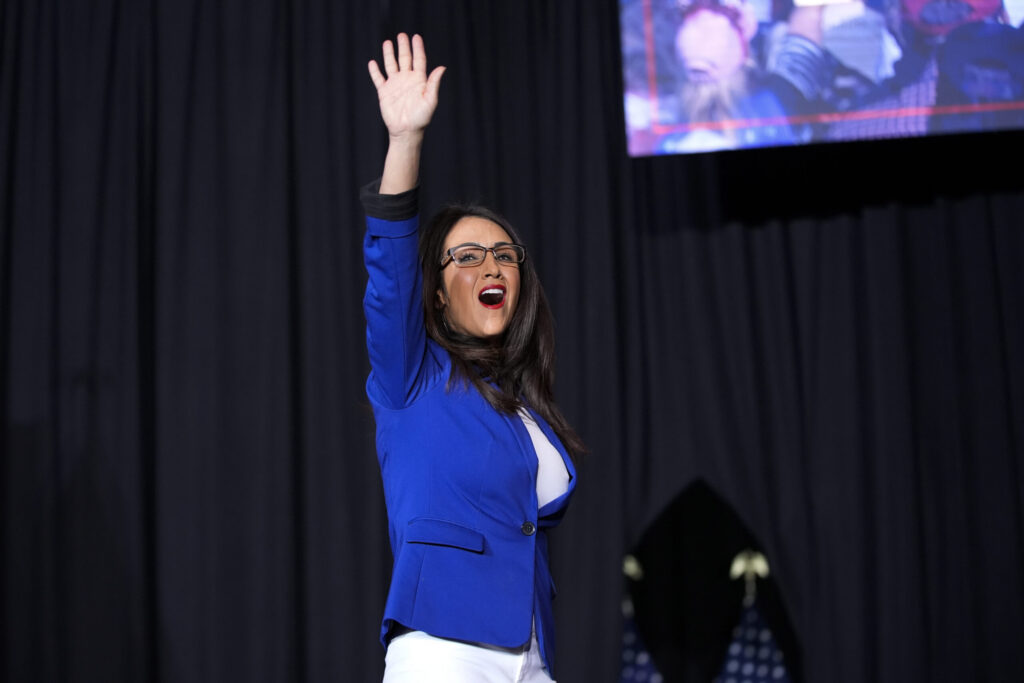
Lauren Boebert’s hard ‘no’ on Pentagon Iran funding request puts Mike Johnson in tough spot
Emily Hallas, Washington Examiner
emily.hallas.washington.examiner@gazetteedit.wpenginepowered.com
Updated 2 days ago
Colorado U.S. Rep. Lauren Boebert announced on Thursday that she will not support further funding for the United States’s war in Iran, marking an uphill battle for the Trump administration’s effort to secure additional financing from Congress. “I’ve already told...
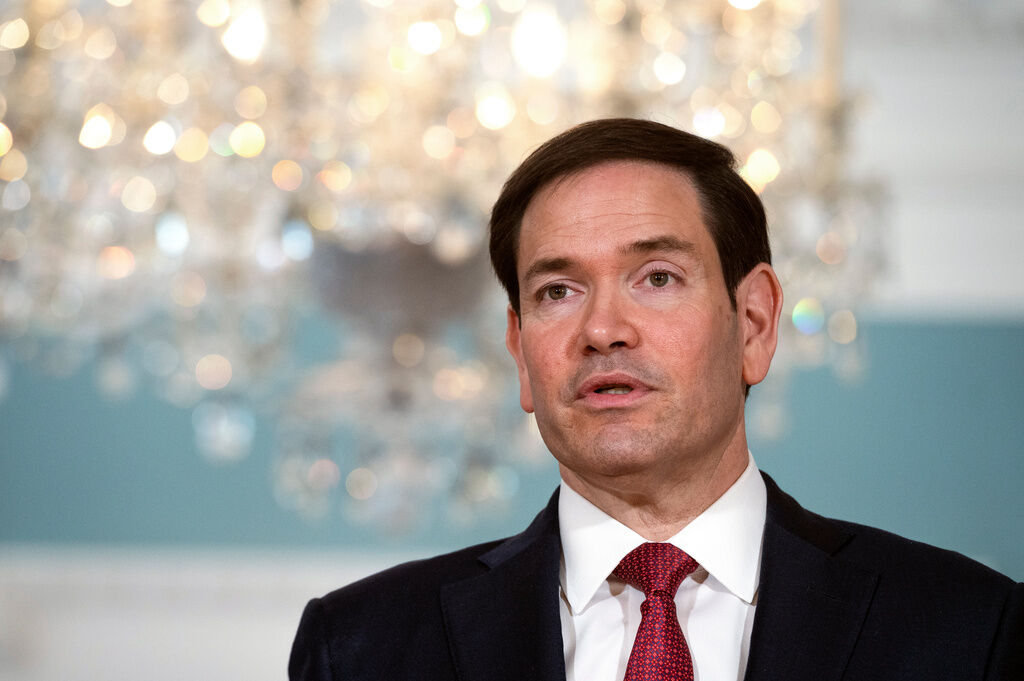
Rubio gains ground in 2028 jockeying as Iran war elevates his profile
Samantha-Jo Roth, Washington Examiner
samantha-jo.roth.washington.examiner@gazetteedit.wpenginepowered.com
Updated 2 days ago
Secretary of State Marco Rubio’s high-profile role in the Trump administration’s response to the Iran war is boosting his standing in the early jockeying for the 2028 Republican presidential nomination — and positioning him as a possible rival to Vice...