

DA declines to prosecute officers in Grand Junction police shooting

Prosecutors will not file charges against four law enforcement officials who used lethal force to kill a man in Grand Junction on March 17.
“The actions of Officers Wihera and Nelson, and Deputies Bailey and Hansen fall squarely within the use of deadly force in self-defense or defense of others justification,” wrote 21st Judicial District Attorney Daniel P. Rubinstein to the Colorado Bureau of Investigation in mid-June. “Accordingly, this matter is not appropriate for criminal prosecution.”
In Rubinstein’s narrative of events, police received 9-1-1 calls shortly after 7 p.m. describing a man harassing a group of boys who were playing basketball at Orchard Mesa Middle School. At one point, the man, Steve Alire, displayed a knife. When Alire, 51, walked away toward his house, he soon returned with what appeared to be a semi-automatic rifle, and pointed it at the basketball players.
Grand Junction Police Officers Thomas Wihera and Thomas Nelson responded, along with several Mesa County Sheriff deputies. Alire emerged from his house with his weapon, threw it on the ground and cursed at the assembled law enforcement from several dozen yards away. He returned inside his house and when he reemerged, went to pick up the gun again.
One of sheriff’s sergeants told Alire “not to reach for the rifle,” Rubinstein wrote. “Alire picked up the rifle and started to bring it up towards Officer Wihera. Officer Wihera feared Alire was going to shoot him or other police officers. Officer Wihera shot at Alire.”
Nelson’s body-worn camera clearly displayed Alire’s actions in the 23 seconds leading up to his killing. Nelson’s account of Alire’s actions was similar, with police being unable to understand what Alire was saying to them and the man disregarding their instructions. The officer fired from his own semi-automatic rifle after he saw Alire point the gun at him.
Although multiple officials at the scene heard Alire ask something to the effect of whether he should load his gun, Officer Andrew Martinez did “not recall Alire pointing the gun at the officers and cannot say Alire definitively pointed the gun.”
Deputies Shaver Hansen and Jason Bailey also fired at Alire, with Hansen stating that he thought to himself at the time: “I’m not gonna allow him to shoot us.” Hansen added that “there were no less lethal options” of engagement.
There were a total of 16 shots fired, and Alire’s weapon turned out to be an airsoft gun, which the CBI noted “is not a firearm.” The bureau released the district attorney’s letter on July 1.
State law allows the use of deadly physical force if a lesser degree of force is insufficient and a person reasonably believes that they are in danger of serious injury or death. A major policing reform bill that the legislature passed in June changed the use-of-force standard, permitting it “only if nonviolent means would be ineffective” in preventing death or injury.
The officers’ “use of deadly physical force against Mr. Alire,” Rubinstein concluded, “was authorized under the theory of self-defense.” He explained that the law subjectively allowed the officers to determine if their lives were in jeopardy, but also required that their beliefs be reasonable.
The district attorney argued a jury would deem it reasonable that “a person believes that they are in imminent danger of being killed by another when the other produces what objectively looks like an AR style rifle … and then despite being ordered to stay away from it … quickly tries to grab it and level it at the officers.”
In a GoFundMe campaign started for Alire’s family, his son, Matthew, wrote that “It pains me to have to ask and to even acknowledge this is real: nothing can replace or compare to my dads cocky smile, corky inappropriate jokes, and his all around good heart.”
Matthew Alire added, “He always put others before himself. Sometimes, too much so.”

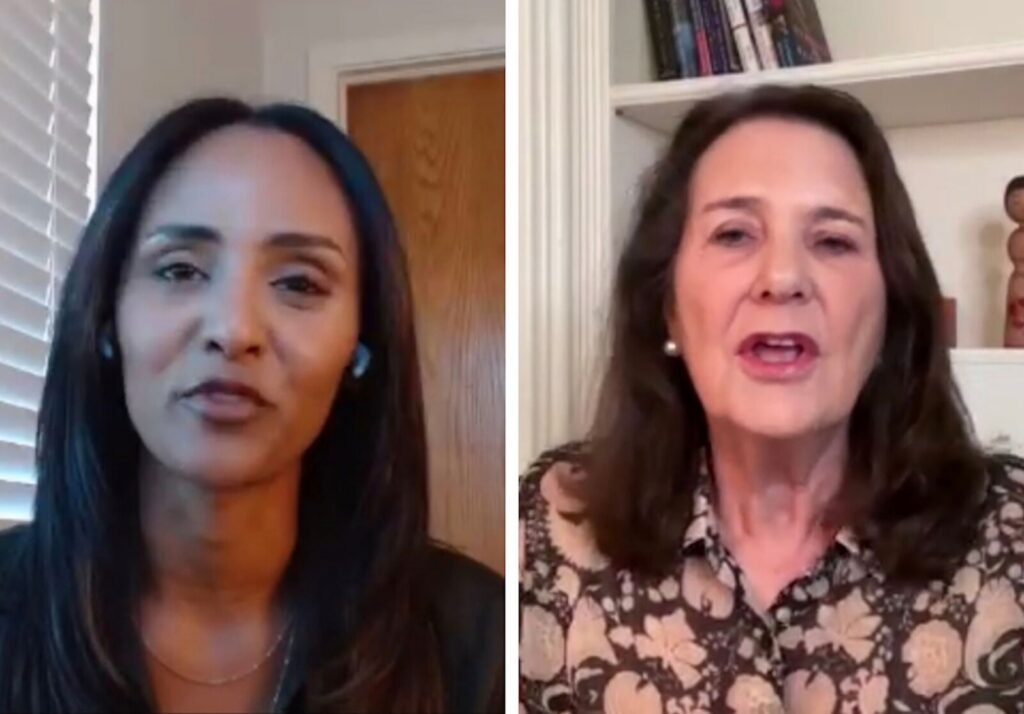
Denver Democrat Diana DeGette trails challenger Melat Kiros at assembly as both qualify for primary
Ernest Luning
ernest.luning@coloradopolitics.com
Updated 2 hours ago
U.S. Rep Diana DeGette, a Denver Democrat, qualified for Colorado’s June primary by the skin of her teeth Friday at the party’s district assembly, where the 15-term incumbent received fewer than half as many delegate votes as her challenger, 28-year-old...
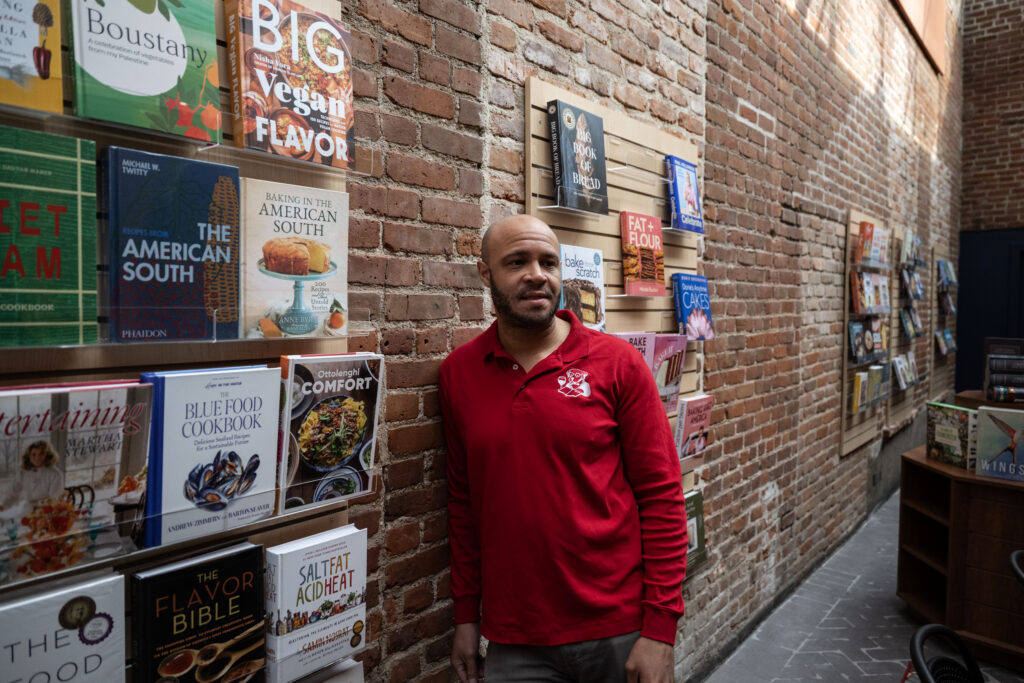
Kwame Spearman warrants plenty of criticism, not cancellation | SONDERMANN
By Eric Sondermann
by-eric-sondermann@coloradopolitics.com
Updated 2 days ago
All of us are flawed humans, some more so than others. This is the tale of Kwame Spearman who burst onto Denver’s business and political scene a handful of years back. His ride has taken a downhill trajectory. Within the...

Colorado Politics Calendar Mar. 30-Apr. 5
Rachael Wright, Special to Colorado Politics
rachael.wright@coloradopolitics.com
Updated 1 day ago
CoPo’s weekly political calendar will help you find political and public-policy events throughout Colorado. It includes candidate and issue campaign events, public policy meetings, court hearings, state and local party conventions, assemblies, debates, rallies, parades, speaking engagements, traveling dignitary appearances,...
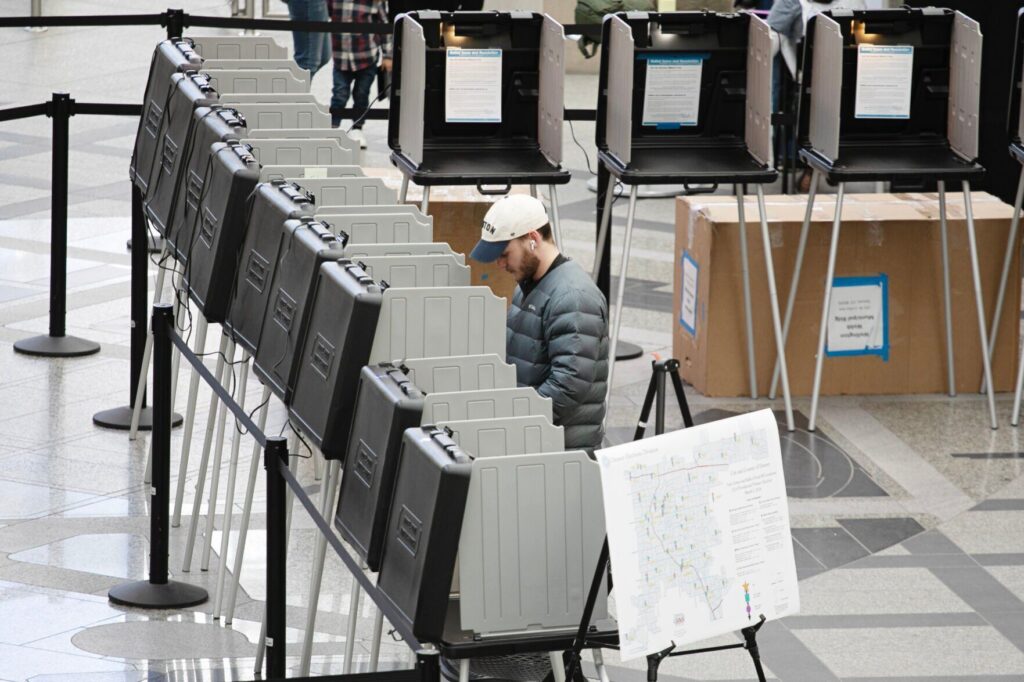
Federal judge upholds constitutionality of Colorado campaign contribution limits
Michael Karlik
michael.karlik@coloradopolitics.com
Updated 14 hours ago
A federal judge upheld Colorado’s individual campaign contribution limits as constitutional on Thursday, finding that three Republican plaintiffs failed to prove the campaign finance framework violates their First Amendment rights. U.S. District Court Senior Judge John L. Kane recognized that...
Appeals court rejects theory that existing tax revenue undermines need for new fees
Michael Karlik
michael.karlik@coloradopolitics.com
Updated 19 hours ago
Colorado’s second-highest court rejected a plaintiff’s claim on Thursday that the tax revenue generated by an existing activity should prevent local governments from imposing new fees aimed at regulating the activity. The question stemmed from Colorado’s unique constraints on taxation...
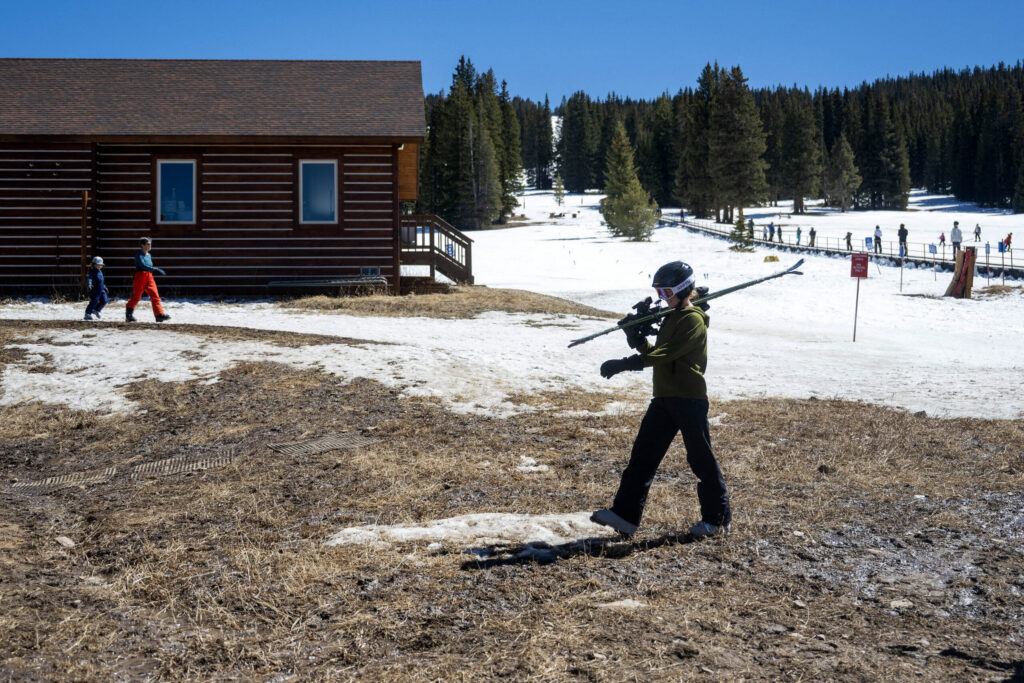
Colorado ski resorts announce early closures amid historic snowpack lows, high temperatures
Kyla Pearce
kyla.pearce@gazette.com
Updated 20 hours ago
As Colorado’s historically low snowpack year comes to a close and spring conditions take over the mountains, the state’s major ski resorts are announcing closing dates — some of which are weeks before historic closing dates. Most of Colorado’s ski...

Marco Rubio’s star power rises at CPAC 2026
Mabinty Quarshie and Samantha-Jo Roth, Washington Examiner
mabinty.quarshie.and.samantha-jo.roth.washington.examiner@gazetteedit.wpenginepowered.com
Updated 22 hours ago
GRAPEVINE, Texas — Secretary of State Marco Rubio’s popularity is growing and could possibly boost him to one of the top two spots in the 2028 GOP presidential race, if attendees at the Conservative Political Action Conference are to be believed. ...

Boulder police investigate sexual assault, ‘drugging’ at bar near CU
Matt Kyle
matt.kyle@denvergazette.com
Updated 23 hours ago
The Boulder Police Department is investigating reports of sexual assault and “suspected drugging” involving underage girls at a bar. There may be additional victims who have not yet come forward, the department said in a news release. The bar, Scrooge...
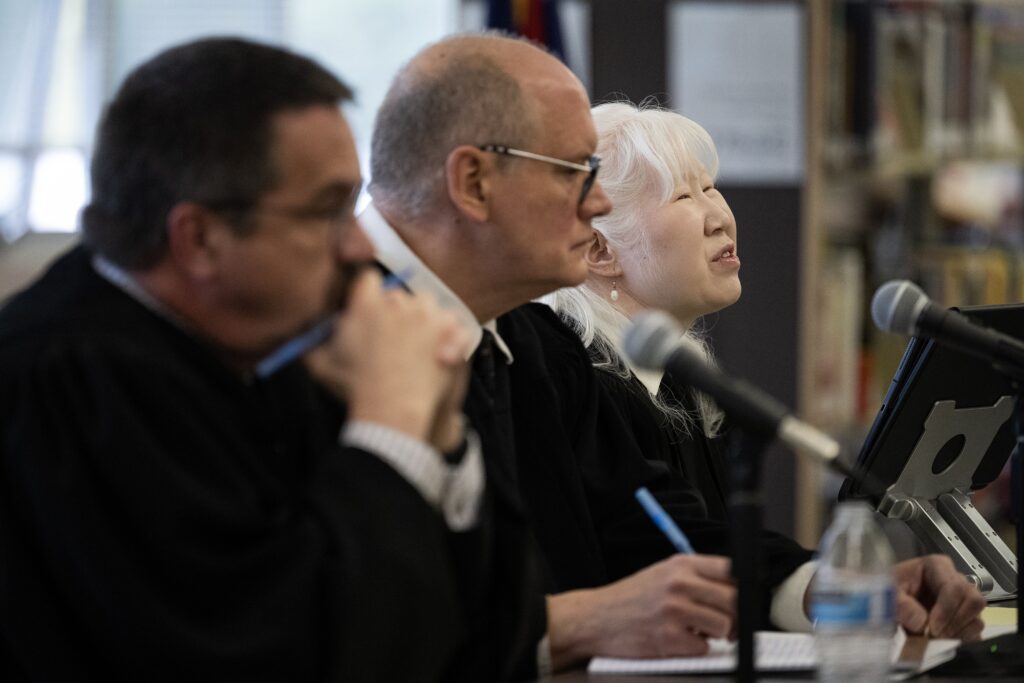
Appeals court finds no illegal sentence when defendants forfeit time-served credit
Michael Karlik
michael.karlik@coloradopolitics.com
Updated 1 day ago
Colorado’s second-highest court ruled on Thursday that criminal defendants may agree to relinquish the credits they earned while incarcerated pending trial, despite a state law guaranteeing that such time “shall be deducted” from a person’s sentence. Kerry Ellis Endsley pleaded...
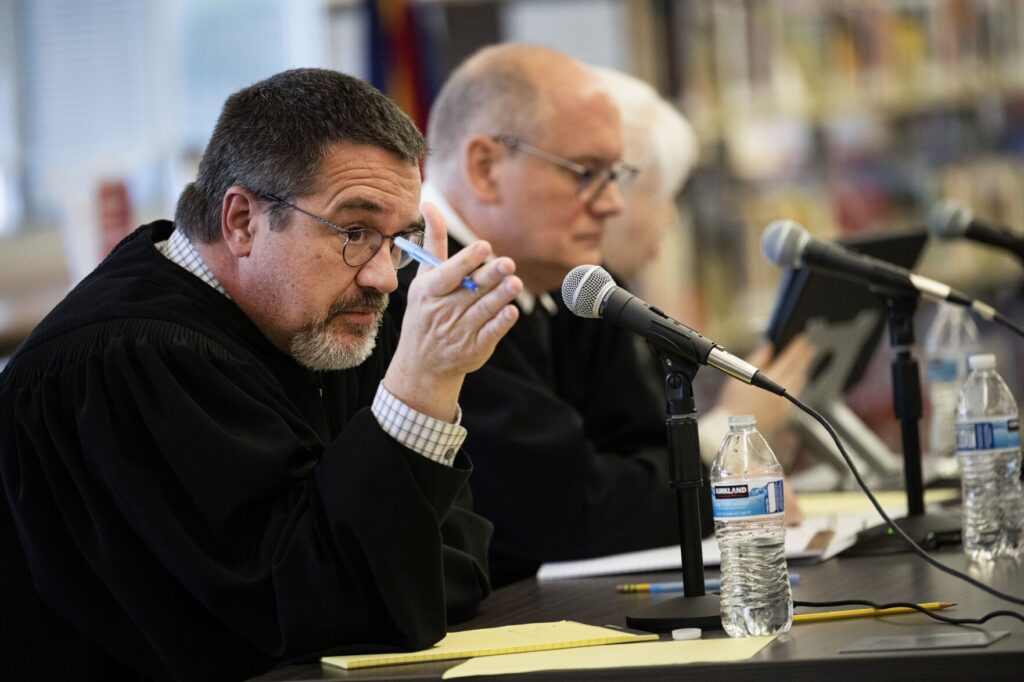
Appeals court reinstates Garfield County arson charge
Michael Karlik
michael.karlik@coloradopolitics.com
Updated 2 days ago
Colorado’s second-highest court reinstated a Garfield County defendant’s arson charge on Thursday, concluding a trial judge improperly credited a witness’s claim that she alone was responsible for starting the fire. A sheriff’s deputy responded to a brush fire near Parachute...
PREV
PREVIOUS

Q&A with Bill Jerke — statesman, ag man
Brief bio: Executive director, Fostering Unity and Energizing Leadership. Served as a Republican in the state House of Representatives, 1988-1996. Weld County commissioner, 2001-2008. Spent much of his life working the family farm near LaSalle. Colorado Politics: Not long ago, you chided Gov. Jared Polis in a letter to the editor for his musings on meat […]

Groups suing Interior ask acting land management head to step aside during nomination
The organizations suing the U.S. Department of the Interior on claims that it violated federal law through the continued reappointment of the acting head for federal lands are now saying he must step down to undergo a formal nomination before the U.S. Senate. The department on Monday responded with a denial that the official, William Perry […]