

At George Floyd protest, Herod and Garcia present bill aiming to keep law enforcement accountable
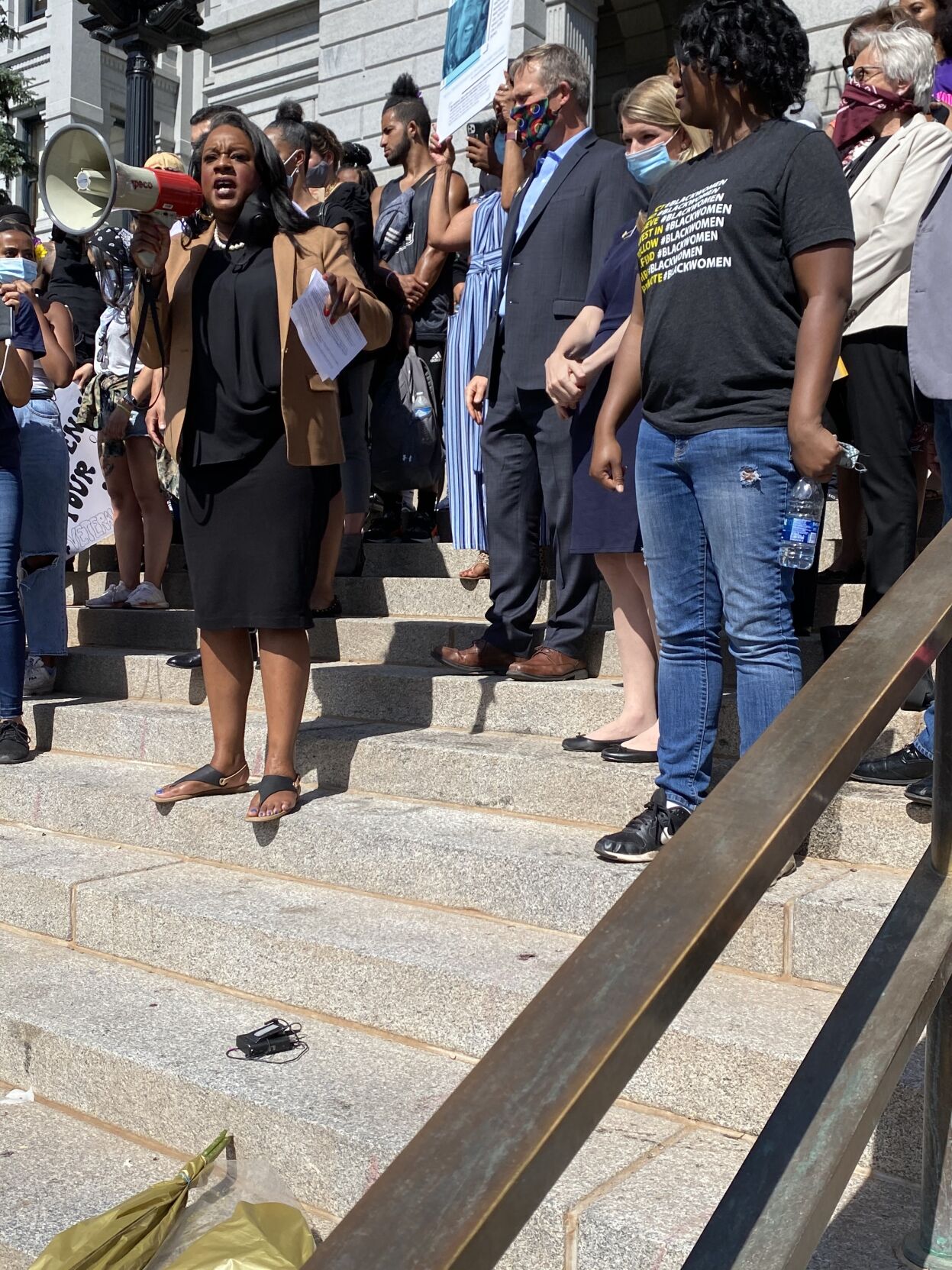
Hundreds protesting the death of George Floyd for the sixth straight day, marched to the west steps of the state Capitol on Tuesday to hear about a bill that would change the way police-involved deaths are investigated in Colorado.
The Police Integrity Transparency and Accountability Act would create a statewide program through the Colorado Attorney General’s office to independently investigate and review police and sheriffs departments that engage in “serious patterns and practices of excessive force, biased policing and other unconstitutional practices by law enforcement.”
“We’re going to strip the immunity law enforcement has when they kill us,” on of the bill’s sponsors, Rep. Leslie Herod, D-Denver, told the gathering.
Accompanying her was co-sponsor Senate President Leroy Garcia, D-Pueblo, and family members of men who died at the hands of law enforcement. They told the crowd what it was like when their own loved ones were the victims of police-involved deaths.
“I know how George’s family feels – it happened right here in Colorado! It happened here in Denver – it happened right across the street!” yelled Natalia Marshal, whose uncle, Michael Marshall, was killed by deputies in Denver’s downtown jail nearly five years ago. Marshall was a 50-year-old man who suffered from psychotic episodes when he was arrested for disturbing the peace at a motel in November 2015. He aspirated on his own vomit as deputies held him down; he died after being in a coma for 9 days.
“I will never ever get to see my uncle again while these officers are walking around free,” Marshall told the crowd. Sheriff’s deputies were not prosecuted in the incident. The Marshall family won a $4.6 million settlement from the city of Denver, and the incident led to a change in how the Sheriff’s Department handles mentally ill inmates.

Sheneen McClain, whose 23-year-old son, Elijah, died in August during a fatal encounter with the Aurora Police Department, asked the crowd why they weren’t there for her last summer.
“Maybe you were too busy!” she scolded them. They answered by shouting his name over and over.
De’Von Bailey was shot in the back as he ran from Colorado Springs police officers on Aug. 3, 2019. Attorney Dan Kay, who represents Bailey’s family, spoke with Colorado Politics from his office in Colorado Springs.
Bailey’s death was determined to be justified by an El Paso County grand jury last November; Kay believes the close ties between the city and county agencies led to that decision, and an independent investigation would eliminate any bias.
“The biggest problem that we had with the process is that they should have allowed the AG’s office to investigate the wrongful shooting,” he said.
Kay plans to take the case to federal court, and said he will file a civil rights lawsuit on Thursday
Also present at the press conference were members of the Colorado Black Legislative Caucus and Latino Caucus.
Rep. Rhonda Fields, D-Aurora, as she joined her colleagues on the Capitol steps, remarked that she is “sick and tired of seeing the murder of peaceful, unarmed black men.”
The state’s three law enforcement unions weighed in on the issue as well, calling on lawmakers to strengthen state law to make it a crime for officers to stand by when a crime of “unreasonable force” is going on. “We are shocked and disgusted by the indefensible use of force that led to George Floyd’s recent death in Minneapolis,” Broomfield Police Chief Gary Creager, chair of the Colorado Association of Chiefs of Police, said in a statement. “We have heard that our community wants increased accountability, and today we urge the Colorado Legislature, in the short time they have remaining in the session, to add a Duty to Intervene to state statue.”
The change proposed by the Fraternal Order of Police, the County Sheriffs of Colorado and the Colorado Association of Chiefs of Police is already expected, but the new language would make the duty to intervene a statutory requirement.
Though the legislative session was cut short due to COVID19, Herod feels there is enough time to get the bill through. “It’s time for meaningful reform and it starts right here today at the State Capitol.”
Given the Democratic party majorities in both chambers, the bill could pass without needing a single Republican vote if all Democrats are in agreement.
The legislation would also make it harder for law enforcement with misconduct incidents to move to other jobs after being disciplined or fired, by giving give the state agency that accredits officers more power to revoke that certification.
“If they get fired, or found guilty of a crime, they would get decertified so they can’t move from one force to the next,” Kay, who is helping organize the legislative effort, said.
Besides creating a new department within the AG’s office, the new bill would ensure that every law enforcement officer in the state wears a body camera, which Herod acknowledged would add millions of dollars to an already-strapped state budget.
The Colorado General Assembly Democrats on Wednesday released a statement about the bill, writing that SB 20-217 will work to “prevent the rehiring of officers who are found untruthful, terminated for cause, or are decertified, by listing them in a database that would prevent them from moving from one law enforcement agency to another, where they could continue to do harm.”
“Finally, this legislation would remove the ability of officers to avoid public accountability by removing their eligibility for qualified immunity,” the assembly stated.


U.S. House probes reports of fraud, waste in Colorado’s Medicaid program
Marianne Goodland
marianne.goodland@coloradopolitics.com
Updated 3 hours ago
A congressional committee is probing reports of waste, fraud and abuse in Colorado’s Medicaid program, citing recent stories outlining over-billing in transportation spending and alleged improper payments in autism services. The U.S. House Committee on Energy and Commerce has sent...

Colorado’s congressional redistricting proposal could flip three Republican House seats | ANALYSIS
Michael Braithwaite
michael.braithwaite@gazette.com
Updated 6 hours ago
A Democrat-backed proposal to redraw Colorado’s congressional map for the 2028 election could flip three Republican districts. The proposal, introduced by a group called Coloradans for a Level Playing Field, is yet another development in a national redistricting debate after...

Appeals court overturns Douglas County vehicular homicide conviction due to faulty jury instructions
Michael Karlik
michael.karlik@coloradopolitics.com
Updated 12 hours ago
Colorado’s second-highest court overturned a defendant’s vehicular homicide conviction and 12-year prison sentence on Thursday after determining a Douglas County judge omitted key language from the jury instructions that could have resulted in a different outcome. James Paul McDonald was...
Colorado lawmakers’ speeches on immigration, Iran draw worries about decorum, grandstanding
Marianne Goodland
marianne.goodland@coloradopolitics.com
Updated 10 hours ago
Several speeches from Colorado legislators this week have raised new worries about decorum and grandstanding in the state House after two members talked about immigration and Iran using what’s called a “point of personal privilege.” Under the rules of the...
Trump fires Homeland Security Secretary Noem after building criticism over immigration enforcement
Michelle L. Price
michelle.l..price@associatedpress.com
Updated 12 hours ago
WASHINGTON (AP) — President Donald Trump on Thursday fired his embattled Homeland Security Secretary Kristi Noem and said he will nominate in her place Oklahoma Republican Sen. Markwayne Mullin. Trump made the announcement on social media on Thursday, two days...
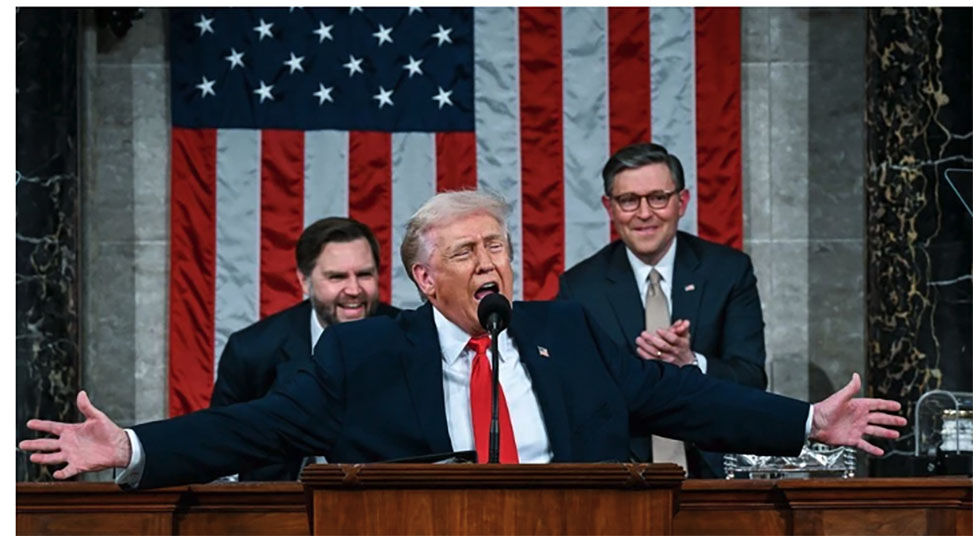
Trump wants to be personally ‘involved’ in picking next Iranian leader: Report
Christian Datoc, Washington Examiner
christian.datoc.washington.examiner@gazetteedit.wpenginepowered.com
Updated 13 hours ago
President Donald Trump told Axios Thursday that he wants to be personally involved with picking Iran‘s next leader, despite multiple senior administration officials repeatedly declaring that “regime change” is not a stated objective of Operation Epic Fury. Trump conducted an...

Iran widens regional war with first strike into Azerbaijan
Brady Knox, Washington Examiner
brady.knox.washington.examiner@gazetteedit.wpenginepowered.com
Updated 13 hours ago
Iran spread the growing regional war to the Caucasus with its first drone strike into Azerbaijan, hitting an airport terminal and damaging a nearby school. A video recorded by someone at Nakhchivan International Airport showed one of the drones exploding...
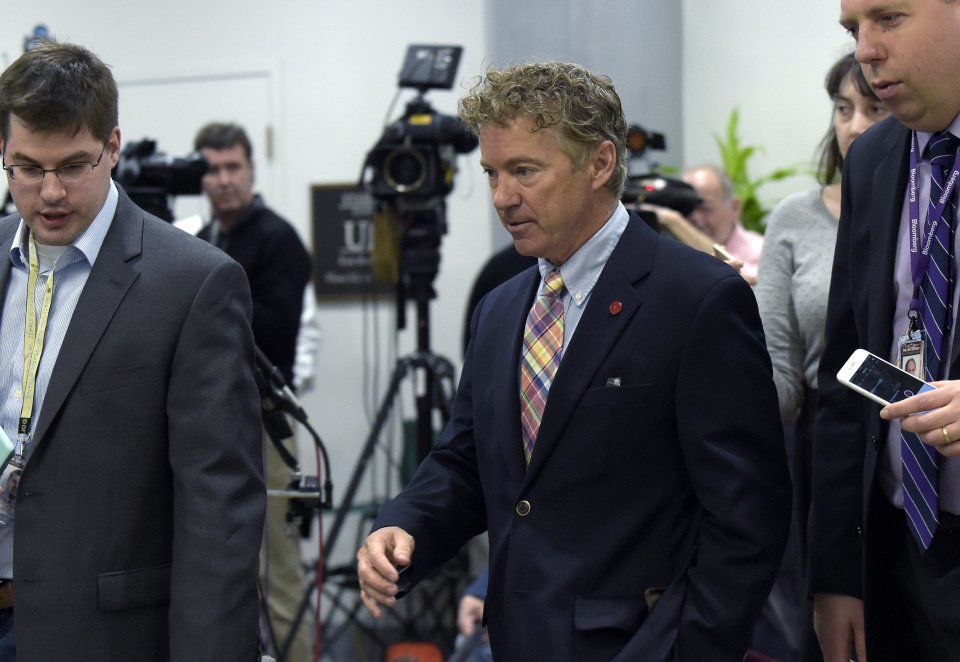
Rand Paul excoriates Congress for failure to pass War Powers Resolution: ‘Should be ashamed’
Claire Carter, Washington Examiner
claire.carter.washington.examiner@gazetteedit.wpenginepowered.com
Updated 13 hours ago
Sen. Rand Paul (R-KY) blasted his colleagues for failing to pass a resolution aimed at limiting President Donald Trump’s military campaign in Iran. The Kentucky Republican made the remarks in an opinion column published on Fox News a day after...
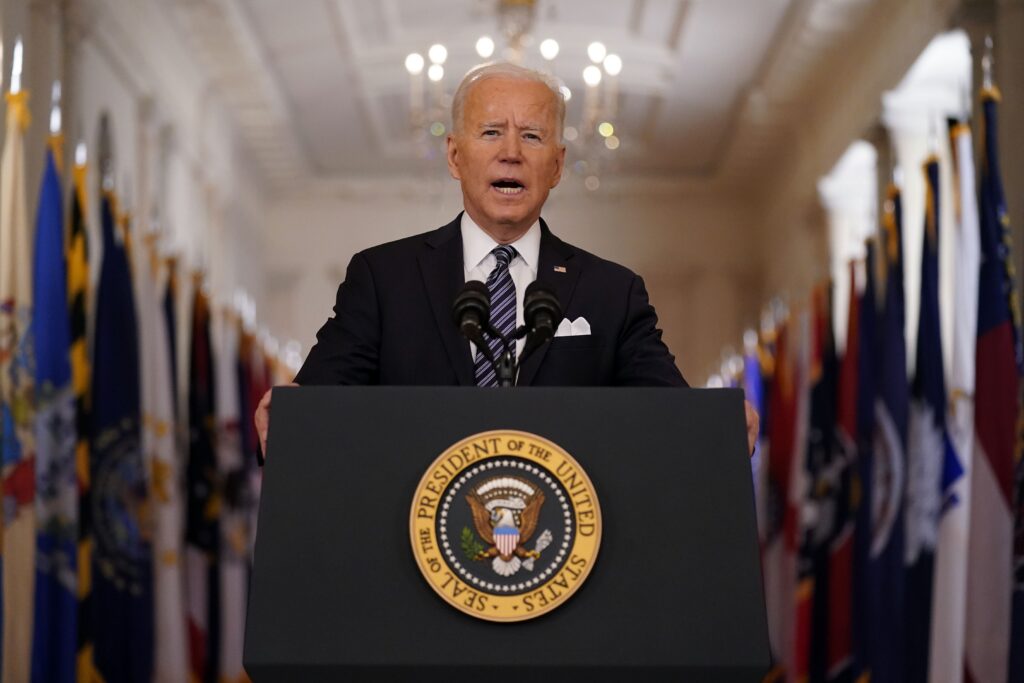
DOJ quietly closes autopen investigation targeting Biden and aides
Kaelan Deese, Washington Examiner
kaelan.deese.washington.examiner@gazetteedit.wpenginepowered.com
Updated 13 hours ago
The Department of Justice has quietly closed an investigation into former President Joe Biden’s use of an autopen to sign official documents, according to a source familiar with the matter. DOJ pardon attorney Ed Martin, the former “weaponization” czar, opened...

Colorado legislators eye changes to credit card ‘swipe fees’
Marianne Goodland
marianne.goodland@coloradopolitics.com
Updated 11 hours ago
Colorado legislators are proposing to eliminate “swipe fees” on sales taxes, a move that proponents say would save businesses tens of thousands of dollars a year but which will likely revive counter-arguments that those fees help create a stable and...
PREV
PREVIOUS

Denver protest organizer Tay Anderson interviewed on PBS NewsHour, CNN
Black Lives Matter activist and Denver school board member Tay Anderson, an instrumental organizer in recent protests against police brutality, appeared Monday evening on PBS NewsHour and CNN to talk about how racial tensions are playing out in Denver since George Floyd was killed May 25. “As a black man, every day I wake up […]

COVER STORY | The Mountain Rebound: Colorado ski towns struggle to reopen and welcome an infected world
VAIL – The mayors of Colorado’s top two ski towns in terms of annual skier visits – Eric Mamula of Breckenridge and Dave Chapin of Vail – have a lot in common. They’re both restaurateurs deeply concerned about their essential workers. They’re both working hard on economic recovery. And they both know COVID-19 all too well. Chapin […]