

State Supreme Court decides 4-3 that ‘trivial’ courtroom closure did not violate Sixth Amendment
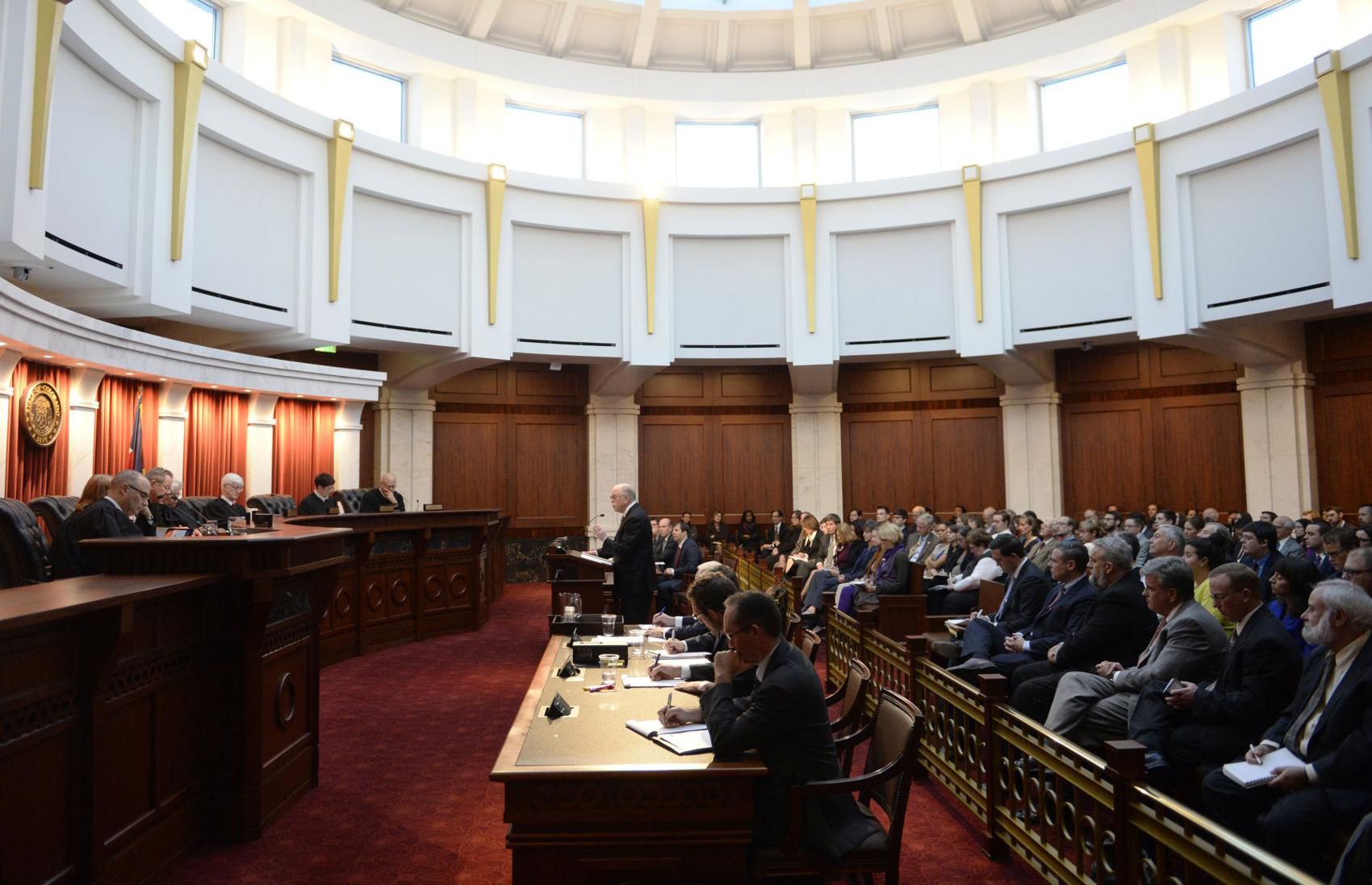
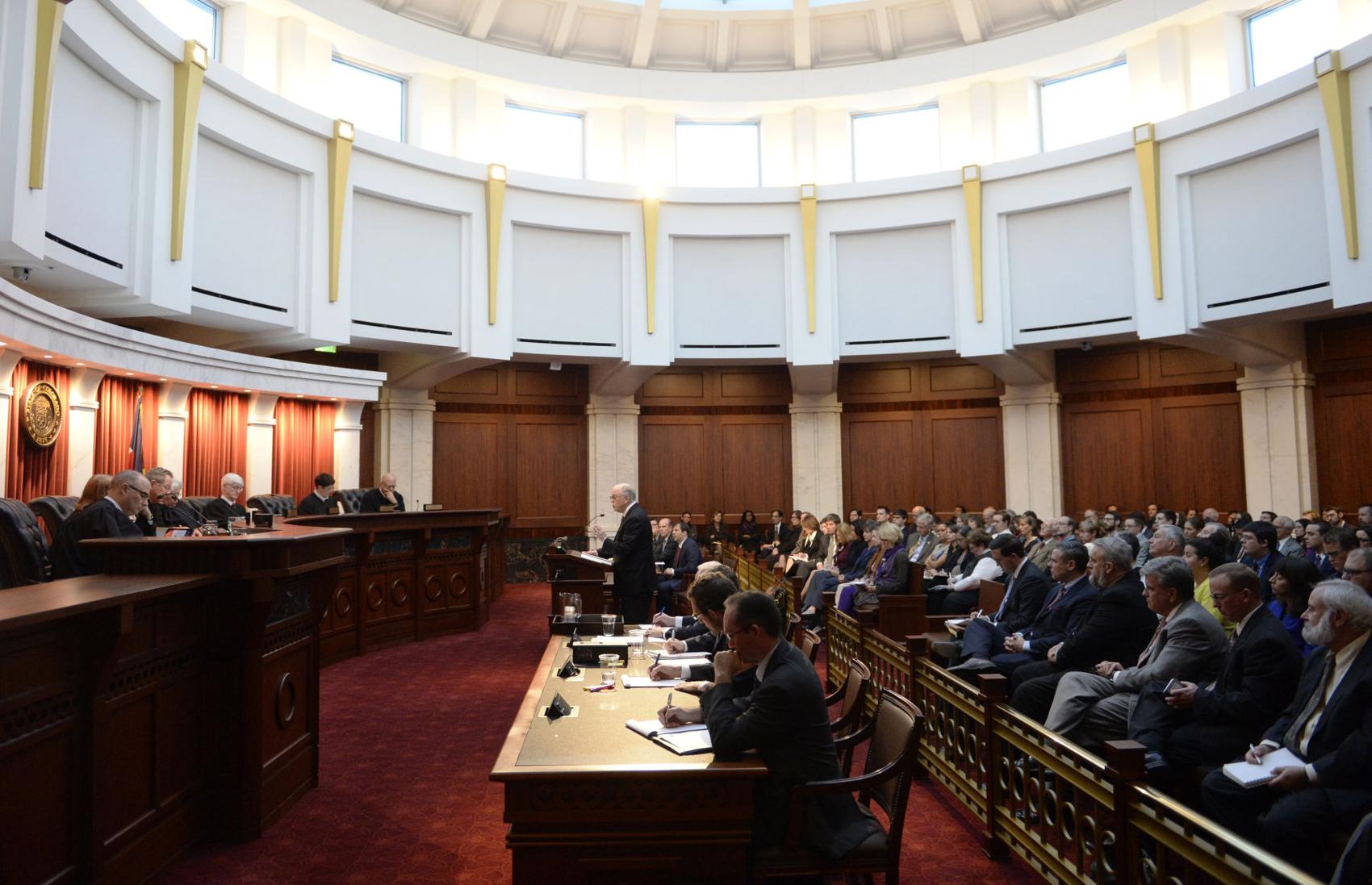
In a 4-3 decision on Monday, the Colorado Supreme Court held that the temporary closure of a courtroom to re-read a jury instruction was trivial and did not undermine the defendant’s right to a public trial under the Constitution, and further decided that triviality will be the new benchmark for similar cases in the future.
Abel Lujan stood trial for first-degree murder in the 1999 beating and strangulation of his girlfriend. He admitted that he killed her, but that he did so impulsively and not intentionally. Two women, Lujan’s ex-wife and ex-girlfriend, testified about his violent behavior and attempted strangulation or suffocation of them. District Judge Andrew R. Macdonald instructed the jury to only use that testimony to establish the defendant’s intent or motive. Macdonald read this guidance aloud, and did not give it in writing to jurors.
During deliberation, the jury sent a question to the judge asking for written clarification on that specific instruction. Prosecutors asked for another oral reading from Macdonald, who in turn gave two options to Lujan’s lawyer. Macdonald could send back a written instruction without a qualifier Lujan wanted about character evidence or he could read the instruction aloud again. Lujan chose the latter.
However, Macdonald decided to close the courtroom to everyone except himself, the bailiff and the court reporter for the reading, to which Lujan’s attorney objected. Macdonald countered that “you never bring a jury out in front of the parties again” once deliberation starts. The jury returned and heard the two-paragraph instruction read a second time, which included the direction to “consider this evidence as it relates to Mr. Lujan’s motive in committing the acts in this case.”
Subsequently, the jury found Lujan guilty of second-degree murder.
Lujan appealed, arguing that Macdonald violated his Sixth Amendment right to a “speedy and public trial.” The Colorado Court of Appeals sided with Lujan and ordered a new trial. The prosecution, consisting of Attorney General Phil Weiser’s office, asked the Supreme Court to label the courtroom closure as trivial, and therefore not a violation of Lujan’s rights.
Justice Brian D. Boatright, writing for the Supreme Court’s majority, described the goal of the Constitution’s public trial guarantee as the preservation of fairness in the judicial system. However, courts have decided elsewhere that not every courtroom closure is a Sixth Amendment violation.
“Factors to be considered include the duration of the closure, the substance of the proceedings that occurred during the closure, whether the proceedings were later memorialized in open court or placed on the record, whether the closure was intentional, and whether the closure was total or partial,” Boatright explained. The majority determined that the “triviality standard” should be standard procedure for Colorado courts going forward.
In contrast to Lujan’s characterization that the closure was “total in scope,” prosecutors maintained that it was brief, did not include witnesses, was a repetition of earlier proceedings and covered no new evidence. Boatright agreed with that characterization, saying that other parties had the opportunity to hold the court accountable during the previous public reading of the instruction.
“Ultimately, the court did exactly what it said it would do,” he wrote. “There was not any additional conversation, instruction, or clarification given by the judge.”
On behalf of herself and Justices Richard L. Gabriel and Melissa Hart, Justice Monica M. Márquez flatly rejected the notion that the closure was trivial, arguing instead that it “undermined the interests served by a public trial.” She called the trial court judge’s belief about whether a deliberating jury could see the parties again “mistaken,” and said that the closure was deliberate, unlike in other cases where it was an inadvertent error.
“The presence of court personnel in the courtroom is no substitute for the public’s attendance at a trial, let alone a substitute for the presence of counsel or the defendant himself,” Márquez wrote. She added, in a swipe at the majority, that not only had they adopted the triviality standard, but they applied it to a matter that, in her opinion, was clearly not trivial.
The case is The People of the State of Colorado v. Abel Lujan.


Trump lowers flags to half-staff for Dolly Parton: ‘The World loves you’
Naomi Lim
naomi-lim@coloradopolitics.com
Updated 15 hours ago
President Donald Trump is honoring the life of country music legend and philanthropist Dolly Parton by ordering federal buildings across the country to lower flags to half-staff for a week. “Very sad to report that Dolly Parton, one of the...
Ted Cruz suggests GOP realignment coming after Trump leaves office
Emily Hallas
emily-hallas@coloradopolitics.com
Updated 15 hours ago
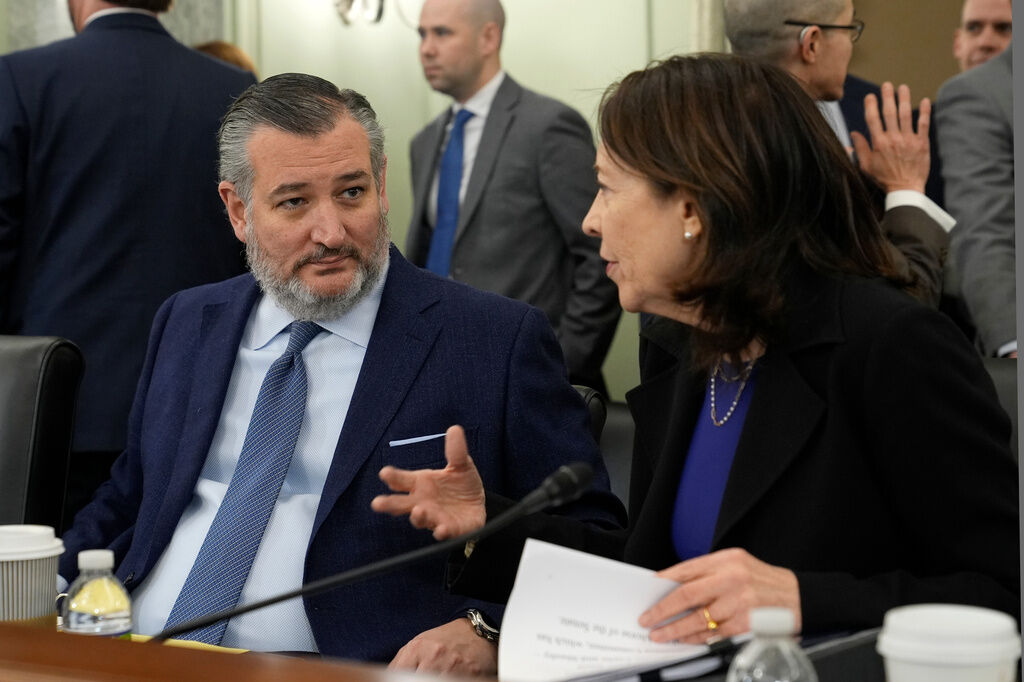
Sen. Ted Cruz (R-TX) on Monday suggested the Republican Party could embrace a directional shift after President Donald Trump leaves office, a transition that promises to leave a gaping hole in the GOP. Cruz is known as a critical ally...
2 Colorado State troopers shot near Woodland Park; suspect killed
DEBBIE KELLEY
debbie-kelley@coloradopolitics.com
Updated 15 hours ago
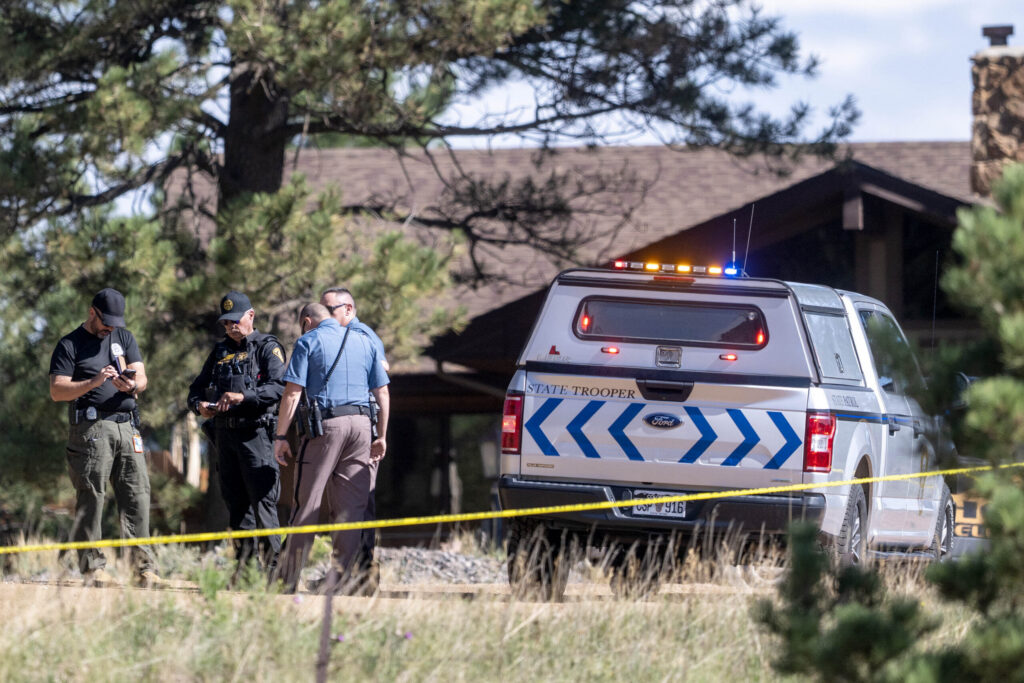
Two Colorado State Patrol troopers were hospitalized, and a suspect is dead after a shooting during a traffic stop Tuesday. The initial incident happened at about 7:15 a.m., when a resident reported suspicious activity in the area near milepost 286...
Aurora moves forward with data center regulations
Kyla Pearce
kyla.pearce@gazette.com
Updated 15 hours ago
The Aurora City Council approved moving forward with two new regulations on data centers and directed staff to come back at the next study session with others. At a council meeting in early August, council members directed city management to...

Aurora City Council considers stricter food truck regulations
Kyla Pearce
kyla.pearce@gazette.com
Updated 15 hours ago
The Aurora City Council is considering passing laws to limit the number of food trucks on properties in the city and how and when they operate. Councilmember Angela Lawson, who sponsored the ordinance, said she understands the importance of food...
Denver murder conviction reversed for incomplete self-defense instruction
Michael Karlik
michael.karlik@coloradopolitics.com
Updated 13 hours ago
Colorado’s second-highest court reversed a defendant’s murder conviction last week because a Denver judge gave an incomplete instruction to the jury about the man’s right to self-defense. Donald R. Gonzales and Gary McLaughlin met up in a Capitol Hill parking...
Colorado lawmaker, House leaders named in workplace-retaliation lawsuit
Marianne Goodland
marianne.goodland@coloradopolitics.com
Updated 16 hours ago
A former legislative aide has filed a lawsuit alleging she was mistreated, illegally directed to perform campaign work and harmed by a House leadership structure she charged was fragmented, politicized and ineffective at protecting employees. The lawsuit, filed by Jennifer...
Secret Service confirms awareness of Iranian state media video threatening Barron Trump’s life
The Associated Press
the-associated-press@coloradopolitics.com
Updated 21 hours ago
WASHINGTON (AP) — The U.S. Secret Service has confirmed it is aware that Iranian state media has aired a video that appears to threaten the life of Barron Trump, President Donald Trump’s youngest son. “The U.S. Secret Service is aware...
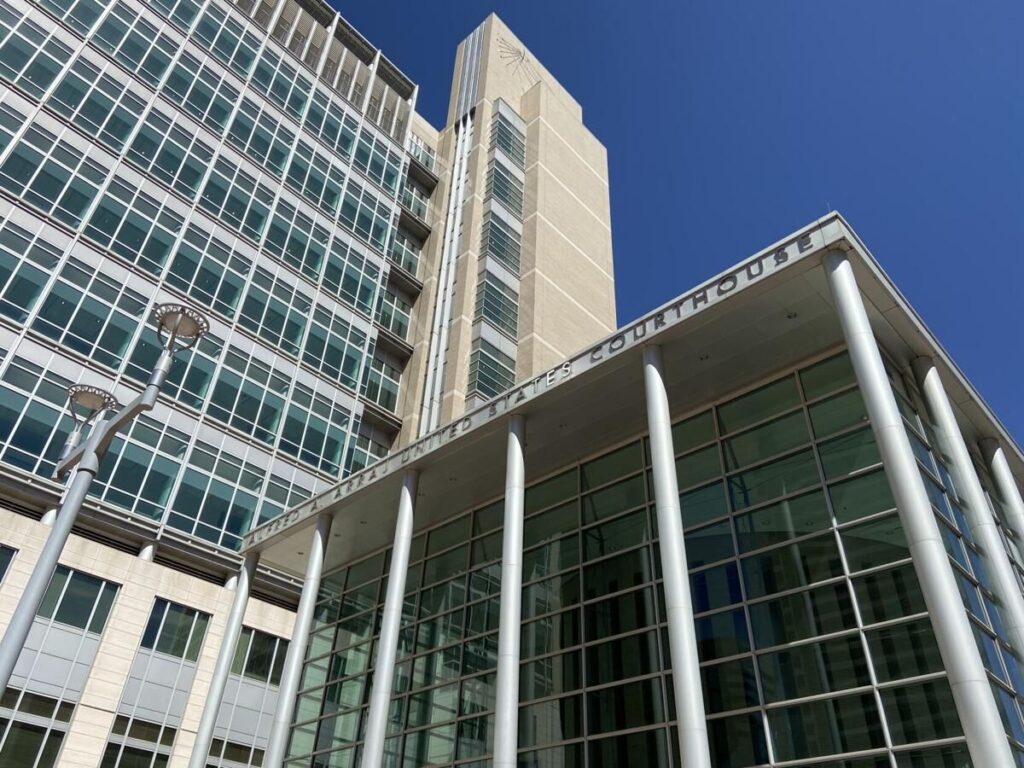
Federal judge hears arguments about Colorado’s 3-day gun purchase waiting period
Michael Karlik
michael.karlik@coloradopolitics.com
Updated 20 hours ago
A federal judge heard arguments on Monday about the constitutionality of a 2023 Colorado law that generally imposes a three-day waiting period on firearm purchases after the initiation of a background check. The test that the U.S. Supreme Court created...
Denver auditor finds oversight failures in $175.6M 16th Street project
Nico Brambila
nico.brambila@denvergazette.com
Updated 15 hours ago
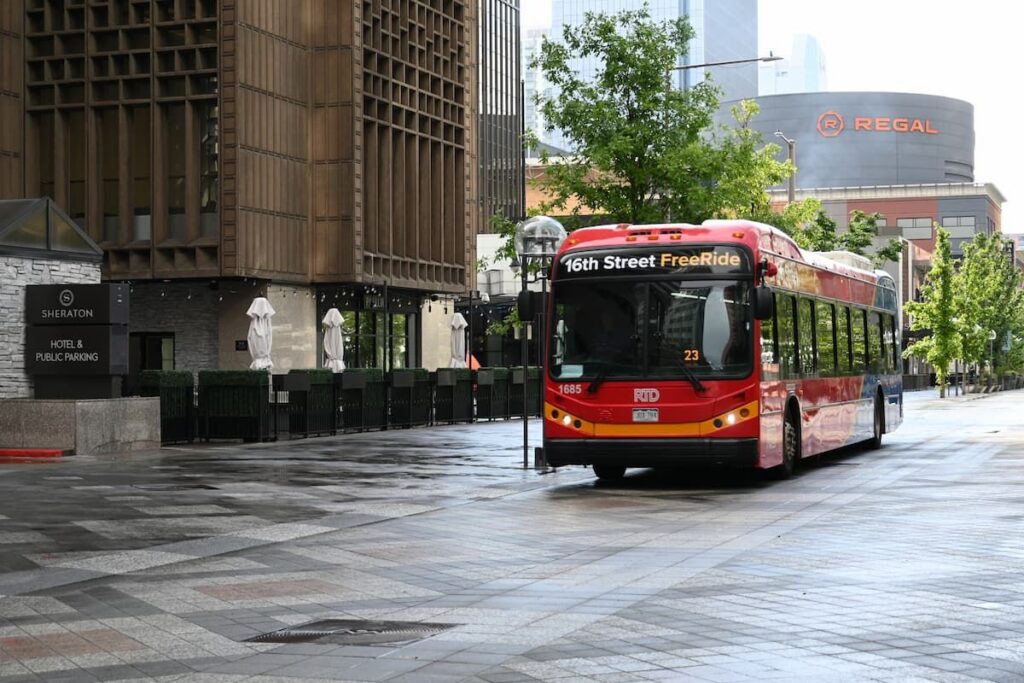
Surprise historic sewer discovery delayed completion a year, cost $18M The Denver Auditor recently found significant oversight and contracting problems with the $175.6 million 16th Street Improvement Project, including an $18 million contract increase and a nearly one-year extension that...
PREV
PREVIOUS

Q&A with Holly Williams | El Paso County commissioner
Elected in January 2019 to the El Paso County Board of Commissioners. Serves on the Pikes Peak Area Council of Governments, the Pikes Peak Rural Transportation Authority, and the Pikes Peak Rural Water Authority. Appointed El Paso County public trustee, 1999-2007. Holds a bachelor’s degree from the University of Virginia and a master’s of public administration […]

Cannabis companies issue 4/20 challenge to benefit state COVID-19 relief fund
On a day usually reserved for mass gatherings of those who celebrate cannabis, cannabis companies have challenged each other – as well as their supporters – to step up to the plate to contribute to the state’s COVID-19 recovery fund. Leading off the efforts: Good Chemistry, which last week donated $50,000 to the fund, the largest from […]