

Settlement in Firestone home explosion will fund public projects
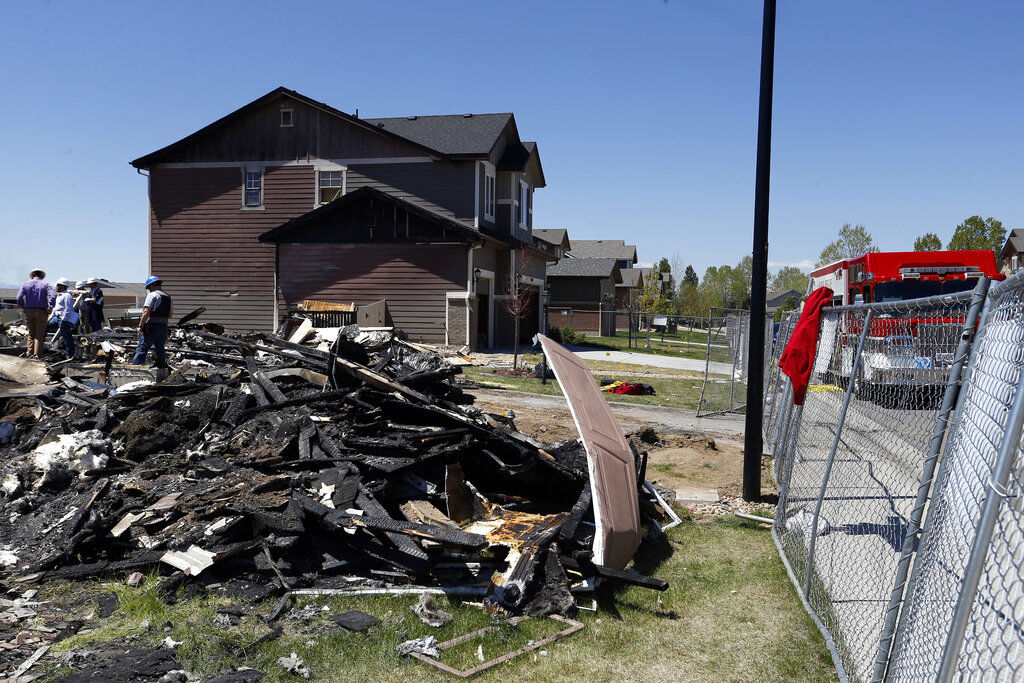
The Colorado Oil and Gas Conservation Commission approved an $18.25 million penalty, the largest such penalty in state history, against a company responsible for deadly 2017 home explosion in Firestone.
Two men, Mark Martinez and Joey Irwin, were killed when a flow line that was supposed to be shut down filled with gas, ruptured and exploded.
The money will go into a defined list of projects “that wouldn’t have gotten funded otherwise,” focused on detecting leaks and prevented future such accidents, including aerial surveys, emissions monitoring and high-tech equipment. The administrative order passed the regulatory commission unanimously.
Erin Martinez, the wife Mark Martinez and sister of Joey Irwin, said the family had no choice but accept the decision.
“For my family and I, today is an impossible day,” she told the commission. “How exactly are we supposed to put a dollar amount to the lives of two extraordinary men who really shouldn’t have lost their lives like this in the first place. How do we attach a number to all that we have lost.”
She said no amount of money could compensate for what she called “extreme negligence.” Though three years has passed, time has stood still for the family, she said, saying that if anything, time has only intensified the pain of losing her husband and brother.
“No amount of money can bring them back or lessen the immense amount of pain their loss brings,” she said.
Kerr McGee, the company responsible for the line, was sold to Occidental Petroleum last year.
The company’s lawyer, Mark Matthews, expressed condolences to the family and appreciation to the first responders and community members.
“Kerr McGee remains committed to doing its part to make sure nothing like this ever happens again,” he said, citing the safety efforts the company has instituted in its operations over the past three years.
He said the projects the money will significantly enhance regulators “to identify and significantly reduce leaks from lines and production facilities.”
“Kerr McGee knows that nothing it says or does here today can bring back what was lost in this accident, but it is our hope the extensive safety efforts that it has undertaken over the past three years and the penalty now being paid will help prevent a tragedy like this from happening again.”
The proceeds of the penalty will be called The Mark Martinez and Joey Irwin Memorial Public Projects Fund, and it includes:
- $2 million for aerial surveys of the Denver-Julesberg Basin to identify and reduce leaks.
- $2.1 million for the state health department to acquire and staff and air-monitoring van to determine and locate the source of leaks.
- $1.1 million for optical gas-imaging cameras.
- $2 million for research and development of satellite and remote sensing technology.
- $1.1 million for research and development at Colorado State’s Methane Emissions Technology Evaluation Center.
- $300,000 to update the state’s gas detection and metering equipment.
- $42,000 to acquire remote methane leak detectors.
- $50,000 to reimburse the Frederick Firestone Fire Protection District.
The families accepted an disclosed settlement from Anadarko in 2018.
Jeff Robbins, director of the state regulatory commission, said recently passed rules on flow lines will improve safety, noting that Erin Martinez participated in creating the new standard.
The new rules were the result of Senate Bill 181, adopted by the legislature last year to better regulate oil and gas operations.
“It’s our job at the Colorado Oil and Gas Conservation Commission to protect public safety, welfare and the environment,” he said. “We think the steps we took today do ensure public safety.”
He said the penalty accepted Monday held the operator accountable. The fine is the largest in the state’s history, far eclipsing the $1.6 million against Nobel Energy in 2018 over mechanical integrity issues.
The Firestone case added for the first time the aggravating factor of death to penalties assessed against the industry, Robbins said.
“It think it is appropriate and necessary to hold the operator accountable,” Robbins said.

Colorado Politics Calendar June 29-July 5
Rachael Wright, Special to Colorado Politics
rachael.wright@coloradopolitics.com
Updated 3 days ago
CoPo’s weekly political calendar will help you find political and public-policy events throughout Colorado. It includes candidate and issue campaign events, public policy meetings, court hearings, state and local party conventions, assemblies, debates, rallies, parades, speaking engagements, traveling dignitary appearances,...
Gov. Lamm’s GOP challenger gives insights into his campaign | A LOOK BACK
Rachael Wright, Special to Colorado Politics
rachael.wright@coloradopolitics.com
Updated 3 days ago
Forty-five years ago this week: “I see Gov. (Richard) Lamm is fairly popular in general,” said gubernatorial candidate and state Sen. Bill Hughes, R-Colorado Springs. “ … And he’ll be hard to beat.” Hughes was on a whirlwind campaign trail...
Giving credit to Polis where credit is due | SONDERMANN
Eric Sondermann
eric-sondermann@coloradopolitics.com
Updated 3 days ago
It is an understatement to suggest that Gov. Jared Polis has had a tough couple of months. The bloom was already off the rose and Coloradans were paying far more attention to the choice of his replacement than they were...

Bennet, Hickenlooper to vote against Trump’s 10th Circuit nominee from Colorado
Michael Karlik
michael.karlik@coloradopolitics.com
Updated 12 hours ago
Colorado’s two Democratic senators will not vote to confirm President Donald Trump’s nominee to a vacancy on the Denver-based federal appeals court. Trump has selected U.S. District Court Chief Judge Daniel D. Domenico, who he appointed as a federal trial...
Who’s spending in Colorado to get your vote?
Marianne Goodland
marianne.goodland@coloradopolitics.com
Updated 9 hours ago
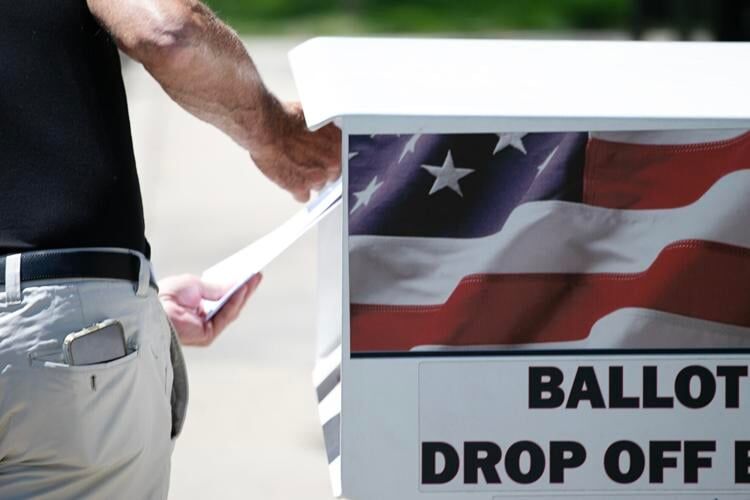
Groups that raise unlimited amounts of money have spent about $20 million in May and June to try and influence Colorado voters’ choices in the upcoming June 30 primaries. By law, these groups cannot coordinate with the candidates they support....
U.S. government declines to oppose multiple challenges to immigration detention in Colorado
Michael Karlik
michael.karlik@coloradopolitics.com
Updated 12 hours ago
Multiple federal judges in Colorado granted petitions from people challenging the lawfulness of their immigration detention this week after the government took the unusual step of declining to submit arguments in opposition. Colorado’s federal trial court is facing a flood of...
Tina Peters tells supporters to ‘stand up and fight back’ at Castle Rock event
Marissa Ventrelli
marissa.ventrelli@coloradopolitics.com
Updated 11 hours ago
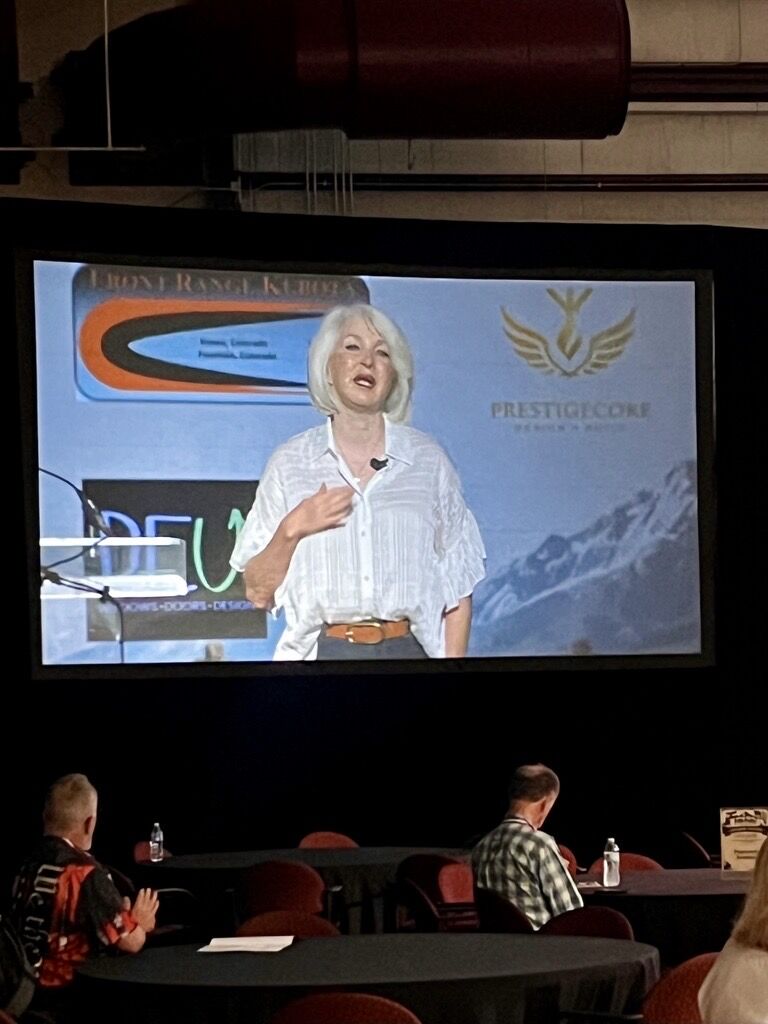
Tina Peters, the former Mesa County clerk recently released from prison, warned supporters that what happened to her could happen to them, too, if they did not “stand up and fight back” at an event at the Douglas County Fairgrounds....
Iran strikes cargo ship in Strait of Hormuz, endangering Trump’s peace
Christian Datoc
christian-datoc@coloradopolitics.com
Updated 18 hours ago
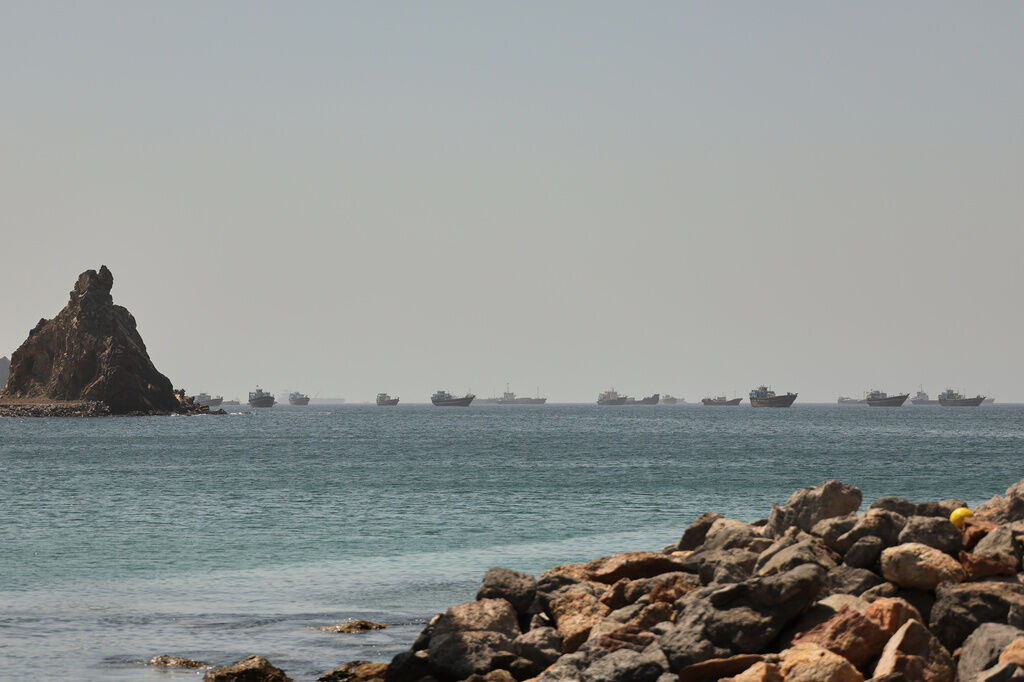
Iran attacked a cargo ship traveling through the Strait of Hormuz on Thursday, possibly upending President Donald Trump‘s diplomatic end to the war with Iran. A U.S. official confirmed to the Washington Examiner that the Islamic Revolutionary Guard Corps “struck...

Senate GOP tries to mend fences with Trump after heated lunch
David Sivak
david-sivak@coloradopolitics.com
Updated 16 hours ago
Senate Republicans are trying to turn the page on a heated lunch with President Donald Trump that brought weeks of tensions to a new high-water mark. In a symbolic gesture, Senate Republicans took another vote on the Iran war Wednesday...
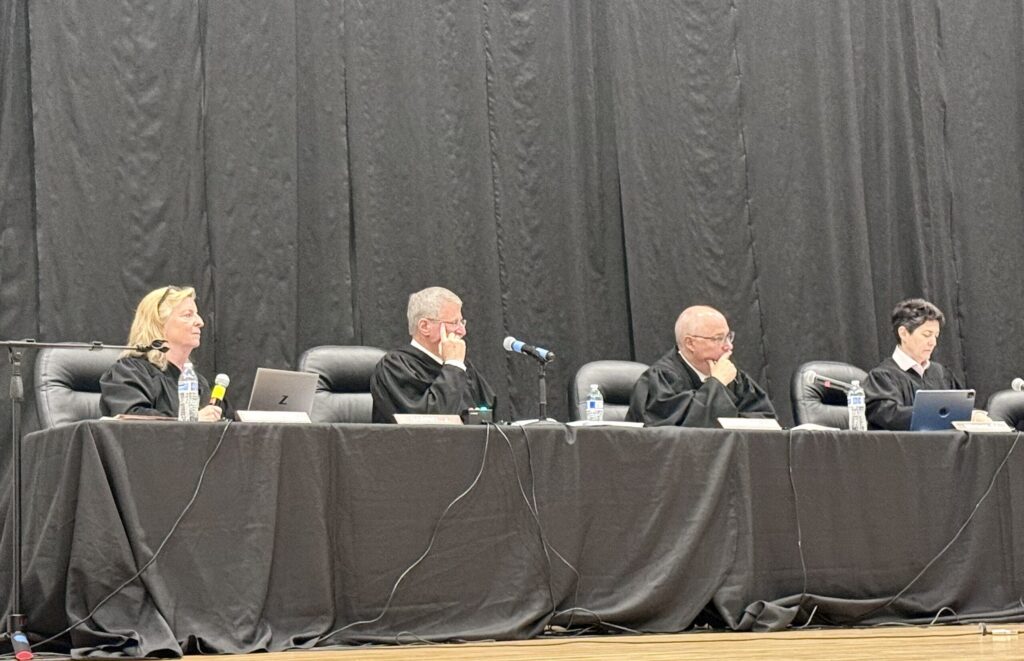
Colorado justices discuss solution to confusion from prior criminal ruling
Michael Karlik
michael.karlik@coloradopolitics.com
Updated 10 hours ago
The Colorado Supreme Court pondered the fallout on Tuesday from its nearly six-year-old decision interpreting the state’s impaired driving laws, with the justices now addressing how defendants affected by the legal change must seek postconviction relief. In contrast to other...
PREV
PREVIOUS
Denver City Council to call on Gov. Polis to cancel rent, mortgage payments during COVID-19 crisis
In response to mass unemployment caused by the novel coronavirus outbreak, Denver City Council on Monday night is expected to pass a proclamation calling on Gov. Jared Polis to cancel rent and mortgage payments for residents who are currently unable to pay. Denver joins a growing list of metros, including Boston and Seattle, that have […]

Students to develop mental health line marketing campaign during pandemic
Approximately 40 high school and college students will develop a new marketing campaign for the state’s crisis services hotline, focusing on the mental health needs of teenagers during the COVID-19 pandemic. “We know it is an isolating time for Coloradans, and for many, the stress may lead to anxiety, depression or an increased reliance on […]