

Cybersecurity experts advise elected officials steer clear of internet voting

As Colorado’s state and local lawmakers continue to explore ways to try virtual democracy under the coronavirus pandemic, leading experts across the country focused on cybersecurity, computing and science are calling on elected officials to avoid use of any internet voting or voting app system in U.S. elections.
“The scientific evidence regarding internet and voting app systems is remarkably clear – these are not secure solutions for American elections,” Michael D. Fernandez, spokesman for the American Association for the Advancement of Science, said in a statement Thursday.
“While the COVID-19 pandemic presents an unprecedented challenge to American elections, it is essential that officials at the local, state and federal levels follow the scientific evidence in implementing alternate solutions,” he said. “While internet voting is not a viable solution, options like voting by mail and early voting can help support the diverse needs of the electorate, addressing both new concerns relating to COVID-19 and existing disparities in ballot access.”
The letter prepared by AAAS was endorsed by many other science-based organizations and scientific experts, including Bruce McConnel, a former leader of the cybersecurity mission at the U.S. Department of Homeland Security.
The document states that “no technical evidence” exists to show internet voting technology “is safe or can be made so in the foreseeable future; rather, all research performed to date demonstrates the opposite.”
The group also said that mobile voting apps are neither safe nor “sufficiently secure” enough to be relied on.
“As state officials are trying to find the best possible solutions to deal with the COVID-19 pandemic, they must ensure that such measures do not increase the vulnerability of our elections to hackers and foreign attackers,” Susan Greenhalgh, senior advisor on Election Security of Free Speech For People, said in a statement. “Online voting is not a solution. The overwhelming consensus among computer security experts is that online voting would directly threaten the security and legitimacy of our elections.”



CDOT did not violate constitutional rights of outdoor advertising company, appeals court says
Michael Karlik
michael.karlik@coloradopolitics.com
Updated 4 hours ago
Colorado’s second-highest court concluded last month that the Colorado Department of Transportation did not violate the constitutional rights of an outdoor advertising company by denying two permits for billboards in Adams County. StreetMediaGroup, LLC argued CDOT violated its right to...
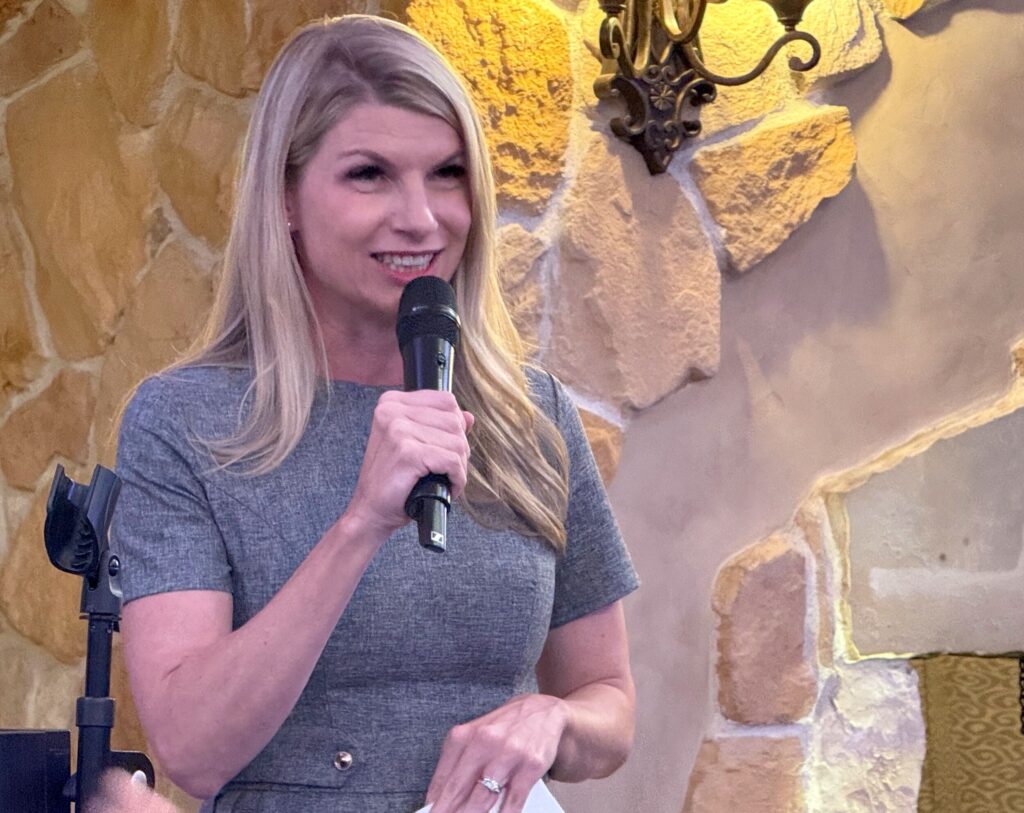
Colorado Rep. Brittany Pettersen cheers President Trump signing into law 2 bipartisan bills she led
Ernest Luning
ernest.luning@coloradopolitics.com
Updated 4 hours ago
President Donald Trump has signed into law two bills led by U.S. Rep. Brittany Pettersen that address a pair of the Colorado Democrat’s signature issues — opioid addiction treatment and parents traveling by air with breast milk. Known as the...

Site selectors praise Colorado workforce — but flag regulatory hurdles | FISCAL ROCKIES
Hap Fry, Special to the Gazette
hap-fry@gazette.com
Updated 1 hour ago
Editor’s Note: Once among the nation’s fastest-growing economies, Colorado today confronts mounting challenges that threaten its momentum. This series reveals how a state once defined by prosperity is navigating economic cliffs and ridges. We explore the impact that increased regulations, tariffs,...
‘Evolving’ regulatory landscape among Colorado cities is pricey, problematic, small businesses say | FISCAL ROCKIES
Deborah Grigsby
deborah.smith@denvergazette.com
Updated 1 hour ago
Editor’s Note: Once among the nation’s fastest-growing economies, Colorado today confronts mounting challenges that threaten its momentum. This series reveals how a state once defined by prosperity is navigating economic cliffs and ridges. We explore the impact that increased regulations, tariffs,...
Q&A with the Colorado Springs Chamber & Economic Development Corporation | Struggling with workforce shortages, high cost, regulatory uncertainty | FISCAL ROCKIES
Thelma Grimes
thelma.grimes@coloradopolitics.com
Updated 1 hour ago
Editor’s Note: Once among the nation’s fastest-growing economies, Colorado today confronts mounting challenges that threaten its momentum. This series reveals how a state once defined by prosperity is navigating economic cliffs and ridges. We explore the impact that increased regulations, tariffs,...
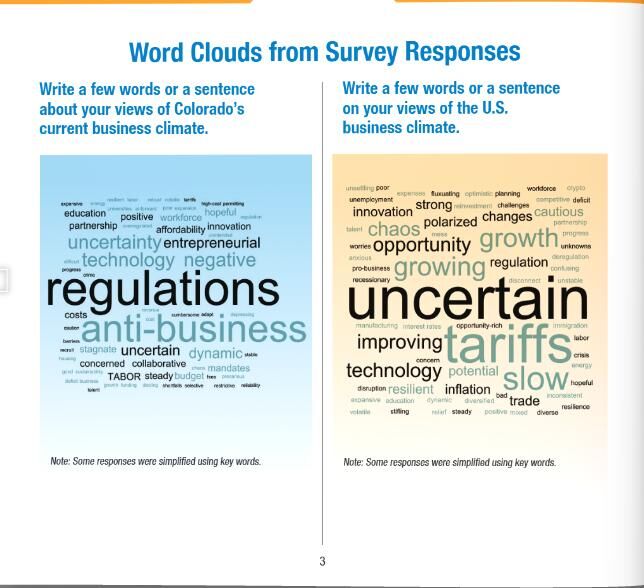
Regulatory layers turn cost of doing business in Colorado into ‘death by a thousand cuts’ | FISCAL ROCKIES
Marianne Goodland
marianne.goodland@coloradopolitics.com
Updated 3 hours ago
Editor’s Note: Once among the nation’s fastest-growing economies, Colorado today confronts mounting challenges that threaten its momentum. This series reveals how a state once defined by prosperity is navigating economic cliffs and ridges. We explore the impact that increased regulations, tariffs,...
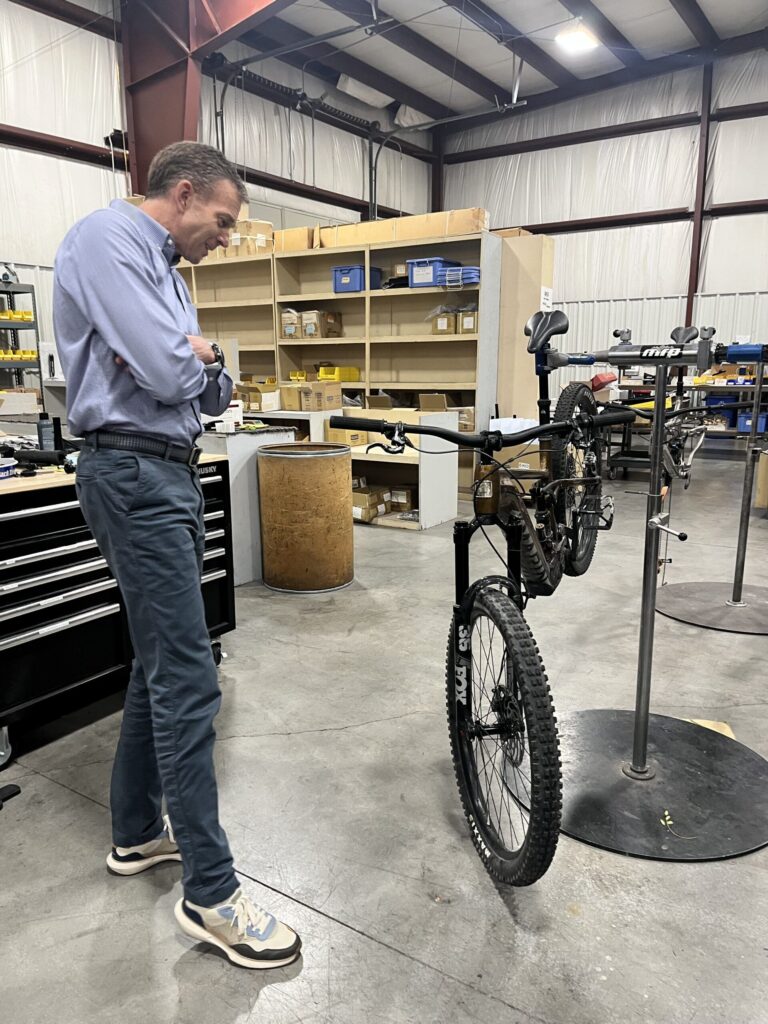
Fiscal Rockies: Small businesses drive the rural Colorado economy — but barriers keep growing
Rachael Wright
rachael.wright@coloradopolitics.com
Updated 21 hours ago
Editor’s Note: Once among the nation’s fastest-growing economies, Colorado today confronts mounting challenges that threaten its momentum. This series reveals how a state once defined by prosperity is navigating economic cliffs and ridges. We explore the impact of increased regulations, tariffs,...

Denver’s minimum wage: Boon or bane? | FISCAL ROCKIES
Deborah Grigsby
deborah.smith@denvergazette.com
Updated 2 hours ago
Editor’s Note: Once among the nation’s fastest-growing economies, Colorado today confronts mounting challenges that threaten its momentum. This series reveals how a state once defined by prosperity is navigating economic cliffs and ridges. We explore the impact that increased regulations, tariffs,...
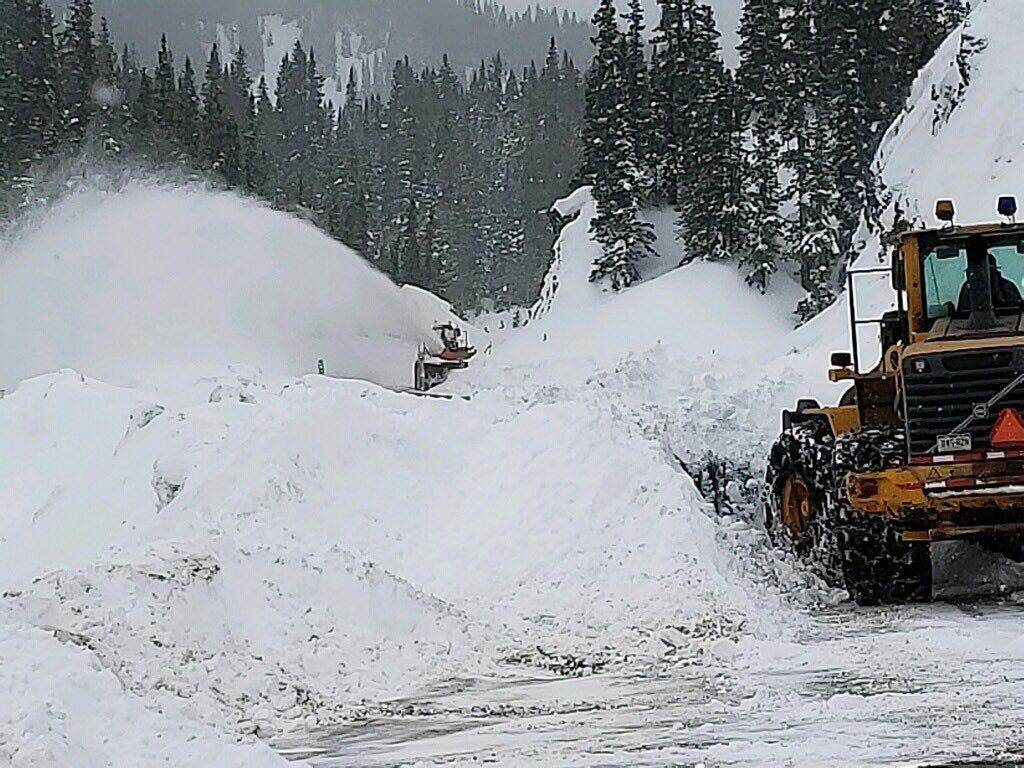
Colorado Reps. Hurd and Neguse join forces to modernize federal snow-forecasting program
Marianne Goodland
marianne.goodland@coloradopolitics.com
Updated 20 hours ago
A federal snow-forecasting program, to be updated under a bill from Republican U.S. Rep. Jeff Hurd, won approval in the House on Wednesday. HR 3857, which amends the Snowpack Water Supply Forecasting Reauthorization Act, is Hurd’s second bill to pass...
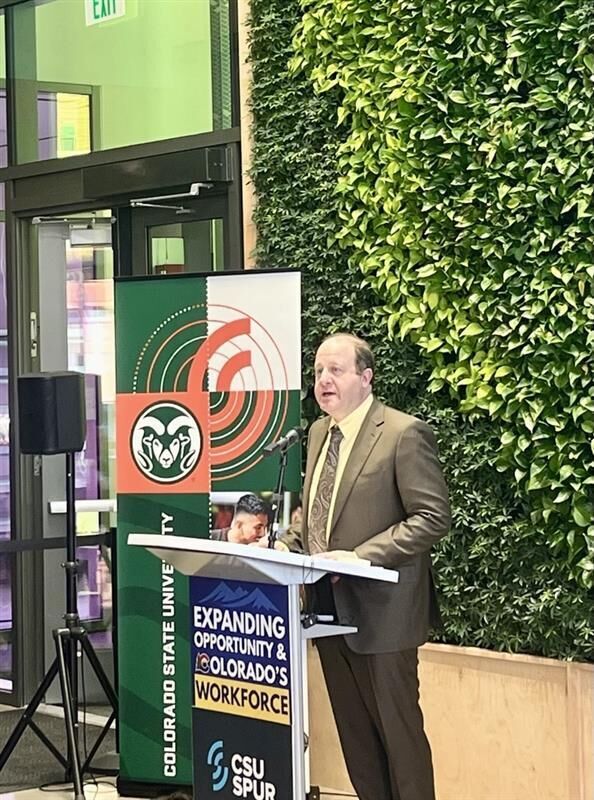
Colorado aims to close talent gap with new workforce development agency, initiatives
Marissa Ventrelli
marissa.ventrelli@coloradopolitics.com
Updated 20 hours ago
Colorado’s education leaders and legislators are planning changes to the state’s workforce development programs – including the creation of a new state agency – to help more students earn college degrees, certifications and apprenticeships. Gov. Jared Polis, House Speaker Julie...
PREV
PREVIOUS

State of emergency order extended another 30 days
Gov. Jared Polis Wednesday extended the state of emergency originally issued on March 11 for another 30 days. The original order – giving the governor wide authority to deal with the COVID-19 pandemic – was set to expire Friday. The new executive order incorporates several other actions taken since March 11. That includes the governor’s request from […]

Denver to provide additional tax relief for local businesses
Denver Mayor Michael Hancock announced on Thursday that the city will implement additional business tax relief efforts, effective immediately. The move is made possible by Gov. Jared Polis’ executive order, which allows for greater flexibility for business personal property tax filings. Deadlines for personal property tax declarations will be extended from April 15 to June […]