

What a ‘shelter in place’ order in Colorado might look like
Residents of Colorado’s San Miguel County were ordered to “shelter in place” on Thursday, as were all Californians when Gov. Gavin Newsom ordered the state’s 40 million residents to stay home indefinitely, with few exceptions.
Similar orders were issued Friday in New York, Illinois and Florida, and in Michigan, Massachusetts and Indiana on Monday. Denver is expected to announce a similar order at 2 p.m.
At a Friday press conference, Colorado Gov. Jared Polis said he was monitoring shelter-in-place orders in states like California and best practices taken around the world. But did not issue such an order, stating that economic activity doesn’t transmit the virus.
At a Thursday afternoon press conference, Denver Mayor Michael Hancock had discussed the possibility of such an order, saying he’d rather see one at a regional or state level, but couldn’t rule out putting one in place in the next 48 hours, according to Gazette news partner 9News.
Just what might such an order look like? Here are some answers based on what we know about the orders in San Miguel County, as well as California.
How would it be enforced?
In San Miguel County, it’s is enforceable by a fine of up to $5,000 and imprisonment in county jail for up to 18 months, according to the order.
In California, Newsom said he doesn’t expect police will be needed to enforce his stay-at-home order, saying “social pressure” already has led to social distancing throughout the state.
“I don’t believe the people of California need to be told through law enforcement that it’s appropriate just to home isolate,” he said.
What would stay open?
In San Miguel County, grocery stores, farmers markets, food banks, convenience stores, takeout and delivery restaurants, banks, gas station, laundromats/laundry services, and essential state and local government functions, including law enforcement and offices that provide government programs and services, will remain open. The same goes for California.
In San Miguel County, cannabis businesses can still operate, but can only accept pick-up orders.
What would close?
In Colorado, restaurants (except for take-out and delivery), theaters, gyms, casinos, hair/nail salons, spas, and tattoo parlors were closed for 30 days per order of Gov. Jared Polis. Additionally, in-person learning at schools has been suspended through April 17, and public gatherings of more than 10 people are prohibited.
In California, the following are currently closed: bars and nightclubs, entertainment venues, gyms and fitness studios, public events and gatherings, convention centers, and dine-in restaurants.
What activities are allowed outside of one’s residence?
In San Miguel County, residents are able to leave their homes to complete tasks such as shopping for groceries, picking up prescriptions, visiting the doctor, picking up supplies necessary to work from home, exercising (while social-distancing), and to care for a family member or pet in another household.
In California, the orders allow residents to venture out only for essential jobs, errands and some exercise.
Are there exceptions?
Yes. In San Miguel County, those who work for essential businesses like those in the health care, food and hardware retail, food cultivation, media, auto-related and transportation industries, as well as governmental entities, may continue to go to work, though they must practice social-distancing.
In California, the governor’s action orders all residents “to stay home or at their place of residence, except as needed to maintain continuity of operation of the federal critical infrastructure sectors.”
It links to a Department of Homeland Security document that lists 16 “critical infrastructure sectors whose assets, systems, and networks, whether physical or virtual, are considered so vital to the United States that their incapacitation or destruction would have a debilitating effect on security, national economic security, national public health or safety, or any combination thereof.”
They include the chemical; commercial facilities; communications; critical manufacturing; dams; defense industry base; emergency services; energy financial services; food and agriculture; government facilities; healthcare and public health; information technology; nuclear reactors, materials, and waste; transportation; and water and wastewater systems sectors.
The Associated Press, The LA Times and 9News contributed to this report.

Colorado voters will decide fate of ‘right to hunt’ proposal
Colorado Politics
colorado-politics@coloradopolitics.com
Updated 1 hour ago
Colorado’s election office said Thursday that a proposal to add a constitutional right to hunting and fishing has qualified for the November ballot. Backed by the International Order of T. Roosevelt, a group dedicated to preserving the North American Model...
Healthcare Freefall: Telluride mother’s roadside birth underscores shrinking access to OB care in Colorado
Rachael Wright, Special to Colorado Politics
rachael.wright@coloradopolitics.com
Updated 1 hour ago
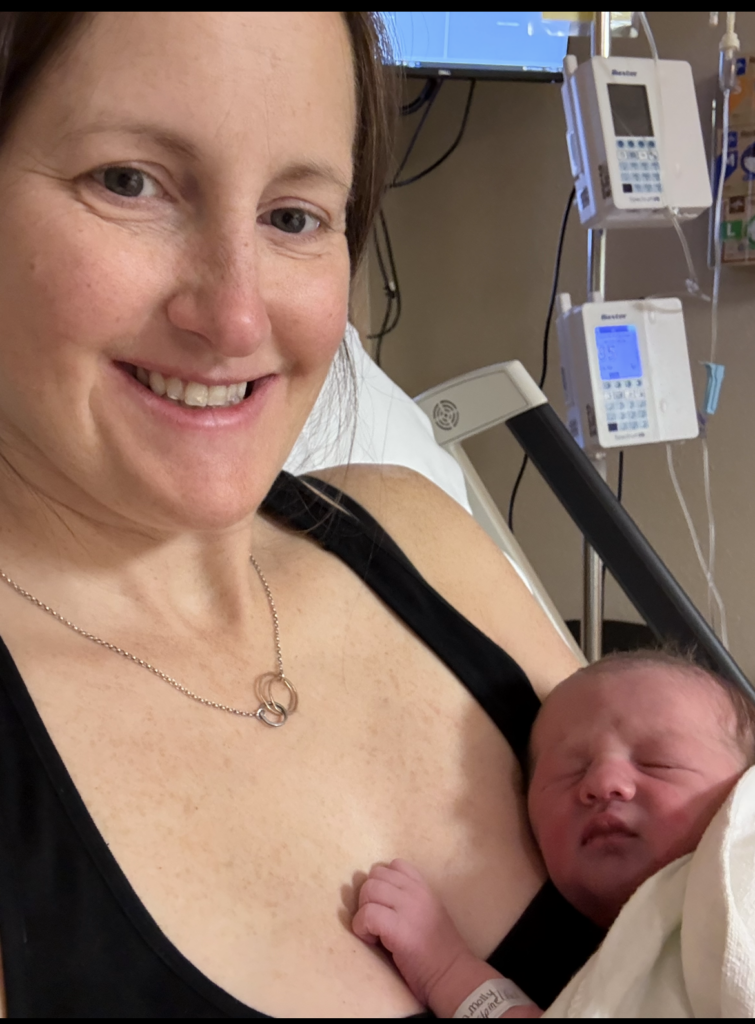
Editor’s Note: Colorado’s healthcare system is entering a period of accelerating instability — a “tsunami,” as multiple leaders describe it — driven by collapsing hospital finances, shrinking Medicaid reimbursements, disappearing services and a political fight over who is responsible for...
Appeals court upholds Park County trophy hunting conviction
Michael Karlik
michael.karlik@coloradopolitics.com
Updated 2 hours ago
Colorado’s second-highest court clarified on Thursday that a defendant may stand convicted under the state’s trophy hunting laws if he abandons a bear carcass but returns later to remove the meat. Under Colorado law, it is a felony to detach...

Healthcare Freefall: Longer drives, fewer options for maternity care in Colorado
Thelma Grimes
thelma.grimes@coloradopolitics.com
Updated 1 hour ago
Editor’s Note: Colorado’s healthcare system is entering a period of accelerating instability — a “tsunami,” as multiple leaders describe it — driven by collapsing hospital finances, shrinking Medicaid reimbursements, disappearing services and a political fight over who is responsible for...
Healthcare freefall: Breast cancer survivor shares strain of rural treatment travel
Hap Fry, Special to The Gazette
hap-fry@gazette.com
Updated 2 hours ago
Editor’s Note: Colorado’s healthcare system is entering a period of accelerating instability — a “tsunami,” as multiple leaders describe it — driven by collapsing hospital finances, shrinking Medicaid reimbursements, disappearing services and a political fight over who is responsible for...

Judge grants partial injunction to GEO in fight against state health inspection law
Kyla Pearce
kyla.pearce@gazette.com
Updated 17 hours ago
A judge ruled Thursday that The GEO Group does not have to follow parts of a new state law requiring more frequent health and safety inspections at the U.S. Immigration and Customs Enforcement processing center in Aurora. Under the order...

Parker man faces 20 years to life for serial sexual assaults
Nicholas Fogleman
nicholas.fogleman@denvergazette.com
Updated 20 hours ago
A 25-year-old Parker man who sexually assaulted three women in 2025 pleaded guilty Wednesday and will serve 20 years to life in prison. Javier Rodriguez-Andrade pleaded guilty to charges stemming from three sexual assaults involving women ages 19 to 24. ...

Buttigieg performs best among Democrats against Rubio or Vance in possible 2028 contest: Poll
David Zimmermann
david-zimmermann@coloradopolitics.com
Updated 21 hours ago
Former Transportation Secretary Pete Buttigieg appears to be the Democratic Party’s best chance at winning the presidency against Secretary of State Marco Rubio or Vice President JD Vance in 2028, according to a poll released on Thursday. In hypothetical matchups...
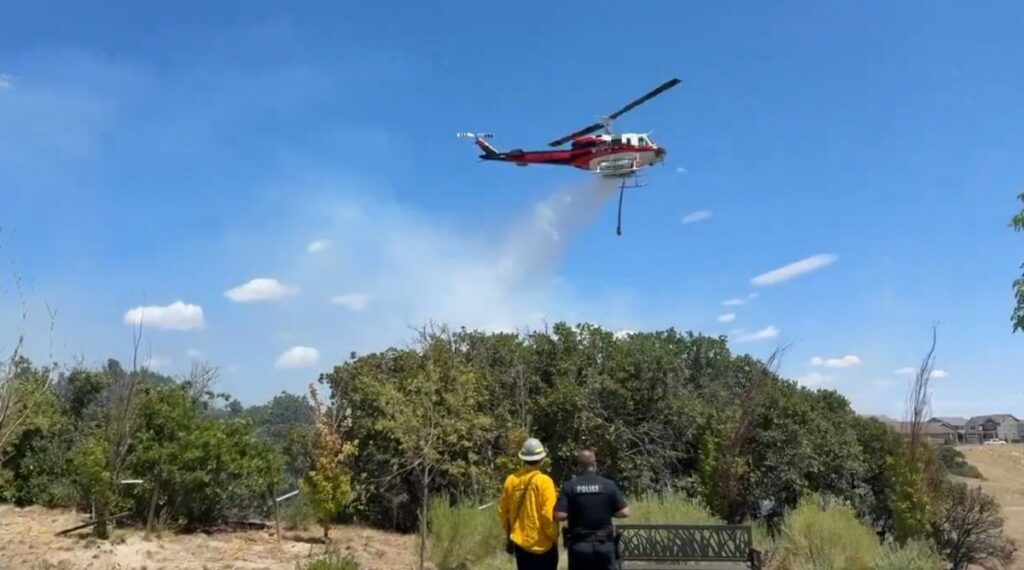
Douglas County moves to Stage 1 fire restrictions following recent rain
Nicholas Fogleman
nicholas.fogleman@denvergazette.com
Updated 20 hours ago
Douglas County has downgraded its fire restrictions from Stage 2 to Stage 1 on Thursday following recent rainfall and moderate fire conditions, according to the Douglas County Sheriff’s Office. The change applies to unincorporated Douglas County, as well as the...
Divided appeals court upholds warrantless DNA collection in Colorado cold case, cautions of government overreach
Michael Karlik
michael.karlik@coloradopolitics.com
Updated 18 hours ago
Colorado’s second-highest court upheld the warrantless collection of a suspect’s DNA from a discarded soda can as constitutional on Thursday, while warning about potential abuse of DNA privacy in the absence of further guardrails. By 2-1, a three-judge Court of...
PREV
PREVIOUS

State Supreme Court orders review of restitution order against criminal defendant
The Colorado Supreme Court on Monday announced that it has vacated a decision of the Colorado Court of Appeals and ordered the appellate court to review whether prosecutors were appropriately granted an extension in asking for restitution from a criminal defendant. Rafael Perez hosted a wedding at his ranch in June 2012, when an argument […]

Denver City Council to enter virtual realm as COVID-19 upends in-person meetings
As coronavirus cases climb in Denver and across Colorado, Denver City Council on Monday night will vote to implement emergency rules that would allow for members to join council meetings virtually, rather than in the council chambers, should the need arise. The policy change, intended for the council to “provide essential government sources” and to […]