

SONDERMANN | Colorado didn’t get the Super Tuesday memo, but the message was clear
When the retrospectives are written in the aftermath of the election this coming November, in the spirit of Theodore White’s “Making of the President” series, a big chapter may well be titled, “72 Hours.” This chapter will capture that three-day period when everything changed. How, in the span of three quick days, the race was fundamentally transformed.
What had looked to be a Democratic contest between Bernie Sanders on the hard-progressive end and a blob of so-called centrists nipping at each other’s heels dramatically sorted itself out and took on a new shape. Joe Biden, once a presumptive front-runner, then given up for dead, suddenly stepped back into the leading role.
He did so as a pure momentum play based on a rapid confluence of events, and virtually without the supposed essentials of modern campaigns, including saturation ads, large field staffs and, in many states, even a rally with the candidate.
It provided a good lesson that the political rules are constantly being remade.
If the Colorado presidential primary bears even a mention in those post-mortem books, it will be as an aberration – as the state that didn’t get the Super Tuesday memo.
Focusing first on yesterday’s vote here in Colorado and then on the national race the morning-after, let me offer a dozen or more quick-take observations.
- In watching the returns last night with our home state taking a very different path than most other Super Tuesday states (save for California and the afterthoughts of Utah and Vermont), I couldn’t help but flash back to 1992 and Colorado’s first Presidential primary. As Bill Clinton was getting ready to run the table that year, Colorado cast its lot with – wait for it – Jerry Brown.
- So it can be safely said that Colorado Democrats are not afraid to be out of step. Perhaps it’s rooted in the local DNA.
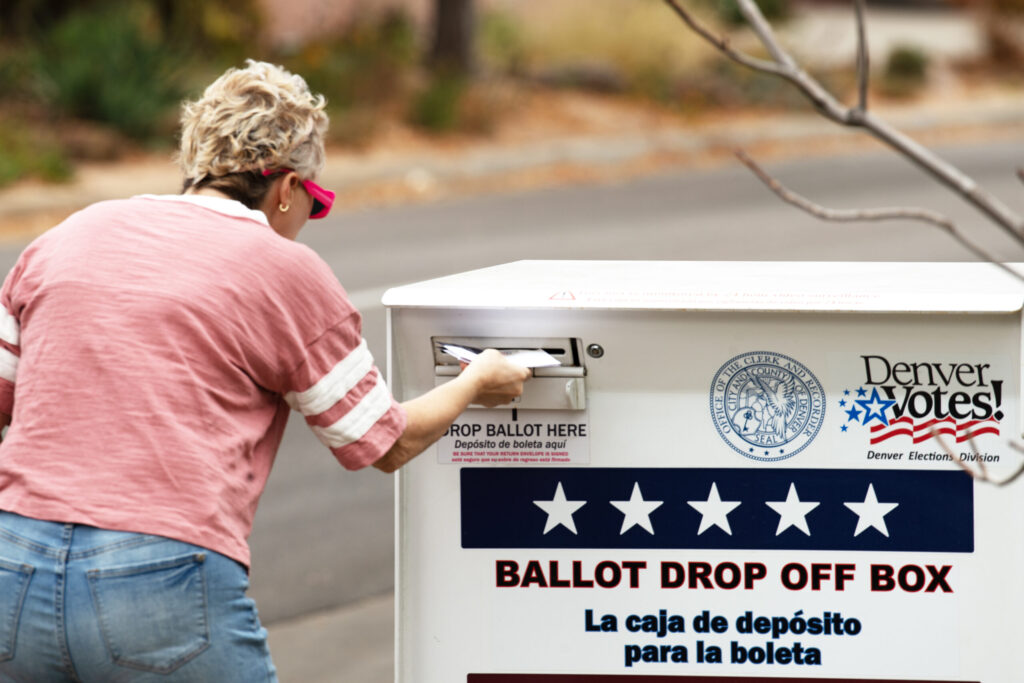
- In comparing the Colorado results with the national trend of Super Tuesday, one has to wonder how much of a role was played by our system of mail-in ballots. So many voters here had cast their vote days or even weeks prior that the Biden bounce was muted and not fully realized.
- The other Colorado result of note was the showing of Michael Bloomberg (now out of the race barely 12 hours later). While he barely made a mark in most other states (notwithstanding his strange dominance of American Samoa), he achieved north of 20 percent of the vote here. I detect two factors at play – again the impact of early voting that kept a lot of moderately-inclined Democrats attached to Bloomberg before they had a chance to move to Biden, and the number of prominent Democratic politicos who signed onto Bloomberg’s race over recent weeks.
- Colorado is becoming known for a couple of political characteristics. Not only has the state moved notably into the blue column, but the blue strain is a quite liberal one. Exhibits of this include Sanders’ back-to-back victories in 2016 and 2020 as well as Gov. Jared Polis’ triumph two years ago. Also, for all of the laments of Colorado Democrats as to the evil of big money in political campaigns, they tend to respond to and reward exorbitant self-funding from Bloomberg’s omni-present television ads to Polis’ purchase of the nomination two years ago.
- In my mind, the big morning-after questions relate to the impact of Super Tuesday on the highly-targeted Colorado Senate race. For starters, you must consider whether Sanders’ big Colorado win, coupled with Polis’ victory two years ago from the left side of that primary field, could portend June primary problems for John Hickenlooper. Andrew Romanoff desperately would like to become the liberal slayer of a prototypical centrist candidate. That’s his hope, but it remains a long-shot.
- Turning to November, Super Tuesday headlines were not good news for Cory Gardner. His withering chances would be helped by having Sanders atop the Democratic ticket. Gardner is less likely to get that wish with Biden suddenly appearing the more likely bet.
Let’s turn to the even more interesting national scene, where I am hard-pressed to recall a race turning so starkly in the span of three days.
- Please remind me again of the importance of Iowa and New Hampshire. which now seem like ancient history. In nearly the last half century, only once has the Democratic nominee been someone who won neither of these two states. That was Bill Clinton in 1992, very much due to extenuating circumstances with Iowa Sen. Tom Harkin dominating in his home state (which other candidates didn’t really contest) and Massachusetts Sen. Paul Tsongas capitalizing on his home-field advantage in neighboring New Hampshire. It now looks like this notion of the supposed necessity of these two opening states might be put to rest.
- Despite Sanders’ impressive ascendancy over the last month, there was a foretelling in the polling numbers that spoke to potential trouble ahead. That tell came in the form of the largest share of Democrats putting a far higher premium on a candidate able to defeat Donald Trump than on personal ideological alignment. “Electability” is an overused term. But this is the essence of that strong inclination among Democrats which was evident in poll after poll. Democrats don’t always move accordingly. But in the era of Trump, that leaning is logical and pronounced.
- That enormous base of Democratic voters focused first and foremost on ousting Trump had been an amorphous and scattered lot. Some had attached to Biden, though anxiously so. Some bought the Buttigieg mystique. Some were attracted to Klobuchar’s Midwestern record of success. Some saw Bloomberg as the white-knight savior. And that was all after Harris, Booker, Beto and others had fallen by the wayside. Finally, in those few hours between the closing of the polls in South Carolina and the opening of Super Tuesday voting locations, these voters received a rapid-fire series of cues, starting with Biden’s larger-than-expected win on Saturday and the almost instant withdrawals and endorsements from Buttigieg and Klobuchar. These quick cues produced a snowball effect rarely seen in American politics.
- All that money wagered on a contested convention and all that commentary (including my own) as to that distinct possibility was likely wasted. With this race having rather suddenly become a two-person affair (whatever course Elizabeth Warren chooses), the chances of one of them assembling an outright majority of delegates is immensely higher than it was just a day ago.
- It also bears noting that yesterday was significantly a referendum on the Obama presidency. Biden serves as an affirmation of the Obama agenda and approach; Sanders is a rejection of that and a demand for something bolder and more expansive. Based on Super Tuesday results, this is still largely Barack Obama’s party.
- With Biden’s dramatic rise, look for one word to regain its prominence and centrality, even having been forgotten over recent weeks. That word: Ukraine.
- Much is made of the gender gap in American politics. But the Democratic contest so far has revealed an even more pronounced divide within party ranks. Sanders racks up overwhelming numbers among younger voters while Biden similarly dominates the older set. While both candidates will spend much effort motivating their base, each must also try to crack the code to build appeal among an age group so largely leaning the other way.
- Speaking of age, the geriatric nature of today’s Democratic Party must be noted. This has turned into a race between two candidates at the very upper end of the septuagenarian decade. Biden will be 78 come inauguration day next January; Sanders 79. This is on top of a trio of Congressional leaders made up of Nancy Pelosi, who will turn 80 later this month; Steny Hoyer, turning 81 in June; and a positively spry Jim Clyburn at only 79. A party once defined by its energy, vitality and dynamism now owns this reality. Further, of the three Democrats elected to the Presidency in the last half century, the oldest was 52 upon taking office. Nominating either Biden or Sanders is a whole different approach and something of an act of faith. (That said, Trump is hardly a spring chicken either.)
- On that score, Biden now dons the mantle of the front-runner facing all the accompanying scrutiny and potholes. In Biden’s case, it is less a matter of vetting given that he’s been on the scene forever and has more to do with how he demonstrates his capacities over the coming weeks. The fire will be aimed his direction in the next debate 10 days hence. It becomes his burden to provide Democrats with reassurance that he still has what it takes to handle a political predator like Trump.
- As to Michael Bloomberg, it must be nice to be able to flush half a billion dollars and still emerge with $59.5 billion in your pocket.
That’s my take on the morning after. Speaking of 72 hours, we’re now that period of time away from what will be one of the most anti-climatic events in Colorado politics: precinct caucuses come this Saturday.
What a buzz-kill. Participation will be predictably sparse; doubly so in the immediate aftermath of an engaging, high-profile primary. A narrow set of activists on the Democratic left and Republican right will mistake their passions for the far more moderate views of most Coloradans of all parties.
The caucus system was archaic and past its sell-by date 20 years ago. There is a better way, Colorado, and we saw it in action yesterday.
Eric Sondermann is a Colorado-based independent political commentator and regular columnist for Colorado Politics. Reach him at EWS@EricSondermann.com; follow him at @EricSondermann

Kentucky Gov. Andy Beshear set to headline Colorado Democrats’ annual fundraising dinner
Ernest Luning
ernest.luning@coloradopolitics.com
Updated 2 days ago
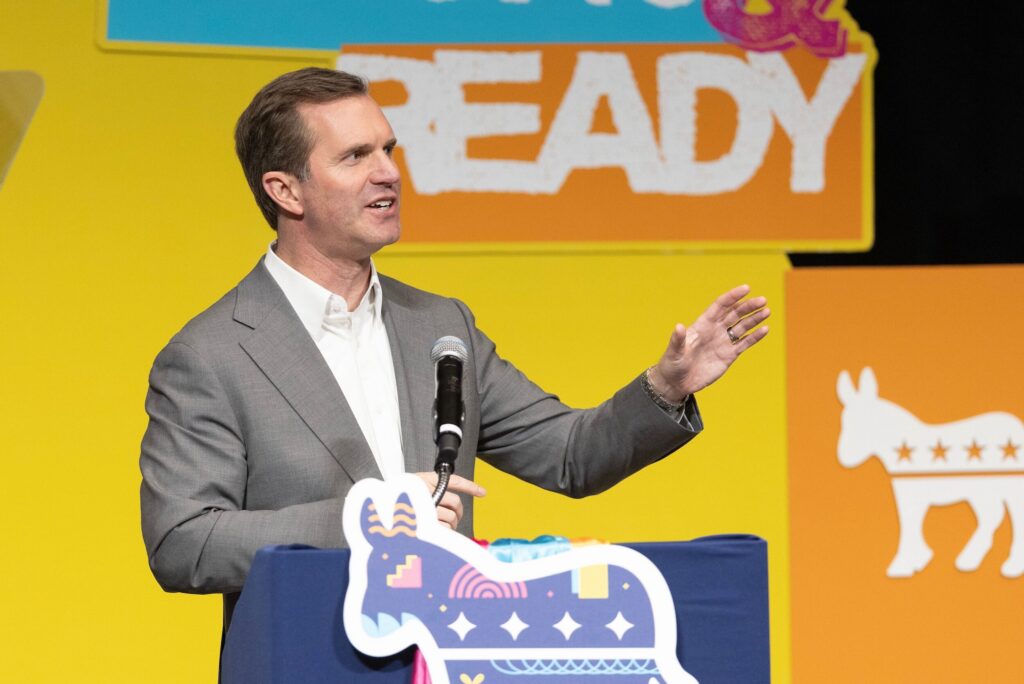
Kentucky Gov. Andy Beshear, one of the Democrats’ top 2028 presidential prospects, is scheduled to deliver the keynote address at the Colorado Democratic Party’s annual fundraising dinner in June in Denver, the party said Friday. Serving his second term as...
Colorado sues Trump administration, calling new election order ‘unconstitutional’
Marissa Ventrelli
marissa.ventrelli@coloradopolitics.com
Updated 1 day ago
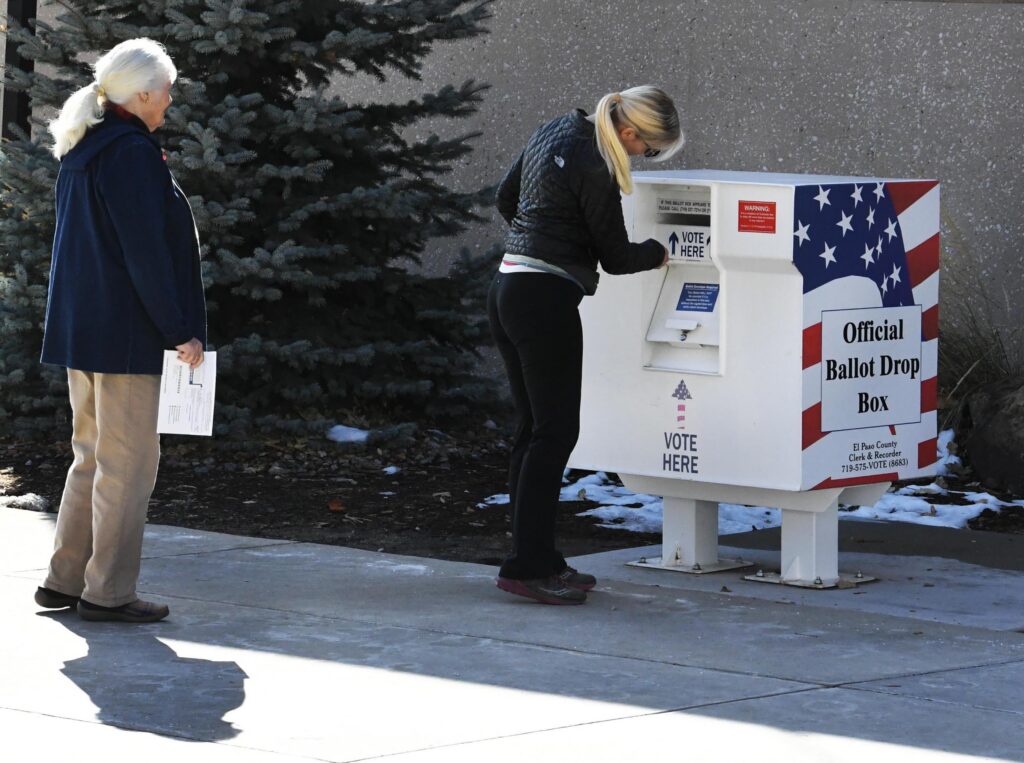
Colorado Attorney General Phil Weiser has joined a multistate coalition suing President Donald Trump over a new executive order on elections, arguing the directive unlawfully intrudes on states’ authority to run their own voting systems and threatens access to mail...
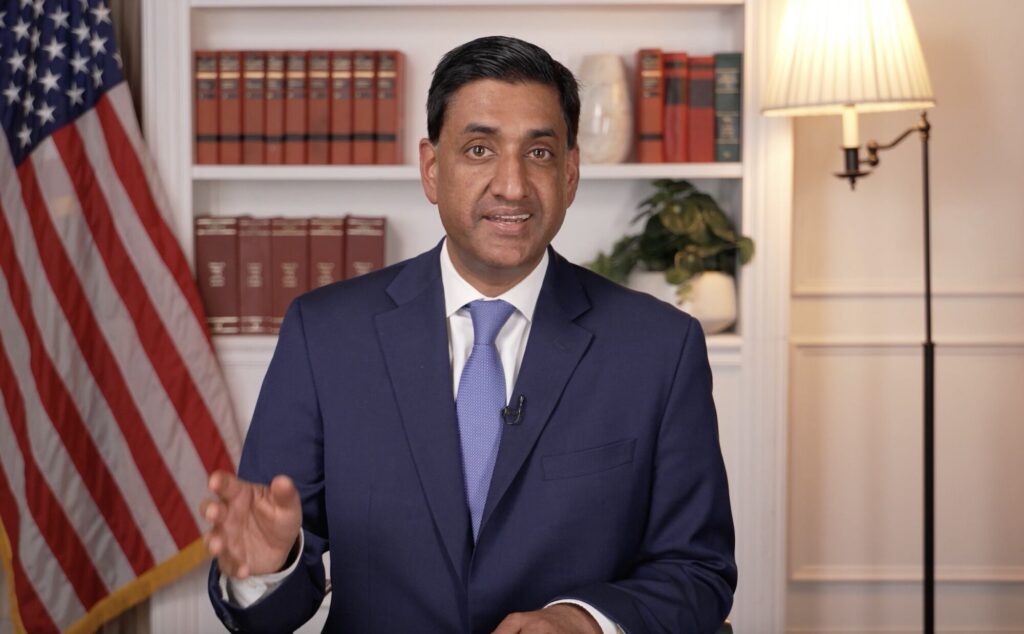
Denver Democrat Neal Walia lands endorsement from Ro Khanna in Colorado’s state House District 9
Ernest Luning
ernest.luning@coloradopolitics.com
Updated 2 days ago
California Rep. Ro Khanna on Friday endorsed legislative candidate Neal Walia in the race for an open state House seat, praising the Denver Democrat’s commitment to public service and progressive goals. Walia, who mounted an unsuccessful challenge against U.S. Rep....
Redistricting fight escalates as Colorado Title Board clears competing ballot proposals
Marianne Goodland
marianne.goodland@coloradopolitics.com
Updated 2 days ago
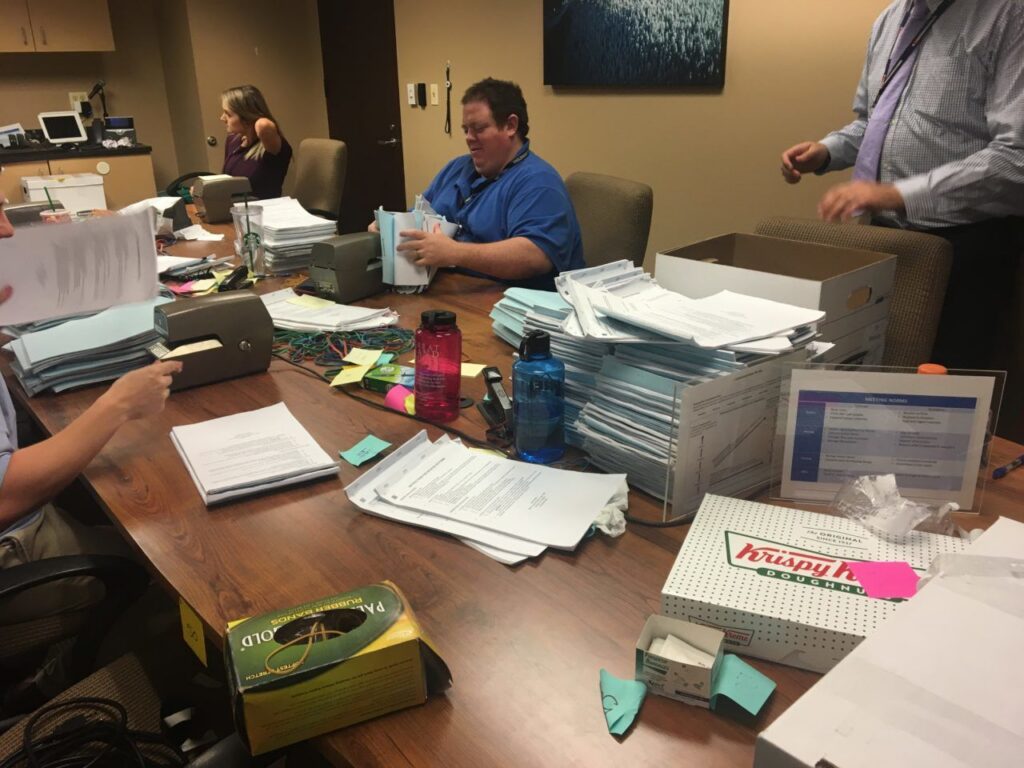
Colorado’s title board on Wednesday gave final approval to multiple ballot measures related to congressional redistricting, setting up a series of proposals that could alter how the state draws its U.S. House districts for the 2028 and 2030 elections. The...
Judge rules that Colorado law makes it too hard for parties to bar unaffiliated voters from primaries
Ernest Luning
ernest.luning@coloradopolitics.com
Updated 3 days ago
A federal judge ruled in favor of the Colorado Republican Party late Tuesday, saying that a portion of the state law that allows unaffiliated voters to cast ballots in party primaries is unconstitutional because it imposes an unrealistic burden on...
Colorado leaders say Trump’s executive order targeting mail voting violates state election authority
Marissa Ventrelli
marissa.ventrelli@coloradopolitics.com
Updated 4 days ago
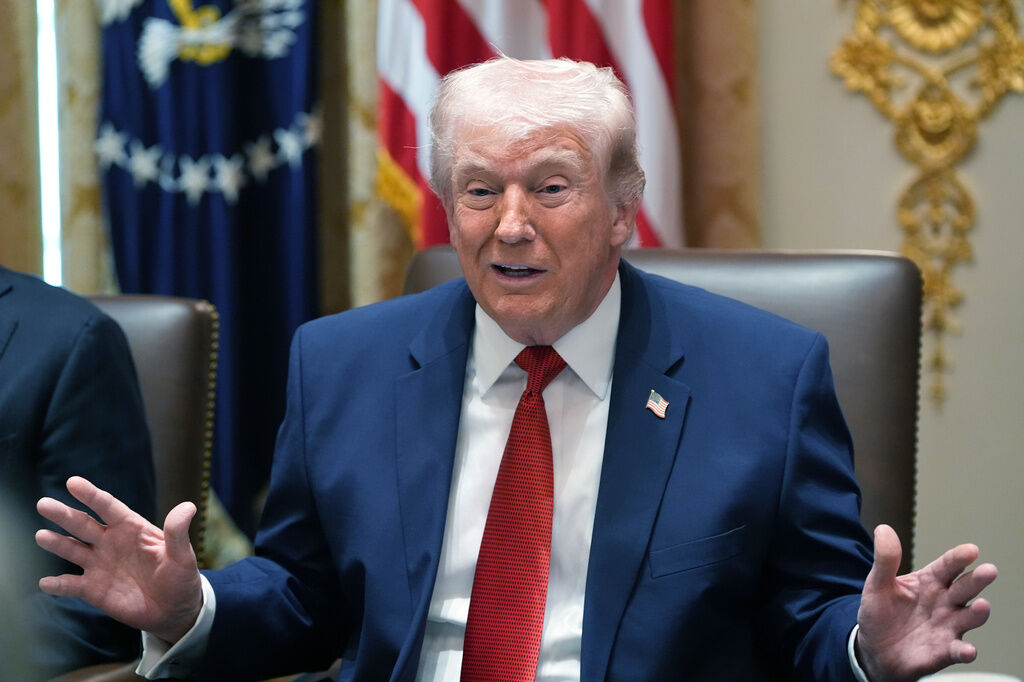
Colorado leaders criticized President Donald Trump’s new executive order issued Tuesday, arguing that its creation of a national voter‑eligibility list and new limits on mail voting violate states’ constitutional authority to run their own elections. President Donald Trump has frequently...
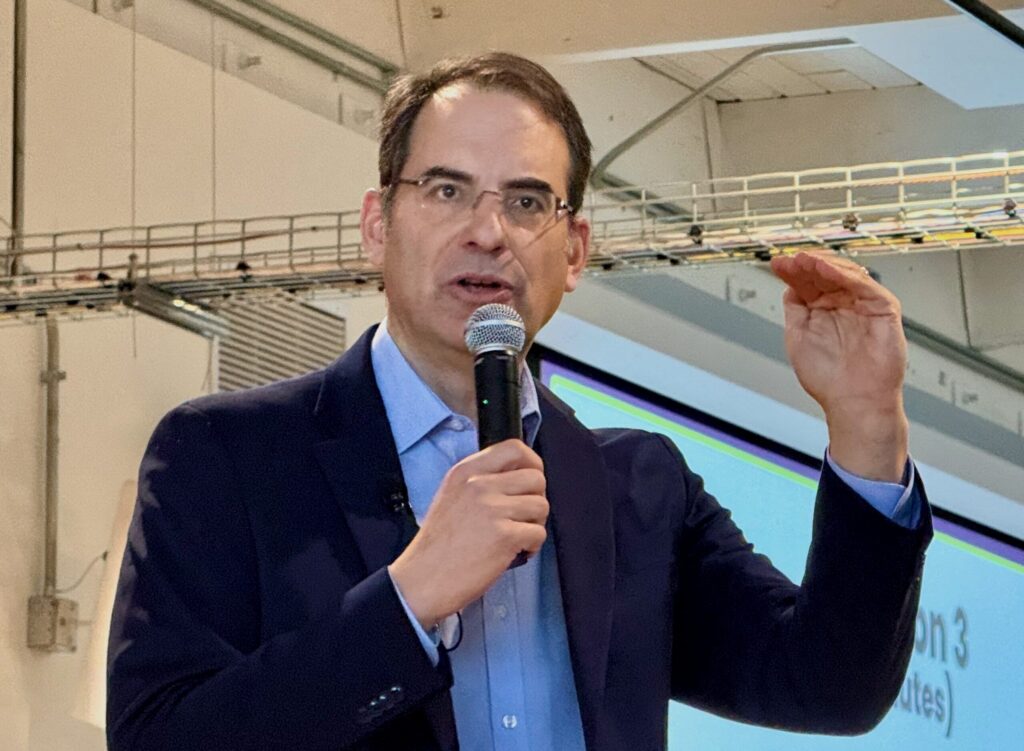
Phil Weiser wins top spot in Colorado’s Democratic gubernatorial primary at party’s state assembly
Ernest Luning
ernest.luning@coloradopolitics.com
Updated 1 week ago
Attorney General Phil Weiser’s name will appear first on Colorado’s Democratic gubernatorial primary ballot after his overwhelming win Saturday at the party’s state assembly in Pueblo. Weiser joins U.S. Sen. Michael Bennet in the June 30 primary for the office...
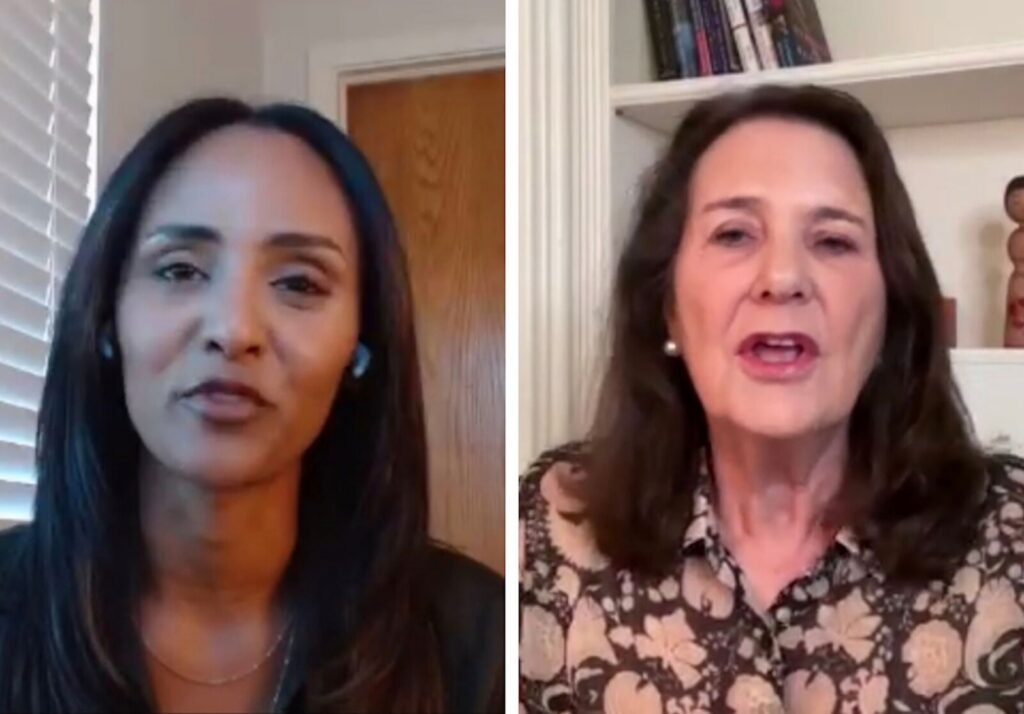
Denver Democrat Diana DeGette trails challenger Melat Kiros at assembly as both qualify for primary
Ernest Luning
ernest.luning@coloradopolitics.com
Updated 5 days ago
U.S. Rep Diana DeGette, a Denver Democrat, qualified for Colorado’s June primary by the skin of her teeth Friday at the party’s district assembly, where the 15-term incumbent received fewer than half as many delegate votes as her challenger, 28-year-old...
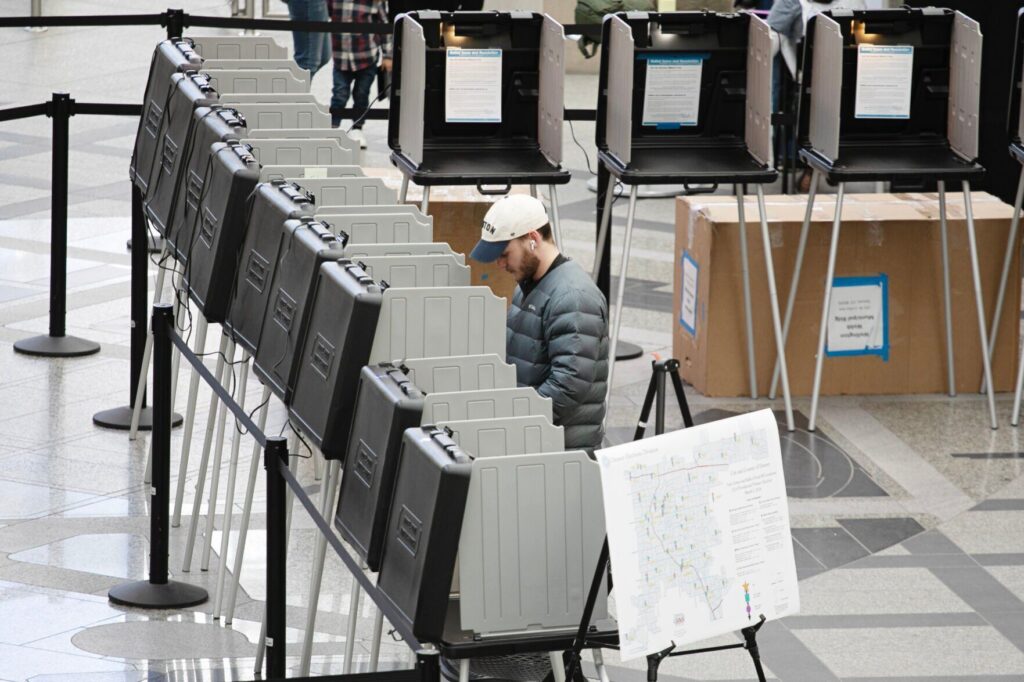
Federal judge upholds constitutionality of Colorado campaign contribution limits
Michael Karlik
michael.karlik@coloradopolitics.com
Updated 1 week ago
A federal judge upheld Colorado’s individual campaign contribution limits as constitutional on Thursday, finding that three Republican plaintiffs failed to prove the campaign finance framework violates their First Amendment rights. U.S. District Court Senior Judge John L. Kane recognized that...
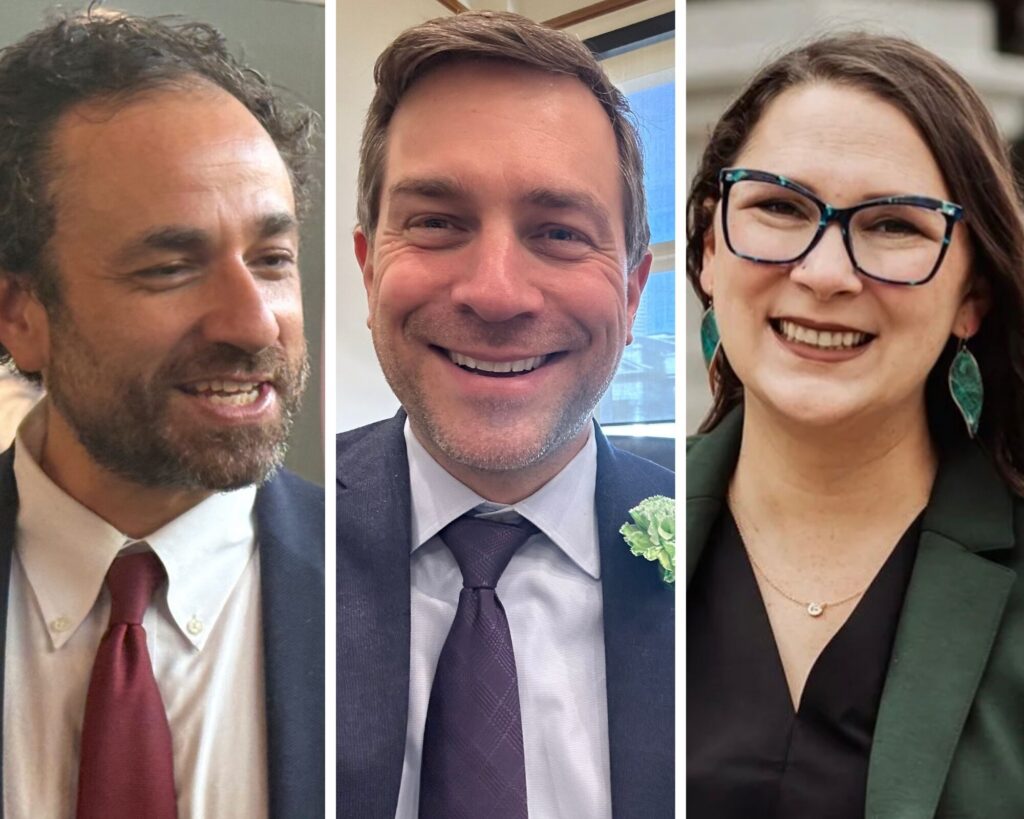
Seligman, Bridges, Gonzales lead downballot races heading into Colorado Democrats’ state assembly
Ernest Luning
ernest.luning@coloradopolitics.com
Updated 1 week ago
As Colorado Democrats prepare to designate candidates to the June primary ballot at the party’s state assembly in Pueblo on Saturday, three candidates appear poised to win top-line designation in downballot statewide races, according to data compiled by the state...
PREV
PREVIOUS
Steve Farber, powerhouse lawyer and Colorado political legend, dies at 76
Steve Farber, the kid from North Denver who founded a law firm with childhood friends and left his mark on nearly every aspect of recent Colorado history, died Wednesday at his Denver home surrounded by family. Farber, 76, was friends with presidents and an adviser to senators, governors and mayors. From his perch as a […]

State Supreme Court invokes 'extraordinary' rule, decides on preliminary hearing case
Ruling on the issue for the fourth time since 2018, the Colorado Supreme Court on Monday decided that a man convicted of a low-level drug felony should have received a probable-cause preliminary hearing, and exercised the “extraordinary remedy” of hearing the case before an appellate court could consider it. Donald Vernon Vanness was charged with […]