

10th Circuit rules on whether 911 tape is hearsay in Springs shooting case
The U.S. Court of Appeals for the Tenth Circuit on Thursday ruled that a 911 call was exempt from the prohibition on hearsay evidence, and was properly used to reach a conviction.
Daniel Lovato received a conviction and sentence of 100 months in prison plus supervised release from an incident on March 3, 2018. A driver in Colorado Springs called 911 to report seeing two men in a Honda shoot at another vehicle. The driver followed the car and stayed on the line for 13 minutes, describing the occupants, providing the location of the shooting and mentioning that the passenger was the shooter.
Shortly after the call ended, a police officer pursued the Honda. Lovato jumped out of the vehicle and the officer detained him. The officer found a pistol on Lovato, with a spent shell casing in the chamber that indicated a recent discharge. Lovato attempted to pin blame on the driver.
At the trial, the district court played the 911 call for the jury over Lovato’s objection that the recording was hearsay. The court found a “present sense impression” exemption, which allows for testimony given as an event occurs or immediately thereafter.
Writing for the three-member circuit panel, Judge Joel M. Carson said that the caller was a disinterested party whose testimony qualified for the exemption. The three to four minutes between the shooting and his account to the 911 operator was a “short delay [that] does not give rise to much opportunity for reflection or interpretation that could undermine the reliability of the statements.”
Carson also found the caller credible, writing that “The caller was not anonymous, but rather provided his full name, phone number, and home address during the call. The circumstances of the call, therefore, created a ‘disincentive for making false allegations,’ which increases the reliability of its collective statements.”
Judge Robert E. Bacharach, while agreeing with Carson’s conclusion, took issue with two components of the opinion. First, he did not believe that an analysis of the 911 caller’s credibility was necessary. Second, he felt that the court should have allowed Lovato to challenge the admissibility of individual statements within the 911 call, rather than the testimony as a whole.
“Until now, our court has never held that a district court can apply a hearsay exception to an entire conversation,” Bacharach wrote. He added that “a 911 call may contain statements that are present-sense impressions and statements that are not”.
The case is United States of America v. Daniel Lovato.


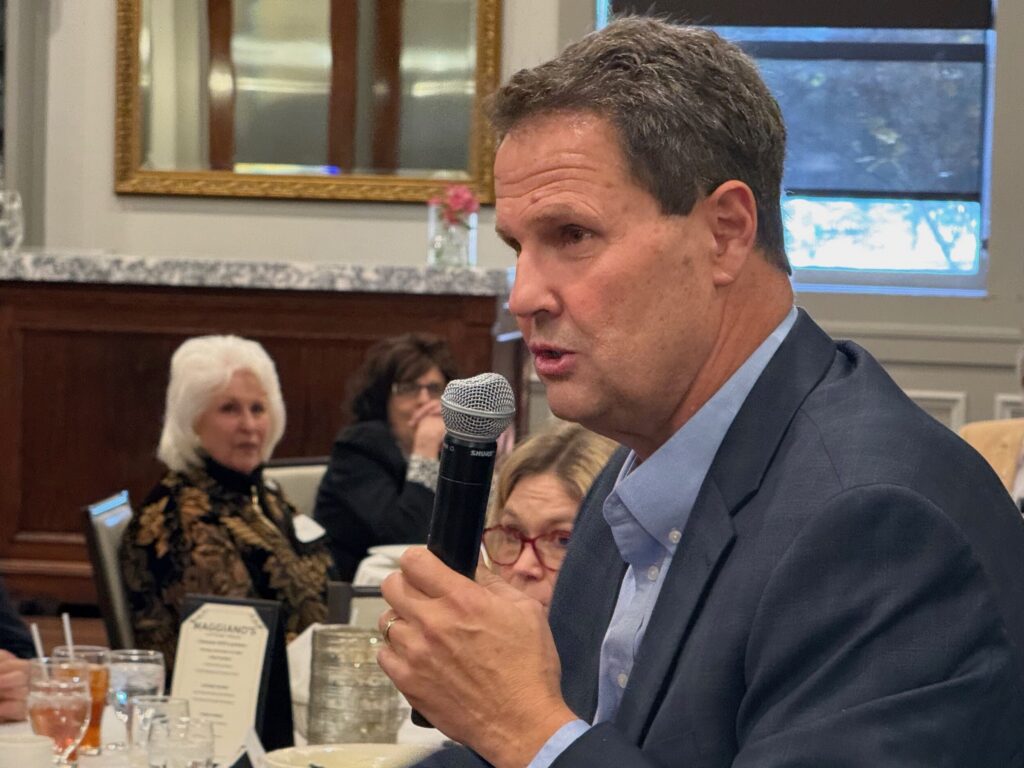
House adopts Republican U.S. Rep. Jeff Crank’s resolution condemning socialism, mostly along party lines
Ernest Luning
ernest.luning@coloradopolitics.com
Updated 13 hours ago
The U.S. House on Tuesday approved a resolution sponsored by U.S. Rep. Jeff Crank to condemn socialism in a largely party-line vote that the Colorado Republican characterized as a chance for lawmakers to “stand firm” against an ideology making inroads...
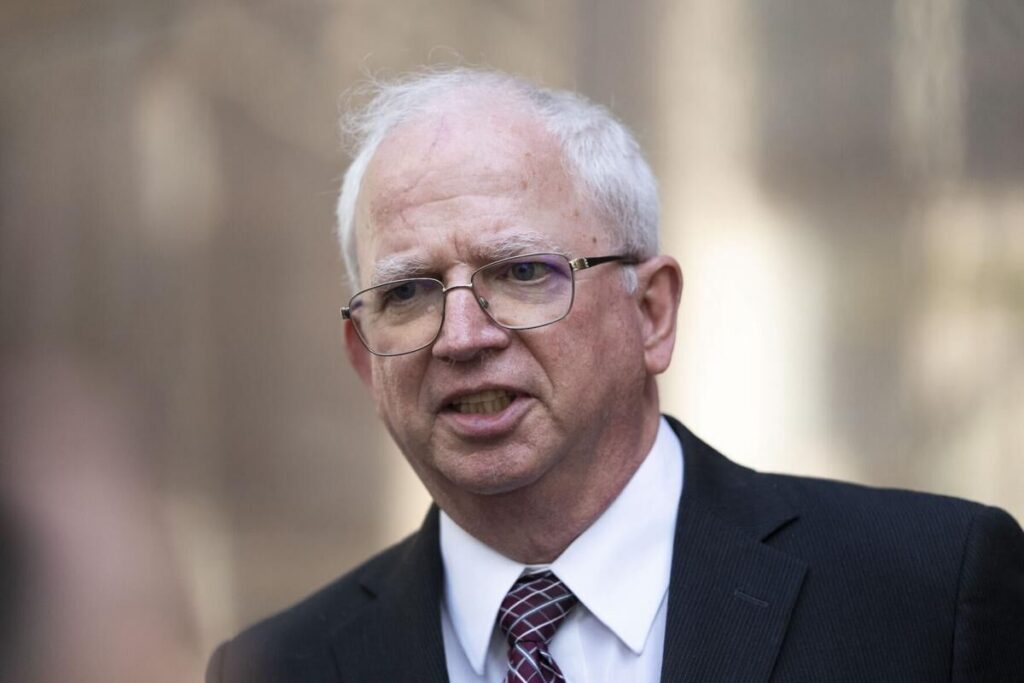
Colorado’s federal court confirms John Eastman cannot practice due to disbarment
Michael Karlik
michael.karlik@coloradopolitics.com
Updated 17 hours ago
Colorado’s federal trial court confirmed last week that attorney John C. Eastman, who devised a plan for President Donald Trump to remain in office despite losing the 2020 election, cannot practice in the state’s U.S. District Court due to his...
Capped or graduated income tax rate? Colorado voters to decide
Marianne Goodland
marianne.goodland@coloradopolitics.com
Updated 15 hours ago
The proposal to create income tax tiers — which would replace Colorado’s flat rate — has been certified for the November general election ballot, setting the stage for a major showdown between two competing forces seeking to define the parameters of...
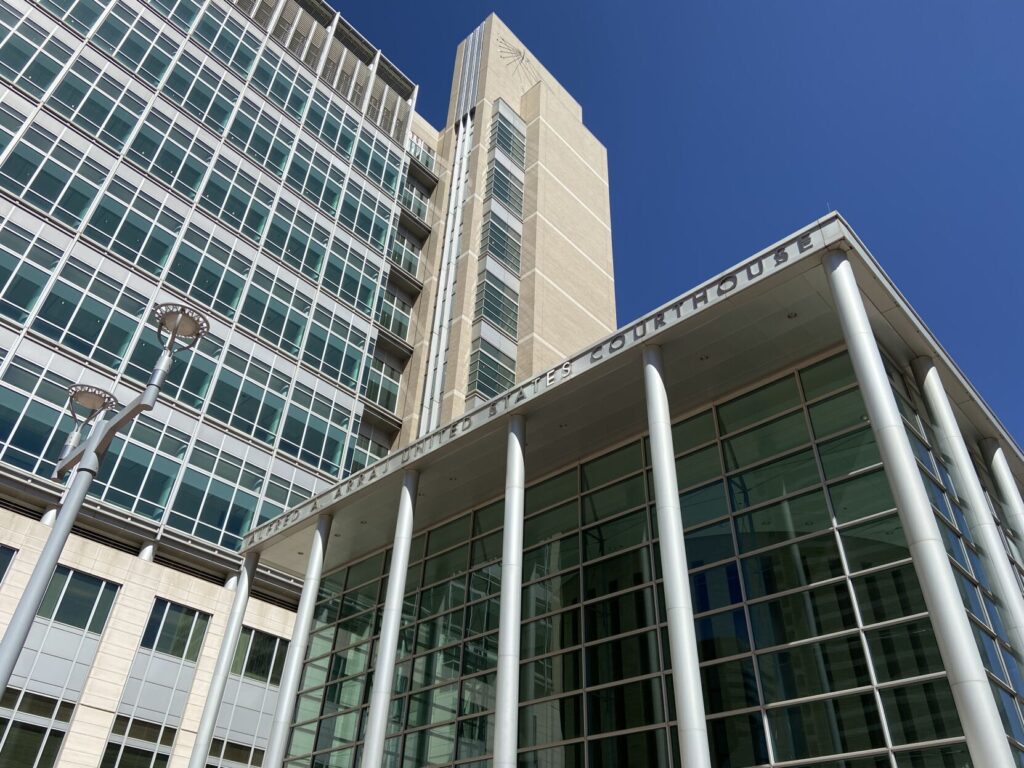
Colorado Springs officers’ tasing, threats prompt federal judge to block use of suspect’s statements
Michael Karlik
michael.karlik@coloradopolitics.com
Updated 17 hours ago
A federal judge blocked the government last month from using some of a defendant’s statements as evidence, reasoning that the defendant made them involuntarily as Colorado Springs officers tased him five times and one officer threatened to kill him. Officers...
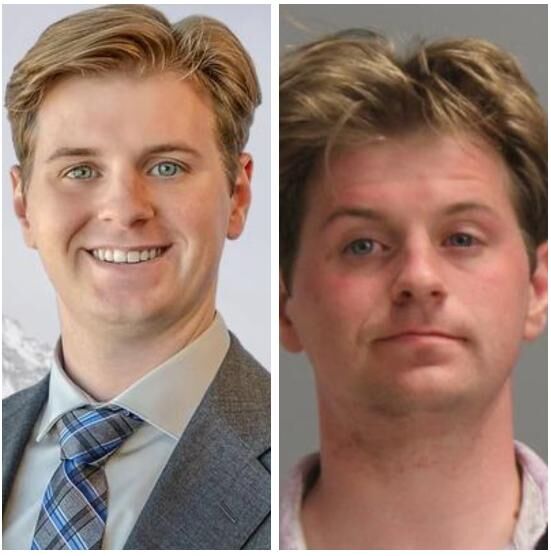
Some charges against Colorado Democrat arrested for intoxication dropped, Texas police say
Deborah Grigsby
deborah.smith@denvergazette.com
Updated 16 hours ago
The charges of resisting arrest against a Lone Tree Democrat who is running for the Colorado state House have been dropped, according to authorities from Texas. Christian Schilder, who is running to represent Colorado’s House District 39, was apprehended on...
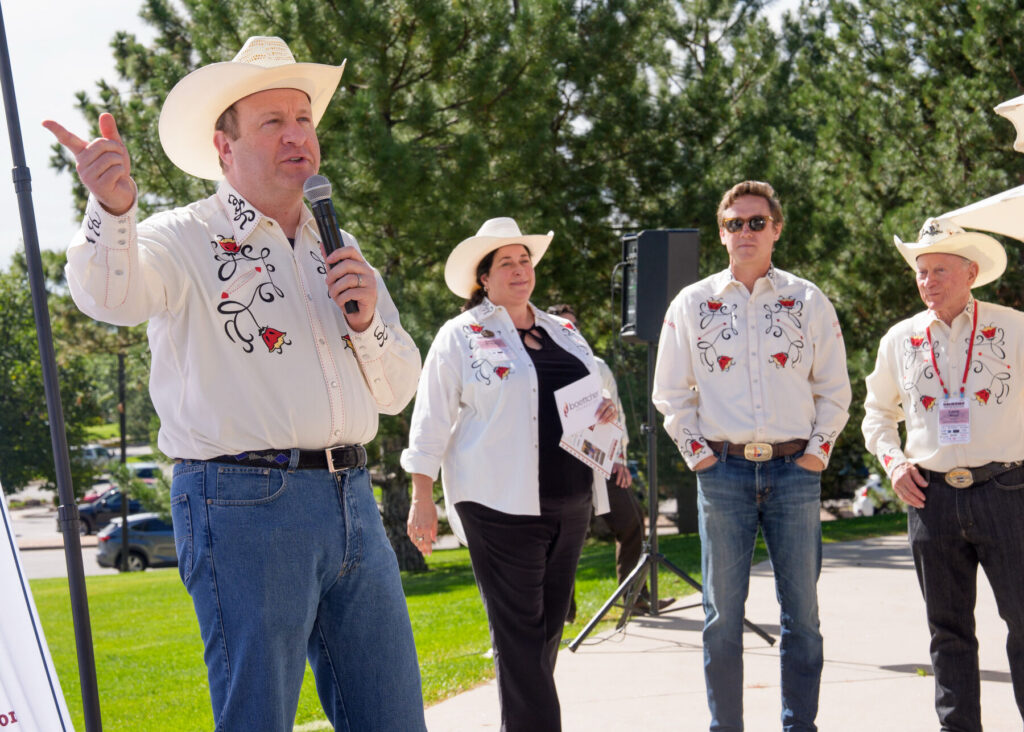
Record turnout at Denver Rustlers event as Larry Mizel selected Citizen of the West
Joanne Davidson
joanne-davidson@coloradopolitics.com
Updated 18 hours ago
The fact that a record crowd of movers, shakers and policymakers who were prepared to part with some big money at the Colorado State Fair wasn’t the only big news to report from the Denver Rustlers’ 42nd annual brunch and road trip to...

Amazon buys 70 acres in Aurora
Bernadette Berdychowski
bernadette.berdychowski@denvergazette.com
Updated 20 hours ago
Amazon purchased 70 acres of land in Aurora with plans to build a distribution center, according to city and county records. The e-commerce giant bought a parcel at 825 N. Lisbon St. from a company tied to Northpoint Development for...
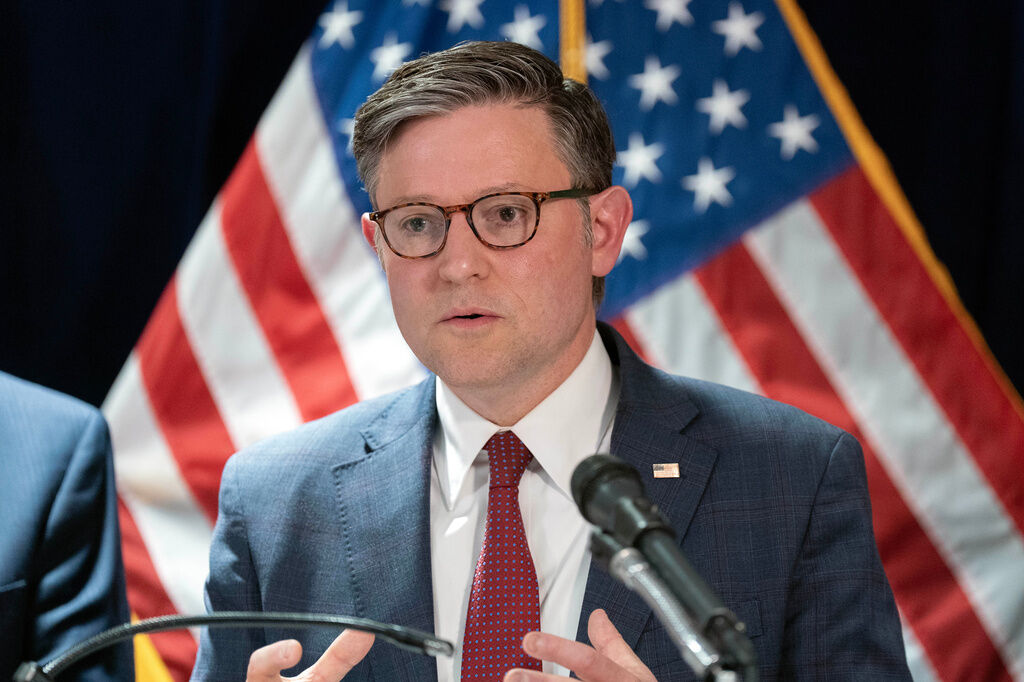
House passes stopgap funding bill with help of 176 Democrats to avoid pre-election shutdown
Hailey Bullis
hailey-bullis@coloradopolitics.com
Updated 20 hours ago
House Speaker Mike Johnson (R-LA) got help from the other side of the aisle on Tuesday to pass a stopgap funding bill to head off a government shutdown ahead of the November elections. More than 175 House Democrats supported the...
The 21 seats Mike Johnson says will decide the House majority
The Washington Examiner
the-washington-examiner@coloradopolitics.com
Updated 15 hours ago
Speaker Mike Johnson, R-La., is eyeing 21 seats that will determine the House majority in the November midterm elections, including Colorado’s Congressional District 8. Johnson pointed to the nonpartisan Cook Political Report’s 21 toss-up seats, before rattling off a list...
Federal judge green-lights immediate appeal in challenge to Colorado’s unclaimed property program
Michael Karlik
michael.karlik@coloradopolitics.com
Updated 16 hours ago
A federal judge took the unusual step last month of authorizing an immediate appeal of her decision to dismiss key components of a constitutional challenge to Colorado’s program for reuniting people with their unclaimed property. In February, U.S. District Court...
PREV
PREVIOUS

USDA to delay key provisions of hemp rule
The U.S. Department of Agriculture announced on Thursday that it will delay the implementation of certain provisions of its new hemp-growing regulations, pointing to hindrances that the requirements could pose to the relatively new industry. “USDA is exercising its enforcement discretion to adopt a temporary policy of non-enforcement for producers,” the department wrote. The non-enforcement […]

State receives $225,000 to study extending Southwest Chief to Colorado Springs
The U.S. Department of Transportation has announced a $225,000 grant to fund a feasibility study for extending Amtrak’s Southwest Chief route to Colorado Springs. “I’m pleased that the Department of Transportation awarded this grant to study the feasibility of extending service, which has the potential to bolster transportation connectivity and support our communities,” said U.S. […]