

Title Board to hear 27 ballot proposals
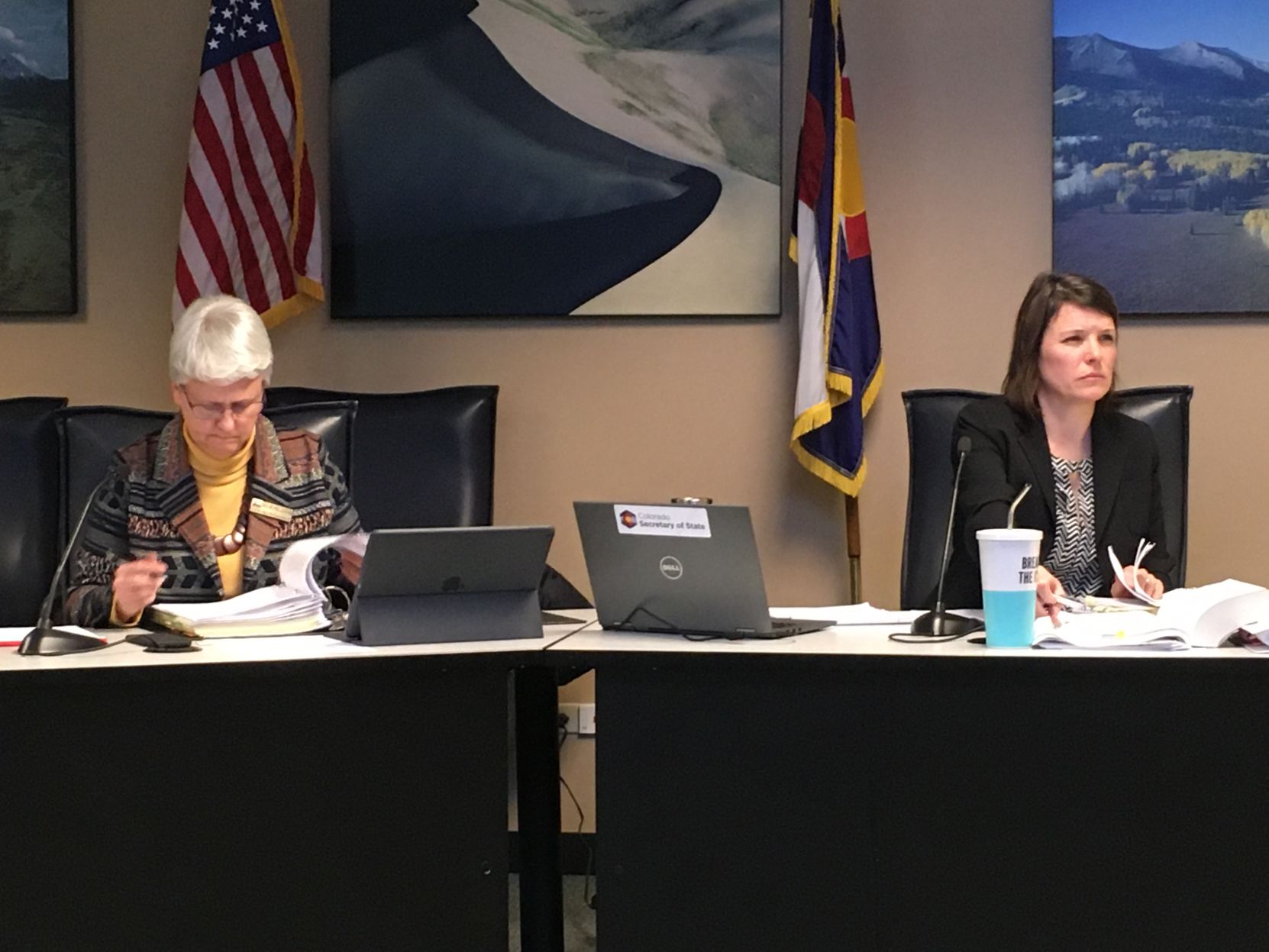
On Wednesday, Colorado’s Title Board will consider 27 proposed ballot initiatives, many of which are variations on other measures attempting to appear before voters on the November ballot.
The Title Board is a three-member panel that is the gatekeeper for proponents of ballot initiatives seeking to circulate their measures for signature-gathering. The board must determine if an initiative adheres to a single subject, then sets the language appearing before voters in a way that is brief, but covers the central features of the proposal.
This week’s measures largely focus on state tax policy, proposed nicotine and tobacco taxes, and a proposal to establish paid family and medical leave through the ballot box.
Increasing Taxes on Cigarettes and Tobacco Products and Establishing a New Tax on Nicotine Products (Initiatives 224-232): These proposals are variations on several previously-approved measures to raise taxes by between six and 13 cents per cigarette and institute a 42% tax on the manufacturer’s price of tobacco products. There would be a new tax on nicotine products, including vaping devices. The money would go toward preschool programming, among other purposes. The designated representatives are Anna Haynes and James Garcia, residence unknown.
Petitions (Initiative 245): This proposal is virtually identical to a previous measure to establish the right to ballot initiative at all levels of local and state government in Colorado, rewriting several key components of the existing process. The Title Board denied a title to that initiative, No. 127, because they found it pertained to multiple subjects. In this version, the proposal makes clear that it maintains the single subject requirement for initiatives and exempts enterprises from the ballot initiative process to comply with the Taxpayer Bill of Rights. The designated representatives are Natalie Menten of Lakewood and Donald L. “Chip” Creager III of Denver.
Paid Family and Medical Leave Insurance Program (Initiatives 247-248): These proposals would cover employed and self-employed individuals who care for a new child through birth or adoption; have a serious health condition; are caring for another family member; or are the victim of sexual violence, stalking or abuse. Those taking advantage of paid leave would see a percentage of their wages funded during that time from payroll taxes and a state-administered enterprise. In one version, local governments may opt out of participating. The designated representatives are Timothy Tyler and Wendy Howell of Denver.
State Out-of-School Learning Opportunities Program (Initiative 250): This proposal is similar to multiple other initiatives to create an Out-of-School Learning Opportunities Agency, which includes the administration of “parent-directed individual learning accounts” for low-income families to apply toward out-of-school learning activities. Funding would occur through the creation of a new income tax credit. Unlike other recent variations, there would be a sliding cap on the corporate net operating loss deduction to offset revenue losses. The designated representatives are Chad Cookinham of Denver and Camille Howells of Wheat Ridge.
Policy Changes Pertaining to State Income Taxes (Initiatives 251-256): These proposals are similar to previously-approved measures to amend the state’s graduated income tax to raise additional money, with a goal of having all residents pay the same percentage of total tax. There would also be a minimum corporate income tax of $250. The revenue would go toward education and addressing “the impacts of a growing population and a changing economy.” The designated representatives are Carol Hedges and Steve Briggs of Denver.
Local Voter Approval of Gaming Limits in Black Hawk, Central City, and Cripple Creek (Initiative 257): This proposal would give authority to the voters of the three local jurisdictions mentioned to license gambling for games outside of those explicitly mentioned in state law. It would also get rid of the $100 maximum limit per bet. Money from gambling would be put toward credential completion and improved student retention, in addition to its current purposes. The designated representatives are Bruce Brown and Bill Cadman, residence unknown.
Tax Deduction for Limited Vehicle Usage (Initiative 259): This proposal would grant a state income tax deduction of between $5,000 and $10,000 to residents who drive their primary vehicle fewer than 12,000 miles per year. The designated representatives are Brian Watson of Denver and John Brackney of Centennial.
Policy Changes Pertaining to State Income Taxes (Initiatives 267-272): These proposals are variations on Initiatives 251-256. The designated representatives are Hedges and Briggs.


The delicate, ever-changing dance between politics and religion | SONDERMANN
Eric Sondermann for Colorado Politics
eric_sondermann_for_colorado_politics@coloradopolitics.com
Updated 2 days ago
The dance, really a marathon that brings to mind the classic movie “They Shoot Horses, Don’t They?”, has been going on as long as there have been governments and organized religion. That is to say that this delicate tango has...
Roasts, get yer roasts, here: Capitol M | Week of March 14, 2026
Marianne Goodland
marianne.goodland@coloradopolitics.com
Updated 3 days ago
The lighter side of the Capitol, especially in the past week Apparently, the pending and eventual switch to daylight stupid time has put people in some pretty funny moods. And thank goodness! On March 4, the Senate approved the appointments...
Polly Baca elected to DNC | A LOOK BACK
Rachael Wright, Special to Colorado Politics
rachael.wright@coloradopolitics.com
Updated 3 days ago
Forty-Five Years Ago This Week: After her loss to Republican U.S. Rep. Hank Brown the previous year in the race for the 4th Congressional District, state. Sen Polly Baca-Barragan, D-Thortnon, was elected as one of the three vice-chairs of the...
Colorado Politics Calendar Mar. 16-22
Rachael Wright, Special to Colorado Politics
rachael.wright@coloradopolitics.com
Updated 3 days ago
CoPo’s weekly political calendar will help you find political and public-policy events throughout Colorado. It includes candidate and issue campaign events, public policy meetings, court hearings, state and local party conventions, assemblies, debates, rallies, parades, speaking engagements, traveling dignitary appearances,...

Boebert challenger Eileen Laubacher joins lawsuit aimed at blocking her from Democratic assembly
Ernest Luning
ernest.luning@coloradopolitics.com
Updated 9 hours ago
A Denver District Court judge on Thursday permitted Democratic congressional candidate Eileen Laubacher to join a lawsuit filed by one of her primary opponents seeking to prevent Laubacher from participating in the party’s assembly process in a bid to qualify...
House Ethics Committee to begin hearing on Weinberg complaint
Marianne Goodland
marianne.goodland@coloradopolitics.com
Updated 15 hours ago
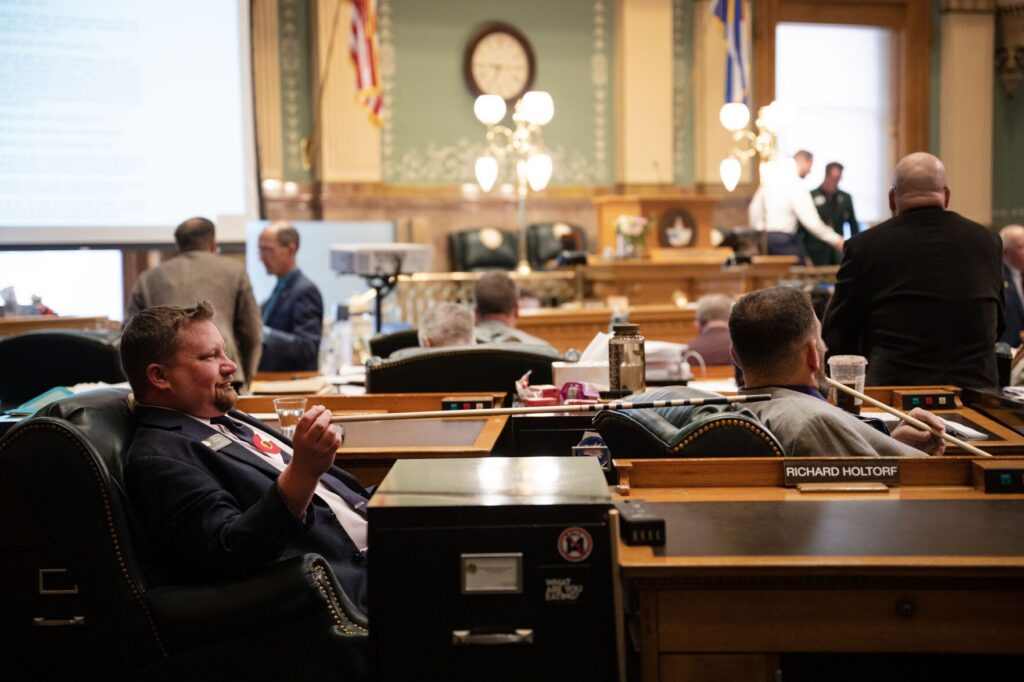
The House Ethics Committee on Tuesday will begin a hearing requested by Rep. Ron Weinberg, R-Loveland, tied to an ethics complaint filed against him by Rep. Brandi Bradley, R-Roxborough Park. The ethics committee had found probable cause on two issues...

Iran war enters next phase of destroying entire missile supply chain: Hegseth
Brady Knox, Washington Examiner
brady.knox.washington.examiner@gazetteedit.wpenginepowered.com
Updated 16 hours ago
Secretary of War Pete Hegseth said the war with Iran was entering a new phase, as the United States was focusing on destroying Tehran’s defense industrial base. At a Friday Pentagon briefing, Hegseth and Gen. Dan Caine, chairman of the Joint...
Jeffco Public Schools found in violation of Title IX
Sage Kelley
sage.kelley@denvergazette.com
Updated 11 hours ago
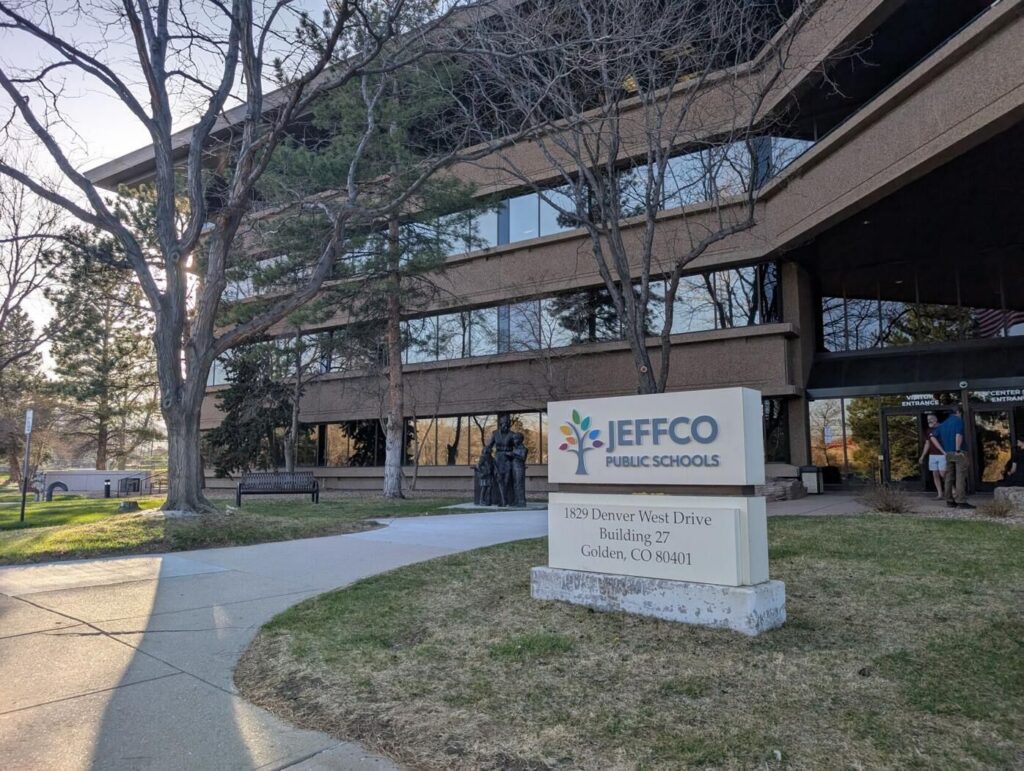
Civil rights office: Male students occupy 61 roster positions on girls’ sports teams The U.S. Department of Education announced Friday that the Jeffco Public Schools district violated Title IX by permitting male students to access female bathrooms and compete in...
Colorado plans to slash interim committee work amid budget woes
Marianne Goodland
marianne.goodland@coloradopolitics.com
Updated 8 hours ago
In a tight-budget year, the work of interim committees — those off-session groups that look at transportation, agriculture, water, healthcare, wildfires, pensions, and anything else lawmakers want to look at — is on the chopping block. And this year, no...
Xcel Energy: Power shutoff ‘likely’ Saturday in Boulder, Jefferson counties
Dan Boniface
dan.boniface@denvergazette.com
Updated 12 hours ago
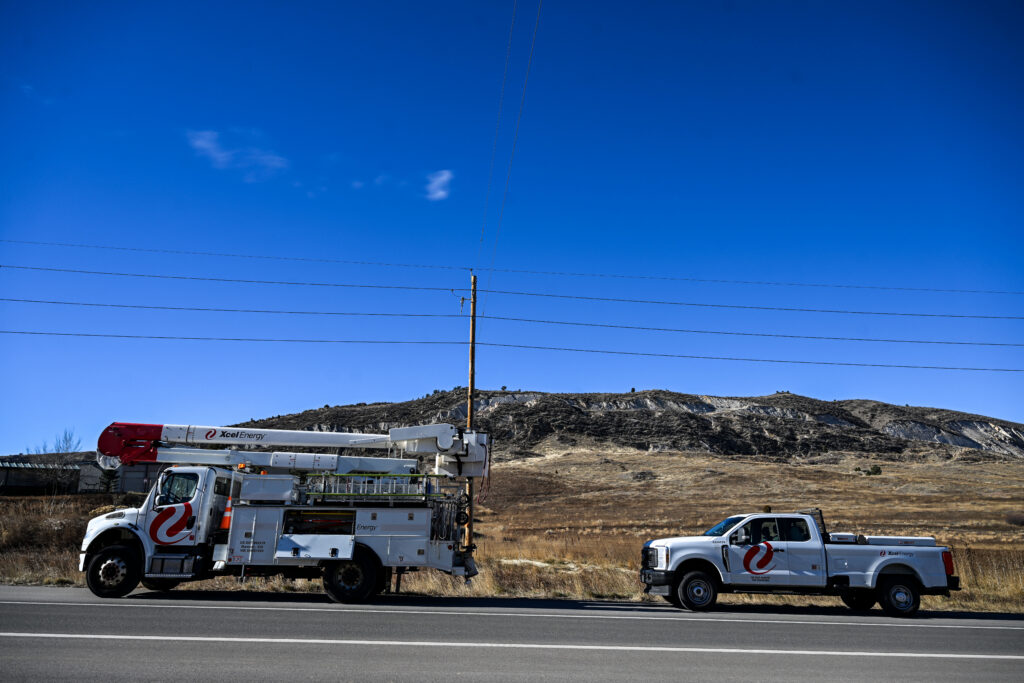
Up to 43,000 residents in parts of Boulder and Jefferson counties should be prepared to have their power shut off Saturday afternoon, Xcel Energy said. The power company said it was “planning for a likely Public Safety Power Shutoff (PSPS)...
PREV
PREVIOUS
Report details contributions and potential strength of Hispanic voters, comprising 12.5% of electorate
Nationwide, one out of eight eligible voters is Hispanic or Latino, with registered Hispanic voters turning out at rates exceeding 80% in presidential elections, a new report found. New American Economy, a pro-immigrant research organization, evaluated the demographics, voting statistics and economic contributions of Hispanics in the United States between 2010 and 2017, using data […]
Rep. Daneya Esgar takes Republicans to task for linking state employees with the Mafia
House Bill 1153, which would allow unionized state employees to collectively bargain for better pay, benefits and working conditions, won final approval from the House on Monday on a party-line 41-23 vote. But before that final vote, Rep. Daneya Esgar, D-Pueblo, the bill’s co-sponsor, called out Republicans for some of their comments during Friday’s debate. […]